Hazardous Materials Review and Reporting, Part 5 of 5
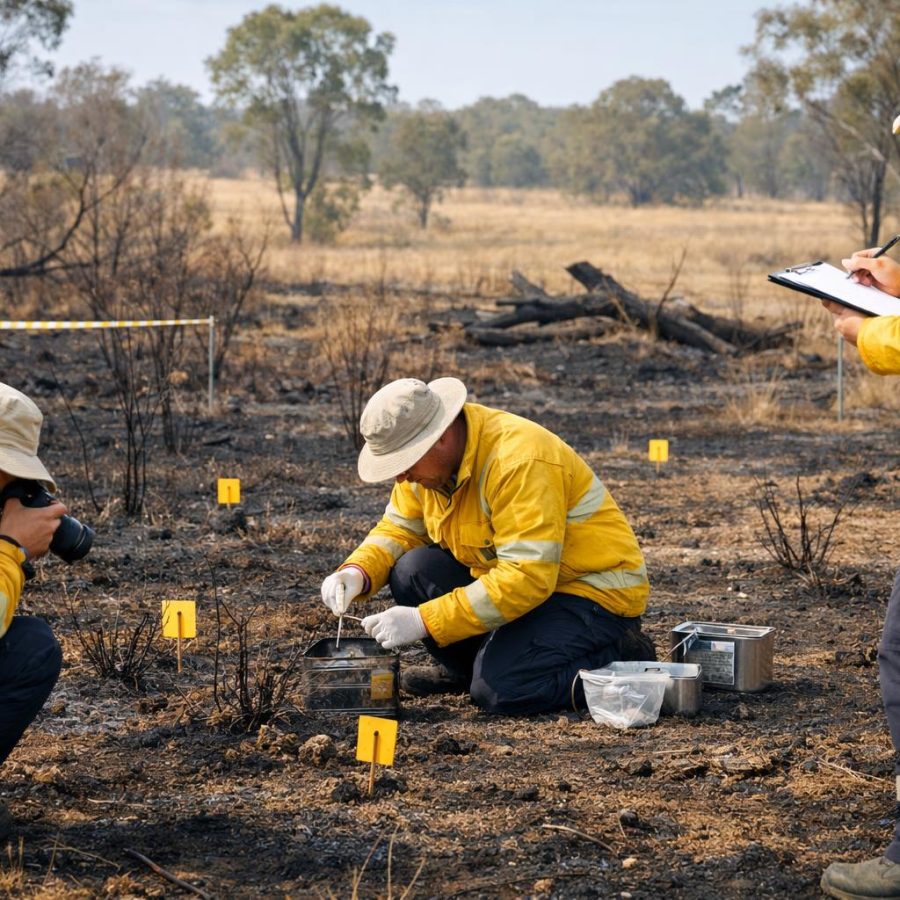
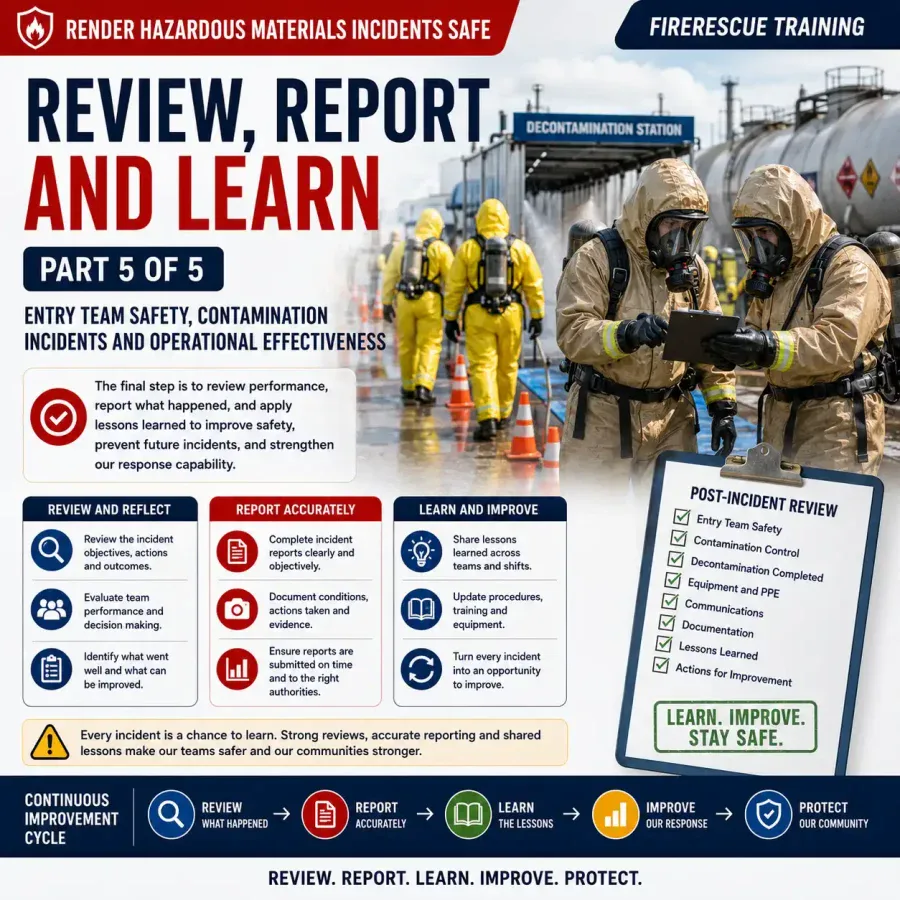
Part 5 of 5 explains hazardous materials review, reporting, entry team safety, contamination records and operational learning.
Home Emergency Service Training
273 posts in this category • Structured study support, leadership resources, operational checklists and course series.
Part 5 of 5 explains hazardous materials review, reporting, entry team safety, contamination records and operational learning.
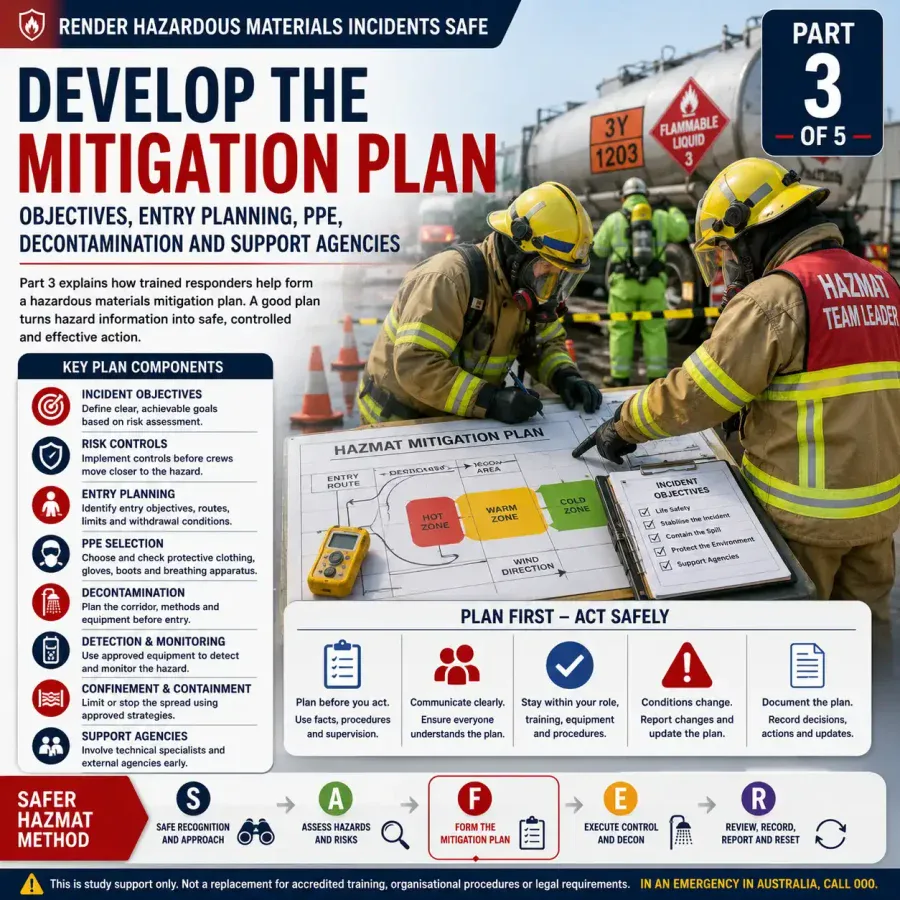
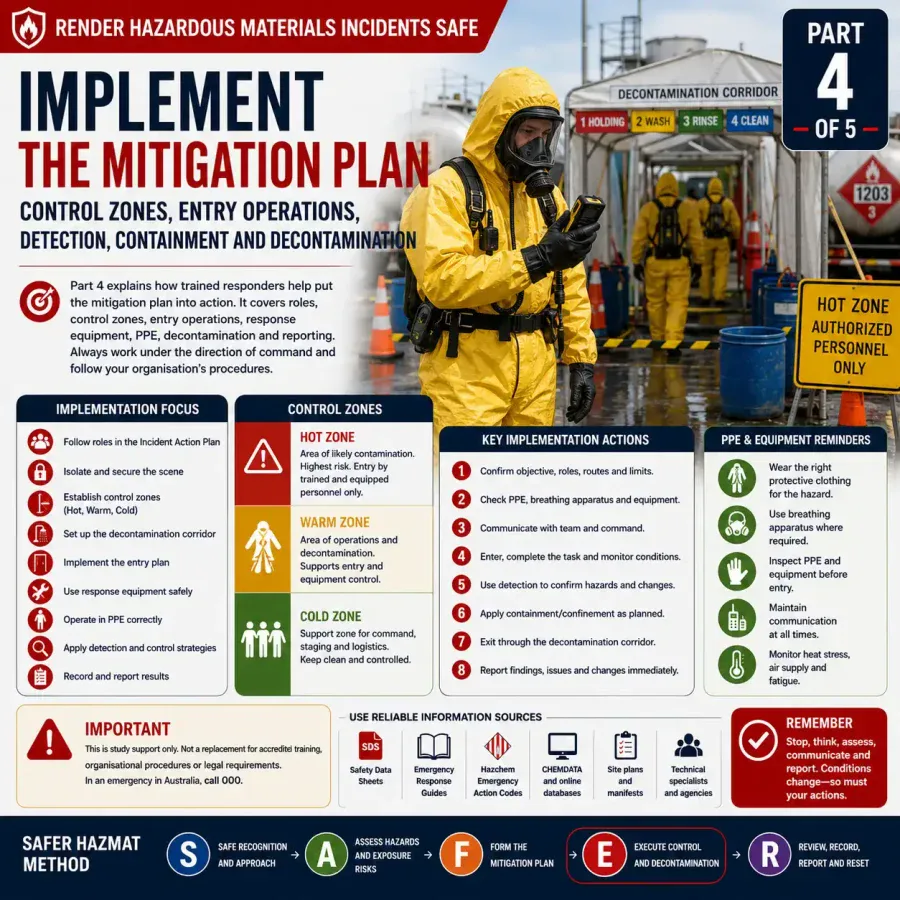
Part 4 of 5 explains how responders help implement a hazardous materials mitigation plan safely under command direction.
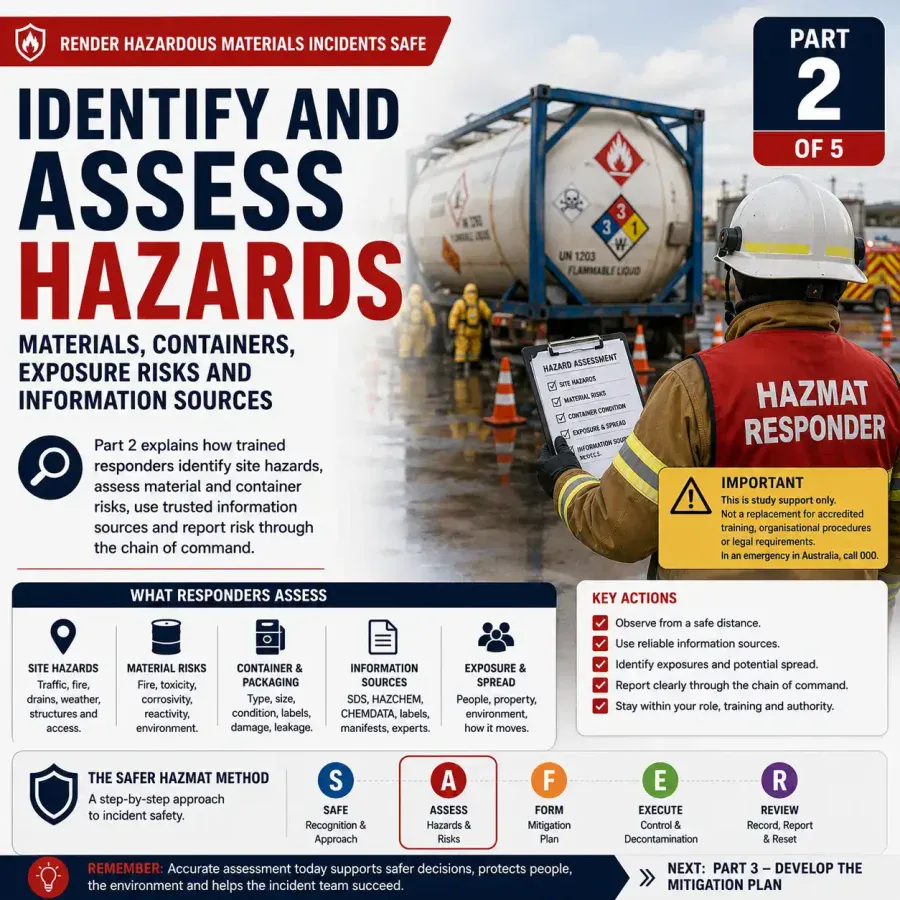
Part 2 of 5 explains how trained responders identify site hazards, assess materials and containers, use information sources and report risk clearly.
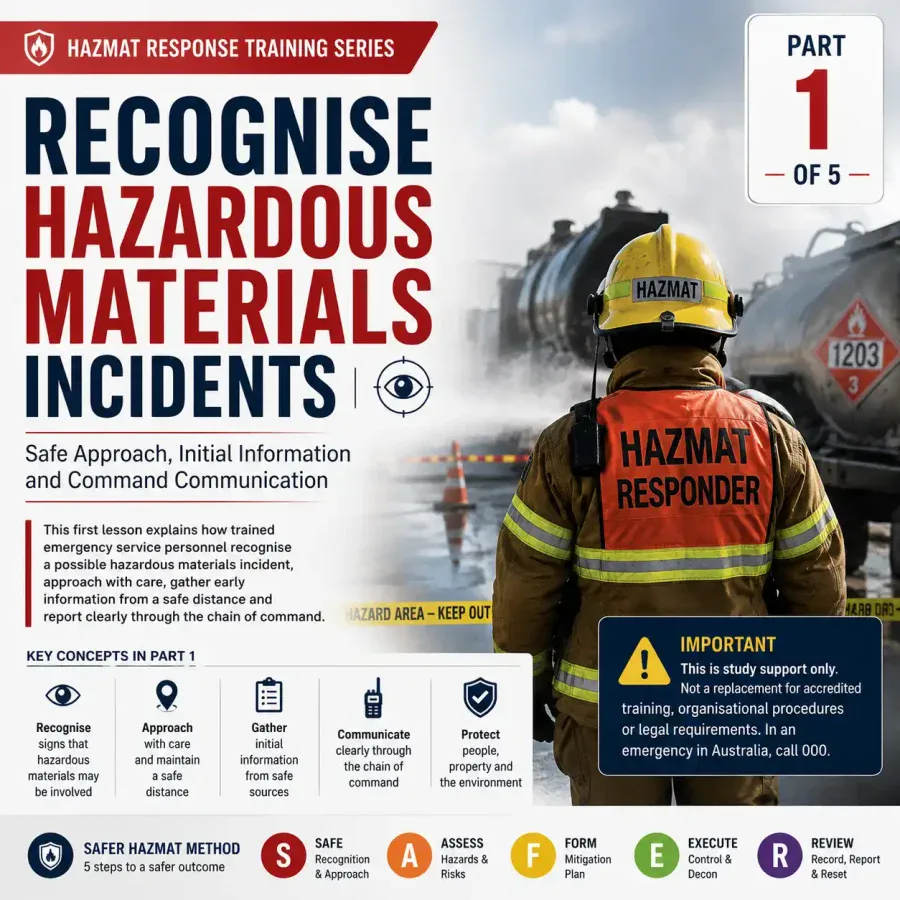
Part 1 of 5 introduces the first step in rendering hazardous materials incidents safe: recognising the incident, approaching with caution, identifying hazards…
Fire science has made major progress, but too much research still stops at the fire itself. A stronger agenda must connect fire…
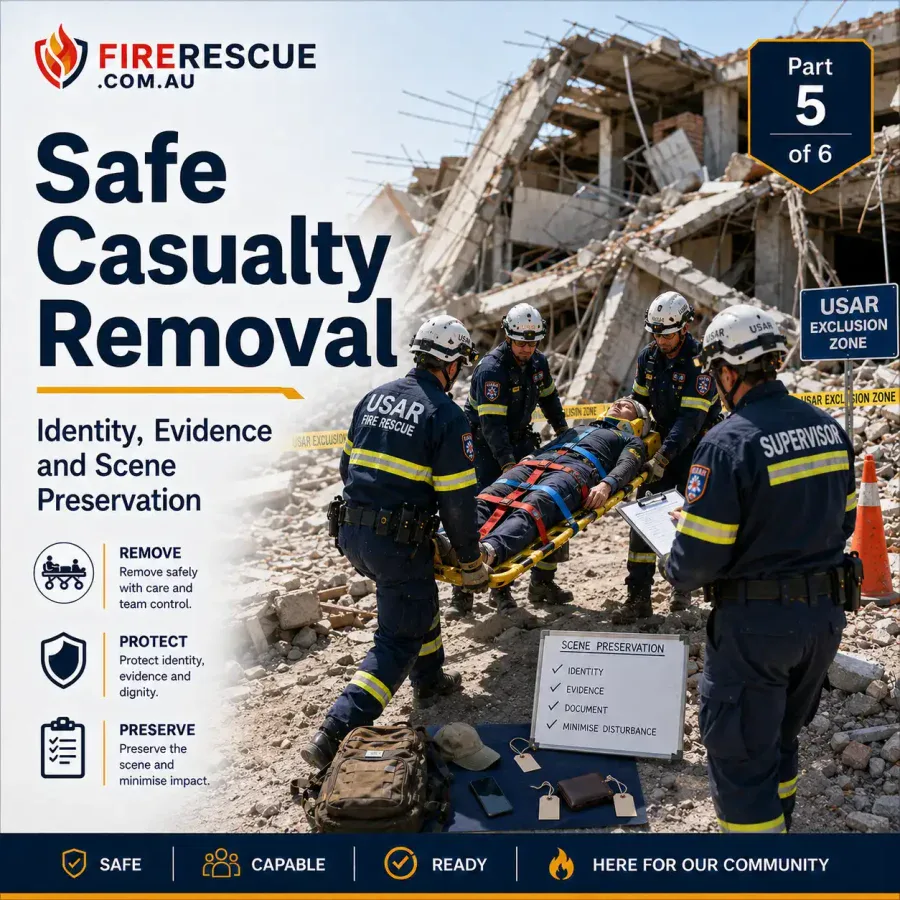
Learn safe casualty removal for USAR first responders, including team handling, casualty identity, evidence care, scene preservation and reporting.
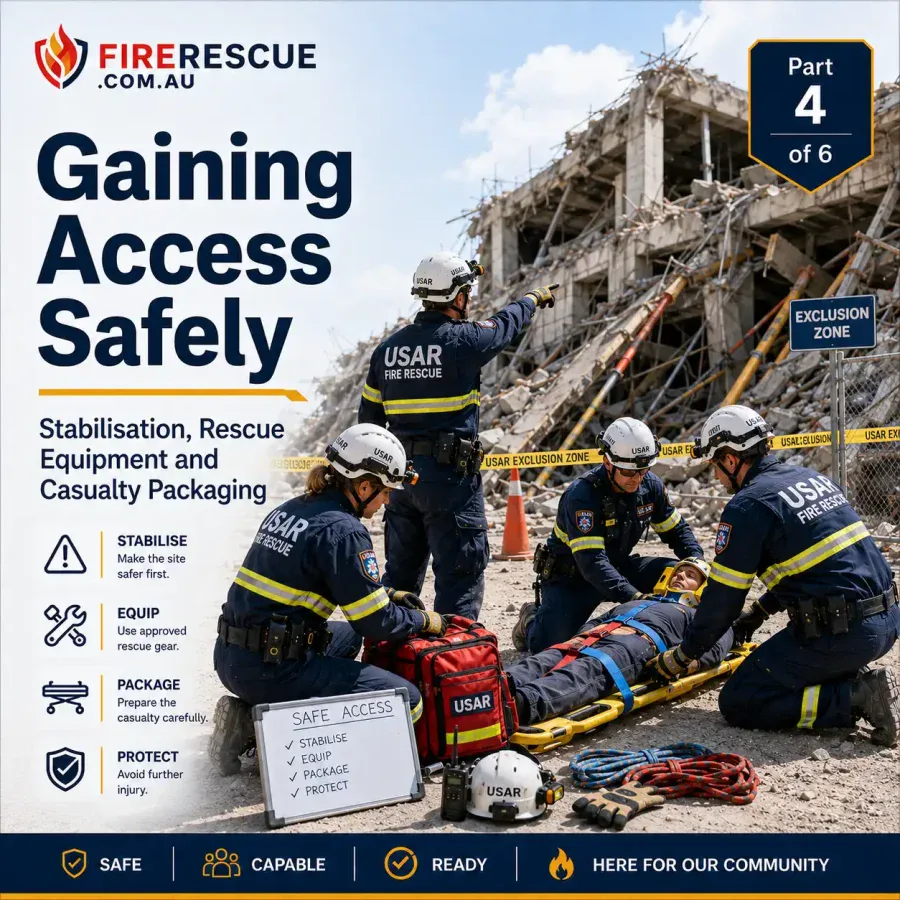
Learn gaining access safely for USAR first responders, including site stabilisation, rescue equipment limits, casualty packaging and safe team handling.
El Niño is underway in the tropical Pacific and may strengthen through summer 2026–27. This assessment explains the main Australian emergency risks…
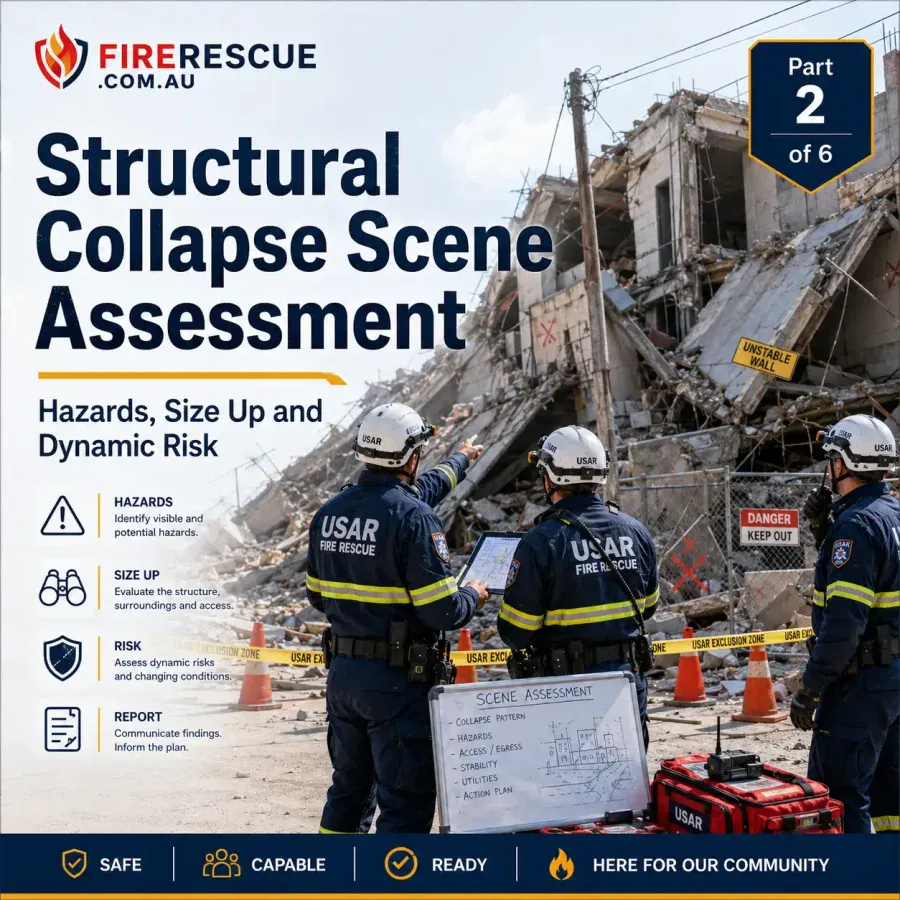
Learn structural collapse scene assessment for USAR first responders, including reconnaissance, hazards, dynamic risk, exclusion zones and reporting.
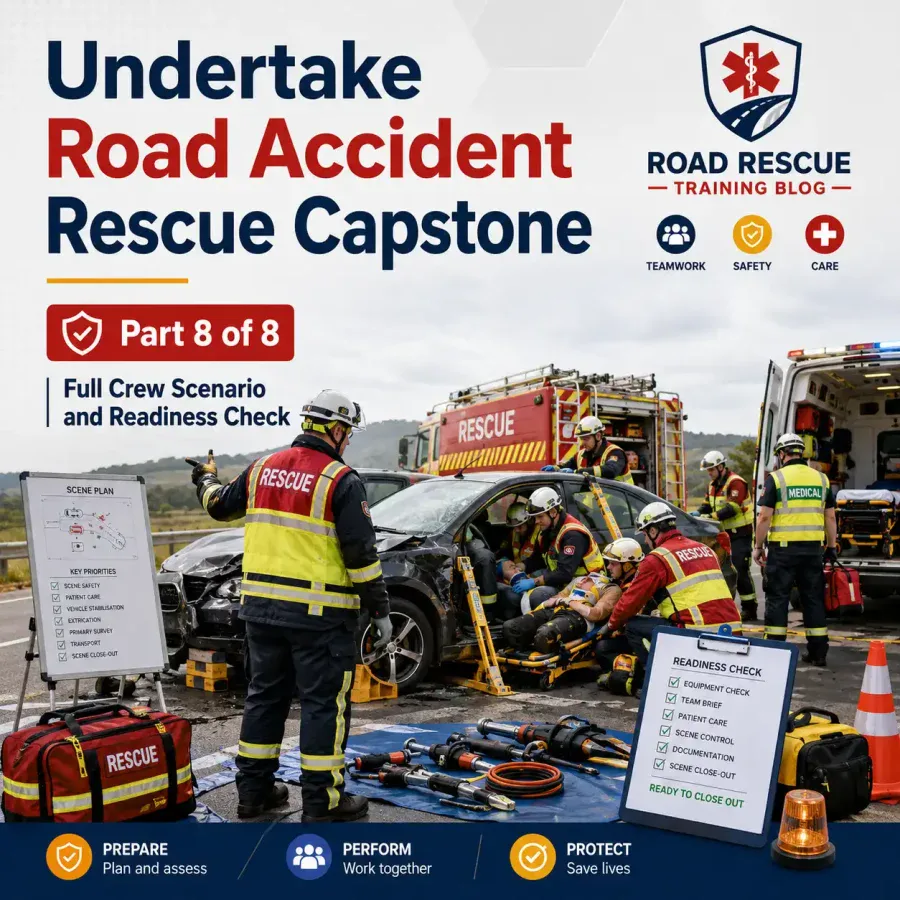
Part 8 of the undertake road accident rescue series brings the full workflow together through one capstone crew scenario, from initial briefing…
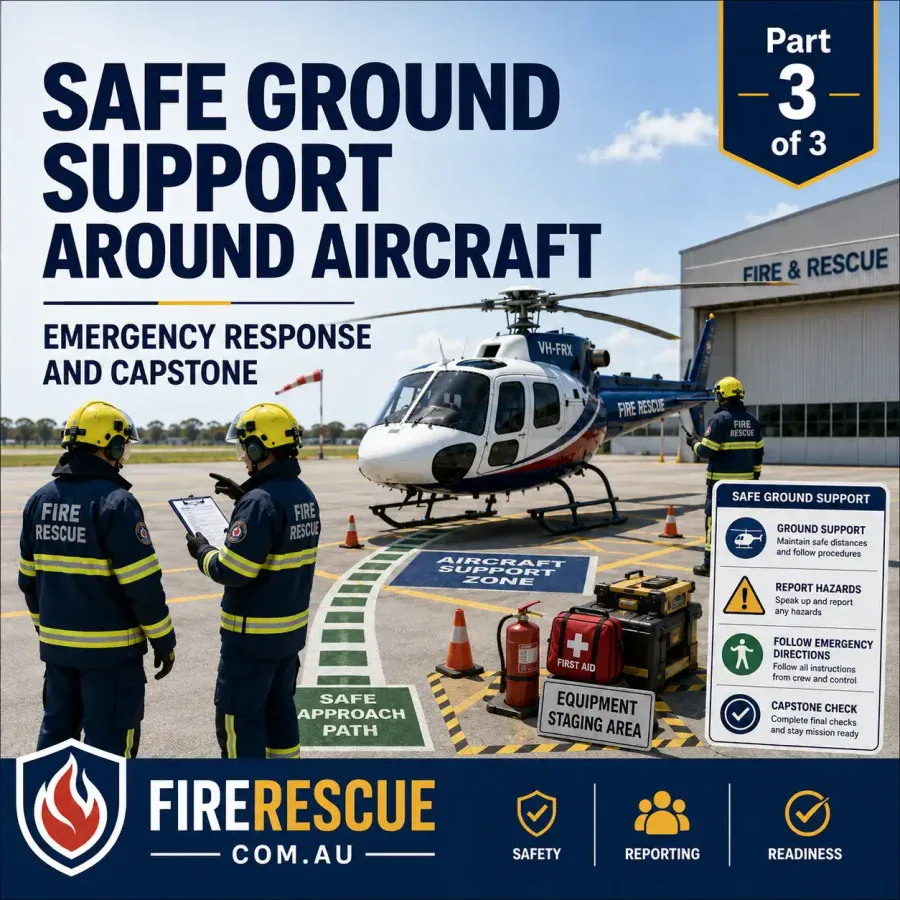
Part 3 of 3 brings safe ground support around aircraft together with briefings, reporting, emergency directions and a final AIRSIDE SAFE capstone.
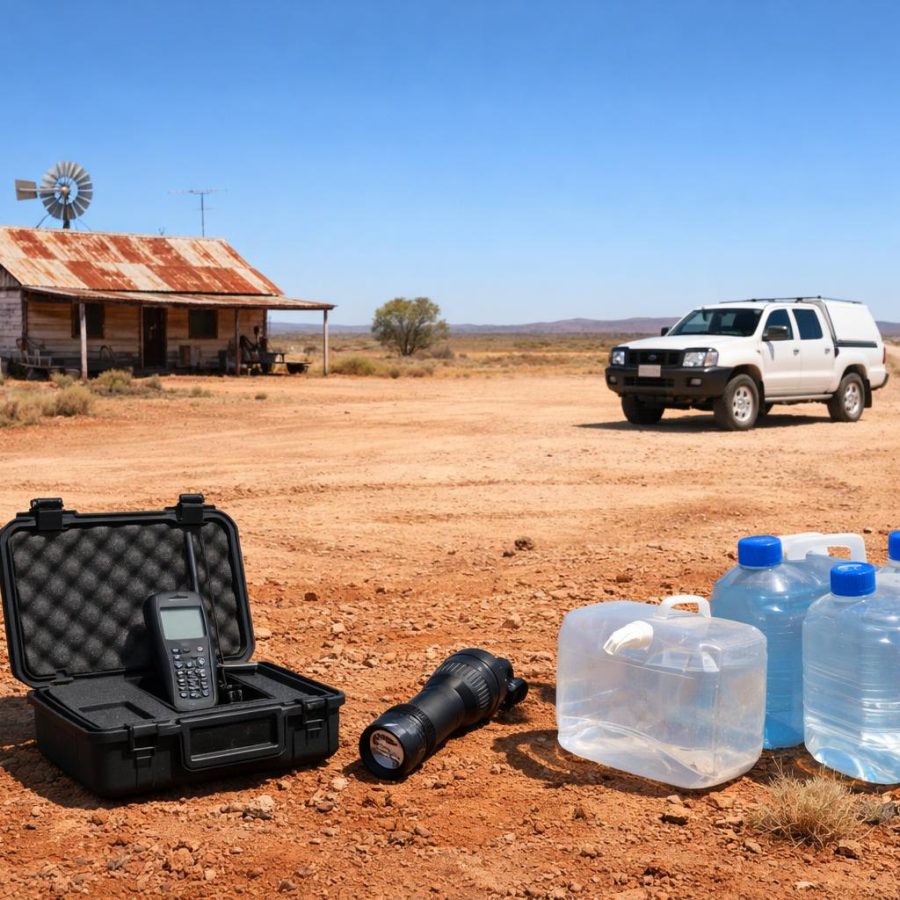
Earthquakes in remote Australia can happen with little or no warning, and isolation can make the consequences harder to manage. This guide…
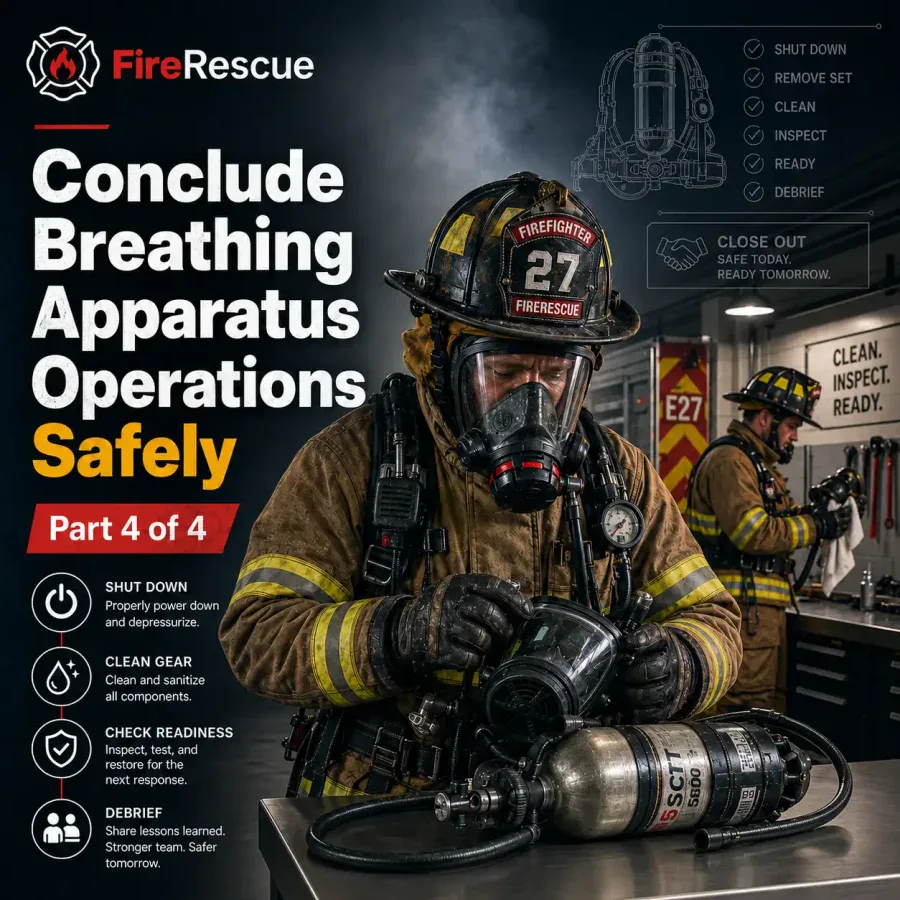
Part 4 of 4 explains how to conclude breathing apparatus operations. It covers shutdown, removal, cleaning, after-use inspection, equipment readiness, debriefing and…
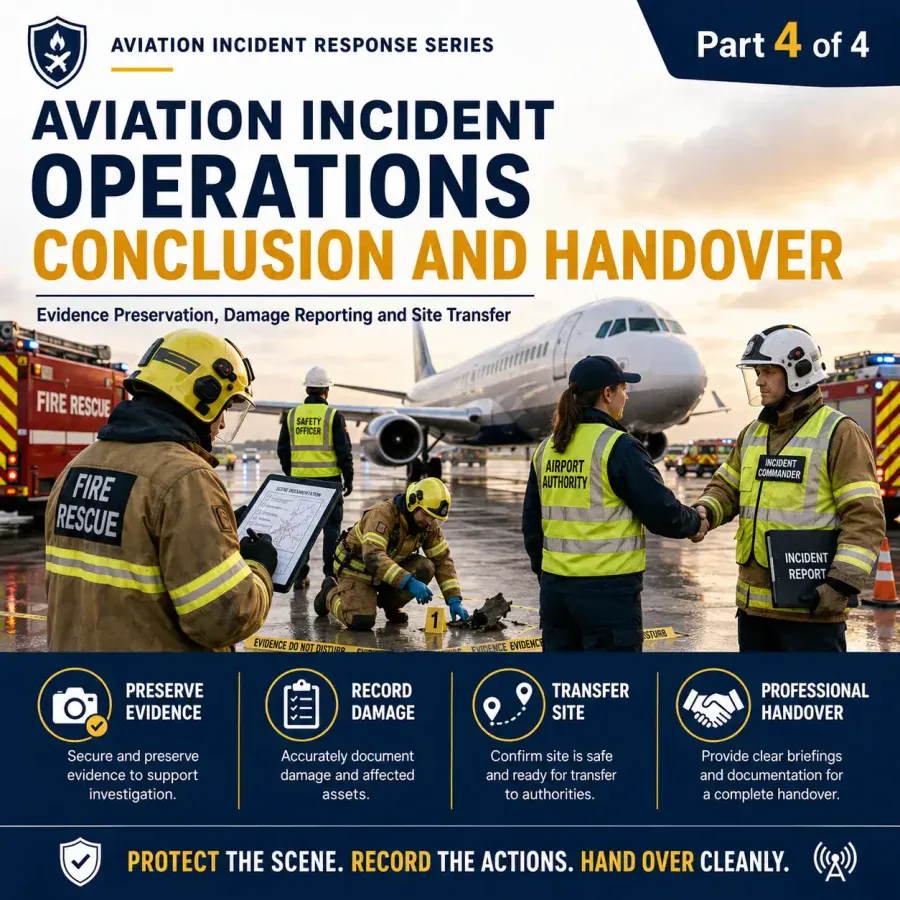
Part 4 of Respond to aviation incidents explains how to conclude aviation incident operations through evidence preservation, forcible-entry damage reporting, site transfer…
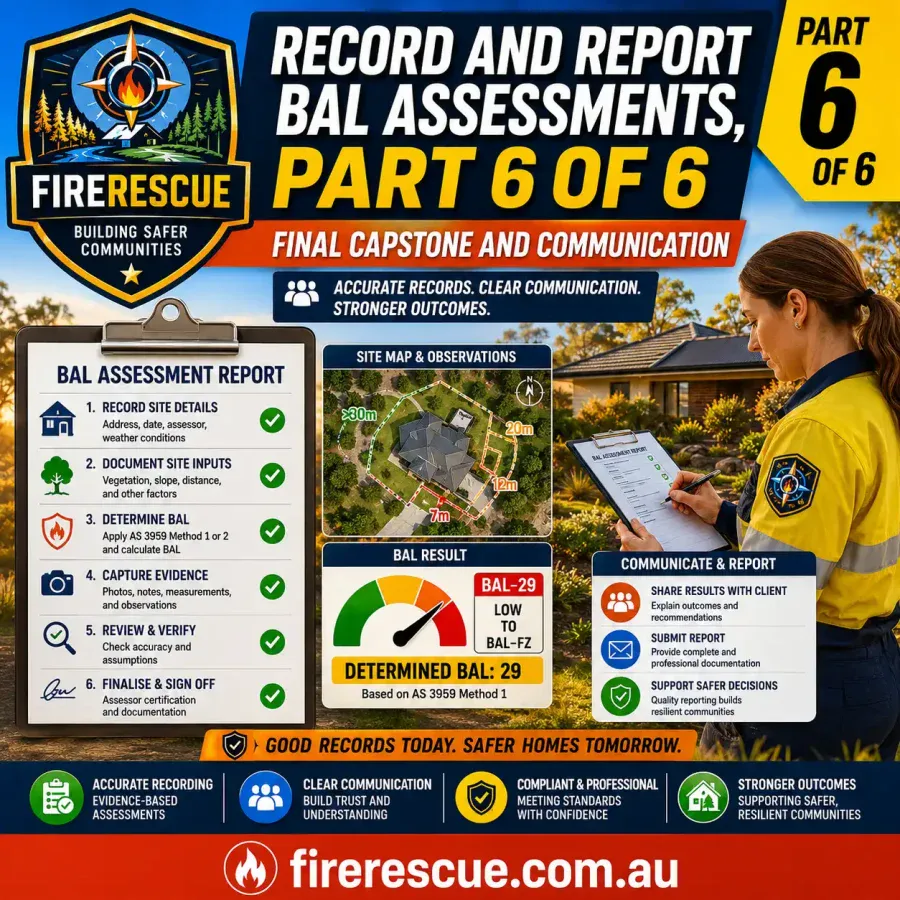
Part 6 explains how to record and report BAL assessments, communicate findings clearly and complete the final capstone process.
Part 6 of the undertake road accident rescue series explains how crews provide controlled access paths and remove casualties using appropriate rescue…
Part 3 of 4 explains how to operate breathing apparatus safely during response activities. It covers hazard awareness, team communication, breathing apparatus…
Part 4 of this 4-part refresher series explains how to record and report weather observations through organisational procedures. It also brings the…
Part 3 explains how to gather site information for BAL assessment, including site location, Fire Danger Index or wind speed, constraints, limitations…
Part 5 of the undertake road accident rescue series explains how crews plan access and extrication through consultation, casualty protection and controlled…
Learn the foundations of conducting and recording a Bushfire Attack Level assessment, including purpose, standards, WHS/OHS, bushfire attack mechanisms and safe site…