FireRescue Course Series • Part 5 of 6
Safe Casualty Removal — Identity, Evidence and Scene Preservation
Safe casualty removal is controlled team work. First response USAR members move surface or partially trapped casualties using approved techniques, while protecting people, property and the incident scene where possible.
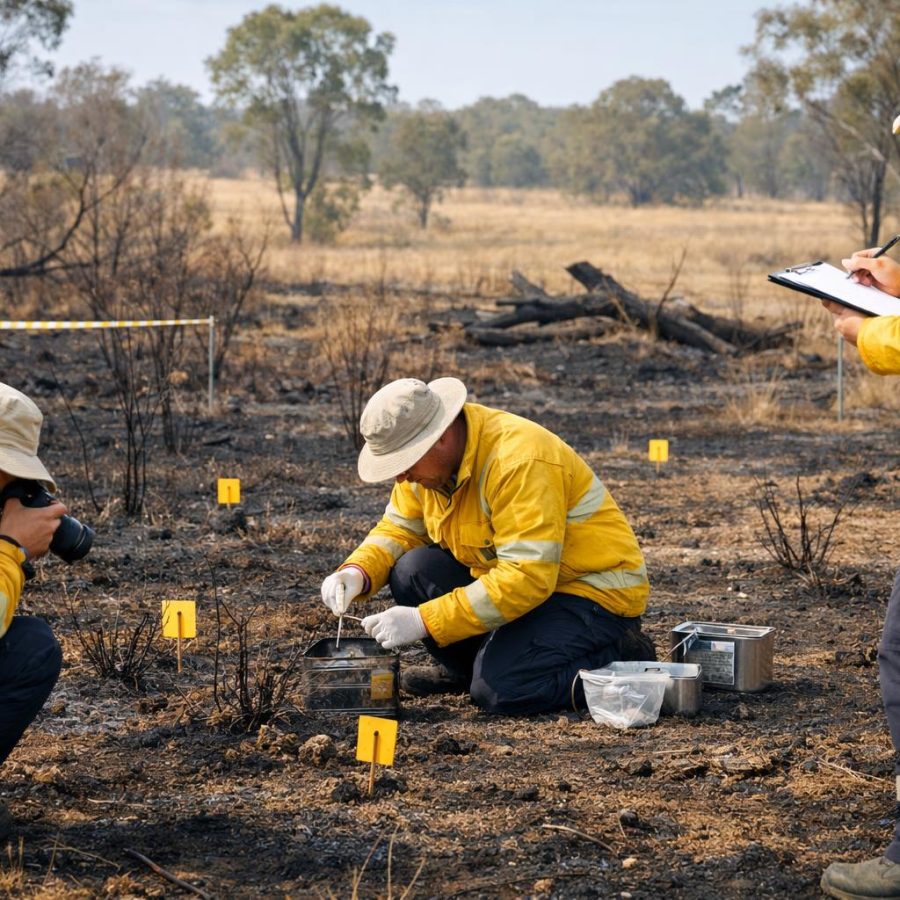
Identity Evidence
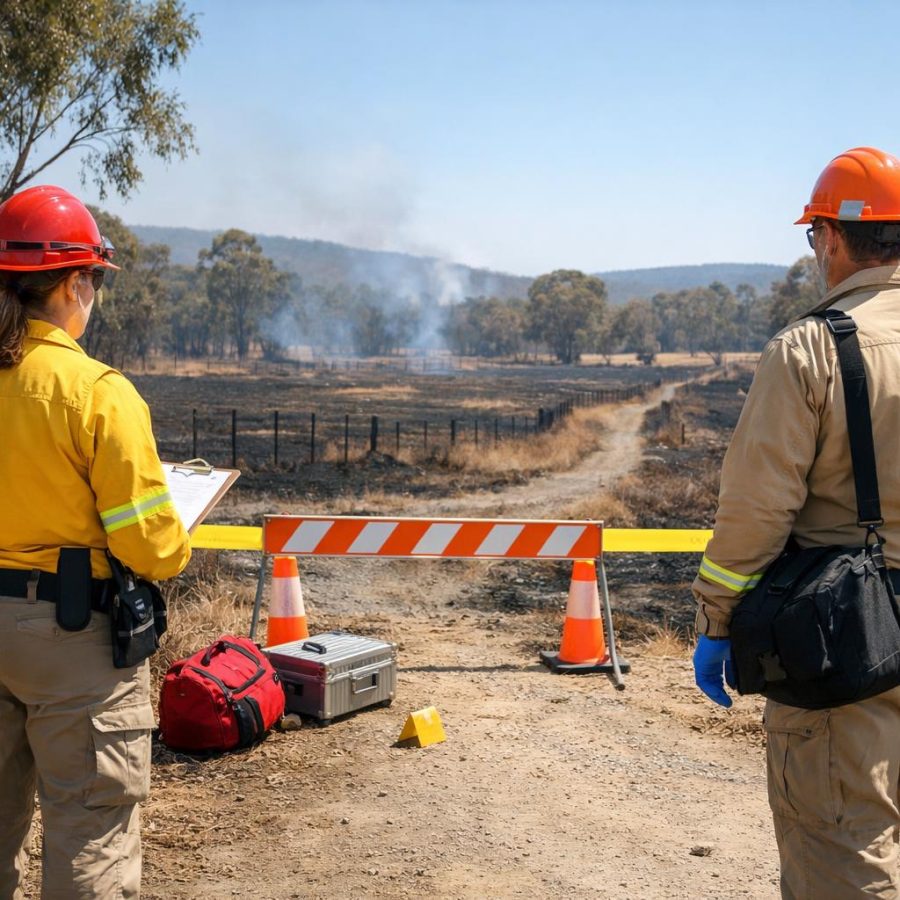
Scene Preservation
- Remove surface or partially trapped casualties safely.
- Use rescue techniques and resources under procedure.
- Collect and process evidence of casualty identity correctly.
- Preserve the incident scene where possible.
0 of 8 sections refreshed
Learning summary
What Part 5 builds
You learn that casualty removal must be planned, coordinated and controlled.
You understand why clear commands, assigned roles and careful manual handling matter.
You learn that casualty identity evidence must be collected and processed under procedure.
You preserve the incident scene where possible and avoid unnecessary disturbance.
The USAR SAFE Cycle in safe casualty removal
Part 5 focuses on safe removal, identity evidence and scene preservation. The USAR SAFE Cycle helps keep the team calm, controlled and connected to procedure.
Safe casualty removal starts with the approved plan
Safe casualty removal is not a quick grab and carry. It is a planned team movement using approved rescue techniques, resources and communication.
Safe casualty removal begins after the team has found the casualty, assessed the hazards, made the site safer and confirmed the approved movement plan. At Category 1 first response level, the focus is on surface casualties and partially or lightly trapped casualties that can be removed using available rescue resources.
This stage can feel urgent. A casualty may be frightened, uncomfortable or in pain. Bystanders may be upset. The team may feel pressure to move fast. However, rushed removal can create further injury, damage property, disturb evidence and place responders at risk.
The safer approach is controlled movement. Confirm who is leading the removal. Confirm the route. Confirm the equipment. Confirm the commands. Confirm what will happen if the casualty’s condition changes or the route becomes unsafe.
A safe removal plan should also respect the wider incident scene. The team should move only what needs to be moved. If debris, personal items or building materials must be disturbed to make the scene safe or remove the casualty, that action should be purposeful and reported as required.
Do not let urgency replace procedure. Safe removal protects the casualty, the rescue team, the incident scene and later investigation needs.
Removal must match capability
Some casualties may be ready for simple supported movement once packaged. Others may need more careful handling, extra personnel, specialist equipment or medical input. A first response team must recognise the difference.
If the casualty is trapped beyond the team’s capability, report it. If the route is unsafe, report it. If the available equipment is not suitable, report it. Asking for the right support is safer than forcing the wrong method.
Safe removal is not only about reaching the casualty. It is about moving them without adding harm.
Team handling needs clear roles and commands
Casualty movement should feel organised. Everyone should know their role, the command words, the route and the stop signal before the movement begins.
Removing a casualty from a structural collapse area often requires several responders working together. One person may lead the movement. Others may manage the stretcher, monitor the casualty, control equipment, watch the route or keep communication open with the supervisor.
Clear roles reduce confusion. They also help prevent sudden pulling, twisting or uneven lifting. A casualty may already have injuries. Poor team movement can make those injuries worse.
Before the lift or carry, the team should check body position, equipment, straps, handles, route and hazards. If one person is not ready, the team is not ready. A short pause is safer than a bad movement.
Commands should be simple. The team should know when to lift, lower, stop, move, turn or hold. Mixed commands can cause uneven movement and increase risk.
Before movement, confirm
- Who leads the movement.
- Where the casualty is moving.
- Which route will be used.
- Which equipment is being used.
- What command means stop.
During movement, watch
- The casualty’s condition.
- Responder footing and posture.
- Stretcher balance.
- Trip hazards and debris.
- Changing structural hazards.
Manual handling must stay controlled
Manual handling is a common risk during casualty removal. Uneven ground, awkward body position, fatigue, stress and poor grip can all increase the chance of injury.
Use the team. Use the equipment. Use the commands. Do not try to be strong alone. Controlled team lifting is safer than individual effort.
If the movement becomes unstable, stop and reset. A controlled stop is a safety action, not a mistake.
Use rescue resources without creating new hazards
Rescue resources help remove casualties safely, but they can also create risks if they are placed poorly, used incorrectly or rushed into the work area.
Rescue techniques and resources should be used in accordance with organisational procedures. The selected method must suit the casualty, the environment, the team and the equipment available.
Stretchers and carrying devices are useful, but they need space and control. In rubble, a stretcher can catch on debris, strike loose materials, block a narrow route or become difficult to balance. Therefore, the route must be checked before movement.
Rescue bags, ropes, radios, gloves and tools should be positioned so they support the task. They should not create trip hazards or block the removal path. Equipment control is part of scene safety.
If a resource is damaged, contaminated, missing parts or being used outside its limits, stop and report the issue. Equipment problems are easier to manage before movement begins.
Every resource should help the plan. If equipment blocks access, adds risk or exceeds capability, it needs to be moved, replaced or reported.
Equipment does not remove the need for judgement
A stretcher does not make an unstable route safe by itself. A tool does not remove the risk of secondary collapse. A piece of tape does not protect the team unless people respect the boundary.
Use resources as part of a wider safe work system. That system includes supervision, communication, PPE, hazard monitoring, exclusion zones and approved procedure.
When the situation changes, review the equipment plan. The right resource at the start may not remain right if the route changes or the casualty’s condition changes.
Evidence of casualty identity must be handled carefully
The course includes collecting and processing evidence of casualty identity in accordance with organisational procedures. This must be done respectfully and correctly.
Evidence of casualty identity may be important during and after a USAR incident. It may support medical care, family notification, documentation, investigation or later handover. Because of this, identity information must not be guessed, lost or handled carelessly.
Identity evidence can take many forms, depending on procedure and the situation. It may include information from the casualty, witnesses, personal items, documents, tags, records or observations. The key rule is simple. Follow organisational procedure and report through the correct chain.
Do not make public comments about identity. Do not share details casually. Do not move or collect personal items unless authorised and required by procedure. Privacy, dignity and evidence integrity matter.
If a casualty can speak, they may give useful identity information. However, stress, injury or confusion can affect what they say. Record and report carefully. Avoid assumptions.
Common mistake
Assuming identity from one item nearby.
Safer choice:
Report what was found or said without guessing beyond the facts.
Common mistake
Moving personal items without approval.
Safer choice:
Preserve items where possible and follow procedure if collection is required.
Common mistake
Discussing identity details openly.
Safer choice:
Keep identity information respectful, controlled and reported through the correct chain.
Dignity remains important
Every casualty must be treated with dignity. This includes conscious casualties, unconscious casualties and deceased victims. Respectful handling is part of professional rescue work.
Protect privacy where possible. Avoid unnecessary exposure. Speak respectfully. Keep records factual. These habits support the casualty, their family and the professionalism of the team.
Identity evidence is not just an administrative detail. It is part of safe, lawful and respectful incident management.
Preserve the incident scene where possible
Scene preservation means avoiding unnecessary disturbance while still allowing rescue work, safety actions and casualty removal to occur under procedure.
A structural collapse incident may later need investigation. The location of debris, equipment, personal items, structural elements and casualty position can all matter. Therefore, responders should preserve the incident scene where possible.
This does not mean leaving a casualty in danger. Rescue and safety remain urgent priorities. However, the team should disturb only what must be disturbed to gain access, make the scene safe or remove the casualty under the approved plan.
When something is moved, damaged, found or changed, report it. Depending on procedure, notes may be needed. Simple, accurate notes can help preserve the integrity of evidence.
Scene preservation also includes protecting marks, boundaries and search information. Do not remove signs, tape, markings or indicators unless authorised. They may help later teams understand what has occurred.
Rescue comes first, but unnecessary disturbance should be avoided. Move what must be moved, report what changed and protect evidence where possible.
Preservation supports later decisions
Good scene preservation helps investigators, supervisors and later response teams. It can also help clarify what areas were searched, what hazards were identified and how the rescue progressed.
Do not treat scene preservation as someone else’s job. Every responder can help by moving carefully, reporting observations and avoiding unnecessary disturbance.
Small details can matter later. A clear report from a first responder may help build an accurate picture of the incident.
Notes and reporting protect the rescue record
Reporting is not just paperwork. It helps the supervisor understand what happened, what changed and what still needs attention.
During casualty removal, the team may observe important details. These may include casualty location, condition, identity information, hazards, items moved, equipment used, scene changes, exposure concerns or assistance needed.
Report observations to the supervisor using approved communication methods. Keep reports factual. Avoid emotional language, blame or unsupported conclusions. Say what you saw, what you did and what changed.
Where required, take notes in accordance with organisational procedure. Notes should be clear enough to support later documentation. They should not rely on memory alone, especially during a stressful operation.
Good reporting supports continuity. It helps medical personnel, supervisors, investigators and later teams understand the situation. It also helps the organisation learn from the incident.
Useful report details
- Casualty location.
- Casualty condition where known.
- Removal route used.
- Equipment used.
- Scene changes or items moved.
Avoid in reports
- Guessing cause of collapse.
- Guessing identity without evidence.
- Leaving out important changes.
- Using unclear location terms.
- Relying only on memory later.
Report through the correct path
Use the command and control structure. Do not bypass the supervisor because a detail seems minor. The supervisor may need that detail to make decisions or complete documentation.
When other agencies are present, keep reporting disciplined. Do not create side conversations that lead to mixed instructions. Information should flow through approved channels.
A clear rescue record protects people, evidence and the organisation.
Removal ends with handover, not just movement
A casualty removal is not complete just because the casualty has been moved away from the debris. The team must support handover, scene control and continued reporting.
After the casualty is removed from the immediate hazard area, the team still has work to do. The casualty may need handover to medical personnel. The route may need to be cleared. Equipment may need to be secured. The scene may need to remain protected.
Handover should include useful information. This may include where the casualty was found, how they were packaged, what hazards were present, what movement occurred and what condition was observed. Follow organisational procedure for what must be passed on.
The team should also check itself. Removal work can be physically and mentally demanding. Fatigue, stress and distraction can increase risk after the main movement has finished.
Do not let the team relax too early. The collapse scene remains hazardous. Continue to respect exclusion zones, marking systems, PPE requirements and supervisor direction.
Safe casualty removal includes planning, movement, handover, scene care and reporting. The job is complete only when the required follow-up actions are done.
Prepare for the final stage
Part 6 will move into the conclusion of structural collapse rescue operations. That includes recovering, cleaning and servicing equipment, hygiene precautions, stress reporting, debriefing and documentation.
Part 5 connects directly to that final stage. If the team reports well, preserves the scene and controls equipment, the conclusion phase becomes cleaner and safer.
This is how professional rescue work holds together from first briefing to final debrief.
Scenario drill
Safe removal after casualty packaging
Your supervised USAR first response team has packaged a conscious casualty on a stretcher after locating them near a damaged shop counter. The route is narrow. A wallet and work ID are visible near the casualty’s original position. Some light debris was moved to make the area safe. The team is ready to move.
Knowledge check
Part 5 quick quiz
1. What is the safest view of casualty removal?
2. What should happen with evidence of casualty identity?
3. What does scene preservation require?
60-second refresher
Say it out loud
- I remove casualties only under the approved plan.
- I use clear team roles, commands and safe manual handling.
- I check the route, equipment and hazards before movement.
- I treat casualty identity evidence with care and respect.
- I do not guess identity or move personal items without procedure.
- I preserve the incident scene where possible.
- I report items moved, scene changes and key observations.
- I support handover and stay alert until the task is complete.
Next article in the series
Part 6 of 6: Concluding USAR Operations — Equipment, Hygiene, Stress, Debrief and Capstone Challenge
Next, you will complete the series with equipment recovery, cleaning, servicing, hygiene precautions, stress awareness, debriefing, documentation and a final capstone challenge.
FireRescue Training Hub
Access practical fire and emergency study support resources, downloads, checklists, audio guides, and member-only course content.
- Course library
- PDF downloads
- Audio guides
- Checklists
Study support only. Not accredited training or a replacement for workplace procedures.
About the author and safety review
Ken Walker
Former Station Officer and fire service educator
Former career firefighter with extensive career and volunteer fire service experience.
Qualifications: Associate Diploma of Applied Science in Fire Technology; Institute of Fire Engineers studies.
Author profilehttps://www.firerescue.com.au/about-us/