FireRescue Guide
Key Takeaways
Smoke inhalation is a serious threat during fires and can cause lasting health issues if not treated promptly. Knowing clear, practical smoke inhalation first aid steps can make a critical difference in outcomes.
This guide outlines calm, effective actions to take if you or someone nearby has been exposed to smoke. It includes when to seek professional help and how to support breathing safely while waiting for emergency services.
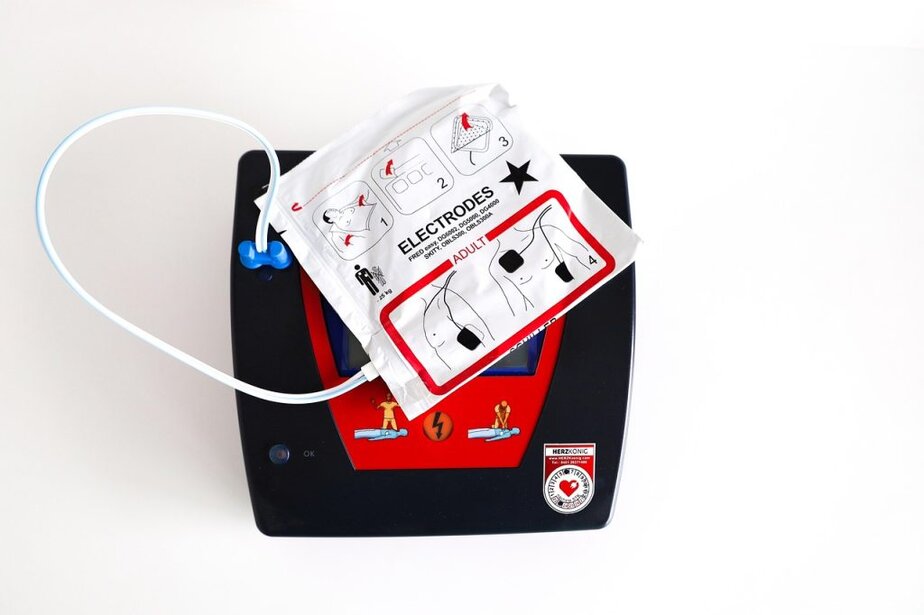
Photo by Tho-Ge via Pixabay
Understanding Smoke Inhalation
Smoke inhalation happens when someone breathes in harmful gases and particles produced by fire. These substances can irritate or damage the airways and lungs, causing difficulty breathing, coughing, or even loss of consciousness. In Australia, where bushfires are common, knowing how to respond correctly is essential for safety.
The effects of smoke inhalation may not always be obvious immediately, so staying alert to symptoms and acting quickly is important. Follow official advice from fire and health authorities during fire emergencies.
Downloadable A4 Checklist
Print this and keep it somewhere visible. Tick items as you go, it helps under pressure.
Smoke contains a complex mix of carbon monoxide, carbon dioxide, particulate matter, and other toxic compounds. Carbon monoxide is particularly dangerous because it binds with hemoglobin in the blood more effectively than oxygen, reducing the blood’s ability to carry oxygen to vital organs. This can lead to tissue damage and, in severe cases, death. Understanding these underlying dangers highlights why immediate action is crucial when smoke inhalation occurs.
Smoke Inhalation First Aid Steps
Ensure Your Own Safety First
Before helping someone affected by smoke inhalation, make sure you are in a safe environment. Do not enter hazardous areas without proper protection. If you are near a fire, move away from smoke and flames to fresh air immediately.
Your safety is paramount; rescuers who become victims themselves complicate emergency situations. If you have access to personal protective equipment such as masks designed to filter smoke or respirators, use them. If not, use a cloth to cover your nose and mouth when moving through smoky areas, but always prioritize exiting the danger zone as quickly as possible.
Remove the Person from Smoke Exposure
If it is safe, help the victim move to a well-ventilated area with fresh air. This reduces further inhalation of dangerous chemicals and particles. Avoid unnecessary movement if the person appears seriously injured.
When relocating the individual, be gentle and avoid jarring movements that could exacerbate other injuries. If the person is unconscious or semi-conscious, place them in the recovery position to maintain an open airway and prevent choking. This position involves lying the person on their side with the head tilted slightly back, which helps keep the airway clear.
Check Breathing and Responsiveness
Assess whether the person is breathing normally and responsive. Look for signs like chest rising and falling, normal skin colour, and ability to speak. If breathing is weak, irregular, or stopped, call emergency services immediately and be ready to begin CPR if trained.
In situations where the person is unconscious but breathing, continuous monitoring is essential until professional help arrives. If you are trained in CPR and the person stops breathing, commence chest compressions and rescue breaths as per standard guidelines. Early intervention can save lives and reduce the risk of brain damage caused by oxygen deprivation.
Provide Oxygen if Available
In some cases, administering oxygen can help. This should only be done if you have access to oxygen equipment and suitable training. Otherwise, encourage the person to breathe slowly and deeply in fresh air.
Oxygen therapy can counteract the effects of carbon monoxide poisoning and support lung function. However, improper use of oxygen equipment can cause harm, so only trained individuals should provide this treatment. If oxygen is not available, maintaining a calm environment to reduce the person’s oxygen demand is the best course of action.
Keep the Person Calm and Monitor Symptoms
Help the victim stay calm and still to reduce oxygen demand. Watch for worsening symptoms such as persistent coughing, wheezing, difficulty speaking, confusion, chest pain, or blue lips and fingers. These signs require urgent medical attention.
Anxiety and panic can increase breathing rate, which might worsen the condition by increasing the inhalation of harmful substances or promoting airway constriction. Gentle reassurance and a quiet setting can help reduce stress levels. Keep the person warm but avoid overheating, as excessive heat can increase metabolic demands.
Remember to call Triple Zero (000) in Australia to access emergency services without delay.
Recognising Signs and Symptoms
Not all smoke inhalation injuries look the same. Mild cases may cause coughing, throat irritation, or headaches. More serious cases might include difficulty breathing, confusion, loss of consciousness, or chest pain. Early recognition helps direct appropriate first aid steps and medical intervention.
If you suspect smoke inhalation, do not wait for symptoms to worsen. Get professional medical help as soon as possible. Even if symptoms seem mild, some effects can develop hours after exposure.
Additional symptoms to watch for include headaches, dizziness, nausea, and fatigue, which can indicate carbon monoxide poisoning. Skin redness or burns around the nose and mouth may suggest inhalation of hot gases. Being vigilant about these signs ensures timely response and reduces the risk of complications.
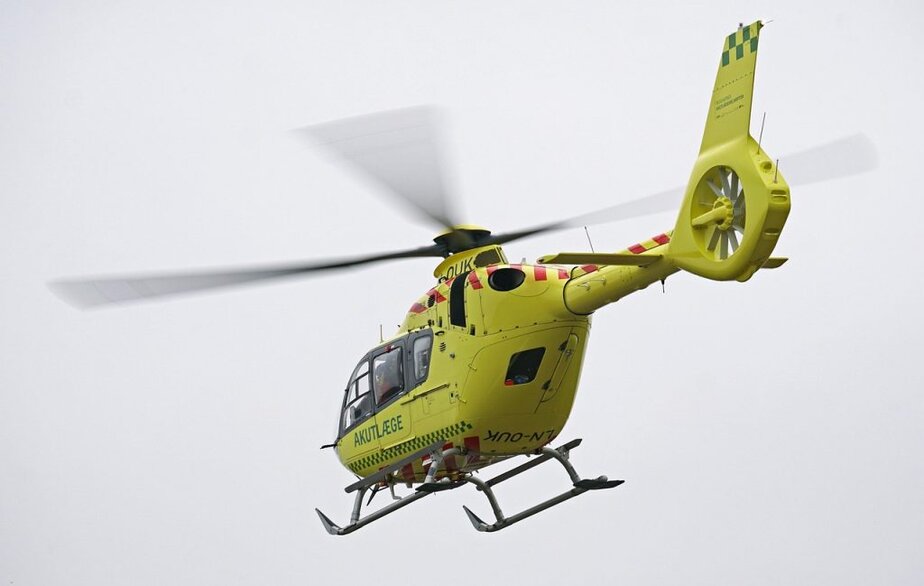
Photo by karsten_madsen via Pixabay
Photo by Tho-Ge via Pixabay
If You Only Do Five Things
First, protect yourself so you can help safely. Never enter smoke-filled areas without appropriate gear or training.
Second, get the affected person to fresh air immediately to stop further smoke exposure.
Third, check their breathing and responsiveness. If they are not breathing normally, call 000 and start CPR if you know how.
Fourth, keep them calm and still, reassuring them until emergency services arrive.
Fifth, monitor closely for any changes in their condition and relay all information to paramedics when they arrive.
Special Considerations for Children and Older Adults
Children and older people may be more vulnerable to smoke inhalation due to smaller airways and weaker immune systems. Their symptoms can appear more quickly and become severe. Provide gentle reassurance and prioritize getting medical help quickly for these groups.
Watch carefully for signs of distress and never assume mild symptoms are safe in these populations.
For infants and young children, be alert to unusual irritability, lethargy, or difficulty feeding, which may indicate respiratory distress. Older adults with pre-existing respiratory or cardiovascular conditions require urgent assessment, as smoke inhalation can exacerbate these illnesses rapidly.
Photo by karsten_madsen via Pixabay
Preventing Smoke Inhalation Injuries
The best way to avoid smoke inhalation injuries is to prevent exposure. Stay aware of fire warnings and follow local advice during bushfire seasons. Have escape plans ready and never re-enter smoky buildings or areas until authorities confirm they are safe.
Use smoke alarms and fire safety equipment in your home, and teach family members what to do in case of fire emergencies.
During fire events, keep windows and doors closed to minimize smoke infiltration indoors. If you must be outside, wearing a properly fitted face mask such as a P2 or N95 respirator can reduce inhalation of harmful particles. Additionally, creating a safe room in your home with minimal ventilation can provide temporary relief if trapped by smoke.
Aftercare and When to Seek Further Help
Even if the person recovers initially, smoke inhalation can cause delayed effects such as lung inflammation or infection. Follow up with a doctor or hospital for assessment if symptoms persist or worsen.
Do not ignore ongoing coughing, chest pain, or breathing difficulties. Professional medical care is vital for full recovery.
In some cases, secondary complications such as pneumonia or bronchitis may develop. Medical practitioners may recommend chest X-rays or pulmonary function tests to evaluate lung damage. Adhering to prescribed treatments and attending follow-up appointments can significantly improve long-term outcomes.
Stay Informed and Prepared
Regularly check official Australian fire and emergency services websites for updates during fire seasons. Sign up for alerts and learn local evacuation routes. Being prepared can save lives.
For more information on fire safety and first aid, visit government health sites and trusted organisations.
FireRescue Training Hub
Access practical fire and emergency study support resources, downloads, checklists, audio guides, and member-only course content.
- Course library
- PDF downloads
- Audio guides
- Checklists
Study support only. Not accredited training or a replacement for workplace procedures.
About the author and safety review
Ken Walker
Former Station Officer and fire service educator
Former career firefighter with extensive career and volunteer fire service experience.
Qualifications: Associate Diploma of Applied Science in Fire Technology; Institute of Fire Engineers studies.
Author profilehttps://www.firerescue.com.au/about-us/