Practical fire safety for everyday Australians
Key Takeaways
Fire situational awareness means understanding your environment, recognising risks early, and having a clear, practiced plan to respond safely.
Preparedness is about making practical arrangements: removing hazards, ensuring alarms and equipment work, and knowing your escape routes well.
Regular review and community engagement improve your fire plan’s effectiveness, helping you stay safe during emergencies.
Understanding Situational Awareness in Fire Safety
Situational awareness is the foundation of effective fire safety. It involves being alert to your surroundings so you can identify potential fire hazards and respond quickly. This applies to your home, workplace, and community.
What Does Situational Awareness Look Like?
It means noticing small signs, such as the smell of smoke, unusual heat, or visible sparks. It also involves understanding how weather conditions like drought and wind can increase fire risk, especially in bushfire-prone areas common across Australia.
Why Is It Important?
Early recognition of a fire or fire hazard gives you more time to act, whether that means safely evacuating or attempting to extinguish a small blaze. In Australia’s diverse landscapes, where bushfires and structural fires can escalate rapidly, this awareness can save lives.
Preparing Your Fire Plan: Step-By-Step Guide
Step 1: Assess Your Risks
Start by inspecting your property for common fire hazards. This includes checking for dry vegetation close to buildings, faulty electrical wiring, overloaded power outlets, and the presence of flammable materials like oily rags or paper clutter. If you live in bushfire-prone zones, consult your local council for specific advice and risk maps.
Step 2: Reduce Hazards
Remove leaves, branches, and rubbish from gutters and around your home. Create a defensible space by clearing at least several metres around buildings. Ensure outdoor grills or fire pits are used safely and never left unattended. Maintain electrical appliances and wiring to Australian safety standards, and don’t store flammable liquids indoors.
Step 3: Install and Maintain Detection Equipment
Smoke alarms are the most critical detection devices. Australian law requires smoke alarms in residential properties; ensure yours are installed on every level, especially near sleeping areas. Test alarms monthly and replace batteries yearly or as needed. Consider interconnected alarms so when one sounds, all activate.
Step 4: Plan and Practice Escape Routes
Designate at least two escape routes from every room, considering all household members or staff. Practice using these routes regularly, including at night and with impaired visibility (e.g., with eyes closed). Ensure exits are not blocked and are easily opened without keys or complex mechanisms.
Step 5: Prepare Emergency Supplies and Communication
Keep a fire extinguisher rated for multiple fire types (A, B, and E) easily accessible and ensure all occupants know how to use it. Store essential documents, a first-aid kit, water, a torch, and a battery-powered radio in a grab-and-go bag. Agree on a meeting point outside the danger zone and have contact details for emergency services saved on all phones.
Basic First Aid During Fire Emergencies
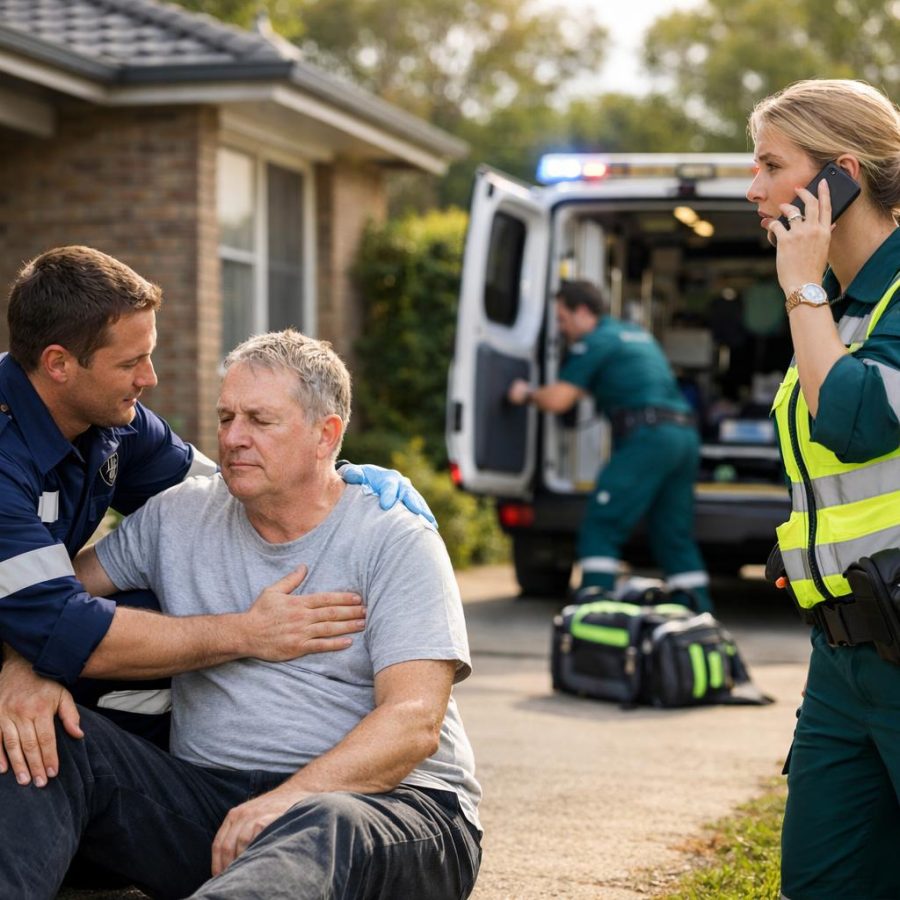
If someone suffers burns or smoke inhalation, respond calmly but urgently. For burns, cool the affected area with running water for at least 20 minutes and cover with a clean, non-fluffy cloth. Avoid breaking blisters or applying creams. If someone is unconscious or struggling to breathe, call emergency services immediately and begin CPR if trained.
Formal first-aid training is strongly encouraged for all Australians, especially those living or working in high-risk areas. Official advice from organisations like St John Ambulance or the Australian Red Cross provides detailed guidance beyond basic care.
Community and Workplace Fire Plan Considerations
In workplaces and shared buildings, fire plans must be communicated clearly to all occupants. Conduct regular drills and update fire safety information when conditions change. Coordinate with neighbours or local community groups to share information on fire risks, resources, and evacuation procedures.
If You Only Do Five Things
Identify and remove immediate fire hazards around your home or workplace; this reduces risk significantly.
Install and maintain smoke alarms, testing them regularly to ensure they’re fully operational.
Develop and practice at least two clear escape routes for every room and know your assembly point.
Prepare a small emergency kit including a fire extinguisher, first-aid supplies, torch, and important documents.
Stay aware of local fire warnings and weather conditions by monitoring official sources or apps during high-risk periods.

Final Thoughts
Fire safety is not just about equipment but about mindset and preparation. By cultivating strong situational awareness and developing a practical, well-practised fire plan, you improve your safety and that of those around you. Remember that fire risks can change with seasons and circumstances, so regular review and community cooperation enhance your readiness.
For more detailed, site-specific advice, consult your local fire authority or official Australian fire safety resources. Stay safe and prepared.
Enhancing Your Fire Plan with Prevention and Property Protection
An effective fire plan extends beyond immediate response to include prevention measures that protect your property and reduce the likelihood of fire ignition. Maintaining your property by regularly clearing debris, trimming overgrown foliage, and ensuring that gutters are free from leaves can significantly lower the risk of fire spreading. Using fire-resistant building materials where possible and installing sprinkler systems can provide an extra layer of defence, especially during peak fire seasons.
The Role of Sprinkler Systems and Fire Extinguishers
Sprinkler systems are an excellent investment for both homes and workplaces, as they can detect heat and automatically activate to suppress fires before they escalate. While sprinklers are more common in commercial settings, modern technology has made them accessible for residential properties as well. Complementing sprinklers, having the right type of fire extinguisher available is crucial. Ensure extinguishers are suitable for the types of fires that could occur in your environment, such as electrical or grease fires, and that they are regularly serviced and easily accessible.
Personal Protective Gear: Boots and Clothing
In a fire emergency, personal safety is paramount. If you find yourself in a situation where you must evacuate through smoke or flames, wearing sturdy boots can protect your feet from hot debris and sharp objects. Breathable, flame-resistant clothing is also beneficial, especially for those living in high-risk fire zones. Preparing such gear in advance as part of your survival plan can make a significant difference in your ability to move safely and comfortably during an evacuation.
Post-Fire Cleanup and Recovery
After a fire incident, cleanup and recovery are critical phases that require careful attention. It’s important to wait for the all-clear from fire authorities before entering affected areas. Wear protective clothing and gloves during cleanup to avoid injury from hot spots, sharp debris, or hazardous materials. Document damage thoroughly for insurance purposes and seek professional advice for structural repairs. Additionally, take steps to restore your property’s fire prevention measures, such as replacing damaged smoke alarms and clearing new debris to maintain a safe environment going forward.
Integrating Your Survival Plan into Daily Life
A survival plan is not just a document; it’s a living strategy that should be integrated into your daily routines. Regularly update your plan as circumstances change, such as when new family members or employees join, or when renovations alter your property layout. Practice drills should be conducted at least twice a year, and all residents or staff should be familiar with the location and use of fire extinguishers, first aid kits, and emergency exits. Staying informed about local fire risks through community alerts and weather updates ensures your plan remains relevant and actionable.
First Aid Preparedness: Beyond the Basics
First aid preparedness is an essential complement to your fire plan. Beyond treating burns and smoke inhalation, being trained in basic first aid enables you to manage injuries such as cuts, fractures, and shock that may occur during evacuation or firefighting efforts. Keep your first aid kit stocked with burn dressings, gloves, antiseptic wipes, and bandages. Consider attending refresher courses and encouraging others in your household or workplace to do the same, ensuring a coordinated and effective response in emergencies.
FireRescue Training Hub
Access practical fire and emergency study support resources, downloads, checklists, audio guides, and member-only course content.
- Course library
- PDF downloads
- Audio guides
- Checklists
Study support only. Not accredited training or a replacement for workplace procedures.
About the author and safety review
Ken Walker
Former Station Officer and fire service educator
Former career firefighter with extensive career and volunteer fire service experience.
Qualifications: Associate Diploma of Applied Science in Fire Technology; Institute of Fire Engineers studies.
Author profilehttps://www.firerescue.com.au/about-us/