Fire Safety & Training Essentials
Key Takeaways
Understanding fire safety and training is vital for protecting lives, property, and communities. Practical preparation combined with knowledge of Australian standards ensures that you can respond effectively in emergencies.
Regular training, both formal and informal, alongside clear emergency plans, makes the crucial difference when seconds count. Always prioritise prevention and keep equipment maintained.
Remember to encourage community involvement, stay up to date with local guidelines, and seek professional assistance for fire safety compliance and first aid training.
Understanding Fire Safety Basics
Fire safety is about preventing fires before they start and being ready to respond effectively if they do. In Australia, fire safety aligns with national and state regulations that set minimum requirements for fire alarms, extinguishers, and emergency plans. While compliance ensures legal safety standards, practical steps tailored to your environment provide added security.
Start by identifying potential fire hazards around your home, workplace, or community spaces. Common risks include faulty electrical wiring, flammable materials stored improperly, and unattended cooking or heating appliances. Simple risk reduction can prevent many incidents.
Additionally, consider the design and layout of your property to minimise fire spread. Factors such as the use of fire-resistant building materials, strategic placement of firebreaks, and accessibility for emergency services can significantly impact fire outcomes. Engaging with local fire authorities to understand specific risks in your area can provide valuable insights for tailored prevention strategies.
Know Your Fire Risks
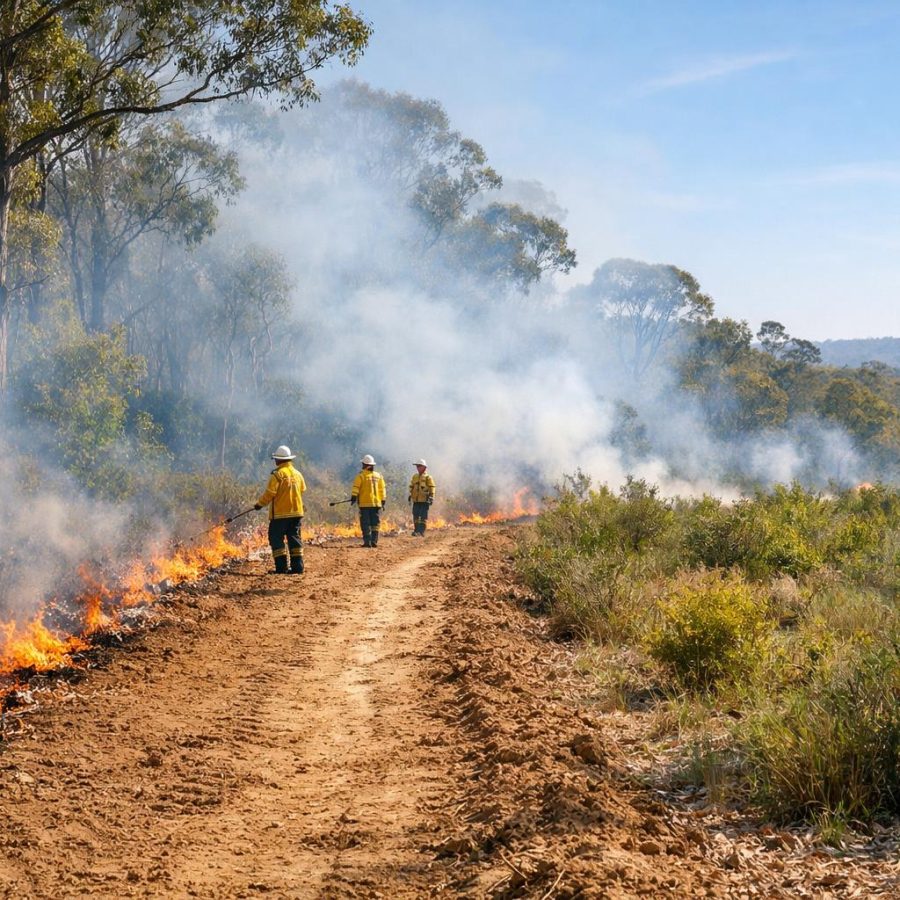
Consider your environment’s specific risks, such as bushfire-prone areas in Australia’s regional zones. Preparing for local conditions means understanding seasonal fire warnings, clearing vegetation, and maintaining defensible spaces around properties.
In urban settings, risks may differ, with factors like building density, infrastructure age, and access to water supplies influencing fire safety measures. Understanding these distinctions helps communities develop appropriate response plans. For instance, older buildings might require upgrades to electrical systems or additional fire detection devices to meet current safety standards.
Fire Prevention Measures
Regular maintenance of electrical systems, safe storage of fuels and chemicals, and strict no-smoking policies indoors dramatically reduce fire chances. Installing smoke alarms compliant with Australian standards and testing them monthly is critical for early warning.
Beyond these, implementing community-wide initiatives such as fire safety awareness campaigns and neighbourhood watch programs can help foster a culture of vigilance. Educating residents about simple habits, like properly extinguishing cigarettes and safely using outdoor BBQs, contributes significantly to prevention efforts.

Practical Fire Safety Training Steps
Training empowers individuals and communities to act confidently during fire emergencies. Fire safety training in Australia ranges from basic fire extinguisher use to comprehensive emergency response courses. Below is a practical approach to structuring your training efforts.
In addition to structured courses, fostering a mindset of continual learning and awareness is essential. Encourage community groups and workplaces to host regular refresher sessions and fire safety talks to keep knowledge current and top of mind. This ongoing engagement helps embed fire safety as a shared responsibility.
Step 1: Formal Fire Safety Courses
Register with recognised providers offering courses aligned with national competencies. These courses cover fire behaviour, extinguisher types, evacuation procedures, and emergency communication. Formal training is essential for workplace compliance and community volunteer brigades.
Such courses often include scenario-based learning, allowing participants to understand the dynamics of fire in different settings. This practical knowledge is invaluable when real emergencies arise, as it promotes quick thinking and appropriate responses tailored to the situation.
Step 2: Hands-On Practice
Regularly conduct fire drills and simulated extinguisher use to reinforce learning. Practical experience helps reduce panic and increases efficiency under stress. Involve family members or colleagues to ensure everyone is familiar with evacuation routes and assembly points.
Beyond drills, consider integrating technology such as virtual reality simulations to enhance understanding of fire scenarios in a controlled environment. This innovative approach can improve engagement and retention among participants, especially younger community members.
Step 3: First Aid Integration
Complement fire training with basic first aid knowledge, focusing on burns treatment, smoke inhalation management, and CPR. While first aid should always be delivered by trained professionals, learning initial steps can save lives before help arrives. Encourage formal first aid certification via recognised Australian providers.
Incorporating first aid skills into fire safety training promotes a holistic approach to emergency preparedness. Understanding how to assist injured persons safely and effectively is as important as fire suppression techniques. This dual focus strengthens community resilience and self-reliance.

Developing a Fire Emergency Plan
A clear, well-communicated emergency plan is a cornerstone of fire safety. This plan should be tailored to your household, workplace, or community group’s needs and regularly updated and practised.
Effective fire emergency plans also consider the integration of local emergency services and community support networks. Establishing communication protocols with fire brigades and neighbours can expedite assistance and resource sharing during an incident. This collaborative approach enhances overall safety and recovery.
Creating the Plan
Identify primary and secondary escape routes, safe meeting points outside the building, and designate roles such as who will assist children or people with mobility challenges. Document emergency contact numbers, including local fire services, medical assistance, and nearby neighbours.
Consider also the timing and means of alerting all occupants, including those with hearing or cognitive impairments. Using visual alarms, text alerts, or other adaptive technologies ensures inclusivity and effectiveness of the plan.
Communication and Drills
Ensure everyone involved understands the plan through regular discussions and practice drills. Use alarms and signals that everyone recognises and rehearses prompt evacuation. Highlight how to check doors for heat before opening and advise on safe assembly procedures.
>
Regular feedback sessions after drills can identify gaps or confusion, allowing for continuous improvement of the emergency plan. Encouraging open communication fosters confidence and reduces anxiety during actual emergencies.
Plan for Special Considerations
Include plans for pets, important documents, and critical equipment. Consider communication aids for people with hearing or vision impairments. Having a go-bag with essentials ready can improve safety during sudden evacuation scenarios.
Additionally, for workplaces and community centres, ensure that evacuation plans accommodate visitors and temporary occupants. Clearly display emergency instructions and ensure staff or volunteers are trained to assist unfamiliar individuals during evacuations.
Maintaining Fire Safety Equipment
Fire safety equipment must be regularly inspected and maintained to ensure it functions correctly when needed. Australian standards specify the types of extinguishers for various fire classes, the correct placement of smoke alarms, and signage for emergency exits.
Beyond physical maintenance, keeping a detailed log of inspections, servicing, and replacements supports compliance and accountability. This documentation can be critical during audits or insurance assessments and helps track the lifespan of equipment.
Smoke Alarms
Test smoke alarms monthly and replace batteries annually or as recommended. Replace smoke alarms every 10 years or earlier if faulty. Ensure alarms are installed in bedrooms, hallways, and other required locations following Australian guidelines.
Consider interconnected smoke alarms that link all units so that when one detects smoke, all sound an alarm. This feature is especially beneficial in larger homes or multi-level buildings, providing earlier warning to all occupants.
Fire Extinguishers
Check pressure gauges regularly, and arrange for professional servicing annually or as prescribed. Select extinguishers appropriate for the fire risks present, such as foam for flammable liquids or CO2 for electrical fires. Keep extinguishers accessible and clearly visible.
Training users on the correct extinguisher type and operation is essential. Misuse can be ineffective or dangerous. It is advisable to have clear signage indicating extinguisher locations and types to assist quick identification during emergencies.
Emergency Lighting and Signage
Maintain all emergency exit signs and lighting to remain operational during power outages. Regular testing helps guarantee safe evacuation during emergencies, especially in commercial or multi-occupant buildings.
Incorporating clear, universally recognised symbols and multilingual signage can enhance comprehension for diverse occupants and visitors. Emergency lighting should be checked to ensure brightness and duration meet safety standards, enabling safe navigation even in low visibility conditions.
If You Only Do Five Things for Fire Safety
First, install and regularly test smoke alarms throughout your home or workplace to ensure early detection.
Second, develop and practise a clear fire escape plan with everyone, including designated meeting spots outside the building.
Third, keep fire extinguishers accessible, ensure they are appropriate for your risks, and learn how to use them safely.
Fourth, attend formal fire safety and first aid training to build confidence and knowledge to react efficiently.
Fifth, eliminate common fire hazards like overloaded power points, unattended flames, and improper storage of flammable materials.
By consistently focusing on these five fundamental actions, individuals and communities can significantly reduce the risk and impact of fire incidents. Fire safety is an ongoing commitment that requires vigilance, education, and cooperation.
FireRescue Training Hub
Access practical fire and emergency study support resources, downloads, checklists, audio guides, and member-only course content.
- Course library
- PDF downloads
- Audio guides
- Checklists
Study support only. Not accredited training or a replacement for workplace procedures.
About the author and safety review
Ken Walker
Former Station Officer and fire service educator
Former career firefighter with extensive career and volunteer fire service experience.
Qualifications: Associate Diploma of Applied Science in Fire Technology; Institute of Fire Engineers studies.
Author profilehttps://www.firerescue.com.au/about-us/