Bushfire Survival: What to Do If You’re Trapped in Your Car
Imagine you’re on the road—maybe heading home from work, a family trip, or out with your crew during a fire callout—when you see thick smoke rolling over the horizon. Before you know it, the wind shifts, the fire front moves faster than you expect, and you find yourself trapped. Your car is your only shelter. What do you do?
This is a real scenario faced by everyday Australians—city drivers, families, bush travellers, even seasoned firefighters and emergency responders. Surviving a bushfire in your car is never ideal, but the right actions can mean the difference between life and tragedy. In this guide, you’ll learn exactly how to prepare, respond, and recover if you ever find yourself in this situation. We’ll break down clear steps, calm advice, and little-known tips for all situations—whether you’re driving to work, on a road trip, or out on the fireground. You’re not alone, and you can do this.
One thing you can pack now, before fire season even starts, is a large fire blanket for your car emergency kit. It takes up hardly any space and could be used to shield yourself, cover windows, or help protect your crew in an emergency.
What’s in this Guide:
- Understanding the Risk: Cars in a Bushfire
- Preparation: How to Set Up Your Car for Survival
- If You’re Caught: Step-by-Step Survival Actions
- Mistakes to Avoid
- For Firefighters & Emergency Crews
- Families, Pets, and Special Needs
- Recovery: What to Do After the Fire Front Passes
- Frequently Asked Questions
- Take Action: Next Steps for Safer Travel
Understanding the Risk: Cars in a Bushfire
Many people think their car will protect them from a bushfire—after all, it’s metal and glass, and you can shut yourself inside. But the reality is, cars are vulnerable. Heat, smoke, and flames can all find a way in. Tyres, plastics, and seals melt fast. Windows can shatter, especially if parked too close to bush or grass. Still, with quick thinking and the right steps, your car can provide vital shelter in those worst moments.
Over the years, firefighters and survivors have learned that the actions you take—even a minute or two before the fire hits—make all the difference. It’s not about being fearless. It’s about being prepared, staying calm, and knowing what to do when panic wants to take over.
Preparation: How to Set Up Your Car for Survival
Most of us don’t expect to drive into a fire. But in Australia, bushfire risk isn’t just for remote areas—major highways, suburban streets, and coastal roads can all be cut off quickly. Preparing your car in advance is like buying insurance you hope you never need. Here’s what works, whether you’re a family heading out for a holiday, a shift worker on rural roads, or a crew leader with a work ute.
Keep Your Car Maintained
Pack an Emergency Kit
Map Out Alternate Routes
Keep Windows Clean and Clear
Experienced crews always travel with a fire blanket, gloves, and a woollen blanket in their cab, plus a hi-vis vest and extra water. It’s not overkill—those simple items can save lives.
If You’re Caught: Step-by-Step Survival Actions
If you suddenly find yourself trapped by a bushfire in your car, don’t panic. The front usually passes within minutes. Your goal is to shelter, avoid heat and smoke, and survive until it’s safe to get out. Here’s exactly what to do, whether you’re solo, with family, or managing a crew vehicle.
Stop in a Clear Area
Shut All Windows and Vents
Shelter Low in the Car
Stay Inside Until the Front Passes
Check everyone for burns or breathing trouble. Don’t leave the car until it’s absolutely safe. Spot fires, falling branches, or powerlines are still dangerous. Call for help as soon as you can safely do so.
Mistakes to Avoid
Don’t run from your car unless you absolutely have no choice. Most people who die in car bushfire incidents are found outside, overcome by heat and smoke. Your car—even if it feels scary—is the best shelter you have.
Woollen blankets are far better than synthetics, which melt under heat. Even a big, damp towel is better than nothing if you don’t have a woollen one. Don’t waste precious seconds looking for the “perfect” cover—use what’s closest.
Other common mistakes include parking under trees, using your phone for non-essentials (save your battery), and leaving doors open while preparing. Shut everything tight before the fire gets close.
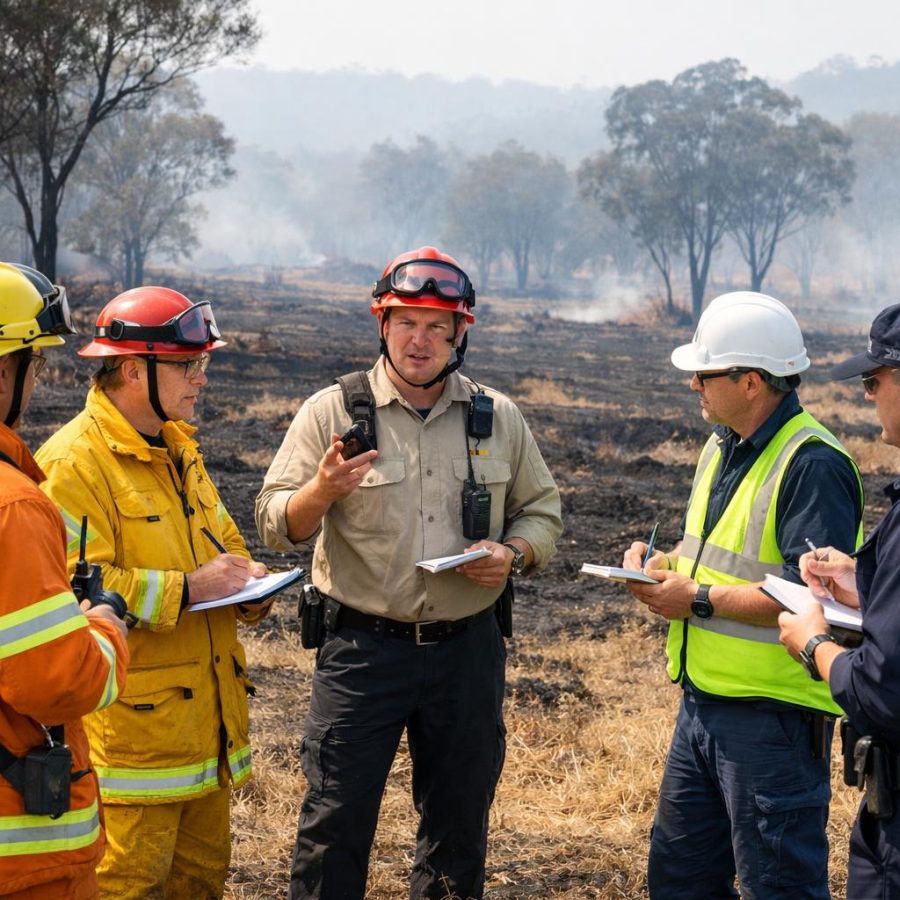
On the fireground, even experienced crews can get caught. Stick to your plan, communicate clearly, and never leave a team member behind.
For Firefighters & Emergency Crews
Being caught in a fire in a crew vehicle or appliance is terrifying, even for veterans. The pressure to act is high, but survival means following core drills—protecting yourself, your team, and your gear. If you’re a new volunteer, practise these steps with your team, and make sure everyone knows where emergency blankets and fire kits are stowed.
- Double-check all crew doors and windows before the fire front arrives.
- Issue clear “brace” instructions over comms. Assign a team member to confirm everyone is covered and on the floor if needed.
- Leave fire pumps running only if safe—otherwise, focus on personal survival.
- After the front passes, check on every member and conduct a quick gear check before moving out.
Families, Pets, and Special Needs
If you have children, elderly relatives, a disability, or pets with you, it’s even more important to prepare. Kids might panic or want to run; pets will be scared. Practise “hiding low and covering up” with your family during quieter times—just like you’d practise a house fire drill.
- Assign roles—older children can help cover younger siblings or hold a torch.
- Keep a carrier or harness for pets ready, so you’re not scrambling if you need to shelter quickly.
- If someone needs medication or oxygen, pack a spare in your car kit every summer.
Keep everyone calm by explaining the steps out loud as you do them: “We’re staying low. We’re covering up. We’re breathing slowly.” It’s reassuring, especially for kids and people who panic easily.
Recovery: What to Do After the Fire Front Passes
Surviving the fire front is only part of the journey. Once the worst has passed, take a moment to breathe and check on everyone. Listen for danger outside before opening doors—fire can reignite, and powerlines or trees may have fallen.
- Check for burns or injuries and give first aid as best you can.
- If you’re able, call Triple Zero (000) for help, even if you think someone else already has.
- Don’t try to drive away if the road is blocked or covered in burning debris. Stay put and wait for help.
- If you must leave, head to open ground, away from trees and structures, moving carefully and watching for hot spots.
If you’re a responder, check in with command and let them know your situation. Don’t be afraid to ask for medical support—even minor burns or smoke inhalation can turn serious hours later.
Practical Planning: Lessons Learned from Real Incidents
After years helping families and fire crews prepare for bushfire, one thing is clear—most people don’t plan for being caught in their car. Yet, every summer, people from all walks of life are trapped on country roads, suburban streets, or even within sight of their own driveway. Here’s what experience (and a few close calls) have taught us:
- Keep your emergency kit topped up. Don’t wait for the “big one”—smaller fires cut roads all the time.
- Practice the “stop, cover, shelter” drill with your family or team. Make it as normal as a seatbelt check.
- If you drive for work, talk to your employer about vehicle preparedness and safe work procedures during fire season.
- Add a “what if we’re caught?” chat to your family bushfire plan. If you don’t have a plan, see our easy bushfire emergency plan guide for help.
- If you travel with pets, have a simple evacuation checklist. See our pet evacuation tips for ideas.
For a printable version of these tips, check out our car bushfire survival checklist—it’s free and easy to keep in your glove box.
Frequently Asked Questions
Q: Is it safer to run or stay in my car?
Always stay in your car unless there’s truly no option. The metal shell protects you from direct flames and radiant heat. Running exposes you to deadly smoke and heat in seconds—even firefighters avoid leaving vehicles unless absolutely necessary.
Q: What if I have kids or pets with me?
Keep them low and covered, and talk through what’s happening. Hold them if possible. Bring pets onto the floor and use a towel or blanket to shield them, too. Planning ahead makes it easier when panic sets in.
Q: Do I need a woollen blanket, or will anything do?
Wool is best because it won’t melt and protects against heat. If you don’t have wool, a thick towel or a large fire blanket is your next best option.
Q: What should firefighters or crews do differently?
Practise vehicle shelter drills regularly. Assign roles and make sure every crew member knows where gear is. Never assume someone else has shut a door or window—double-check everything before bracing.
Q: Will my car explode in a bushfire?
It’s rare. Modern cars don’t “explode” like in the movies, but tyres, plastics, and fuel lines can catch alight if exposed to flames. Most survivors shelter inside and leave as soon as it’s safe after the front passes.
Take Action: Next Steps for Safer Travel
You don’t have to be a firefighter to prepare. Talk over these tips with your family, update your car kit, and save a copy of our car bushfire survival checklist. Share this guide with your mates, your workplace, or your brigade. A few small steps now can make all the difference if the day ever comes.
For more practical advice, see our guides on bushfire evacuation planning and making a family emergency plan.
FireRescue Training Hub
Access practical fire and emergency study support resources, downloads, checklists, audio guides, and member-only course content.
- Course library
- PDF downloads
- Audio guides
- Checklists
Study support only. Not accredited training or a replacement for workplace procedures.
About the author and safety review
Ken Walker
Former Station Officer and fire service educator
Former career firefighter with extensive career and volunteer fire service experience.
Qualifications: Associate Diploma of Applied Science in Fire Technology; Institute of Fire Engineers studies.
Author profilehttps://www.firerescue.com.au/about-us/