Part 5 of 8
Combat Wildfire — Briefings, Safety Zones, Tactics, Equipment and Fire Behaviour
Combat wildfire safely by starting with a clear briefing, confirming escape routes and safety zones, selecting suitable firefighting media and equipment, identifying hazards and acting on changing fire behaviour. This is the point where preparation becomes fireground action. However, the work must still stay controlled, purposeful and linked to the wider operational plan.
Part 5 refresher progress
Mark each section as refreshed while you work through the wildfire combat process.
By the end of Part 5, you should be able to:
Explain why a briefing must include the area of operations, strategies and tactics to be used.
Describe why escape routes and safety zones must be confirmed and communicated.
Recognise the role of firefighting media, equipment, hazard control and fireground tactics.
Understand how fuel, weather and topography help crews anticipate changing wildfire behaviour.
Receive the briefing before wildfire combat begins
A crew receives a briefing that includes the area of operations, the strategies in use and the tactics to be employed.
The briefing gives the work its purpose
A clear briefing helps crews combat wildfire safely because it connects individual action to the wider incident plan. Before active suppression work begins, the crew needs to understand where it will work, what objective supports the response and what approach has been selected.
The course identifies three briefing essentials: the area of operations, the strategies being used and the tactics to be employed. These details guide action. They also reduce guesswork. Therefore, a crew member should listen carefully, confirm unclear points and carry the briefing into the work area.
Strategy and tactics are not the same thing
A strategy describes the broader approach to the wildfire problem. A tactic describes how that approach is carried out on the ground. For example, the knowledge evidence identifies offensive strategies such as direct attack, indirect attack, parallel attack and combined attack. It also identifies defensive strategies such as community and asset protection.
The course also lists tactics such as back burning and burning out, control line construction by hand or machine, direct suppression and extinguishment. A crew member may not choose the overall strategy. However, the crew must understand the assigned approach well enough to support it safely and effectively.
A strong briefing supports safer action
Briefings help people work together. They also help crews recognise how their task fits with nearby teams, supervisors and the broader fire control effort. As a result, the briefing should never be treated as a formality. It is the operational starting point for controlled wildfire combat.
A crew that understands the briefing is better prepared to act with purpose, report clearly and avoid drifting away from the plan.
Confirm escape routes and safety zones
Escape routes and safety zones are confirmed and communicated to personnel before and during wildfire combat.
Escape routes support safe withdrawal
To combat wildfire safely, crews need to know how they can move away from danger if conditions change. The course requires escape routes to be confirmed and communicated. This gives crews a shared understanding before active work develops.
The knowledge evidence lists prepared tracks, roads, trails and waterways as examples of escape routes. The key lesson is not to memorise a list alone. Instead, crews should understand that safe movement away from danger must be considered in relation to the assigned work area.
Safety zones provide a recognised refuge option
Safety zones also need to be confirmed and communicated. The course names examples such as bare ground, burnt areas, clearings, rivers, sites of recent wildfire or prescribed burns and static water bodies. These examples show that a safety zone is connected to the landscape and the incident setting.
A safety zone is not useful if personnel do not know where it is. Therefore, communication matters. Crews should understand the confirmed locations and carry that awareness into their work. This supports risk awareness throughout the operation.
Confirmation must stay active
Wildfire conditions can change. As a result, escape routes and safety zones should remain part of active crew awareness. Part 5 focuses on the initial confirmation and communication requirement. Later, crews continue to consider changing fire behaviour and act to preserve safety and objectives.
Escape routes and safety zones only protect crews when they are confirmed, communicated and kept in mind while the work continues.
Escape routes
Prepared tracks, roads, trails and waterways may support safe withdrawal planning.
Safety zones
Bare ground, burnt areas, clearings, rivers, recent burn areas and static water bodies may be considered.
Communication
Personnel need to know what has been confirmed before they rely on it.
Best practice
Confirm escape routes and safety zones early, then keep them active in crew awareness as the work develops.
Common mistake
Assuming everyone already knows the same escape route or safety zone without clear communication.
Select firefighting media and equipment, then reduce hazards
Firefighting media and equipment are selected and used in accordance with organisational procedures, while fire hazards are identified and action is taken to minimise injury risks.
Equipment must match the assigned work
Firefighting media and equipment are central to wildfire suppression. However, the course makes the standard clear. They are selected and used in accordance with organisational procedures. This means equipment choice must support the task and follow the approved operating approach.
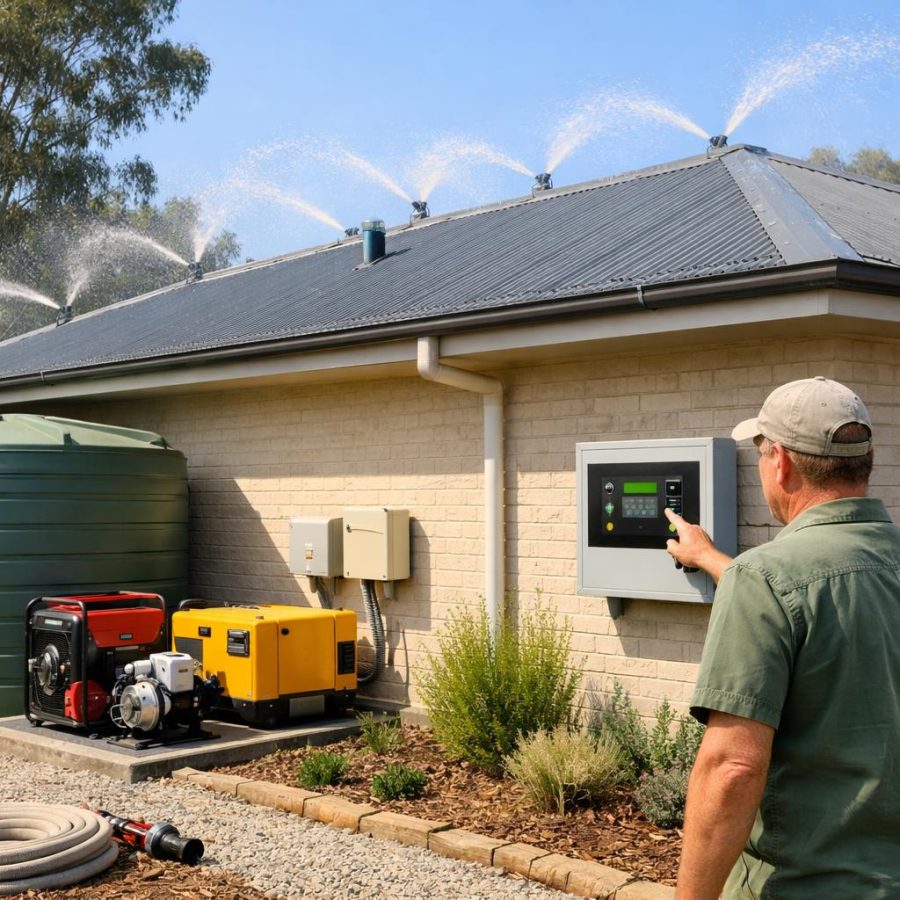
The knowledge evidence identifies media and equipment for firefighting as core knowledge. It also identifies tasks such as applying firefighting media, constructing control lines, mopping up and patrol. In Part 5, the main lesson is simple: wildfire combat requires the right operational tools, used in the right way.
Hazards must be identified, not ignored
Crews also identify fire hazards and take action to minimise the risk of injury to the public, personnel and themselves. This requirement keeps safety embedded inside active suppression work. The crew does not focus only on flame control. It also watches for hazards that could injure people.
The course knowledge evidence identifies fireground hazards and WHS/OHS risk mitigation. It also mentions safety near vehicles and machines. Therefore, the combat phase should always include active hazard awareness. If conditions or hazards change, the crew needs to recognise that change and act through the proper operational process.
Suppression and safety work together
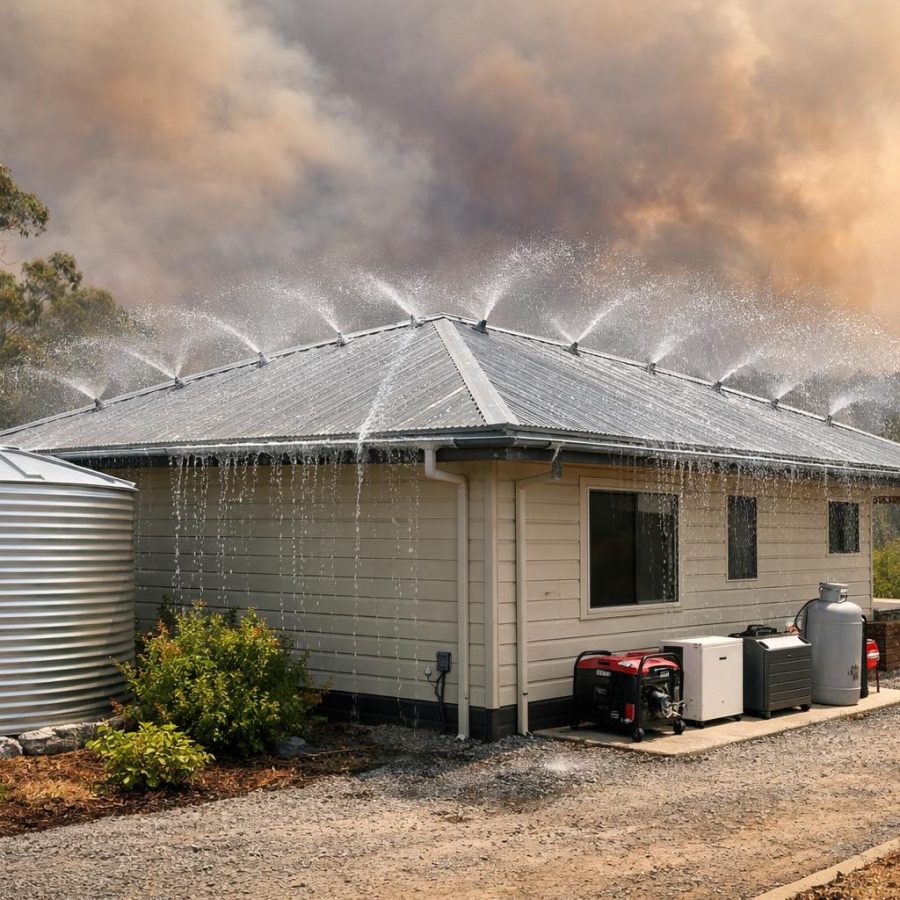
Good fireground action is not reckless. It is deliberate. Crews select suitable media and equipment, apply their task properly and reduce unnecessary risk. As a result, suppression work becomes more controlled and more aligned with the wider incident objective.
Firefighting equipment supports the task. Hazard control protects the people doing the task.
Implement firefighting strategies and tactics with purpose
Firefighting strategies and tactics are implemented to achieve objectives and minimise overall damage and impact on assets and the environment.
Action must achieve the objective
To combat wildfire safely, crews need more than effort. They need action that supports the chosen objective. The course requires strategies and tactics to be implemented in a way that achieves objectives and reduces overall damage and impact.
This wording matters. Wildfire work is not judged only by activity. It is judged by whether the activity contributes to the operational purpose. Therefore, crews should stay focused on the assigned strategy and tactic rather than acting in ways that look busy but do not help the plan.
Strategies organise the broader response
The knowledge evidence names several firefighting strategies. Offensive strategies include direct attack, indirect attack, parallel attack and combined attack. Defensive strategies include community and asset protection. These categories help show that wildfire operations can pursue different forms of control depending on the incident picture and direction received.
Tactics put the strategy into action
The course lists tactics such as back burning and burning out, control line construction by hand and machine, direct suppression and extinguishment. These are practical ways to carry out the assigned approach. Again, the crew member does not invent the strategy on the spot. The role is to implement the chosen tactic safely and effectively within direction.
Minimise damage where possible
The course also links tactics to damage reduction. Actions should minimise overall damage and impact on assets and the environment. This is important because wildfire response is not only about fire control. It is also about controlling the wider consequences of the work where practical.
Good tactics support the objective, fit the briefing and minimise avoidable damage to assets and the environment.
Strategy and tactics refresher
Read fuels, weather and topography to anticipate fire behaviour
Fuel, weather and topographical factors are observed so potential wildfire behaviour can be anticipated and acted upon to support safety.
Fire behaviour awareness supports safer decisions
Fire behaviour awareness is essential when crews combat wildfire safely. The course requires crews to observe fuel, weather and topographical factors. They then anticipate potential wildfire behaviour and act on that understanding to support safety.
This creates a clear sequence. First, observe the conditions. Next, consider what those conditions may mean. Then, act in a way that protects safety and supports the objective. The crew should not wait passively for conditions to become obvious. It must remain aware while the operation continues.
Fuel, weather and terrain all matter
The knowledge evidence expands this area. It refers to fuel types, fuel load and arrangement, topographical factors and weather factors that influence fire development. It also refers to spotting, flame height and intensity, rate of spread, terrain-driven change, topography, weather changes, winds and fire winds.
This does not mean every crew member predicts the fire alone. Instead, it means the crew watches the conditions that influence behaviour and recognises when the fire may become more dangerous or less predictable. That awareness supports safer action and clearer reporting.
Anticipation is part of disciplined wildfire combat
The course specifically requires potential fire behaviour to be anticipated and acted upon. This is practical. A crew that notices changing conditions early is better placed to preserve safety, support the plan and avoid being caught by a shift it failed to consider.
Part 6 will build on this through communication, reports and continued operational control. For now, Part 5 establishes the fire behaviour habit itself: observe, anticipate and act.
Observe fuel
Fuel type, load and arrangement help shape how the fire may develop.
Observe weather
Weather changes, winds and fire winds may influence fire development.
Observe topography
Terrain and topographical change can affect how the wildfire behaves.
Best practice
Keep asking what the fuel, weather and terrain suggest about likely fire behaviour.
Common mistake
Focusing so tightly on the immediate task that changes in fire behaviour are noticed too late.
WILDFIRE READY focus: F
Part 5 activates the letter F in the WILDFIRE READY Cycle: Fight the wildfire using tactics, media, equipment and safe work practices.
Follow the briefing
Understand the area of operations, the strategy being used and the tactics assigned to the crew.
Fix safety foundations
Confirm and communicate escape routes and safety zones before the operation develops further.
Fight with awareness
Use equipment properly, reduce hazards, apply tactics and act on changing wildfire behaviour.
Part 5 is the core combat lesson in the Suppress wildfire series. It brings together briefings, safety foundations, equipment, hazard control, tactics and fire behaviour awareness. These parts work together. If one is weak, the whole fireground task becomes harder to manage.
The goal is not simply to act. The goal is to act with purpose. Crews combat wildfire safely when they follow direction, understand the operational approach, protect escape options, use equipment correctly, reduce hazards and remain alert to changing conditions.
Scenario: The crew is assigned to active wildfire combat
The crew has arrived and receives its fireground task. Which action best matches the Part 5 combat wildfire process?
1. What must the briefing include before wildfire combat begins?
2. What must be confirmed and communicated to personnel?
3. Which factors are observed to anticipate potential wildfire behaviour?
Say the Part 5 sequence out loud
Use this quick drill to reinforce the combat wildfire process before moving into Part 6.
- Receive the briefing on the area of operations, strategies and tactics.
- Confirm and communicate escape routes and safety zones.
- Select and use firefighting media and equipment according to procedure.
- Identify fire hazards and reduce injury risks to the public, personnel and self.
- Implement firefighting strategies and tactics to achieve objectives.
- Minimise overall damage and impact on assets and the environment.
- Observe fuel, weather and topography.
- Anticipate potential wildfire behaviour and act to support safety.
FireRescue Training Hub
Access practical fire and emergency study support resources, downloads, checklists, audio guides, and member-only course content.
- Course library
- PDF downloads
- Audio guides
- Checklists
Study support only. Not accredited training or a replacement for workplace procedures.
About the author and safety review
Ken Walker
Former Station Officer and fire service educator
Former career firefighter with extensive career and volunteer fire service experience.
Qualifications: Associate Diploma of Applied Science in Fire Technology; Institute of Fire Engineers studies.
Author profilehttps://www.firerescue.com.au/about-us/