
Practical Australian bushfire preparation, BAL assessment, wildfire behaviour, warnings and property readiness.
104 guides and training resources in this topic.
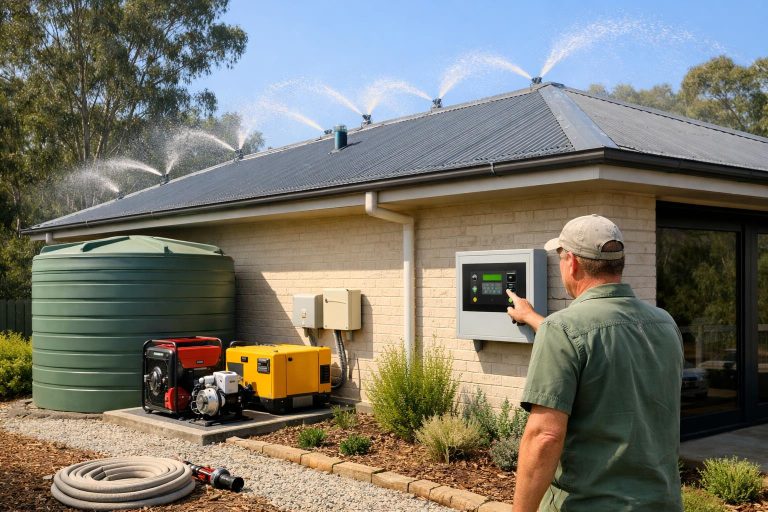
Integrated Residential Bushfire Protection System Part 20: What Could Go Wrong?
A bushfire protection system is only as strong as its weakest failure point. This part explains how faults can combine, what they can cause,…
Read guide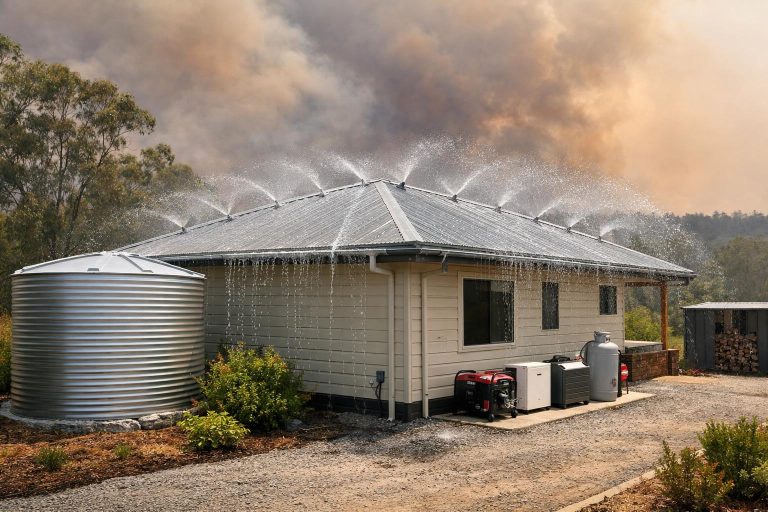
Integrated Residential Bushfire Protection System Part 19: Catastrophic Days — People Leave, the House Stays
Catastrophic Fire Danger changes the rules: people leave early, and the house continues protecting itself in an unattended mode. This part explains how the…
Read guide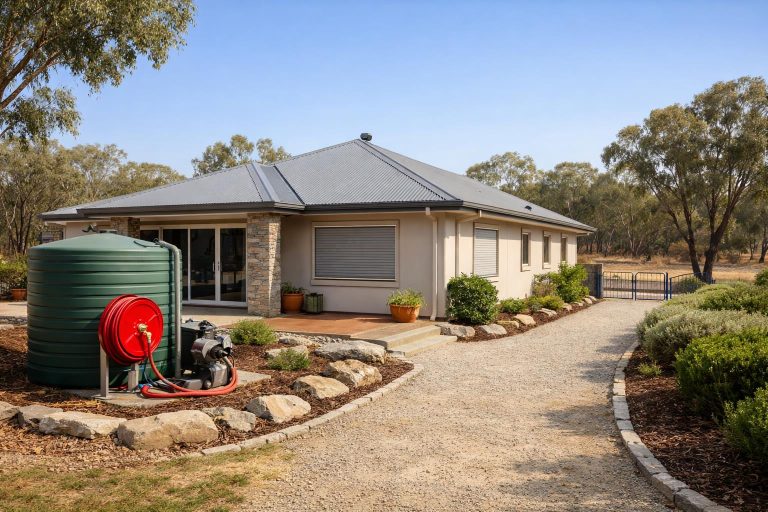
Integrated Residential Bushfire Protection System Part 18: Extreme Fire Mode and Occupant Protection
Extreme Fire Mode is the shelter-in-place phase of the Integrated Residential Bushfire Protection System. It explains when residents may remain inside, when to prepare…
Read guide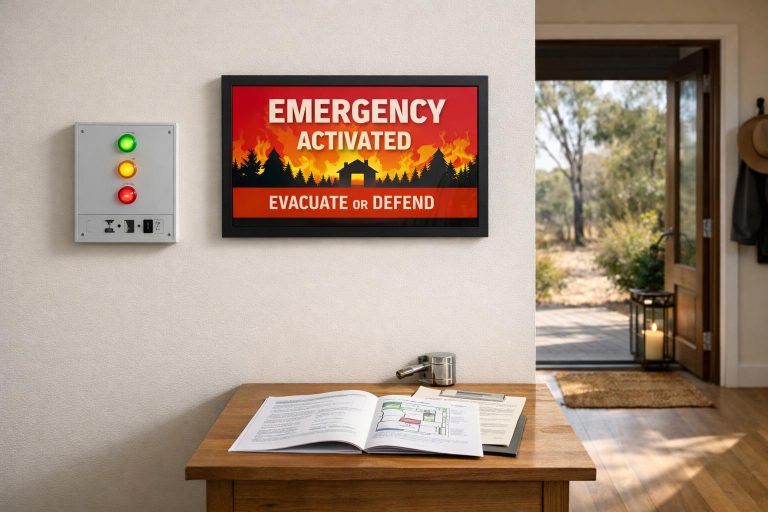
Integrated Residential Bushfire Protection System Part 17: Making Bushfire Protection Simple for Ordinary People
Part 17 explains how an integrated residential bushfire protection system can stay powerful behind the scenes while remaining simple, clear and safe for ordinary…
Read guide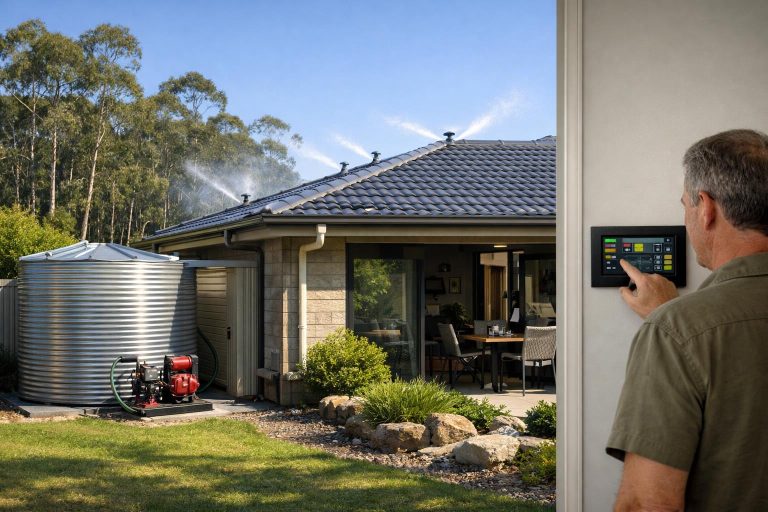
Integrated Residential Bushfire Protection System Part 16: Automatic Testing and Maintenance
Automatic testing and plain-English maintenance help keep an integrated residential bushfire protection system ready without relying on memory. Part 16 explains health checks, wet…
Read guide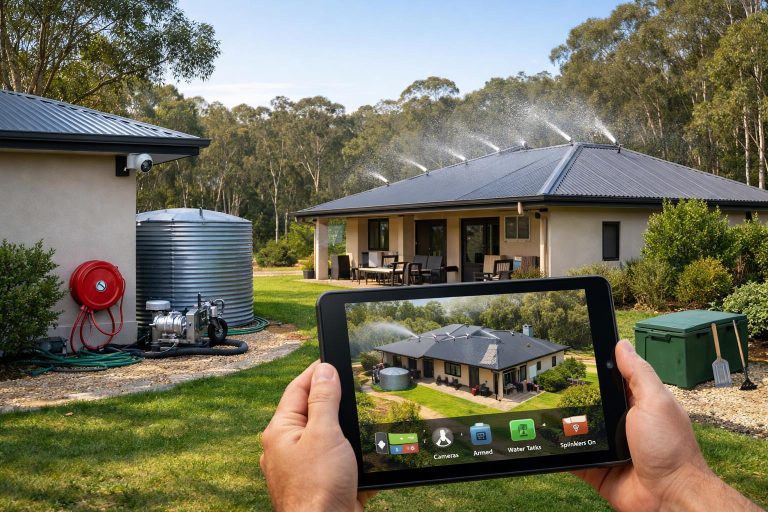
Integrated Residential Bushfire Protection System Part 14: Cameras, Mobile Alerts and Remote Control
Cameras, mobile alerts and remote control can greatly improve awareness in a residential bushfire protection system, but they must never replace local automatic protection.…
Read guide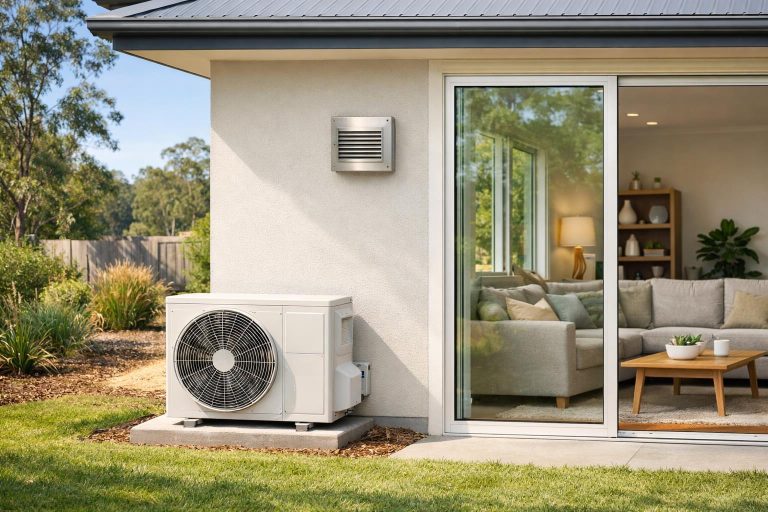
Integrated Residential Bushfire Protection System Part 13: Positive Pressure and Indoor Air Protection
A simple bushfire air-protection system can help keep indoor air safer by using normal reverse-cycle air-conditioning, filtered outside air and automatic pressure control. This…
Read guide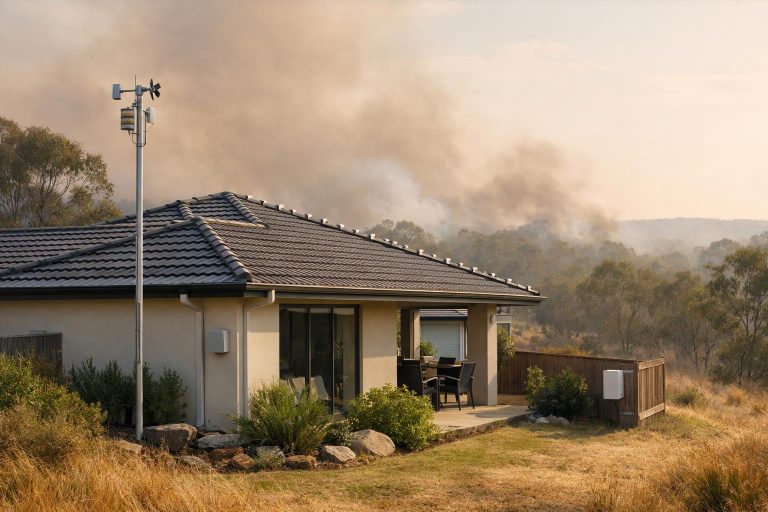
integrated Residential Bushfire Protection System Part 10: Smoke, Heat and Local Weather Detection
Local smoke, heat and weather sensing can give a residential bushfire protection system precious minutes of warning before flames arrive. The aim is early…
Read guide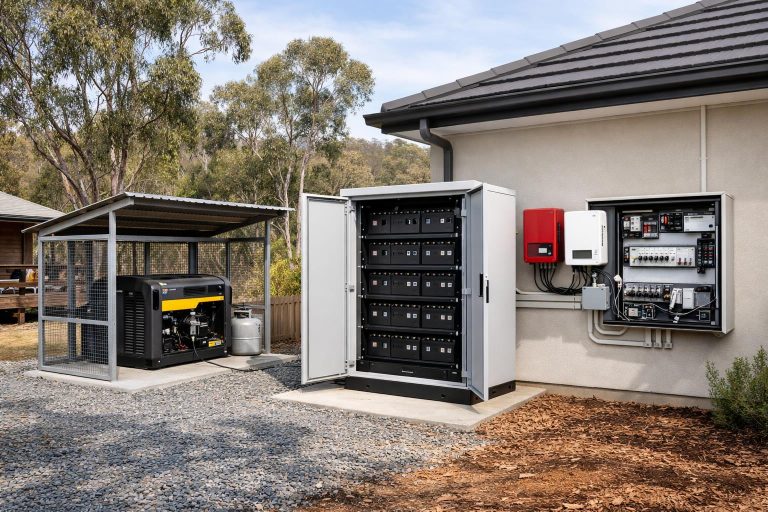
Integrated Residential Bushfire Protection System Part 12: Keeping the System Alive During a Blackout
A bushfire protection system must keep working when mains power fails. This part explains practical backup power design using battery support, automatic generator start,…
Read guide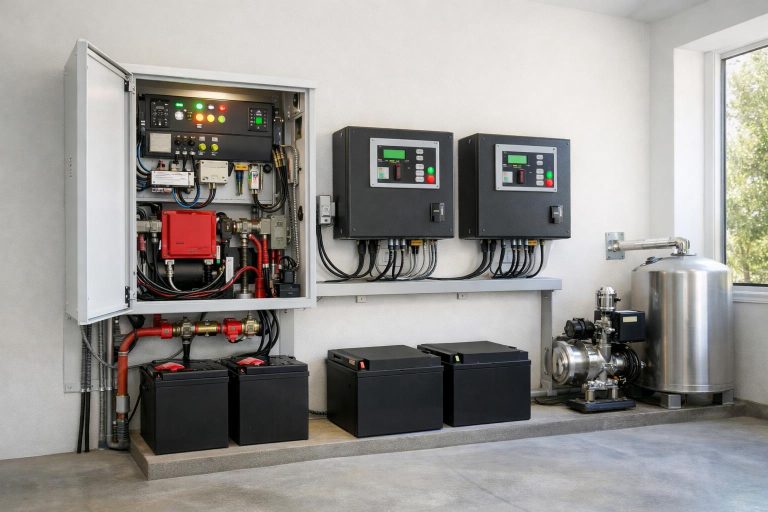
Integrated Residential Bushfire Protection System Part 11: Automatic Control and Redundancy
Part 11 explains why automatic control and redundancy are only effective when the backup controller is truly independent. If one controller fails, the other…
Read guide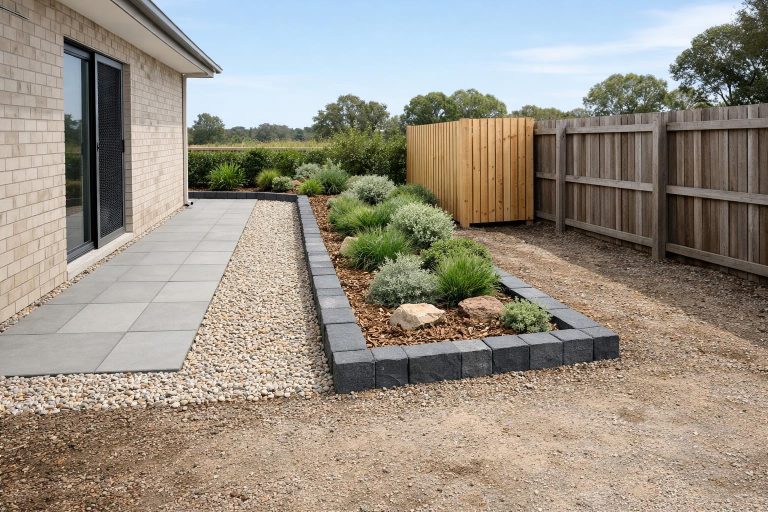
Integrated Residential Bushfire Protection System Part 9: Protecting the Ground Around the House
Protect the first few metres around the house so ember attacks, burning mulch and fence fires do not become a direct path into the…
Read guide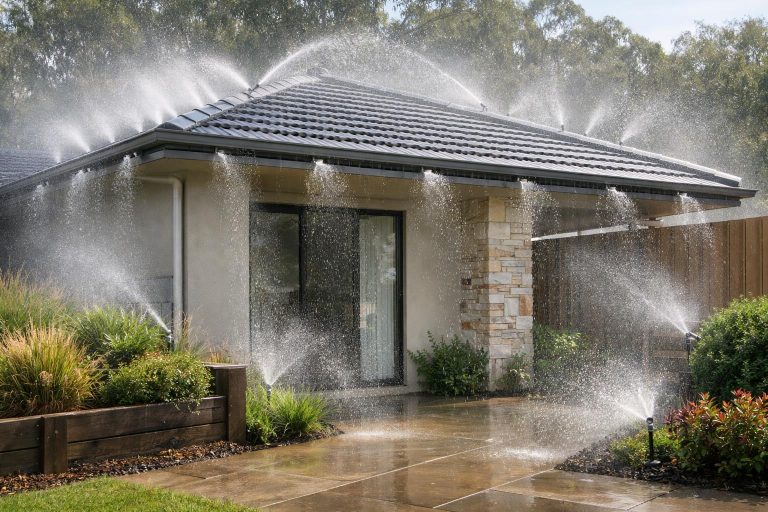
Integrated Residential Bushfire Protection System Part 8: Smart Zoned Bushfire Sprinklers
Smart bushfire sprinkler zoning helps homeowners direct limited water to the parts of a house under the greatest threat, rather than wasting capacity by…
Read guide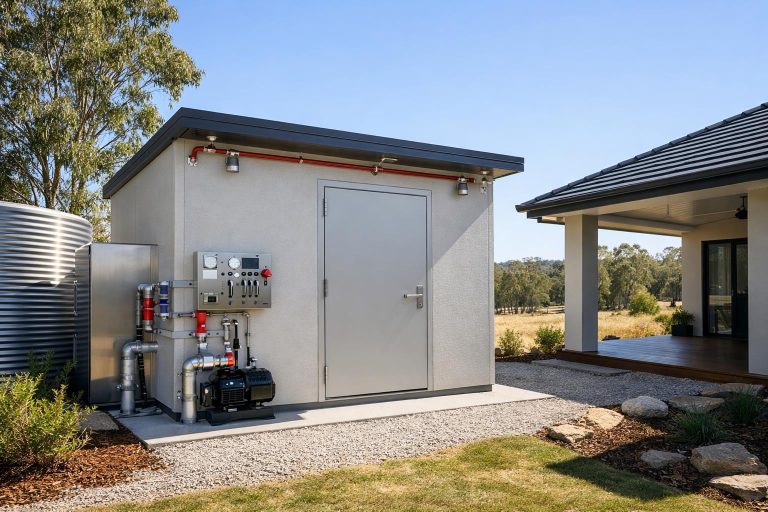
Integrated Residential Bushfire Protection System Part 7: Pumps and the Protected Plant Room
The firefighting pumps and protected plant room are the heart of an active bushfire protection system. This part explains how to build real redundancy,…
Read guide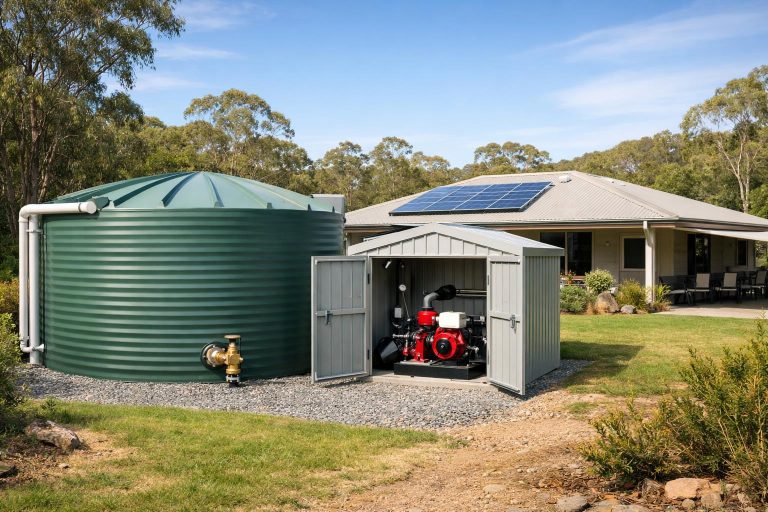
Integrated Residential Bushfire Protection System Part 6: The Dedicated Bushfire Water Supply
A dedicated bushfire water supply is only useful if it can deliver the right flow, pressure and runtime when mains water fails. This part…
Read guide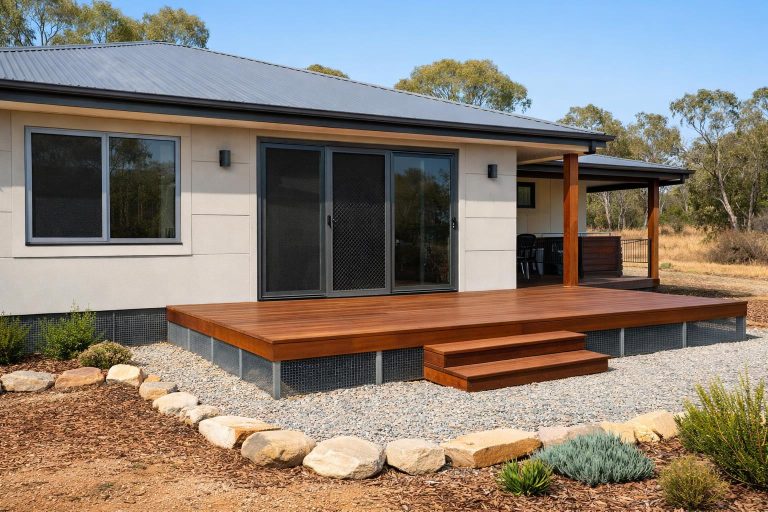
Integrated Residential Bushfire Protection System Part 5: Windows, Doors, Decks and Underfloor Areas
Windows, doors, decks and underfloor areas are common bushfire weak points because ember attack and small external fires can spread into the main structure.…
Read guide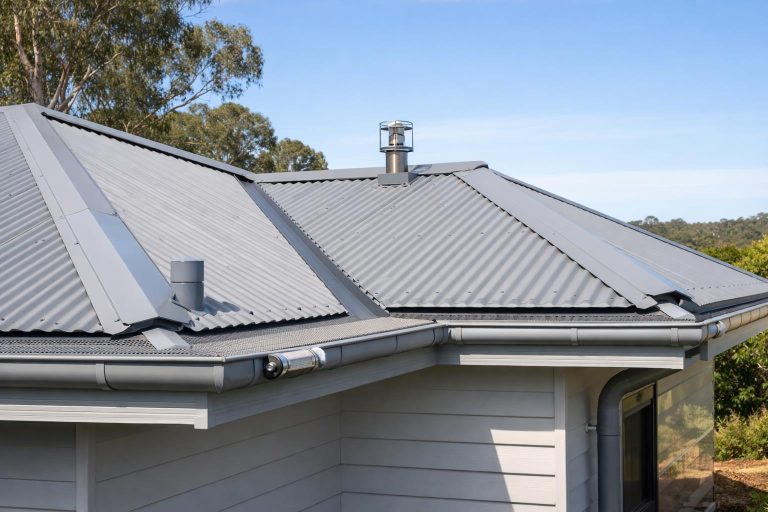
Integrated Residential Bushfire Protection System Part 4: Roof and Gutter Protection
Roof and gutter protection should focus on where embers are most likely to collect: gutters, roof valleys, roof edges and vulnerable junctions. The aim…
Read guide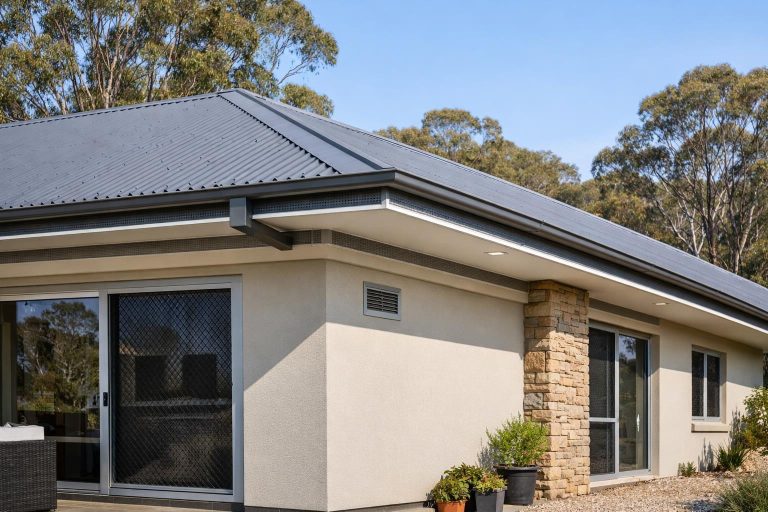
Integrated Residential Bushfire Protection System Part 3: Making the House Ember Resistant
The most effective ember protection is built into the house, not left to last-minute action. Learn how to design and retrofit homes to reduce…
Read guide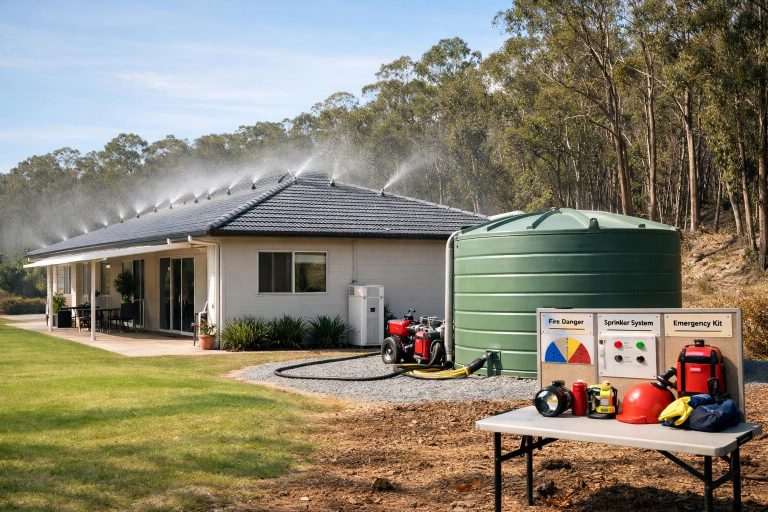
Integrated Residential Bushfire Protection System Part 2: How the Basic System Architecture Works
This article explains the overall architecture of an Integrated Residential Bushfire Protection System in simple terms. It shows how the system detects danger, makes…
Read guideFireRescue Training Hub
Access practical fire and emergency study support resources, downloads, checklists, audio guides, and member-only course content.
- Course library
- PDF downloads
- Audio guides
- Checklists
Study support only. Not accredited training or a replacement for workplace procedures.
About the author and safety review
Ken Walker
Former Station Officer and fire service educator
Former career firefighter with extensive career and volunteer fire service experience.
Qualifications: Associate Diploma of Applied Science in Fire Technology; Institute of Fire Engineers studies.
Author profilehttps://www.firerescue.com.au/about-us/