Community Safety & Preparedness
Key takeaways
Fire Rescue Victoria (FRV) prioritises comprehensive emergency planning, particularly through pre-incident plans (PIPs) tailored for high-risk sites involving hazardous materials.
FRV encourages residents to develop clear, practiced home fire escape plans and stay informed via official emergency warning systems like VicEmergency.
Effective collaboration between industry, emergency services, and communities is essential to mitigate risks and improve <a href="https://www.firerescue.com.au/building-a-resilient-australia-advancing-emergency-readiness-in-2026/”>response outcomes.

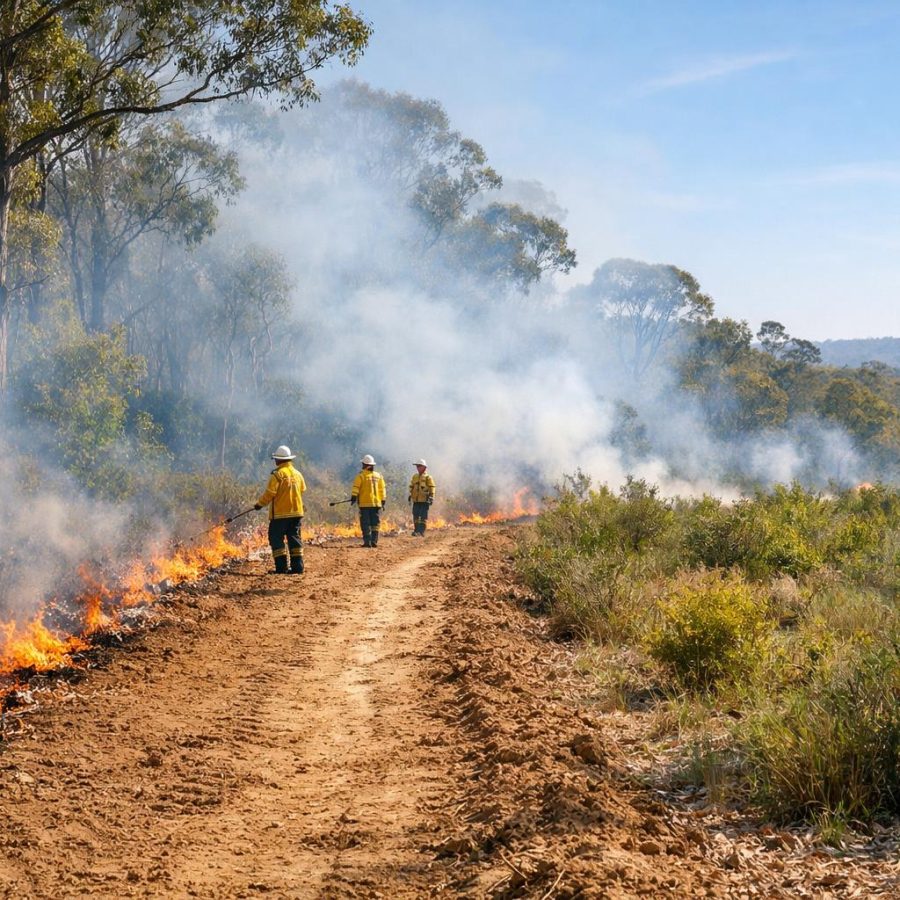
Photo by Firmbee via Pixabay
Background and context
Fire Rescue Victoria (FRV) plays a vital role in safeguarding communities across Victoria by preparing for emergencies involving fires, hazardous materials, and other threats. A cornerstone of their strategy is the development of pre-incident plans (PIPs) specifically designed for major hazard facilities and dangerous goods sites. These sites pose unique challenges due to the presence of hazardous materials, which can escalate emergencies rapidly and require specialised response tactics.
The guidelines for these PIPs are clearly outlined in FRV’s official document, <a style="color: #b03a3a; text-decoration: none; font-weight: 600;" href="https://www.frv.vic.gov.au/sites/default/files/2024-02/FRV-Fire-Safety-Guideline-GL-52-The-development-of-pre-incident-plans-for-major-hazard-facilities-and-dangerous-goods-sites.pdf?utm_source=openai”>The development of pre-incident plans for major hazard facilities and dangerous goods sites. This framework ensures that emergency responders have access to detailed, site-specific information before an incident occurs, enabling faster, safer, and more effective intervention.
The role of pre-incident plans in emergency response
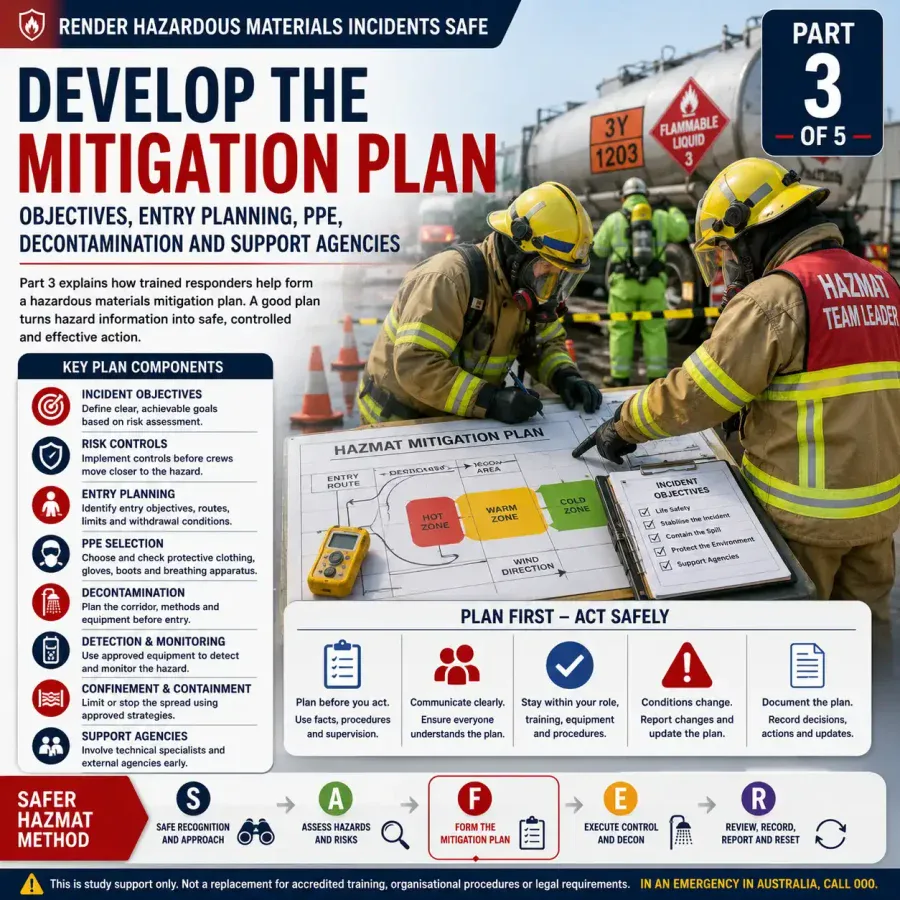
Pre-incident plans are comprehensive documents that gather critical information about high-risk sites, including layouts, hazardous substances stored, safety systems in place, and contact details for site managers. This intelligence is indispensable during an emergency, as it helps FRV crews anticipate hazards, plan containment strategies, and coordinate with other emergency services.
The structured approach to PIPs also fosters collaboration between facility operators and emergency services, ensuring that safety protocols align and that contingencies for worst-case scenarios are well understood. Such coordination can significantly reduce response times and improve outcomes for both responders and the surrounding community.
<a href="https://www.firerescue.com.au/mastering-search-and-rescue-operations-for-effective-firefighting-response/”>Firefighter pumps and hoses are critical assets deployed during these emergencies, and having detailed PIPs enables crews to determine the optimal placement and use of such equipment. This ensures that firefighters can effectively control fires and hazardous material releases before they escalate, minimising damage and risk to human life.
Moreover, FRV’s coordination with other emergency services such as the Country Fire Authority (CFA), State Emergency Service (SES), and Metropolitan Fire Service (MFS) enhances the overall emergency response. Each agency brings specialised skills and resources to the table, which is vital for managing different types of fires and incidents. For example, while FRV focuses on urban fire rescue and hazardous materials, CFA often leads rural and bushfire responses, and SES provides critical support during evacuations, floods, and other natural disasters. This multi-agency collaboration is embedded within PIPs to streamline communication and operational efficiency.
Community preparedness and home fire escape planning
While industrial sites require specialised emergency planning, FRV also stresses the importance of individual and household preparedness. Home fire escape planning is a simple yet powerful tool to increase survival chances in the event of a fire. Residents are urged to create and regularly rehearse an escape plan, ensuring that all household members know two ways out of every room and have a clearly designated meeting point outside.
FRV’s advice includes keeping exit paths clear, checking smoke alarms regularly, and discussing fire safety openly with family members. These steps help reduce panic and confusion during an emergency, making escape safer and more efficient. More detailed guidance is available via FRV’s home fire escape planning resources at their official site.
In addition to physical preparedness, FRV recognises the importance of mental health first aid during emergencies. Firefighters and first responders are increasingly trained to provide first aid for mental health, helping community members cope with the trauma and stress that often accompany fire emergencies. This holistic approach supports community recovery by addressing both physical safety and psychological wellbeing.

Another critical aspect of community preparedness is understanding the different types of fires that can occur, such as structural fires, chemical fires, bushfires, and electrical fires. Each requires specific responses and presents unique hazards. FRV educates the public on recognising these fire types and appropriate actions to take, which complements the technical knowledge embedded in emergency services’ training and pre-incident plans.
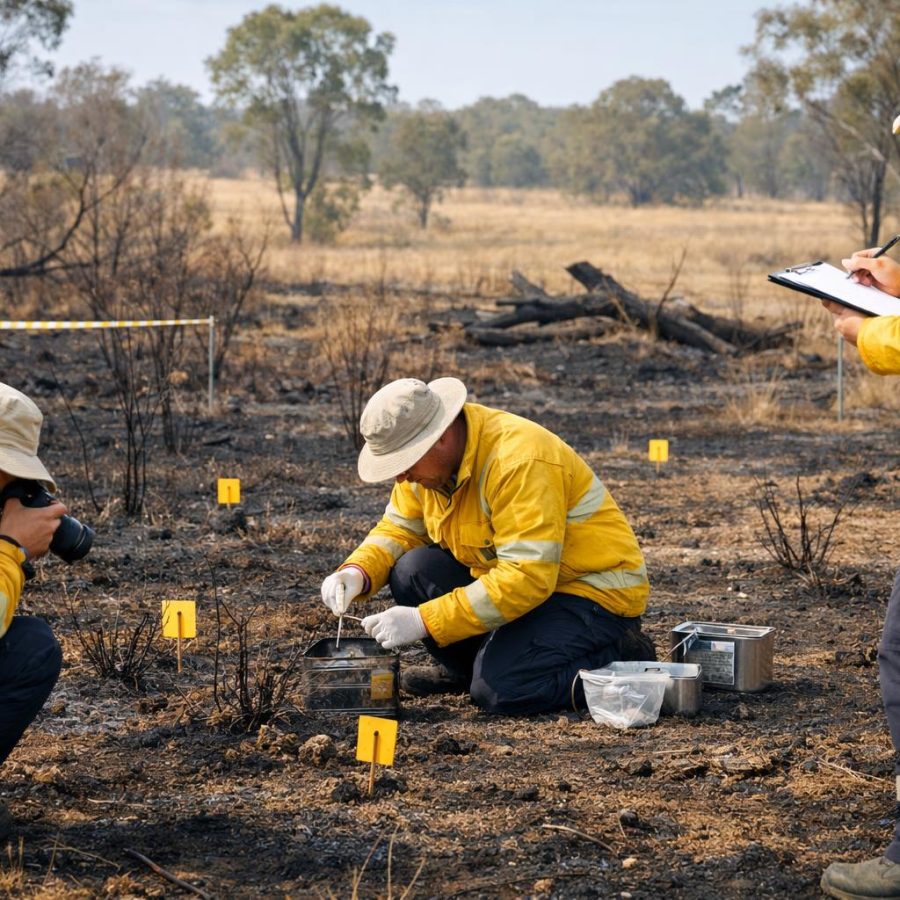
Photo by Firmbee via Pixabay
Leveraging technology for timely warnings
In today’s fast-moving emergencies, timely and accurate information is critical. FRV actively promotes the use of the VicEmergency app and website, which provide real-time warnings and updates about fires, floods, storms, and other incidents. These platforms enable residents to receive alerts tailored to their location, helping them make informed decisions quickly.
The widespread adoption of such technology complements physical preparedness measures, giving communities an edge in risk awareness and response. FRV’s emergency warnings page offers further information on accessing these services at FRV Emergency Warnings.
One of the critical dangers during fire emergencies is ember attack, where burning embers are carried by the wind and ignite spot fires ahead of the main blaze. Early warning systems and alerts through VicEmergency help residents understand the risk of ember attack so they can take protective actions such as clearing gutters and moving flammable items away from the home.
Furthermore, evacuation alerts issued through VicEmergency and other platforms provide clear guidance on when to leave and where to go, helping reduce confusion and ensuring orderly evacuations. The role of the State Emergency Service (SES) is often critical in assisting with evacuations, especially in flood or storm-related emergencies, demonstrating the interconnected nature of Victorian emergency management.
Photo by Kollinger via Pixabay
Practical implications and areas for improvement
The structured development of pre-incident plans and emphasis on community preparedness represent clear strengths in FRV’s approach. However, the dynamic nature of industrial risks and evolving urban environments means that continuous review and updating of PIPs are essential. Facilities must remain engaged with FRV to ensure plans reflect current operations and hazards.
Additionally, expanding public education campaigns to reach more diverse demographics can enhance home fire escape planning uptake. While technology tools are invaluable, not all residents may be equally comfortable or able to access digital warnings, highlighting the need for complementary communication strategies.
Furthermore, community recovery following fire emergencies is a vital component that requires attention. FRV works in conjunction with local councils and recovery agencies to support affected residents, helping them rebuild both their homes and their lives. This integrated recovery effort ensures that communities are not only safe during the emergency but also resilient in its aftermath.
Fire and emergency incidents often generate significant clean-up challenges. Post-incident clean-up is essential to remove hazardous debris, restore the environment, and reduce the risk of secondary incidents. FRV coordinates with relevant authorities to manage clean-up operations safely and efficiently, demonstrating the full cycle of emergency management from prevention through response to recovery.
Ultimately, ongoing investment in collaboration, training, and community engagement will bolster Victoria’s resilience to fire-related emergencies and other hazards.
What to do now: Practical steps for community members
Firstly, familiarise yourself with your home’s layout and identify at least two escape routes from every room. Hold regular family drills to practice your plan, ensuring everyone understands where to meet outside.
Secondly, download the VicEmergency app or bookmark the website to stay updated on any local emergencies. Make sure your contact details are current in any community alert systems.
Thirdly, consider learning basic first aid for mental health to support family members or neighbours who may experience distress during emergencies. Such preparedness can make a profound difference in community wellbeing.
Finally, check that smoke alarms are installed and functioning correctly, and keep exit paths free from obstructions. Taking these straightforward steps can make a significant difference in an emergency.
FireRescue Training Hub
Access practical fire and emergency study support resources, downloads, checklists, audio guides, and member-only course content.
- Course library
- PDF downloads
- Audio guides
- Checklists
Study support only. Not accredited training or a replacement for workplace procedures.
About the author and safety review
Ken Walker
Former Station Officer and fire service educator
Former career firefighter with extensive career and volunteer fire service experience.
Qualifications: Associate Diploma of Applied Science in Fire Technology; Institute of Fire Engineers studies.
Author profilehttps://www.firerescue.com.au/about-us/