Preparedness Matters
Key takeaways
Being prepared with the right fire extinguisher and property protection measures can significantly reduce the damage caused by a fire incident. Understanding the different extinguisher types, their uses, and maintenance is fundamental for safety in any Australian home or workplace.
Property protection involves more than just extinguishers; it includes early detection, clear evacuation routes, and regular checks of electrical systems and flammable storage. <a href="https://www.firerescue.com.au/emergency-planning-sprinkler-systems-and-property-protection-in-australia/”>Combining these elements builds a robust incident readiness plan that complies with Australian safety expectations.
Regular training and familiarisation with your fire safety equipment, alongside basic first aid knowledge, are crucial. While this guide offers practical steps, always seek formal training and adhere to official guidelines to ensure maximum safety and legal compliance.
Understanding Fire Extinguishers: Types and Uses
Fire extinguishers are your first line of defence against small fires. In Australia, it’s vital to use the correct extinguisher type depending on the fire class. Using the wrong extinguisher can be ineffective or even dangerous. The main classes to know are Class A (ordinary combustibles like wood and paper), Class B (flammable liquids), Class C (flammable gases), and Class E (electrical fires). Understanding these classifications ensures the extinguisher will suppress the fire effectively without causing additional hazards.
Common extinguisher types and their applications
Water extinguishers are effective on Class A fires but must never be used on electrical fires. Foam extinguishers are versatile and good for Class A and B fires but not electrical. Carbon dioxide (CO2) extinguishers are ideal for electrical fires and also work on Class B fires. Dry chemical powder extinguishers cover a broad range including Class A, B, and electrical fires but can cause visibility and respiratory issues, so use with caution indoors. It’s important to note that while dry chemical powders are effective, they can leave residues that require professional cleaning after use.
Always check the label on your extinguisher to confirm suitability. A multi-purpose extinguisher marked for Class A, B, and electrical use is often recommended for general property protection. In regions prone to ember attack, such as parts of Tasmania, having the right extinguisher on hand can help protect your property from small ignition points caused by flying embers during bushfires.

Selecting and Maintaining Your Fire Extinguisher
Choosing the right fire extinguisher depends on your environment. For residential properties, a 2kg or 4.5kg multi-purpose extinguisher is usually sufficient. Workplaces with higher risk or larger areas may require multiple extinguishers strategically located. Always consult local fire safety regulations or a professional to ensure compliance with Australian standards. The Tasmania Fire Service, for example, provides specific guidance tailored to the unique fire risks in their region, which can be invaluable when selecting appropriate equipment.
Proper placement and access
Position extinguishers near potential fire hazards and along escape routes, ideally mounted on walls at a visible height. Ensure they are unobstructed and that everyone on the premises knows their location. Regularly check that extinguishers are fully charged, seals intact, and no signs of damage or corrosion are present. Additionally, consider the accessibility for all occupants, including those who may have mobility challenges, to ensure everyone can reach safety equipment quickly.
Routine inspection and servicing
Australian safety guidelines recommend visual checks monthly and full servicing annually by a qualified technician. Keep records of inspections and maintenance. Replace or recharge extinguishers immediately after use or if found faulty. Beyond extinguishers, it’s also wise to integrate checks of smoke alarms and respirators into your safety routine to ensure comprehensive readiness. Respirators may be necessary during fire incidents, especially when smoke inhalation risk is high, reinforcing the importance of health and safety awareness.
Property Protection Beyond Extinguishers
Fire extinguishers are essential, but a comprehensive property protection plan also involves prevention, detection, and response strategies. Install smoke alarms in key areas, test them regularly, and replace batteries annually or per manufacturer advice. Smoke alarms are critical for early fire detection, allowing occupants to respond quickly before a fire spreads. In areas susceptible to ember attack, such as bushfire-prone regions, additional measures like ember-proof mesh and clearing gutters of debris can prevent ignition from embers landing on your property.
Creating a defendable space around your home or workplace is a core element of property protection. This involves clearing flammable vegetation and debris at least several metres from buildings, maintaining lawns, and using non-combustible materials where possible. The Queensland Fire and Emergency Services emphasise the importance of such spaces to reduce the chance of fire spreading to structures during bushfire events. Regular maintenance of these areas, especially ahead of the fire season, can vastly improve resilience.
Electrical safety and flammable materials
Regularly check electrical cords, outlets, and appliances for damage or wear. Faulty wiring is a common fire cause. Store flammable liquids in approved containers in well-ventilated, cool areas away from ignition sources. Avoid overloading power points and use surge protectors where appropriate. It’s advisable to have an electrician conduct periodic inspections to identify potential hazards you might miss. These preventative steps are vital to reducing the risk of fire starting from electrical faults or improper storage. In remote or regional areas, such as parts of the Northern Territory, where access to emergency services can be delayed, these precautions become even more critical to prevent incidents.
Emergency planning and training
Create a clear fire emergency plan outlining evacuation routes, meeting points, and roles. Conduct regular drills for family members or employees to build familiarity and confidence. Ensure everyone knows when and how to use extinguishers safely and understands the importance of prioritising personal safety over property. Engaging in a health safety course that includes fire and rescue procedures can enhance your team’s ability to respond effectively during an incident. In workplaces, coordinating with local fire and rescue services for training or advice can improve overall preparedness. The Country Fire Authority (CFA) in Victoria, for instance, offers community programs that foster resilience and preparedness, which can serve as a model for other regions.
Personal protective equipment such as masks and boots should also be part of your preparedness kit. Masks can protect against smoke inhalation during fire events, while sturdy boots ensure safe movement through debris or rough terrain. These items, though sometimes overlooked, contribute significantly to personal safety and resilience during fire incidents.
Basic First Aid in Fire Incidents
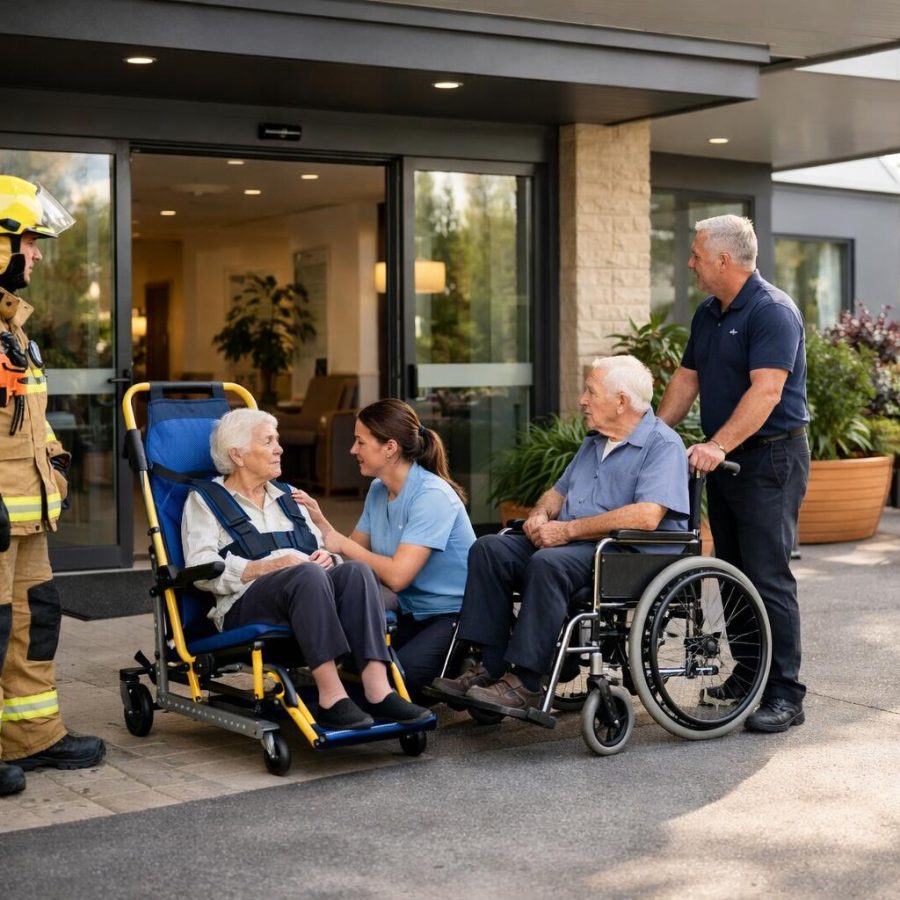
In the unfortunate event of burns or smoke inhalation, basic first aid can save lives. For burns, cool the affected area under running water for at least 20 minutes, avoid applying creams or ice, and cover the area with a sterile, non-fluffy dressing. For smoke inhalation, move the person to fresh air immediately and monitor breathing. If unconscious or breathing is difficult, call emergency services promptly. Having a stretcher available can be invaluable for safely transporting injured individuals who cannot walk, especially in workplaces or community settings.
It’s strongly advised that all individuals undertake formal first aid training to handle emergencies competently and safely. Follow official Australian health advice and emergency protocols in all cases. This preparedness not only aids in immediate response but also contributes to resilience by empowering people to act confidently under pressure. Fire and emergency services across Australia, including Queensland Fire and Emergency Services, often offer first aid courses tailored to fire incident scenarios.
If You Only Do Five Things
Identify and install the correct type of fire extinguisher for your home or workplace. Knowing the extinguisher’s class and use is critical to effective fire response.
Perform monthly visual checks and arrange professional servicing annually to keep extinguishers in working order and compliant with Australian standards.
Install and maintain smoke alarms, and ensure all occupants know evacuation routes and procedures.
Regularly inspect electrical systems and safely store flammable materials to reduce fire risk.
Undertake formal training for fire extinguisher use and basic first aid to respond confidently and safely in emergencies.
FireRescue Training Hub
Access practical fire and emergency study support resources, downloads, checklists, audio guides, and member-only course content.
- Course library
- PDF downloads
- Audio guides
- Checklists
Study support only. Not accredited training or a replacement for workplace procedures.
About the author and safety review
Ken Walker
Former Station Officer and fire service educator
Former career firefighter with extensive career and volunteer fire service experience.
Qualifications: Associate Diploma of Applied Science in Fire Technology; Institute of Fire Engineers studies.
Author profilehttps://www.firerescue.com.au/about-us/