Heat Stress Awareness & Response
Key takeaways
Heatwaves represent a serious threat during Australia’s hot seasons, impacting both emergency responders and the general public. The Bureau of Meteorology classifies heatwaves into intensity categories and issues warnings to enhance community preparedness.
The Country Fire Authority (CFA) prioritises hydration, monitoring, and rehabilitation for firefighters exposed to extreme heat. Their new Rehabilitation and Health Monitoring Unit enhances on-site support for responders.
CFA also advises the public on protecting pets and livestock from heat stress, reinforcing the importance of community awareness and proactive measures during heat events.
Understanding Heatwaves: The Bureau of Meteorology’s Role
Australia’s climate frequently exposes communities and emergency personnel to heatwaves, which the Bureau of Meteorology (BOM) closely monitors and categorises. Heatwaves are defined not just by high temperatures but by sustained periods of heat that elevate health and safety risks.
BOM categorises heatwaves into low-intensity, severe, and extreme levels based on temperature thresholds and duration. These classifications guide warnings that aim to inform communities, industries, and emergency services to prepare and respond effectively.
This stratified approach to heatwave warnings helps tailor responses at both community and organisational levels, supporting risk mitigation for vulnerable populations and frontline responders alike.
Firefighting Under Stress: CFA’s Approach to Heat Mitigation
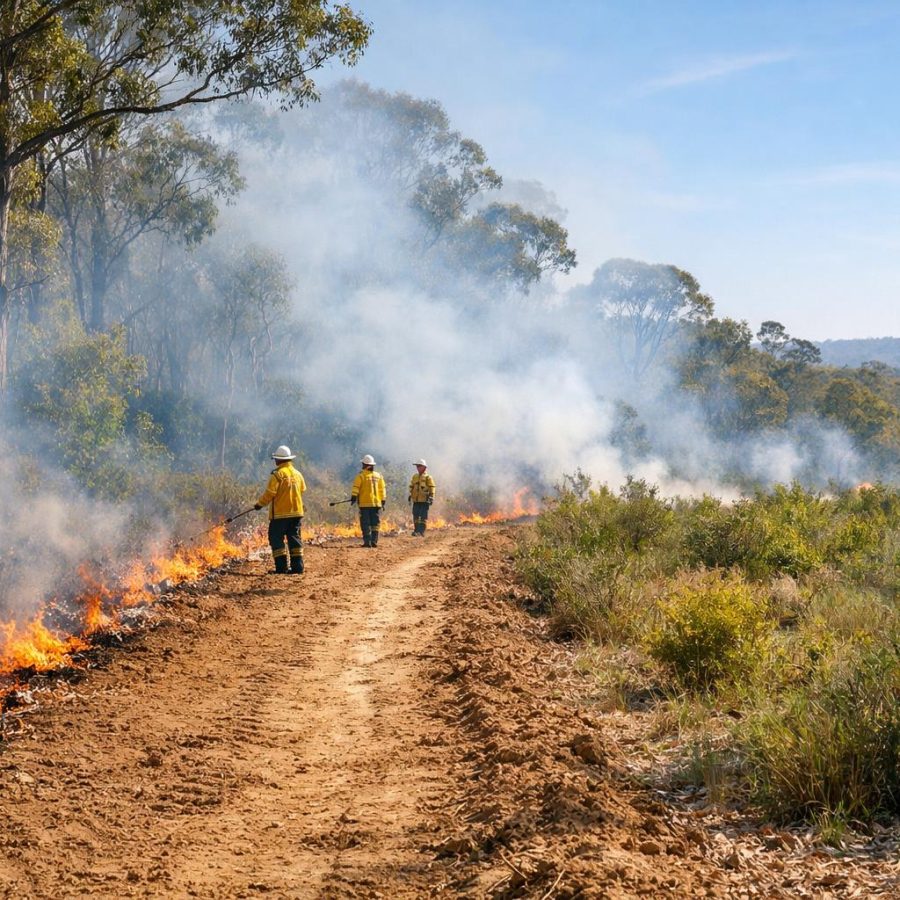
For firefighters operating in high-temperature environments, heat stress is a critical concern. The Country Fire Authority (CFA) recognises this and has developed comprehensive strategies to manage heat stress and safeguard their personnel.
The CFA emphasises the importance of regular hydration and vigilant monitoring for signs of heat-related illnesses during firefighting operations. To further support firefighters, CFA has introduced protocols for rehabilitation during incidents, ensuring responders have access to rest, cooling, and health assessment.
In District 5, CFA has recently launched a new Rehabilitation and Health Monitoring Unit featuring cooling chairs and health monitoring technologies. This vehicle brings vital on-site support to volunteers, enabling quicker recovery and reducing the risk of heat-induced injury or illness during extended firefighting efforts.
This innovation reflects CFA’s proactive stance on protecting its workforce, acknowledging that managing heat stress is essential for operational effectiveness and responder wellbeing.
Beyond hydration and rest, CFA integrates advanced health monitoring devices that track vital signs such as heart rate and core temperature in real-time. These measures allow incident commanders to make informed decisions about crew rotations and rest breaks, minimising the risk of heat exhaustion or heat stroke.
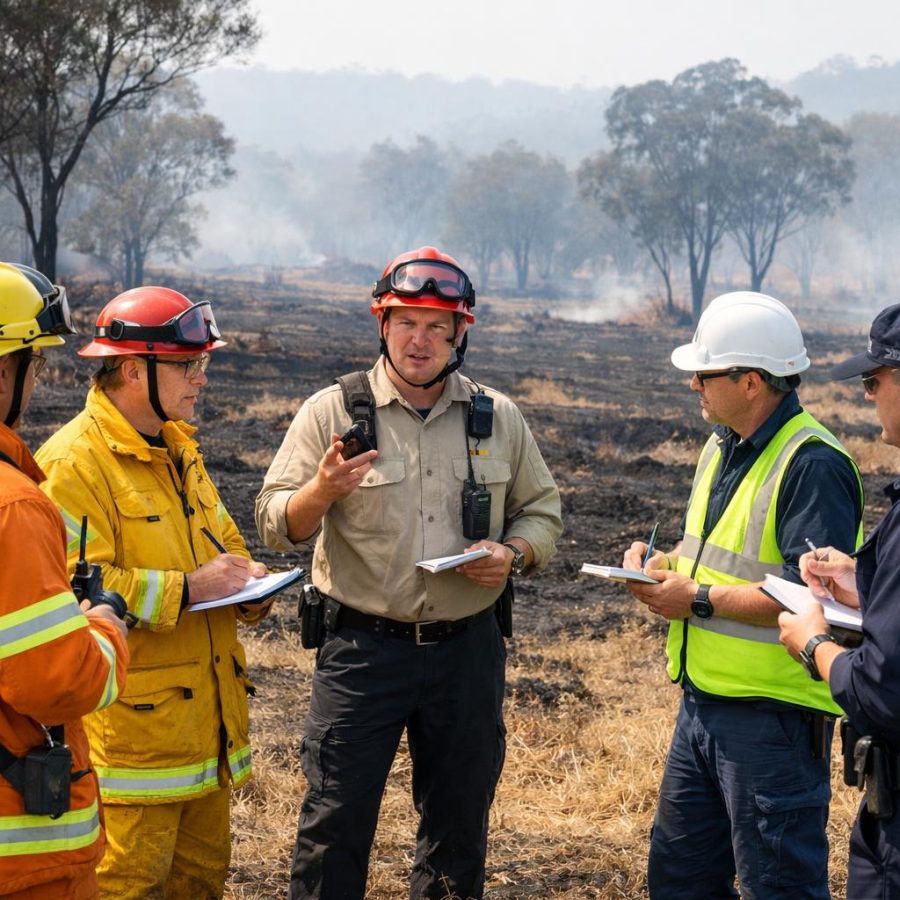
Furthermore, CFA teams coordinate closely with other emergency services, including Fire and Rescue NSW and the Tasmania Fire Service (TFS), sharing insights and best practices on heat stress management. This interagency collaboration ensures that knowledge and resources are optimally utilised during prolonged fire seasons, which often coincide with severe heatwaves.
Fire extinguishers, particularly wet chemical types, play a specialized role in certain firefighting scenarios, especially where grease or kitchen fires pose a risk. While their use is different from combating large bushfires, CFA’s training includes handling such equipment safely under heat stress conditions, emphasising the importance of proper technique and personal safety.
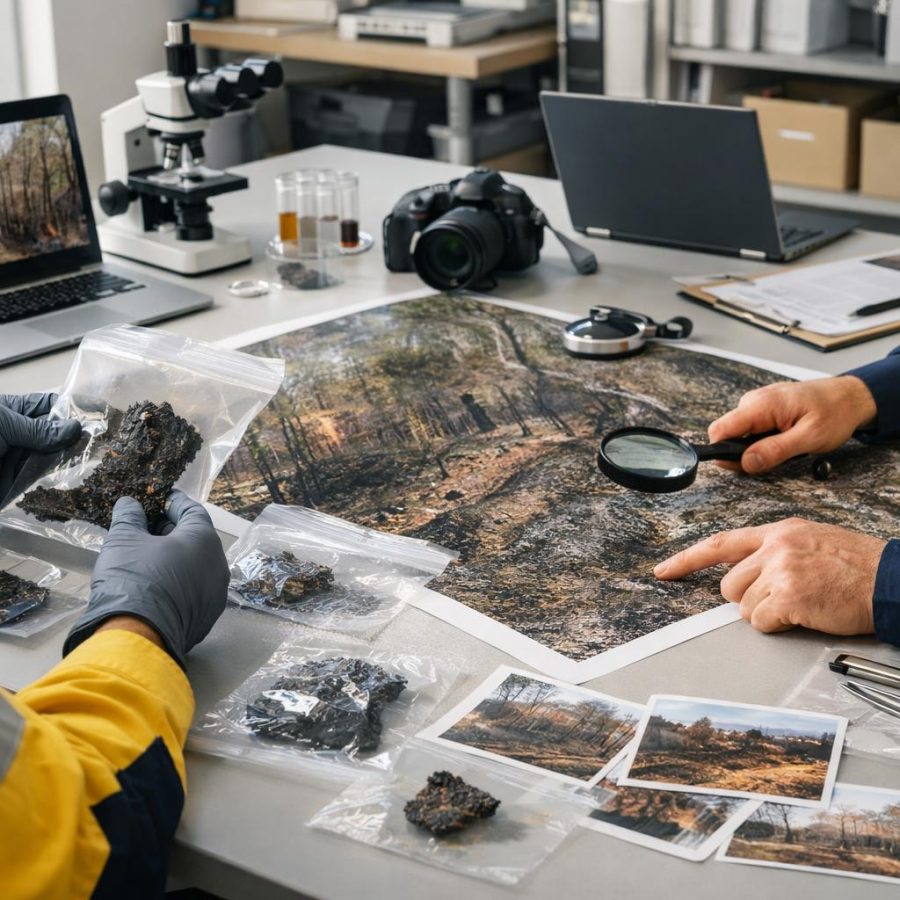
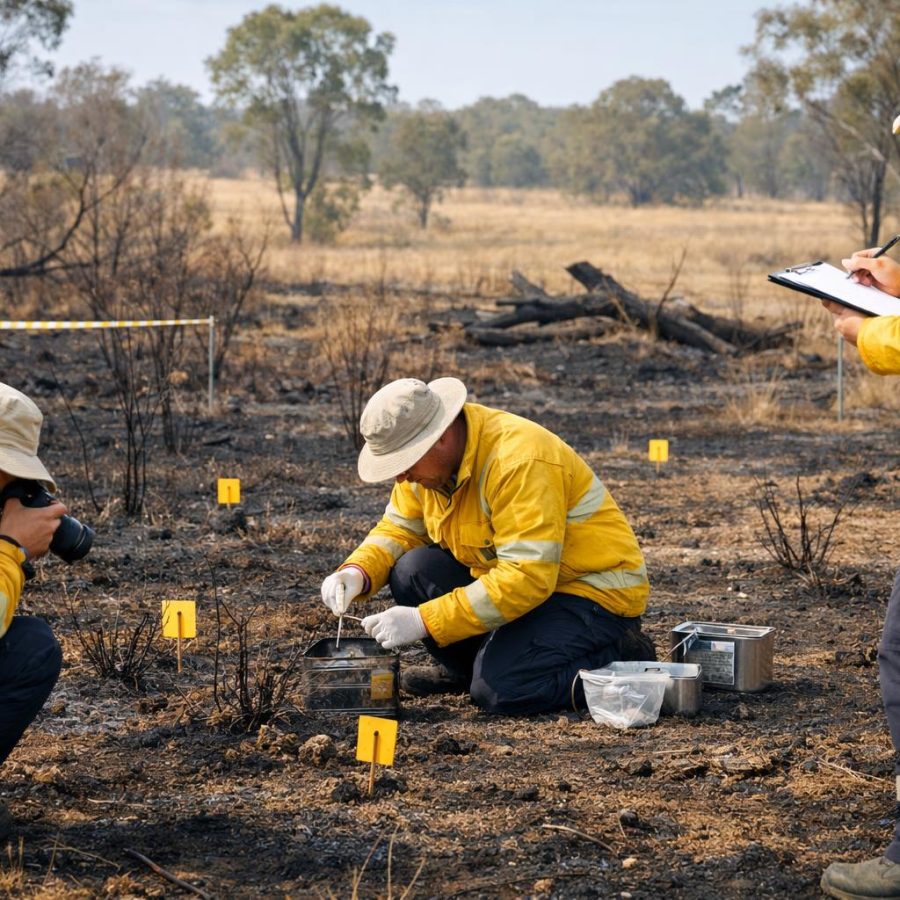
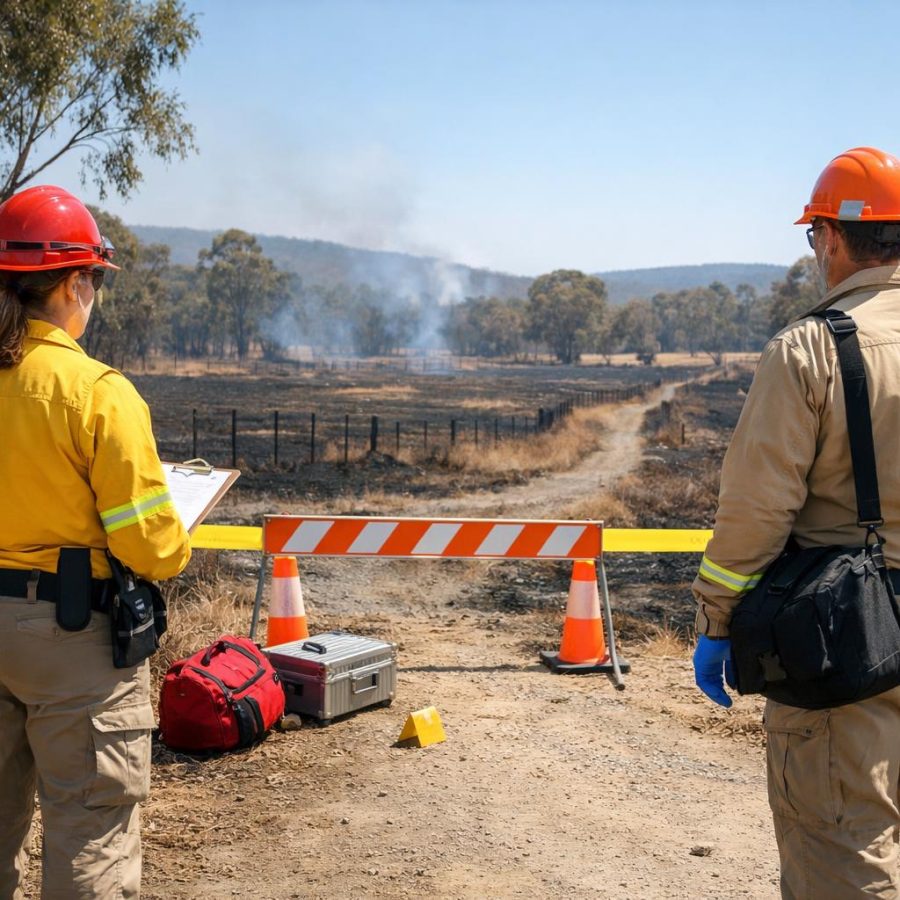
Another vital aspect of CFA’s approach is post-incident clean-up and recovery. After fires are contained, crews often face the challenge of working in residual heat and hazardous environments. CFA’s health monitoring protocols extend into this phase, ensuring responders remain protected during clean-up operations, which can be physically demanding and expose personnel to ongoing heat stress risks.
Community and Animal Welfare: CFA’s Public Guidance
Heatwaves affect not only firefighters but also the general public and their animals. CFA advises pet owners and livestock farmers to take practical steps to reduce heat stress risks for animals. Providing ample water in shaded areas and keeping pets indoors during extreme temperatures are simple yet effective recommendations.
Animals can suffer severely during heat events, and the responsibility falls on communities to implement preventive measures. CFA’s public messaging encourages awareness and action to mitigate these risks, complementing their emergency response efforts.
Moreover, CFA collaborates with the State Emergency Service (SES) to support vulnerable community members, ensuring they have access to cooling centres and assistance during heatwaves. This partnership exemplifies a whole-of-community approach to heat stress mitigation, recognising that recovery and resilience extend beyond immediate firefighting efforts.
In rural areas, the CFA’s guidance on livestock care is crucial, as heat stress can lead to significant losses impacting farmers’ livelihoods. Advice on managing paddock shade, water supply, and timing of animal handling helps reduce the risk of heat-related fatalities.
Public alerts issued by BOM and disseminated through CFA channels play a key role in raising awareness. These alerts often include specific instructions tailored to different groups, such as outdoor workers, elderly residents, and those involved in emergency response or clean-up activities after fires.
Community education campaigns also highlight the importance of fire extinguisher maintenance and readiness, especially wet chemical extinguishers in kitchen and industrial settings, to prevent secondary fire incidents during heatwaves when fire risks are elevated.
Background and Context
Australia’s climate is characterised by frequent and intense heatwaves that have escalated due to climate change. These conditions increase the danger of heat stress among emergency responders who work in physically demanding roles and the wider community, including vulnerable groups such as the elderly, children, and animals.
The Bureau of Meteorology’s heatwave warnings provide critical early alerts that enable agencies like CFA to prepare resources and adjust operational protocols. CFA’s expertise in fire management is complemented by its commitment to responder health and public safety through research and innovation in heat stress mitigation.
Despite these advances, challenges remain in ensuring all communities have access to timely heatwave information and that emergency responders have sufficient resources to cope with the increasing severity of heat events.
As part of recovery efforts, CFA and associated agencies emphasise the importance of safe clean-up practices following fire events, which often coincide with heatwaves. Proper handling of debris and hazardous materials reduces the risk of injury and heat-related illness during recovery phases.
Lessons learned from recent seasons have also informed improvements in training and equipment, with a focus on enhancing the resilience of personnel across all emergency services, including Fire and Rescue NSW and TFS. These organisations continue to innovate in response protocols, recognising that heat stress mitigation is a shared responsibility.
Practical Implications
For emergency services, integrating meteorological data with on-ground health monitoring improves decision-making and helps prevent heat-related incidents. The CFA’s Rehabilitation and Health Monitoring Unit is a tangible example of how technology and operational planning converge to protect responders.
Communities also benefit from clear, actionable advice on heatwave preparedness. Public education on hydration, shade, and animal care during heat events enhances resilience and reduces demand on emergency services.
Collaboration between BOM, CFA, and community organisations is vital to continually refine heat stress strategies, ensuring safety measures keep pace with evolving climatic risks.
Additionally, emergency services are increasingly adopting mobile alert systems that provide real-time updates on heatwave status and fire risk levels. These alerts empower frontline crews and local residents to take timely precautions, such as modifying work schedules or initiating early evacuation plans.
Equipping volunteers and staff with appropriate fire extinguishers, including wet chemical types for specific hazards, and training them in their effective use under heat stress conditions, enhances overall safety and operational success.
Moreover, cross-agency exercises involving CFA, Fire and Rescue NSW, TFS, and SES simulate high-heat emergency scenarios, enabling responders to practice coordinated approaches to heat stress management, fire suppression, and community support.
What to do now
Stay informed by monitoring heatwave warnings issued by the Bureau of Meteorology. Follow advice from CFA regarding hydration and rest if you are working or volunteering in high-temperature conditions.
For pet owners and those caring for livestock, ensure animals have access to water and shaded areas, and minimise outdoor activity during peak heat. Prioritise checking on vulnerable neighbours and family members who may be at greater risk during heatwaves.
Emergency responders and community members alike should be proactive in recognising early symptoms of heat stress, such as dizziness, headache, or excessive fatigue, and seek immediate intervention.
By embracing these measured steps, Australians can better withstand the growing challenge of extreme heat while supporting those who protect our communities.
FireRescue Training Hub
Access practical fire and emergency study support resources, downloads, checklists, audio guides, and member-only course content.
- Course library
- PDF downloads
- Audio guides
- Checklists
Study support only. Not accredited training or a replacement for workplace procedures.
About the author and safety review
Ken Walker
Former Station Officer and fire service educator
Former career firefighter with extensive career and volunteer fire service experience.
Qualifications: Associate Diploma of Applied Science in Fire Technology; Institute of Fire Engineers studies.
Author profilehttps://www.firerescue.com.au/about-us/