Fire dynamics in high-rise buildings differ greatly from those at ground level due to factors like height, ventilation, and building design. Understanding these elements can help emergency responders and occupants anticipate fire behaviour.
Australian emergency services coordinate closely during high-rise fires. Calling 000 promptly and following official advice is vital for safety. Preparedness and awareness of fire dynamics reduce risks during an incident.
Introduction to Fire Dynamics in High-Rise Buildings
High-rise buildings present unique challenges when it comes to fire. Their height, construction materials, and internal systems influence how fires start, spread, and can be controlled. Fire dynamics refers to the behaviour of fire over time and within different environments. In tall buildings, factors like vertical airflow, stack effect, and compartmentation alter fire behaviour compared to single-storey structures.
Understanding these dynamics is essential for those living or working in high-rise buildings, for emergency services tasked with response, and for building managers responsible for fire safety systems. This article explores these aspects with a focus on practical Australian contexts and services.
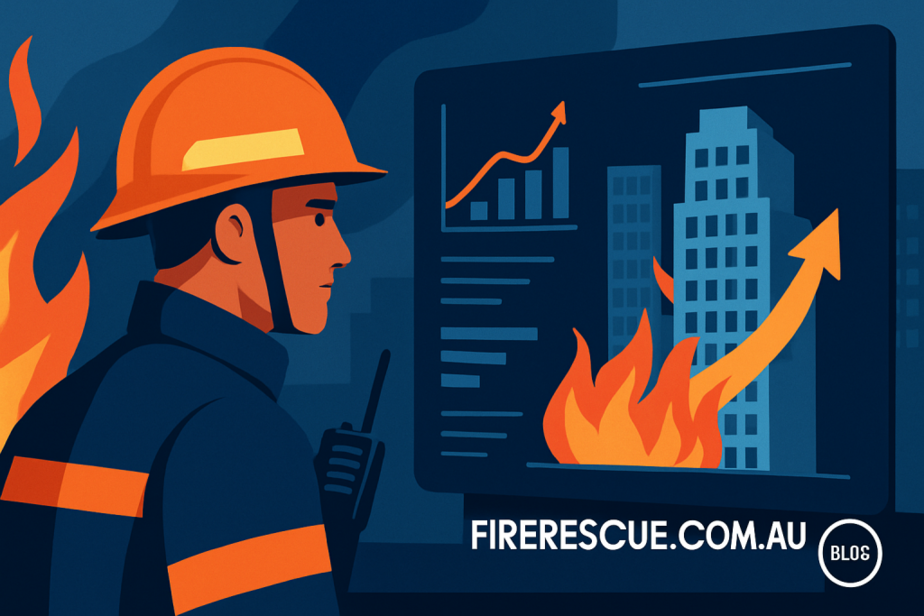
The complexity of fire behaviour in high-rise buildings is also impacted by external environmental conditions such as wind speed and direction, and temperature differences between the inside and outside of the building. These factors can either exacerbate or mitigate the intensity and spread of a fire. For example, strong winds can drive smoke and flames into neighbouring units or floors, increasing the risk to occupants and complicating firefighting efforts.
Moreover, the design of high-rise buildings often incorporates advanced materials and technologies, such as fire-resistant glass, sprinkler systems, and smoke detectors, aimed at enhancing fire safety. However, these systems require proper maintenance and regular testing to function effectively during an emergency. Neglect can lead to system failures, which might result in uncontrolled fire spread and increased hazard to residents and responders.
Key Factors Influencing Fire Behaviour in Tall Buildings
Stack Effect and Vertical Air Movement
The stack effect plays a major role in fire dynamics within high-rise buildings. Warm smoke and hot gases rise rapidly, drawing fresh air from lower levels. This movement can increase fire intensity and help flames spread between floors if barriers are compromised. Firefighters must be aware of this when planning ventilation and suppression tactics.
The vertical shafts and stairwells in high-rise buildings can act as conduits, allowing the stack effect to accelerate smoke movement upwards. This can create hazardous conditions on floors well above the fire origin, complicating evacuation and firefighting efforts. Understanding these airflow patterns helps emergency teams predict smoke spread and implement effective smoke control measures.
Compartmentation and Fire Containment
Building regulations in Australia require fire compartmentation to limit fire spread. Fire-rated doors, walls, and floors help contain a fire to its origin area, providing vital time for evacuation and response. However, if compartments fail due to poor maintenance or damage, fire dynamics change significantly, allowing faster spread.
Compartmentation also plays a role in limiting smoke movement, which is often more dangerous than flames themselves. Smoke inhalation remains a leading cause of death in fires. Therefore, properly sealed compartments with functional smoke barriers and doors are critical. Regular inspections and maintenance are essential to ensure these systems perform as intended during an emergency.
Ventilation Systems and Fire Spread
Mechanical ventilation, including HVAC systems, can either help control smoke or inadvertently assist its movement. Automated smoke control systems are designed to activate in a fire, but malfunction or incorrect use can worsen conditions. Emergency responders and building managers need to verify system status as part of fire safety procedures.
In addition, natural ventilation such as operable windows or vent shafts can influence fire dynamics. In some cases, opening windows can increase oxygen supply to the fire, intensifying flames and smoke production. Conversely, sealed windows and controlled ventilation can help contain the fire and limit smoke spread. Understanding how these systems interact during a fire is crucial for both occupants and responders.
Emergency Response Considerations in Australian High-Rise Fires
Australian fire services, often referred to as Fire and Rescue, have specialised training and equipment for high-rise incidents. Time is critical as fires can spread quickly vertically and horizontally. Coordination between Fire and Rescue, Police, State Emergency Service (SES), and Ambulance services ensures effective management of evacuation, traffic, medical treatment, and site safety.
In the event of a fire, occupants should call 000 immediately. Australian emergency operators direct the appropriate services and provide guidance. Staying informed through official warnings, alarms, and announcements supports safe evacuation or sheltering in place as directed.
Firefighters often face challenges such as limited water pressure on upper floors, difficult access, and heavy smoke. Building fire control rooms provide critical information about the fire location and systems status. Fire dynamics knowledge helps responders assess risks and prioritise areas to protect life and property.
Additional challenges include managing the movement of large numbers of occupants, some of whom may have mobility issues or require assistance. Fire and Rescue teams must coordinate evacuation while simultaneously combating the fire, often relying on communication systems and building plans to navigate complex layouts. The use of personal protective equipment and breathing apparatus is crucial to ensure firefighter safety in smoke-filled environments.
Technological advancements such as thermal imaging cameras and drones are increasingly employed to assess fire conditions remotely, locate hotspots, and identify trapped occupants. These tools complement traditional firefighting techniques and improve operational efficiency and safety.
Practical Safety Notes for Residents and Workers
Familiarise yourself with the building’s fire safety features including alarms, escape routes, and assembly points. Regularly check that fire doors and escape corridors remain clear and functional. Never use lifts during an evacuation unless instructed by emergency personnel.
If a fire occurs, follow official instructions carefully. If you encounter smoke, stay low to the ground to avoid inhalation of harmful gases. Closing doors behind you slows fire and smoke spread. If trapped, call 000, provide your location, and signal from a window if possible.
Regular participation in fire drills is essential to ensure that residents and workers are prepared and confident in their response. These drills help identify potential issues in evacuation procedures and familiarise occupants with the quickest and safest escape routes.
Additionally, maintaining an emergency kit with essentials such as water, a flashlight, a whistle, and important documents can be beneficial in case of prolonged evacuation or sheltering. Knowing basic first aid and being aware of neighbours who may need assistance can further enhance community safety during a fire emergency.
If You Only Do Five Things
1. Learn your building’s fire evacuation plan and locate all exits and alarms. Knowing this before an emergency can save lives.
2. Regularly check that fire doors and escape routes are not blocked or locked. Keeping these areas clear is essential for safe escape.
3. In a fire, immediately call 000 to alert emergency services and follow their instructions precisely. Provide clear information about your location.
4. If smoke is present, stay low to the floor where air is cleaner, and avoid using lifts. Use stairs and close doors behind you to slow fire spread.
5. Stay informed by monitoring local warnings and instructions from Fire and Rescue and other authorities. Preparation and calm action improve outcomes.
Who Does What in Australia
Fire and Rescue services lead fire suppression and rescue operations. They are trained and equipped to handle fires in complex environments like high-rise buildings. Their role is to control the fire, protect property, and save lives.
Police manage crowd control, secure the incident area, and support evacuation procedures. They also assist in traffic management around the site to ensure emergency vehicles can access the building.
Ambulance services provide medical treatment to those affected by fire, smoke inhalation, or injuries sustained during evacuation. Rapid medical response is critical during high-rise incidents.
The State Emergency Service (SES) assists with rescue operations, especially in situations involving structural damage or flooding that may accompany or complicate fire events.
For any life-threatening emergency, always call 000 to ensure the fastest and most coordinated response.
FireRescue Training Hub
Access practical fire and emergency study support resources, downloads, checklists, audio guides, and member-only course content.
- Course library
- PDF downloads
- Audio guides
- Checklists
Study support only. Not accredited training or a replacement for workplace procedures.
About the author and safety review
Ken Walker
Former Station Officer and fire service educator
Former career firefighter with extensive career and volunteer fire service experience.
Qualifications: Associate Diploma of Applied Science in Fire Technology; Institute of Fire Engineers studies.
Author profilehttps://www.firerescue.com.au/about-us/