Bushfire Preparedness
Key takeaways:
Ember attacks are a primary cause of property ignition during bushfires, often occurring well ahead of the main fire front. Understanding the risk and taking practical steps can significantly reduce your vulnerability.
Preparing your property with ember-resistant measures, maintaining clear zones, and having a fire action plan are essential parts of managing ember attack risk effectively.
What Is an Ember Attack and Why Does It Matter?
An ember attack occurs when burning twigs, leaves, bark, or other small pieces of burning material are carried by wind ahead of a wildfire. These embers can land on or near your home or property, igniting combustible materials and starting spot fires. In Australia’s bushfire-prone environments, ember attacks often cause more property damage than the direct flame front, because embers can blow kilometres ahead and ignite fires in places considered safe.
Managing ember attack risk means understanding how embers can enter your home and property, and taking practical steps to minimise vulnerable points.
Identifying Vulnerable Areas on Your Property
Roof and Eaves
Roof spaces and eaves are common entry points for embers. Gaps, vents, and spaces under tiles can allow embers to settle and ignite debris. Regularly inspect and maintain your roof to ensure it is free of leaves, twigs, and other debris. Consider installing ember-proof screens or mesh over vents and gaps.
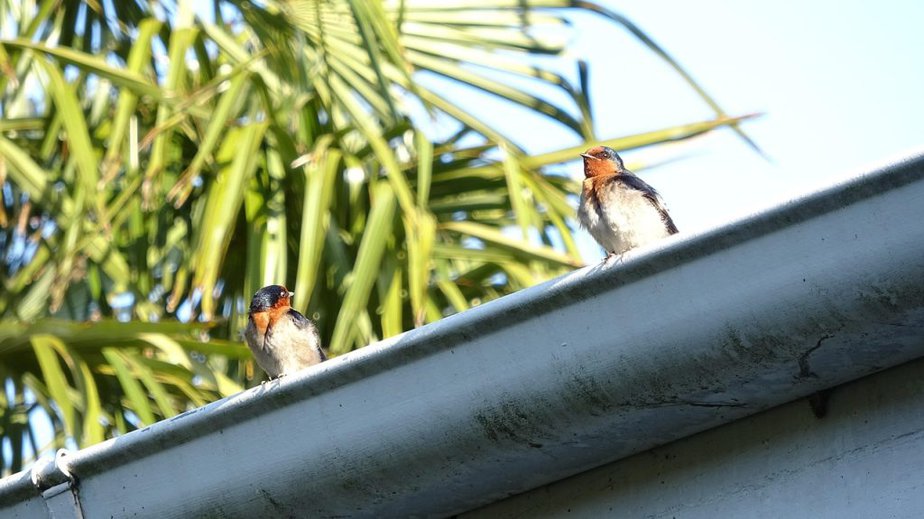
Gutters and Downpipes
Gutters filled with leaf litter or bark can easily catch embers. Clean gutters regularly, especially during fire season, to reduce fuel buildup. Installing gutter guards with fine mesh can help prevent debris accumulation, but they must be checked and cleaned to remain effective.
Windows, Doors, and Vents
Gaps around windows, doors, and wall vents can allow embers inside, igniting curtains, furniture, or other combustible materials. Use ember-resistant screens or fine metal mesh to cover vents and ensure door and window seals are tight. Consider using toughened glass or shutters where possible.
Decks, Pergolas, and Woodpiles
Outdoor wooden structures and stored firewood can be ignited by embers and become a source of fire spread to the home. Replace timber decks with non-combustible materials where possible. Keep woodpiles stored away from buildings and covered with fire-resistant tarpaulins or metal sheets.
Practical Steps to Reduce Ember Attack Risk
Maintain Clear Zones Around Your Property
Create and maintain a defendable space by clearing leaf litter, dry grass, and other combustible materials within at least 20 meters of your home. Trim trees and shrubs so branches are at least 2 meters from structures, reducing the chance embers will find fuel close by.
Use Fire-Resistant Building Materials
When upgrading or building, choose materials tested and rated for bushfire resistance. Non-combustible roofing, cladding, and decking can dramatically reduce ember ignition risk. Australian standards provide guidance on suitable materials, so consult with local authorities or fire safety professionals.
Install Ember-Proof Screens and Seal Gaps
Fit fine metal mesh screens (1.5 mm or less) to all vents, eaves, and openings to stop embers entering the building envelope. Use weather stripping or sealants to close gaps around doors and windows. Regular maintenance is essential to keep these barriers effective.
Regular Cleaning and Maintenance
Establish a routine to clean gutters, roofs, decks, and outdoor areas during high-risk periods. Remove leaf litter and combustible debris promptly. This ongoing maintenance limits the fuel embers need to start spot fires on or near your home.
Plan for Water Supply and Firefighting Equipment
Have hoses, sprinklers, and buckets ready and in working order to wet down vulnerable areas if embers fall. Maintaining accessible water sources or tanks can support property defense during ember attacks. Familiarise yourself with how to use firefighting equipment safely.
Preparing Yourself and Your Household
Develop a Bushfire Survival Plan
Know when and how to evacuate, or how to defend your property safely if staying. Your plan should include identifying safe zones, packing emergency kits, and understanding local fire warnings. Practice the plan with all household members before fire season starts.
Dress Appropriately and Protect Yourself
During ember attacks, wear natural fibre clothing like cotton or wool that covers arms and legs. Avoid synthetic materials that melt. Use sturdy footwear, gloves, and eye protection to reduce injury risks from embers and smoke.
First Aid Awareness
Fires and ember attacks can cause burns and respiratory issues. Learn basic first aid for burns: cool the burn under running water for at least 20 minutes, cover loosely with a sterile dressing, and seek medical help. Attend formal first aid training and follow local health authorities’ advice for smoke inhalation and other injuries.
Stay Informed and Connected
Monitor local fire alerts via official sources such as the Rural Fire Service or emergency apps. Keep mobile phones charged and radios with spare batteries ready. Communicate your plans with neighbours and family to coordinate safety measures. Effective communications are vital during disasters, and having reliable access to radios or smartphone apps can provide timely updates and warnings, helping you respond swiftly to ember threats.
Incorporating AIIMS (Australasian Inter-Service Incident Management System) principles into your planning can improve your household’s response coordination. Understanding roles and responsibilities, maintaining clear communication channels, and having a structured plan can reduce confusion during an emergency.
If You Only Do Five Things to Reduce Ember Attack Risk
Clean your gutters, roof, and surrounds regularly to remove leaves and debris where embers can ignite fuel.
Install fine metal mesh screens over vents and gaps to stop embers from entering your home.
Create and maintain a clear defendable space free from flammable materials within 20 meters of your property.
Prepare firefighting equipment and maintain accessible water supplies for ember attack defense.
Develop and rehearse a bushfire survival plan with your household, including evacuation and communication strategies.
By understanding the nature of ember attacks and putting these practical steps into action, Australian residents can greatly reduce the risk to life and property during the bushfire season. Additionally, ensuring your smoke alarms are fully functional and tested regularly can provide early warning if fire does reach your home, giving you precious time to act. Property protection is not just about preventing fire entry but also about safeguarding your family and possessions through preparedness and awareness.
An often overlooked but crucial element in ember attack prevention is the installation of photoelectric smoke detectors inside your home. Unlike ionisation smoke detectors, photoelectric types are more responsive to smouldering fires that embers can cause, providing earlier alerts and increasing the chance of a timely evacuation or firefighting response.
Taking a fire warden course can also empower residents with knowledge and skills to act effectively during an emergency. These courses cover risk assessment, fire prevention strategies, and emergency communications, helping individuals become community assets during bushfire events.
Emergency communication plans should include alternative methods such as battery-powered radios or satellite phones in case mobile networks fail. Establishing a communication tree with neighbours ensures that everyone receives timely information and support, which is vital during fast-moving ember attacks.
In conclusion, managing ember attack risk is a multifaceted task that requires awareness, preparation, and ongoing vigilance. By combining property maintenance, appropriate building materials, effective communication, first aid readiness, and continuous education through fire warden courses, Australian residents can enhance their resilience against the unpredictable and dangerous nature of ember attacks during bushfire seasons.
FireRescue Training Hub
Access practical fire and emergency study support resources, downloads, checklists, audio guides, and member-only course content.
- Course library
- PDF downloads
- Audio guides
- Checklists
Study support only. Not accredited training or a replacement for workplace procedures.
About the author and safety review
Ken Walker
Former Station Officer and fire service educator
Former career firefighter with extensive career and volunteer fire service experience.
Qualifications: Associate Diploma of Applied Science in Fire Technology; Institute of Fire Engineers studies.
Author profilehttps://www.firerescue.com.au/about-us/