Rural Property Firebreaks, Dams and Access for Fire Trucks – why it matters for Australian households
Living in rural Australia comes with unique joys and challenges. One important aspect of rural living is managing the risks posed by bushfires. Ensuring your property is prepared with effective rural property firebreaks, dams and access for fire trucks can make a significant difference in protecting your home, livestock, and land.
Firebreaks act as barriers to slow or stop the spread of fire, dams provide valuable water supplies for firefighting, and proper access allows emergency vehicles to reach your property quickly and safely. Together, these elements form a practical defence that protects your family and neighbours during fire season.
Understanding how to implement and maintain these features is a calm and practical step towards fire readiness. This guide aims to help Australian rural households prepare effectively without worry or alarm.
Understanding the risk: what Rural Property Firebreaks, Dams and Access for Fire Trucks looks like in real life
Every rural property is different, but the risk of fire spreading across dry grass, crops, and bushland remains a key concern. Firebreaks are clear strips of land free from combustible vegetation that slow the advance of fire and give firefighters a safer area to operate.
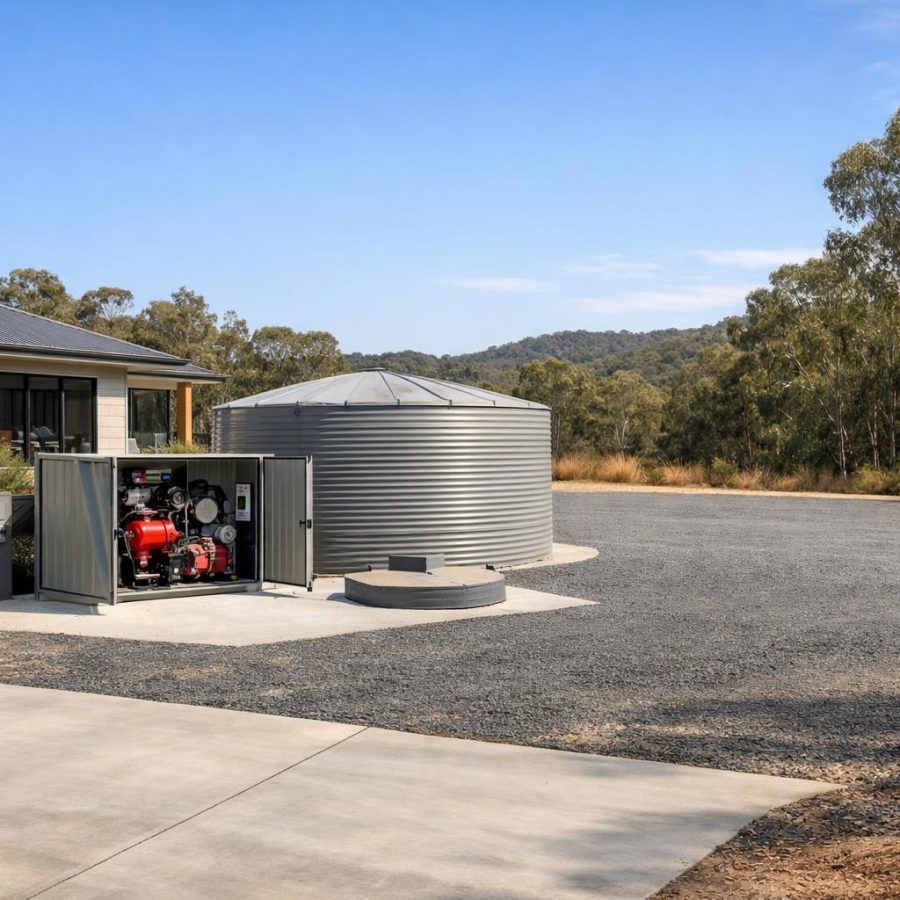
Dams serve as accessible water sources for firefighting efforts, especially in areas where hydrants or town water are not available. Access refers to the driveways, gates, and turnarounds designed for fire trucks to reach all parts of your property quickly and safely.
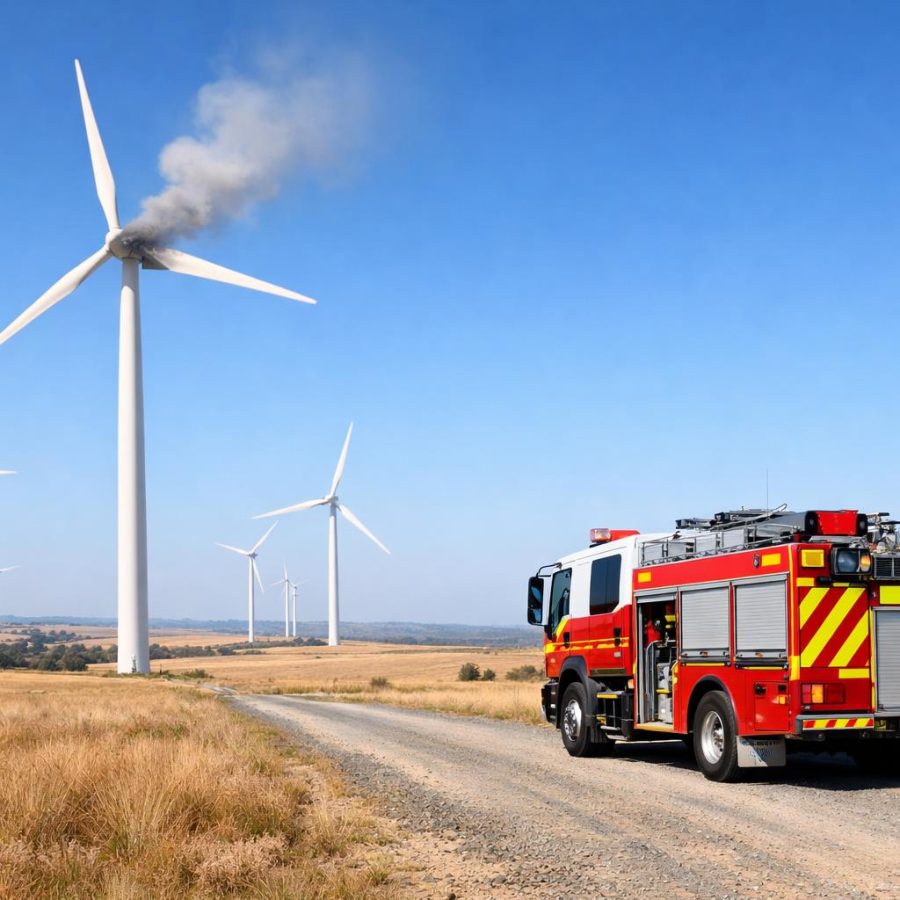
Seeing these features working together can mean the difference between a small, manageable fire and a devastating one. Emergency services rely on clear firebreaks, reliable water supplies, and uncomplicated access routes to protect properties.
Before anything happens: simple preparation steps
- Create and maintain firebreaks: Clear vegetation and combustible materials from around your home and along property boundaries. Firebreaks should be at least 3 metres wide, depending on local regulations.
- Keep dams clean and accessible: Ensure dams have sufficient water levels and clear surrounding vegetation to allow easy access by fire trucks.
- Check access ways: Maintain driveways to be wide enough (minimum 4 metres) and clear of overhanging branches or obstacles. Include turning spaces where possible.
- Mark gates and access points clearly: Use reflective signs and ensure gates are unlocked or have easy access codes for emergency services.
- Regularly inspect your property: Check for new hazards such as fallen branches, weeds, or debris and remove them promptly.
Building a home checklist around rural property firebreaks dams and access for fire trucks
- Fire-resistant landscaping: Use low-flammability plants and avoid dense shrubbery close to your house.
- Safe distance: Keep flammable materials, including firewood piles and fuel tanks, at least 10 metres away from your home.
- Water sources: Have hoses connected to your dam or rainwater tanks that can reach all sides of your house.
- Access for vehicles: Ensure your driveway surface is stable and firm, suitable for heavy firefighting vehicles.
- Emergency equipment: Have tools like rakes, shovels, and fire extinguishers ready and easy to find.
What to do when warnings appear
When fire danger warnings or bushfire alerts are issued, it’s important to act calmly and promptly. Review your rural property firebreaks, dams and access for fire trucks to confirm they are clear and ready.
- Ensure gates are unlocked and access signs visible.
- Top up water levels in dams or tanks if possible.
- Remove any newly fallen debris or leaves near the house and firebreaks.
- Prepare emergency kits and vehicles for possible evacuation.
- Stay informed through official channels such as the Rural Fire Service or local council.
During the event: staying safe and staying informed
If a fire approaches, safety is the priority. Use your property’s firebreaks and access points if you need to evacuate or shelter. Emergency crews will appreciate clear access and water sources to fight the fire effectively.
- Keep communication devices charged and close by.
- Follow instructions from emergency services without delay.
- Use firebreaks to create safe zones and control the spread of fire around your home if staying to defend.
- Do not obstruct access roads or water points.
- Report any damage or issues to local emergency services once safe.
After the event: clean-up, claims and care
Once the fire danger has passed, take time to assess your property calmly. Start by checking the condition of your firebreaks, dams and access for fire trucks to ensure they are intact or identify areas needing repair.
- Document any damage with photos for insurance claims.
- Clear fallen debris safely and repair fences or gates.
- Restock emergency supplies and tools used during the event.
- Consider consulting with local fire services for advice on improvements.
- Take care of your family’s emotional and physical wellbeing after the stress of the event.
Talking with family, neighbours and local services
Fire safety is a community effort. Discuss your rural property firebreaks, dams and access for fire trucks with family members so everyone knows the plan and their roles.
- Coordinate with neighbours to maintain shared firebreaks and access routes.
- Share knowledge about dam locations and water access points that could support firefighting efforts.
- Attend local fire readiness workshops or meetings to stay informed.
- Build relationships with local Rural Fire Service volunteers and emergency responders.
- Encourage open communication before, during, and after fire seasons.
Putting it all together: a practical plan for rural property firebreaks dams and access for fire trucks
Developing a practical plan tailored to your property brings peace of mind and resilience. Start by mapping the layout of your firebreaks, dams, and access points with clear notes on maintenance schedules and safety checks.
Incorporate your family’s roles during different stages of fire risk, from preparation to recovery. Keep emergency contacts and local service numbers handy, and practice drills if possible.
Remember, rural property firebreaks, dams and access for fire trucks are not just about property protection—they contribute to the safety of your whole community. By taking simple, practical steps, you’re building a safer environment for everyone.
Tip from Kenno: Having worked on rural properties for years, my best advice is to keep things simple and consistent. Regularly walk your firebreaks and access tracks, especially before the summer months. Maintain your dams so pumps or buckets can be used immediately if needed. Clear around gates and make sure they open easily—every minute counts during an emergency. Most importantly, know your neighbours and share what you’re doing—it’s much easier to stay safe when you work together.
Image from Pixabay.
FireRescue Training Hub
Access practical fire and emergency study support resources, downloads, checklists, audio guides, and member-only course content.
- Course library
- PDF downloads
- Audio guides
- Checklists
Study support only. Not accredited training or a replacement for workplace procedures.
About the author and safety review
Ken Walker
Former Station Officer and fire service educator
Former career firefighter with extensive career and volunteer fire service experience.
Qualifications: Associate Diploma of Applied Science in Fire Technology; Institute of Fire Engineers studies.
Author profilehttps://www.firerescue.com.au/about-us/