Living in an off grid and tiny home offers a unique lifestyle—one that embraces simplicity, sustainability, and often, a closer connection to nature. For many Australian households, these homes provide an opportunity to reduce environmental impact while enjoying the serenity of more remote or rural settings. However, this lifestyle also comes with specific safety considerations, especially when it comes to bushfires and severe storms, which are part of Australia’s natural weather patterns.
Designing your off grid and tiny home with bushfire and storm safety in mind is not about fear but about preparedness. Thoughtful planning can greatly reduce risks and improve your confidence in managing emergencies. Safety measures tailored to your home’s size and location help protect both your family and your investment, ensuring that your off grid lifestyle remains both enjoyable and secure.

By integrating practical safety features and preparation strategies early on, you’re making a positive step towards resilience—so you can appreciate the best of what off grid and tiny home living offers without unnecessary worry.
Understanding the risk: what Off-Grid and Tiny Homes: Designing for Bushfire and Storm Safety looks like in real life
Australia’s diverse climate zones mean bushfires and storms can affect different areas in various ways. Off grid and tiny homes are often situated in locations that might be more exposed to natural hazards due to their remote or bushland settings. These homes typically rely on alternative energy sources and may not have the same fire-resistant infrastructure as traditional houses.
In real-life scenarios, bushfires can spread rapidly, embers can ignite flammable materials, and the compact construction of tiny homes can sometimes increase vulnerability if materials or design haven’t taken fire safety into account. Storms—bringing high winds and heavy rain—can cause structural damage or disrupt essential systems like water collection or solar power, which are often critical to off grid living.
Understanding these risks helps you make informed choices about site selection, building materials, and landscaping, which all play crucial roles in reducing the chances of damage and ensuring your household’s safety.
Before anything happens: simple preparation steps
Preparation is your best defence against emergencies. Here are practical steps to help you get started:
- Identify your local fire and storm risk: Check with your local council or emergency services about bushfire zones, weather patterns, and evacuation routes.
- Create a defensible space: Clear at least 20 metres around your home of dry leaves, branches, and other flammable debris.
- Use fire-resistant plants and remove combustible vegetation close to the home.
- Keep gutters and roofs clean and free of leaf litter to prevent ember ignition.
- Install and maintain smoke detectors and fire extinguishers suitable for your home’s size.
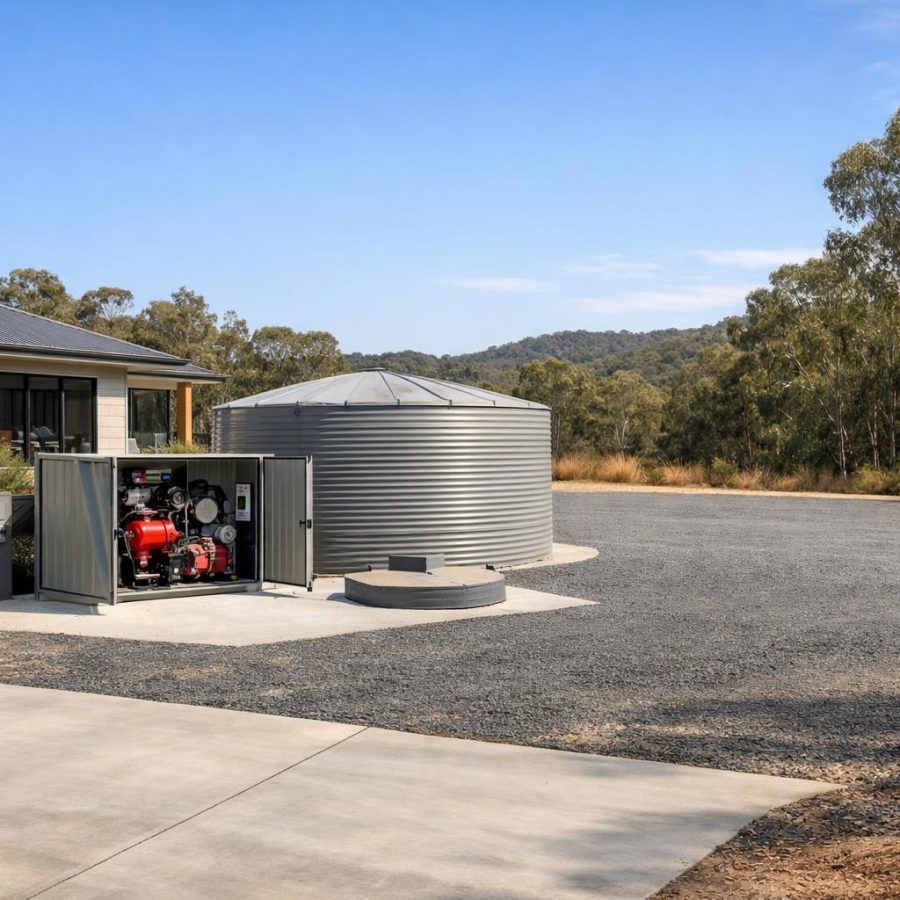
- Store water for emergency use, considering rainwater tanks or portable water containers.
- Prepare an emergency kit including essentials such as first aid, important documents, flashlights, and a battery-powered radio.
- Develop a simple family bushfire or storm plan, including shelter options and communication methods.
Building a home checklist around off grid and tiny homes
When designing or upgrading your off grid and tiny home, consider the following checklist to enhance bushfire and storm resilience:
- Material choice: Use non-combustible or fire-resistant materials for roofing, walls, and decking—metal, brick, or treated timber are good options.
- Windows and doors: Opt for double-glazed or toughened glass, and install metal shutters or fire-resistant screens.
- Roof design: Keep it simple with minimal valleys or gutters where debris can accumulate.
- Ventilation: Fit mesh screens over vents to prevent ember entry.
- Energy systems protection: Ensure solar panels, batteries, and generators have protective casings and are mounted securely.
- Water supply: Consider multiple water sources, including tanks with external taps useful for firefighting.
- Access routes: Design clear, fuel-free access paths for emergency vehicles and your own evacuation.
- Outdoor structures: Build sheds and fuel storage away from the main home and use fire-resistant materials.
What to do when warnings appear
Staying calm and acting promptly can make all the difference. When bushfire or storm warnings are issued in your area, follow these steps:
- Listen to local radio, emergency apps, or official websites for updates.
- Put your emergency kit and important documents in a ready-to-go bag.
- Prepare water containers and garden hoses for potential firefighting or storm cleanup.
- Close all windows, doors, and vents; remove flammable items from around your home’s exterior.
- Charge mobile phones and have backup power options ready.
- If evacuation is advised, leave early and follow safe routes away from the hazard.
- If you plan to stay and defend, ensure your home is well-prepared and that you have a clear safety plan.
During the event: staying safe and staying informed
During a bushfire or storm event, your priority is safety and awareness. Here are some practical tips:
- Stay inside your home or a safe shelter away from windows and external walls.
- Keep listening to emergency broadcasts for changing conditions and instructions.
- If you smell smoke or see flames and haven’t evacuated, consider leaving immediately if safe to do so.
- Use wet towels or blankets to block gaps under doors if smoke enters the building.
- Keep water handy to dampen yourself or extinguish small spot fires, but only if it’s safe.
- Do not drive unless absolutely necessary—roads may be blocked or dangerous.
After the event: clean-up, claims and care
Once the immediate threat has passed, careful steps help you recover safely:
- Check your home and surrounding area for damage—wear protective clothing to avoid injury.
- Clear fallen branches, debris, and any smouldering material promptly to reduce fire risk.
- Document damage with photos for insurance claims.
- Contact your insurance provider to start the claims process as soon as possible.
- Be mindful of hazards like fallen power lines, unstable trees, or contaminated water supplies.
- Seek support if you or your family feel overwhelmed—local community services can assist with recovery.
Talking with family, neighbours and local services
Community connection plays a big role in safety and resilience, especially for off grid and tiny home households. Here are ways to strengthen your support network:
- Discuss your bushfire and storm plans with family, ensuring everyone understands their role.
- Share preparedness tips and alerts with neighbours—forming a neighbourhood watch or support group can be very effective.
- Keep contact details of local emergency services, fire brigades, and council offices handy.
- Attend community meetings or workshops on emergency preparedness when available.
- Consider volunteering with local fire services or emergency response teams to build knowledge and connections.
Putting it all together: a practical plan for off grid and tiny homes
Combining all these elements into a practical, clear plan ensures your off grid and tiny home is as safe as possible against bushfires and storms. Start by assessing the unique features and risks of your property, then apply the building guidelines, preparation steps, and emergency actions consistently.
Having a written and rehearsed plan helps your household respond calmly and efficiently. It should include:
- Clear roles and responsibilities for each family member.
- Evacuation routes and alternative shelter locations.
- Communication methods during and after an event.
- Checklist of supplies and maintenance tasks.
- Contacts for neighbours, emergency services, and insurance providers.
Regularly review and update your plan, especially before high-risk seasons. This ongoing attention builds confidence and resilience, allowing you to embrace off grid and tiny home living with peace of mind.
Tip from Kenno: From my many seasons living in bushfire-prone areas, I’ve learned the value of keeping things simple and practical. Focus on clearing a good defensible space around your tiny home—sometimes that’s all it takes to slow a fire’s advance. And don’t forget to test your water systems and emergency gear before the fire season hits. Little checks now save big headaches later. Make sure your family knows the plan and practises it twice a year—it’s the best way to stay calm and safe if the unexpected happens.
Image from Pixabay.
FireRescue Training Hub
Access practical fire and emergency study support resources, downloads, checklists, audio guides, and member-only course content.
- Course library
- PDF downloads
- Audio guides
- Checklists
Study support only. Not accredited training or a replacement for workplace procedures.
About the author and safety review
Ken Walker
Former Station Officer and fire service educator
Former career firefighter with extensive career and volunteer fire service experience.
Qualifications: Associate Diploma of Applied Science in Fire Technology; Institute of Fire Engineers studies.
Author profilehttps://www.firerescue.com.au/about-us/