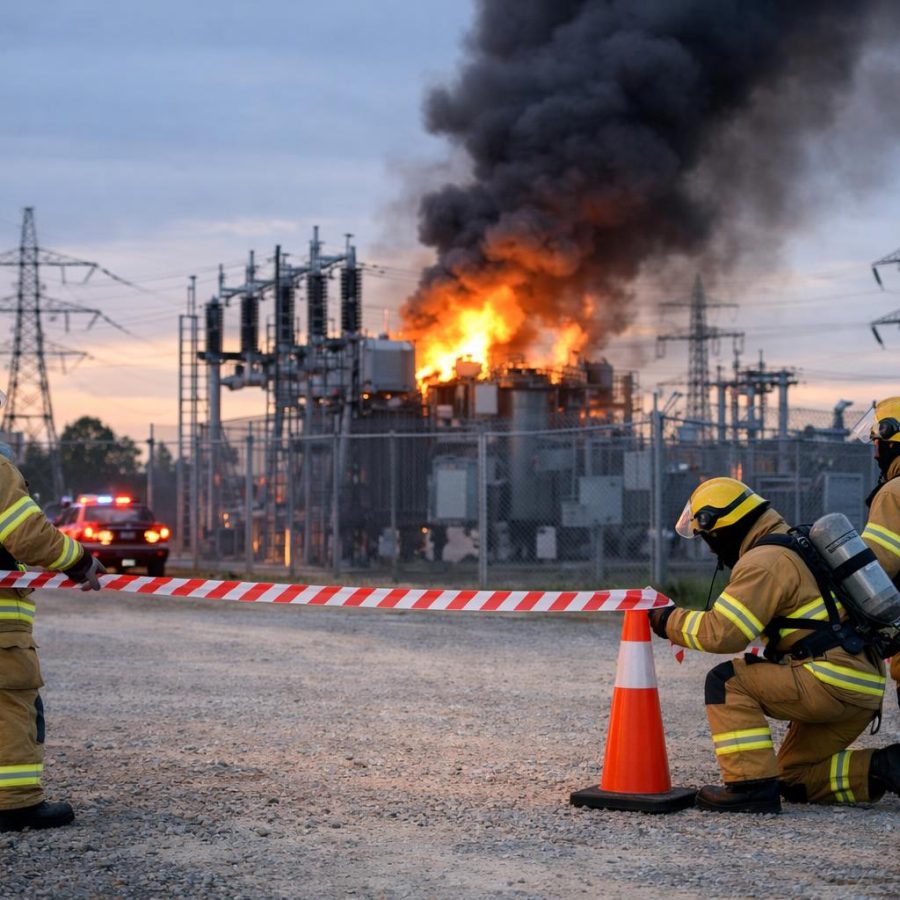
EVs, Solar and Home Batteries: New Fire Risks and Safety Steps – why it matters for Australian households
Electric vehicles (EVs), solar panels, and home battery systems are becoming increasingly popular in Australian households. These technologies offer many benefits, including lower energy bills, reduced carbon footprints, and greater energy independence. However, their integration into homes also introduces new fire risks that families should understand and manage prudently.
Awareness and practical safety steps around evs solar and home batteries can help ensure these technologies continue to provide advantages without compromising the safety and wellbeing of your household. This guide is designed to empower Australian families with calm, clear, and actionable advice on how to prepare for, react to, and recover from any fire-related events linked to these modern energy solutions.

By learning about the potential hazards and adopting straightforward precautions, you can stay safe and confident living with EVs, solar, and home batteries.
Understanding the risk: what EVs, Solar and Home Batteries: New Fire Risks and Safety Steps looks like in real life
While EVs, solar panels, and home battery units are generally safe, their electrical components and chemical energy storage can occasionally pose fire hazards. For example, damaged lithium-ion batteries used in EVs and home battery systems may overheat or experience thermal runaway, leading to fires that can be difficult to extinguish.
Real-life incidents have demonstrated that these fires can be triggered by manufacturing defects, installation errors, physical damage, or electrical faults. Solar panels and associated wiring, if not properly maintained, can also cause electrical faults leading to fire risks.
Understanding these risks doesn’t mean fearing these technologies but rather respecting their power and knowing how to spot early warning signs and respond appropriately.
Before anything happens: simple preparation steps
- Choose reputable installers: Ensure EV chargers, solar panels, and battery systems are installed by certified professionals following Australian standards.
- Regular inspections: Schedule periodic checks for wear, corrosion, loose connections, and any signs of damage or overheating.
- Keep clear access: Maintain free space around batteries, solar inverters, and EV chargers to allow airflow and easy emergency access.
- Know your equipment: Familiarise yourself with manufacturer safety instructions and emergency shutdown procedures.
- Install smoke alarms: Fit and maintain smoke detectors near battery storage and EV charging areas.
Building a home checklist around evs solar and home batteries
Creating a tailored home safety checklist can help you manage the unique risks associated with evs solar and home batteries. Consider including:
- Contact details for your installer and local emergency services.
- Inspection dates and records for all electrical and battery equipment.
- Locations of all main switches and isolation points for solar and battery systems.
- Clear labelling of circuits related to EV chargers and battery units.
- Emergency procedures for your household, including evacuation routes.
- List of emergency tools available, such as fire extinguishers rated for electrical fires.
What to do when warnings appear
Early warning signs can include unusual smells (like burning plastic), smoke, unexpected noises (buzzing or crackling), or visible damage such as scorch marks or swelling of batteries. If you notice any of these:
- Turn off the affected equipment immediately if safe to do so.
- Disconnect your EV charger or turn off the battery system’s main switch.
- Avoid using water on battery fires; instead, use a fire extinguisher rated for electrical fires or call the fire brigade right away.
- Evacuate the premises if smoke or flames are present and call emergency services.
- Do not attempt to move or handle damaged batteries yourself.
During the event: staying safe and staying informed
In the event of a fire or electrical incident involving EVs, solar panels, or home batteries, personal safety is paramount:
- Evacuate everyone from the house calmly and quickly, following your established plan.
- Call triple zero (000) immediately and provide clear information about the situation.
- Inform emergency responders about the presence of EVs, solar systems, and batteries – this helps them take appropriate precautions.
- Keep a safe distance; battery fires can emit toxic fumes and may reignite hours after being extinguished.
- Stay updated via official sources or emergency services, and do not re-enter the property until declared safe.
After the event: clean-up, claims and care
Once the immediate danger has passed, cleaning up and recovery require care and professional support:
- Engage licensed electricians and fire safety experts to assess damage before reconnecting any systems.
- Document all damage thoroughly with photos and notes for insurance claims.
- Contact your insurance provider as soon as possible; provide them with all relevant information about the incident.
- Dispose of damaged batteries and electronic components according to local hazardous waste guidelines.
- Seek support for any emotional or physical impacts the event may have caused – fire incidents can be stressful and unsettling.
Talking with family, neighbours and local services
Open communication strengthens community safety and preparedness:
- Discuss your household’s evs solar and home batteries safety plan with all family members so everyone knows what to do in an emergency.
- Share safety tips with neighbours, especially if you live in close proximity or share common electrical infrastructure.
- Inform local fire services about your home’s energy systems to help them plan and respond effectively.
- Consider joining or forming a community emergency network to exchange advice and support.
Putting it all together: a practical plan for evs solar and home batteries
Integrating safety steps into a simple, practical plan ensures that your household can confidently live with evs solar and home batteries. Your plan should:
- Include regular maintenance and inspection schedules for all equipment.
- Clearly identify emergency shutdown procedures and isolation points.
- Incorporate evacuation routes and a communication strategy for emergencies.
- Keep updated contact lists for installers, service providers, emergency services, and the local fire brigade.
- Maintain working smoke alarms and suitable fire extinguishers.
- Involve everyone in the household in safety discussions and drills.
By taking these calm, practical steps, Australian families can enjoy the benefits of new energy technologies while keeping their homes safe and secure.
Tip from Kenno: Living with evs solar and home batteries means respecting their power and preparing wisely. I always recommend keeping a high-quality, Class C fire extinguisher handy near your battery storage and EV charger. Regularly check your systems for any unusual signs like swelling or heat, and never ignore small faults. Having a clear plan and practicing it with your family can make all the difference in an emergency. Stay calm, stay informed, and reach out to professionals if you have any doubts—your safety is worth the small effort.
Image from Pixabay.
FireRescue Training Hub
Access practical fire and emergency study support resources, downloads, checklists, audio guides, and member-only course content.
- Course library
- PDF downloads
- Audio guides
- Checklists
Study support only. Not accredited training or a replacement for workplace procedures.
About the author and safety review
Ken Walker
Former Station Officer and fire service educator
Former career firefighter with extensive career and volunteer fire service experience.
Qualifications: Associate Diploma of Applied Science in Fire Technology; Institute of Fire Engineers studies.
Author profilehttps://www.firerescue.com.au/about-us/