Fire Safety Basics
Key Takeaways: Lithium battery fires can happen suddenly and spread quickly. Knowing how to prevent these fires at home protects your family and property. Simple steps like correct charging, proper storage and regular inspection can reduce risks effectively.
Understanding how lithium batteries work and what causes them to catch fire gives you the power to keep your household safe. Follow local Australian safety advice and always be ready to call emergency services on 000 if a fire breaks out.
Understanding Lithium Battery Fire Risks
Lithium batteries power many devices in Australian homes, from smartphones and laptops to e-bikes and cordless tools. They are popular because they last long and charge quickly. However, they contain energy-dense chemicals that can catch fire if damaged or mishandled. Fires involving lithium batteries burn intensely and produce toxic smoke, making early prevention vital.
Heat, physical damage, overcharging, or manufacturing faults can cause a battery to short circuit internally. This can lead to a thermal runaway event, where the battery rapidly heats up and ignites. Knowing what triggers this helps you take practical steps at home to reduce the risk.
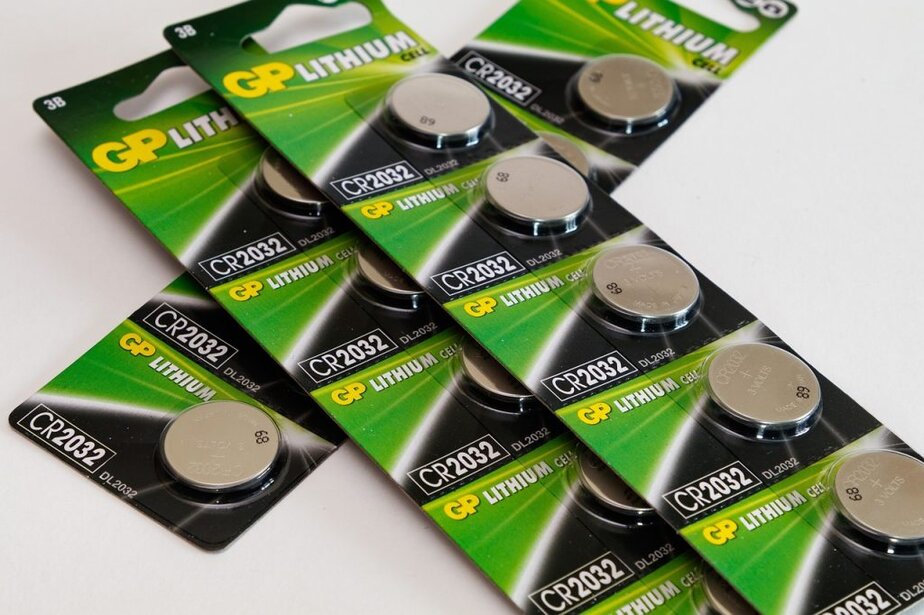
Photo by Alexei_other via Pixabay
It is also important to recognise that lithium battery fires are particularly challenging to extinguish because the chemical reactions inside the battery continue to generate heat even after the flames appear to be out. This means that a small spark or damage can quickly escalate into a serious hazard. Awareness of these risks enables you to treat lithium batteries with the caution they require.
Safe Charging Habits For Your Devices
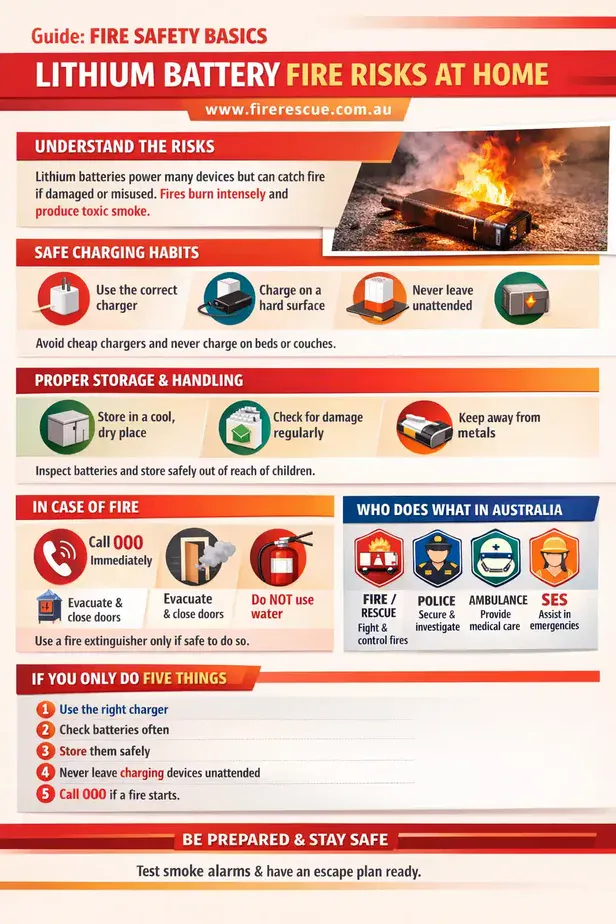
Always use the charger that came with your device or a certified replacement recommended by the manufacturer. Avoid cheap or counterfeit chargers, which may not have proper safety features. Charging on a hard, flat surface away from flammable materials is important. Never charge devices on beds, couches, or carpets.
Don’t leave batteries charging unattended overnight or for extended periods. Many devices have built-in protections, but these can fail or be bypassed by damaged batteries. Keep an eye on your devices while charging and unplug them once full. Avoid charging batteries in very hot or humid places, like near heaters or in direct sunlight.
In addition, it is advisable to charge lithium batteries in well-ventilated areas to dissipate any heat that may build up during the charging process. Using smart chargers that automatically stop charging once the battery is full can further reduce the risk of overcharging. Regularly update your device’s firmware if applicable, as manufacturers sometimes release safety improvements related to battery management.
Proper Storage And Handling Of Lithium Batteries
Store spare or unused lithium batteries in a cool, dry place out of reach of children and pets. Keeping batteries away from metal objects like keys or coins prevents accidental short circuits. If you remove batteries from devices, place them in separate plastic bags or containers.
Inspect batteries regularly for signs of swelling, leaks, or damage. If a battery looks puffed up or has corrosion, stop using it immediately and recycle it safely. Never attempt to open or puncture a lithium battery yourself. When disposing, follow local council guidelines or take batteries to approved drop-off points.
Handling lithium batteries with care also means avoiding exposure to extreme temperatures. Storing batteries in places where temperatures can soar, such as cars parked in the sun, can degrade battery quality and increase fire risk. When transporting batteries, keep them in protective cases to prevent physical damage from impacts or pressure. If you notice any unusual smell, heat, or noise coming from a battery, cease use immediately and seek professional advice.
Responding To A Lithium Battery Fire At Home
If a lithium battery catches fire, do not try to move it. Evacuate everyone from the room and close doors to contain smoke and flames. Call emergency services immediately by dialing 000. Firefighters are trained and equipped to handle lithium battery fires safely.
Do not use water to put out a lithium battery fire, as this can cause a chemical reaction making the fire worse. If you have a Class D fire extinguisher (designed for metal fires) or a fire blanket, use them cautiously. Otherwise, focus on evacuating and letting professionals manage the incident.
It is also important to remember that lithium battery fires can emit hazardous gases, so avoid inhaling smoke or fumes. If you are trained and have the correct equipment, you might attempt to smother the fire with sand or a dry powder extinguisher specifically rated for metal fires. However, the safest action is to leave the area promptly and wait for emergency responders.
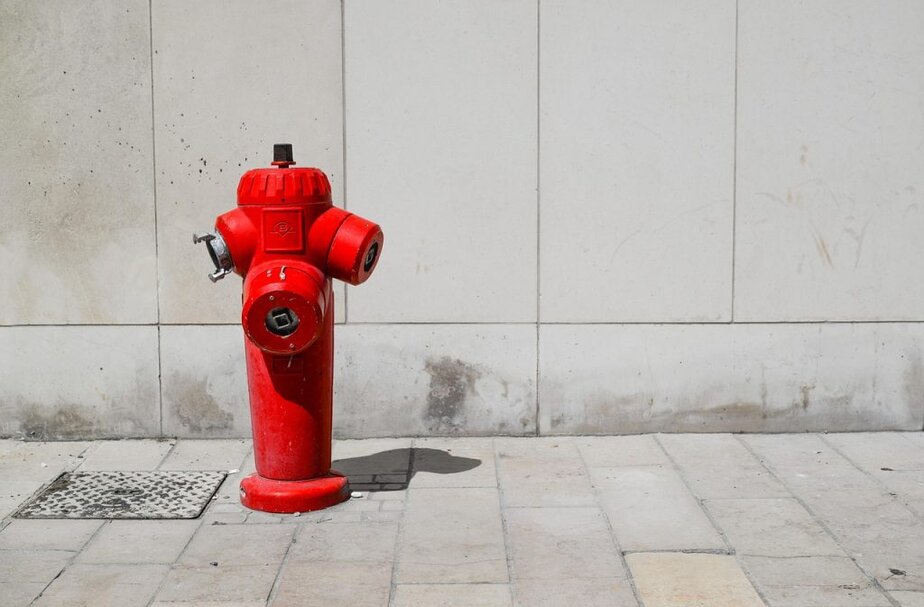
Photo by ClickerHappy via Pixabay
If You Only Do Five Things
First, always charge lithium batteries with the correct charger on a stable, non-flammable surface, and never overnight. Second, regularly check your batteries and devices for signs of damage or swelling and replace faulty ones promptly. Third, store spare batteries in a cool, dry place away from metal objects and flammable materials. Fourth, never leave charging devices unattended for long periods to catch early signs of overheating. Fifth, if a fire starts, evacuate immediately, call 000, and let fire and rescue professionals handle the situation safely.
Following these five steps consistently will significantly reduce the risk of a lithium battery fire in your home and ensure you are prepared to respond effectively if one occurs. Remember that prevention is always better than cure, and taking proactive measures protects your loved ones and property.
Who Does What In Australia
Fire/Rescue services respond to fires, including lithium battery fires, offering specialist equipment and knowledge to control and extinguish them safely. They protect lives and property.
Police manage emergency scenes, secure areas, support evacuations, and investigate incidents.
Ambulance provide medical care and transport for anyone injured or affected by smoke inhalation or burns.
SES (State Emergency Service) assist with non-fire emergencies like floods, storms, or rescues, supporting other emergency agencies as needed.
Broader Preparedness And Fire Safety Tips
Lithium battery fire prevention fits into a wider home fire safety plan. Install and regularly test smoke alarms throughout your home, making sure they are interconnected if possible. Have a clear fire escape plan that all household members know and practise. Keep a fire extinguisher suitable for electrical fires accessible.
Be aware of local fire danger ratings and warnings, especially in bushfire-prone areas. Follow instructions from local fire authorities, such as Fire and Rescue NSW or the Country Fire Authority in Victoria. Fire prevention is a shared responsibility, requiring vigilance and routine care.
Additionally, consider integrating fire safety education into family routines, especially with children. Teaching them the basics of fire hazards, including those posed by lithium batteries, helps build a culture of safety. Regularly review and update your emergency contacts and ensure that all household members know how to use fire safety equipment properly.
For households with electric vehicles or larger lithium battery systems, such as home energy storage, additional precautions are necessary. These systems should be installed and maintained by certified professionals, with clear instructions for emergency responders in case of fire. Local authorities may offer guidance specific to these setups.
Summary
Lithium battery fire prevention at home is essential in an age when these batteries power so many everyday devices. Focus on safe charging, storage, and handling practices to reduce risks. Regularly inspect your batteries and be ready to act if a fire happens. Always follow official advice and call 000 if an emergency occurs. Taking these simple steps keeps your Australian home and family safer.
FireRescue Training Hub
Access practical fire and emergency study support resources, downloads, checklists, audio guides, and member-only course content.
- Course library
- PDF downloads
- Audio guides
- Checklists
Study support only. Not accredited training or a replacement for workplace procedures.
About the author and safety review
Ken Walker
Former Station Officer and fire service educator
Former career firefighter with extensive career and volunteer fire service experience.
Qualifications: Associate Diploma of Applied Science in Fire Technology; Institute of Fire Engineers studies.
Author profilehttps://www.firerescue.com.au/about-us/