Fire Safety & Training Essentials
Stay Safe: A Practical How-To Guide for Australians
Key takeaways
Fire safety requires practical preparation, regular training, and awareness of your home and workplace environment. Simple preventative measures can drastically reduce fire risks and improve response effectiveness.
Training in fire prevention, evacuation procedures, and basic first aid is essential. Regular drills and equipment checks ensure readiness when it counts.
Compliance with Australian fire safety standards and laws provides a crucial framework but practical day-to-day vigilance and clear action plans safeguard lives and property.
Understanding Fire Risks in Your Environment
Every home and workplace has unique fire hazards. In Australia, common risks include electrical faults, unattended cooking, flammable materials, and sometimes environmental factors like bushfire proximity. Assessing your environment helps prioritise safety steps and training areas.
Start by identifying potential ignition sources such as faulty wiring, portable heaters, or chemicals stored improperly. Also consider escape routes, accessibility of firefighting equipment, and whether smoke alarms are installed and maintained to standard. Understanding these risks in detail allows you to tailor your prevention strategy effectively, whether you are in a densely populated urban area or a rural property exposed to natural hazards.
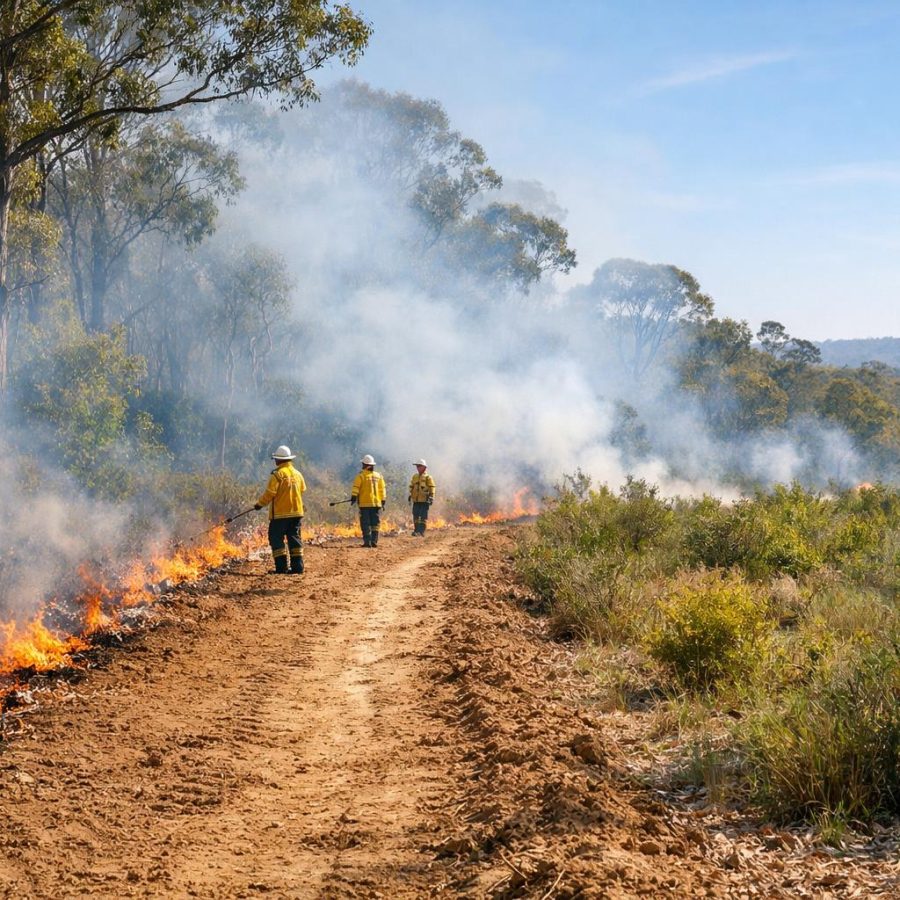
Moreover, it is vital to consider seasonal changes and their impact on fire risk. For instance, during the hot and dry Australian summer months, the likelihood of bushfires increases dramatically, especially in suburban areas bordering bushland. Homes in these regions should have additional precautions such as ember-proof vents, cleared vegetation around the property, and accessible water supplies for firefighting. Understanding local fire danger ratings and keeping abreast of weather warnings is also an important part of risk management.
Practical Steps to Fire Prevention
Maintain and Check Smoke Alarms Regularly
Smoke alarms save lives by detecting fire early. In Australia, it’s a legal requirement to have working smoke alarms on every level of your home and workplace. Test alarms monthly, replace batteries annually, and replace units every 10 years or as recommended by manufacturers. Additionally, consider installing interconnected smoke alarms that alert the entire building simultaneously, providing an extra layer of safety especially in larger homes or multi-story workplaces.
Beyond the basic smoke alarm, modern technologies such as photoelectric sensors and smart alarms can offer enhanced detection capabilities. Photoelectric alarms are particularly effective at sensing smouldering fires, which can emit smoke without flames and are common in household fires. Smart alarms can connect to your mobile devices, providing instant alerts even when you are away from the property. Integrating these systems with home automation can also enable automatic calling of emergency services, potentially saving critical minutes in a fire emergency.
Safe Use and Storage of Flammable Materials
Store flammable liquids, aerosols and combustible materials in well-ventilated areas away from ignition sources. Use proper containers and avoid overstocking. Educate all occupants or employees about the risks and safe handling practices. This includes understanding the classifications of hazardous materials and following guidelines for safe disposal. In workplaces, ensure these materials are stored in compliance with the Australian Dangerous Goods Code to mitigate risks and meet legal requirements.
Additionally, it is important to review your storage areas periodically to identify any deterioration of containers or potential leaks. Proper labelling and segregation of incompatible materials prevent accidental reactions that could lead to fire or explosion. For households, common substances such as petrol, paint thinners, and cleaning solvents should never be stored near heaters, stoves, or electrical outlets. Implementing a fire-safe cabinet for flammable storage adds an extra layer of protection, especially in workplaces where quantities may be larger.
Electrical Safety and Maintenance
Faulty electrical equipment is a leading cause of fires. Regularly inspect cords and plugs for damage, avoid overloading power points, and use licensed electricians for repairs or installations. Switch off appliances when not in use, especially heaters and cooking devices. Incorporate routine electrical safety audits in your maintenance schedule and consider installing residual current devices (RCDs) that can quickly cut power in the event of a fault, significantly reducing fire risk.
In addition to physical inspections, keep an eye on warning signs such as flickering lights, burning smells, or frequent circuit breaker trips. These may indicate underlying electrical faults that require immediate professional attention. For workplaces, implementing a comprehensive electrical maintenance program aligned with Australian Standards ensures ongoing compliance and safety. Training staff on the risks associated with temporary wiring setups, such as those used during construction or events, further reduces fire hazards.

Photo by Quanlecntt2004 via Pixabay
Fire Safety Training: What to Include
Training improves confidence and outcomes during fire emergencies. For Australian homes and workplaces, it should cover prevention awareness, emergency response, evacuation plans, and basic first aid. Training sessions should be interactive and tailored to the specific environment, whether it’s a family home, a small business, or a large industrial site. Including scenario-based exercises helps participants practice decision-making under pressure.
Engaging professional fire safety trainers or local fire services to deliver training can enhance credibility and ensure up-to-date practices. In workplaces, appointing fire wardens and conducting refresher courses at regular intervals helps maintain preparedness. For families, involving children in age-appropriate training fosters awareness from an early age and encourages responsible behaviours around fire hazards. Incorporating multimedia tools such as videos and virtual reality can also enrich learning experiences.
Understanding Fire Extinguishers and Equipment
Learn the types of fire extinguishers and their appropriate uses. For example, water extinguishers are not suitable for electrical fires. Regularly check that extinguishers are charged, accessible, and clearly marked. Training should include hands-on demonstrations on how to operate extinguishers safely and effectively. Additionally, workplaces should maintain clear signage indicating the locations of firefighting equipment and ensure all staff know how to access and use them.
Familiarity with fire blankets, hose reels, and sprinkler systems is also beneficial. Knowing when and how to use these tools can make a critical difference in controlling or suppressing a fire before it spreads. Regular maintenance checks and servicing of firefighting equipment in accordance with Australian standards help ensure reliability. Encouraging a culture where equipment is reported promptly if damaged or missing supports ongoing safety.
Evacuation Procedures and Drills
Develop clear evacuation plans tailored to your property layout. Identify primary and secondary escape routes and ensure all occupants or staff know them well. Conduct regular fire drills to build muscle memory and identify potential improvements. Drills should simulate various emergency scenarios, including blocked exits or power failures, to prepare occupants for real-life complications. Also, consider the needs of vulnerable persons such as children, the elderly, or individuals with disabilities when designing evacuation strategies.
In addition to physical evacuation drills, training in communication protocols during emergencies is crucial. This includes knowing how to contact emergency services, using alarm systems, and designating roles such as muster point coordinators. For workplaces, integrating evacuation plans with business continuity strategies ensures minimal disruption. Family homes should establish meeting points outside the property and practice headcounts to confirm everyone’s safety. Reviewing and updating evacuation plans annually or after significant changes to the property maintains their effectiveness.
Basic First Aid for Burns and Smoke Inhalation
Basic first aid knowledge is critical. For burns, cool the affected area with running cold water for at least 20 minutes, cover loosely with a clean cloth, and seek medical advice if serious. Avoid applying creams or breaking blisters. For smoke inhalation, move the person to fresh air immediately and seek urgent medical help. Always encourage formal first aid training and follow official health guidance. Additionally, understanding how to perform CPR and recognising signs of shock can be lifesaving when responding to fire-related injuries.
First aid training tailored to fire-related incidents often includes managing burns of varying severity, treating respiratory distress, and recognising the symptoms of carbon monoxide poisoning. Having a well-stocked first aid kit easily accessible in homes and workplaces supports timely intervention. It is also important to educate all occupants or employees on when to call emergency medical services and how to provide clear information about the incident and victim condition.

Photo by 12019 via Pixabay
Legal and Compliance Overview
Australian fire safety laws and standards provide a framework designed to protect people and property. Compliance includes installing compliant smoke alarms, maintaining firefighting equipment, ensuring safe electrical installations, and conducting regular fire risk assessments. While this guide does not replace legal advice, staying informed and proactive with your local regulations is essential. It is important for businesses to also consider workplace health and safety legislation which may impose additional requirements, including staff training records and emergency response plans. Local councils and fire services often provide resources and inspections to assist compliance.
In addition to federal and state regulations, Australian homes and workplaces must also be aware of building codes and insurance requirements related to fire safety. Many insurance policies require evidence of compliance with fire safety standards and may offer premium discounts for properties with certified fire protection measures. Regular audits and documentation of fire safety practices not only support legal compliance but also provide peace of mind. Staying up to date with changes in legislation is critical, as fire safety regulations evolve in response to emerging risks and technological advances.
If You Only Do Five Things
Check and maintain smoke alarms monthly, replacing batteries as needed to ensure early fire detection. This simple habit significantly increases your chances of being alerted promptly in an emergency.
Develop and regularly practice a clear evacuation plan with everyone in your home or workplace, ensuring all know their roles and routes. Regular familiarity reduces panic during actual incidents.
Inspect electrical cords and appliances routinely, and never overload power points or leave heat sources unattended. Electrical fires often start unnoticed but can be prevented with vigilance.
Store flammable materials safely in ventilated areas away from ignition points, and educate all occupants about the risks. Proper storage minimizes fire spread and severity.
Attend formal fire safety and first aid training courses to build confidence and competence in emergency response. Knowledge gained can empower you to act swiftly and effectively, potentially saving lives and property.
Beyond these basics, continuous education and staying updated on fire safety innovations, such as smart smoke alarms and advanced fire suppression systems, can further enhance protection. Engaging with your local fire service for community programs and advice also helps build a culture of safety. Remember, fire safety is an ongoing commitment that benefits from regular review and adaptation to changing circumstances.
FireRescue Training Hub
Access practical fire and emergency study support resources, downloads, checklists, audio guides, and member-only course content.
- Course library
- PDF downloads
- Audio guides
- Checklists
Study support only. Not accredited training or a replacement for workplace procedures.
About the author and safety review
Ken Walker
Former Station Officer and fire service educator
Former career firefighter with extensive career and volunteer fire service experience.
Qualifications: Associate Diploma of Applied Science in Fire Technology; Institute of Fire Engineers studies.
Author profilehttps://www.firerescue.com.au/about-us/