Bushfire Preparedness Essentials
Key takeaways
Being prepared for bushfires begins well before the fire season. Understanding your local risk, creating and practising a clear plan for your household, and preparing your property can reduce danger and stress during an emergency.
Maintaining situational awareness through official warnings and weather updates, having a ready-to-go emergency kit, and knowing when to leave or stay are critical decisions that can save lives.
Australian standards and regulations support safer building practices and land management; following these along with seeking formal first aid training will enhance your bushfire readiness and recovery.
Understanding Your Bushfire Risk
Australia’s diverse landscapes mean bushfire risks vary greatly from region to region. It is vital to start with a clear assessment of your local environment, property type, and likely fire behaviour. Local fire authorities provide resources such as hazard maps, fire danger ratings, and community alerts that help you understand your level of risk.
Consider factors like the proximity to bushland, type of vegetation, terrain, and prevailing weather patterns. Also, think about how quickly fire can move around your area and if your property has defensible spaces. This knowledge informs how you prepare and respond. Additionally, understanding seasonal variations and the influence of climate change on fire frequency and intensity can help you anticipate higher risk periods and adapt your preparations accordingly.
Engaging with your local community and fire brigades can provide valuable insights and support networks. Many regions host information sessions and preparedness workshops that can deepen your understanding and connect you with others committed to safety.
Furthermore, recognising the unique microclimates within your region can greatly influence your preparedness. For example, valleys and south-facing slopes may retain moisture longer, while ridges and north-facing slopes can dry out quickly, increasing fire risk. Understanding these subtle differences can help you prioritise property management tasks and emergency planning more effectively.
It is also important to keep abreast of changes in local land use, such as new developments or changes in vegetation management, as these can alter fire risk profiles. Maintaining an ongoing dialogue with local fire authorities and councils ensures you receive timely information and community updates that could affect your safety.
Creating a Bushfire Survival Plan
Planning early and involving everyone
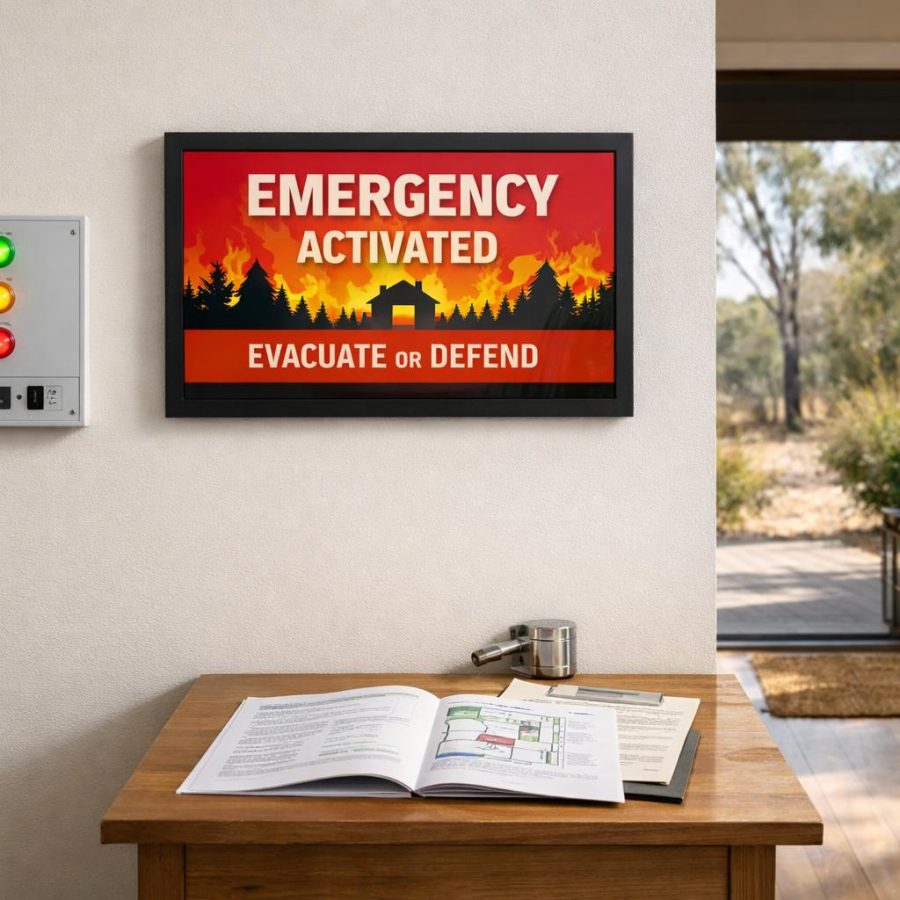
Develop your bushfire survival plan well before the fire season. Involve all household members, including children and elderly family, so everyone understands their role. Your plan should clearly state whether you will leave early or stay and defend your property, recognising that staying to defend is not suitable for everyone. Discuss what to do if you get separated and how to support neighbours who may need assistance.
Include contingency plans for different scenarios such as sudden changes in weather conditions or unexpected road closures. Practice communication protocols, especially if mobile networks are down, by agreeing on alternative ways to check in with family or emergency contacts. Consider also the psychological readiness of each family member; discussing fears and concerns openly can help reduce panic during actual emergencies.
Deciding when to leave
Leaving early, before the fire approaches, is often the safest option. Identify safe routes and alternative paths out of your area. Keep in mind traffic congestion and road closures. Plan where you will stay and how you will communicate with others if separated. Practice your evacuation route to ensure familiarity and assess timing. Take into account the needs of pets and livestock, arranging transport and shelter in advance.
Understand the triggers that should prompt your decision to leave, such as emergency warnings, changes in wind direction, or visible signs of fire. Avoid waiting until the last minute, as conditions can deteriorate rapidly. Have a checklist ready to ensure you don’t forget important items like medication, identification, and emergency kits. Inform neighbours or trusted contacts about your plans so they can assist or alert authorities if necessary.
Staying to defend
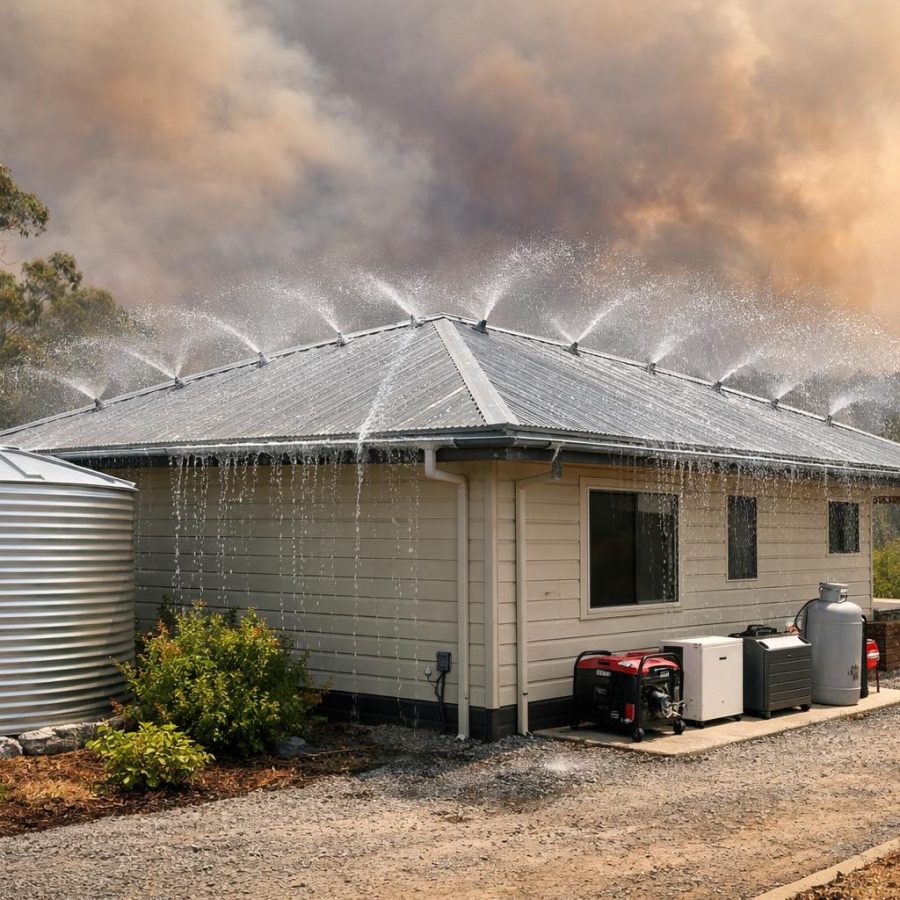
If you choose to stay and defend, your property must be prepared to a high standard, and you must be physically and mentally ready. This involves maintaining your home and creating defendable space, having firefighting equipment, and understanding fire behaviour. Always keep a battery-powered radio and listen to official advice. Be aware of the risks involved and consider your health, fitness, and experience before committing to defend. Have contingency plans if the situation worsens, including a safe place to shelter or the ability to leave at short notice.
It is advisable to undertake training provided by local fire services to better understand defensive firefighting techniques and the limitations of your equipment. Recognise that conditions can change unexpectedly, and even well-prepared defenders can be overwhelmed. Establish a buddy system with neighbours, so you can support each other and share resources during a fire event. Regularly review and update your defence plan to incorporate lessons learned from recent bushfire seasons.
Preparing Your Property
Creating defendable space
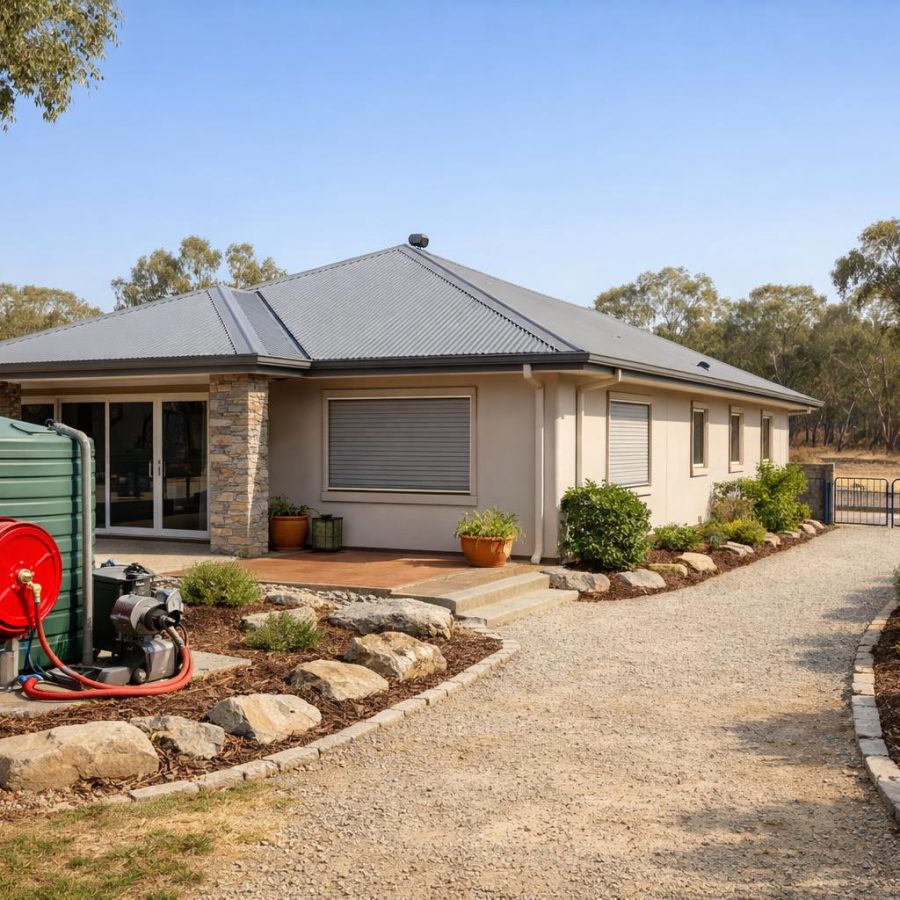
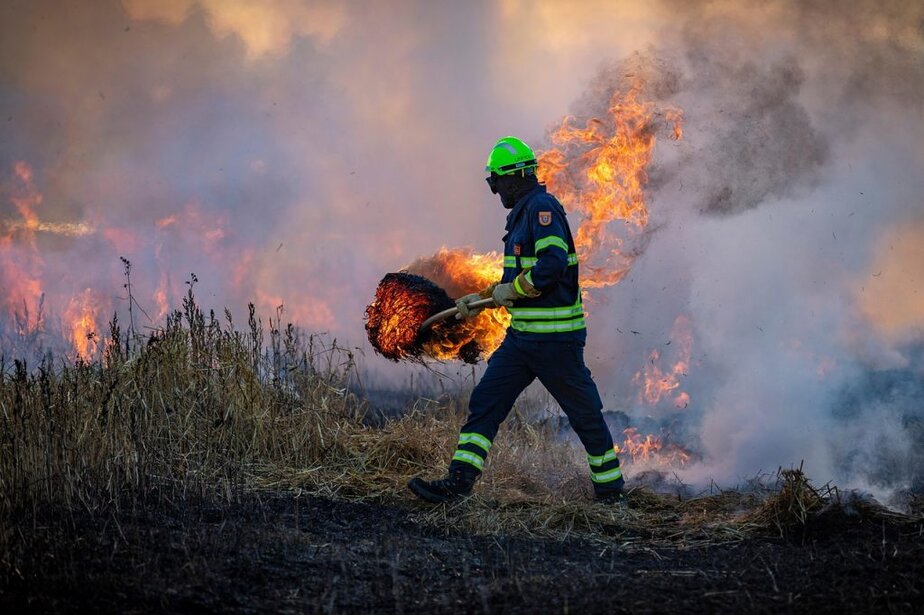
Clear vegetation and combustible materials around your home. Australian guidelines recommend maintaining a cleared area at least 20 metres wide where possible. Reduce fuel loads by regularly mowing grass, pruning trees, and removing leaf litter and dead branches. Consider landscaping choices that reduce fire risk, such as planting low-flammability species and using gravel or stone in garden beds near your home.
Beyond clearing immediate areas, assess the broader landscape around your property. Establish fuel breaks such as driveways, paths, or mown grass strips to slow fire spread. Remove any flammable debris from gutters, under decks, and around sheds. Store firewood, gas bottles, and other flammable materials well away from the house. Regularly inspect fencing and outbuildings for combustible materials and maintain them to reduce ignition risks.
Building materials and maintenance
If building or renovating, use fire-resistant materials for roofs, walls, gutters, and windows. Regularly clean gutters and maintain seals around doors and windows to prevent ember entry. Ensure vents have ember guards and that outdoor furniture is non-combustible or stored safely during fire season. Installing metal screens on vents and securing flammable curtains inside can further reduce ember risk. Routine maintenance to repair any damage or wear that could allow embers or flames to penetrate is essential.
Consider upgrading older homes by retrofitting features that enhance fire resistance, such as double-glazed windows, metal roofing, and fire-rated doors. Pay special attention to eaves, underfloor spaces, and decks, which are vulnerable points for ember attack. Maintain vegetation away from walls and rooflines to prevent flame contact. Engage with professionals experienced in bushfire construction standards to ensure compliance and maximise protection.
Water supply and firefighting tools
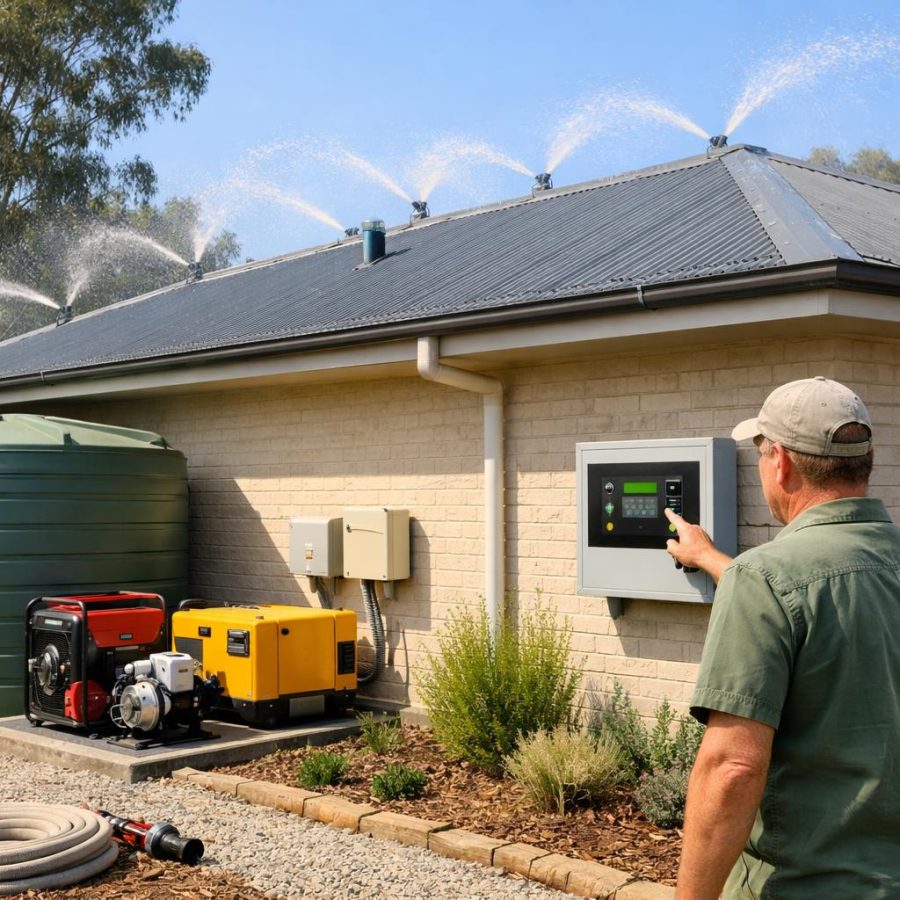
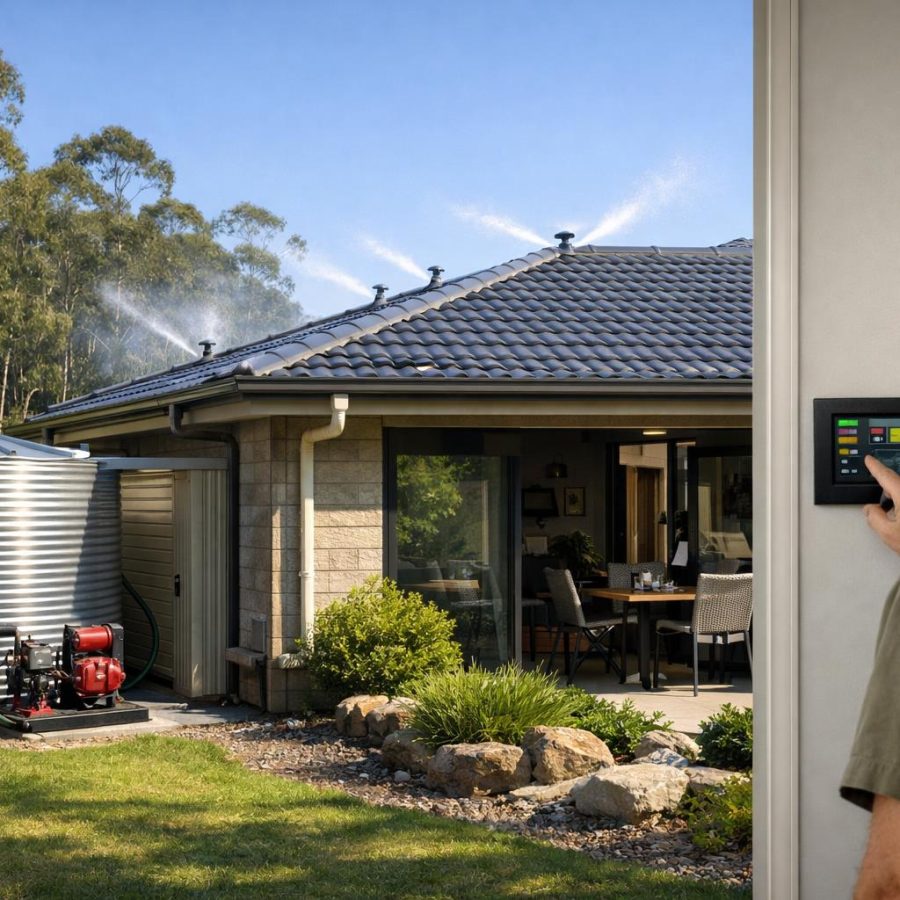
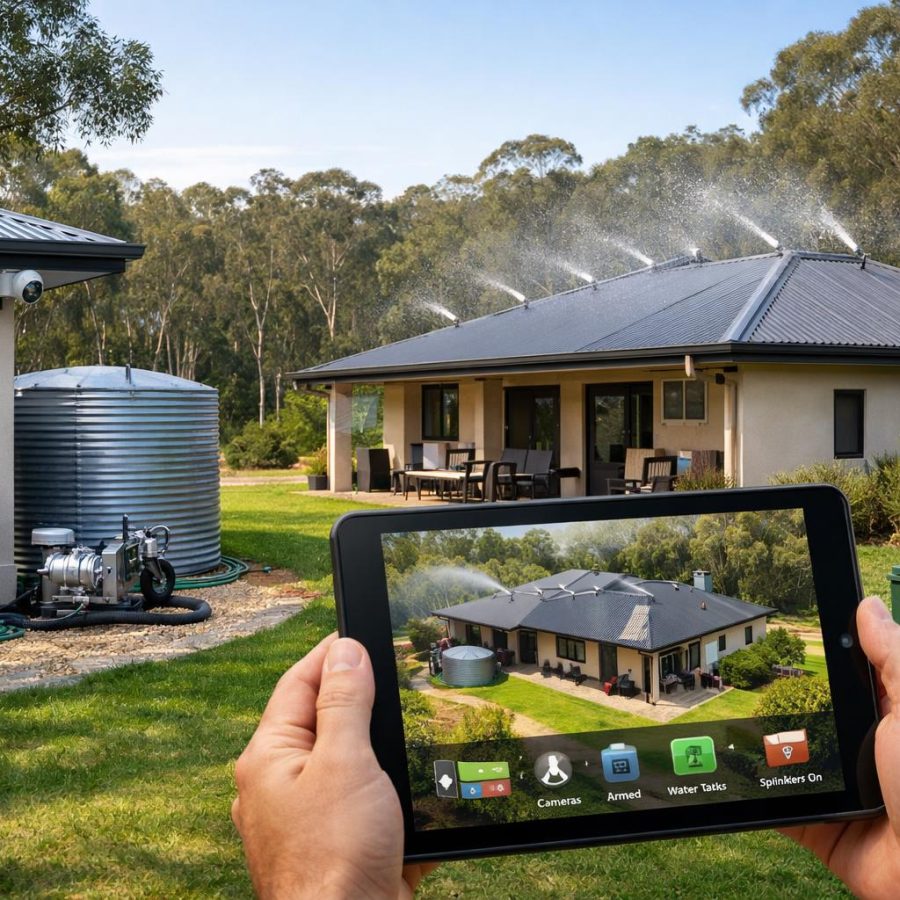
Have access to a reliable water supply such as a tank or mains with hoses long enough to reach all parts of your property. Equip yourself with firefighting tools like hoses, buckets, rakes, and a pump if possible. Know how to safely operate and maintain these tools. Practice using your equipment before fire season to ensure you are confident and efficient. Consider installing external taps and fittings designed for firefighting access, and ensure hoses are always in good condition without kinks or leaks.
In addition to basic equipment, consider investing in protective clothing such as fire-resistant gloves, boots, and masks. Keep spare fuel for pumps stored safely and check all equipment regularly for functionality. Develop a water management plan that prioritises critical areas of your property and ensures rapid deployment during fire events. Coordinate with neighbours to share resources or establish community water points for collective defence efforts.
Emergency Kits and Communication
What to include in your emergency kit
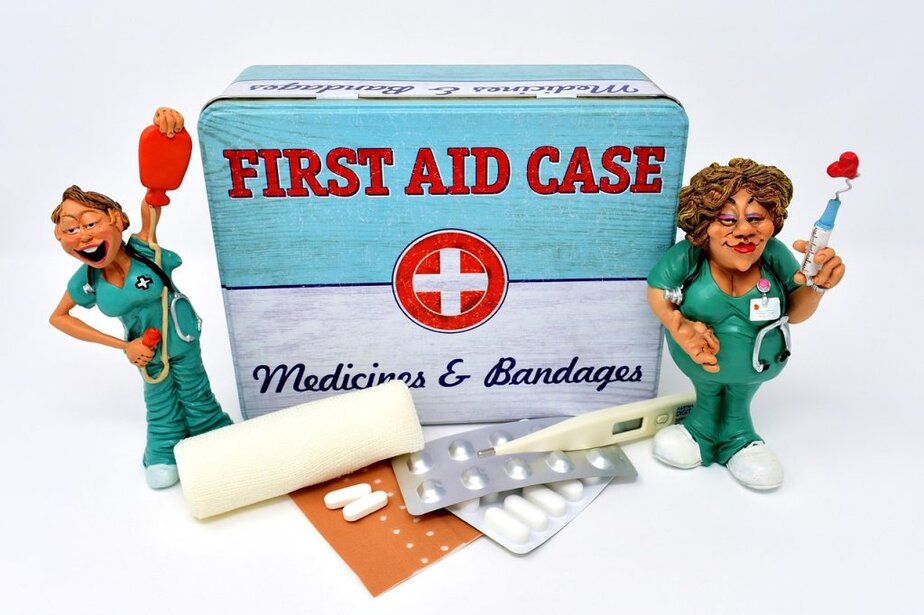
Prepare an emergency kit with essentials that support you for at least 72 hours. Include water, non-perishable food, clothing, personal documents, medications, a torch, batteries, a first aid kit, a battery-powered radio, mobile phone chargers, and cash. Consider needs of children, pets, and anyone with special requirements. Regularly check and update your kit, replacing expired items and adjusting for seasonal changes. Include copies of important documents such as insurance papers, identification, and medical information in waterproof bags.
Beyond the basics, think about including comfort items such as blankets, sunscreen, insect repellent, and hygiene products. A list of emergency contacts, maps of your area, and a whistle can also be invaluable. Store your kit in an easy-to-carry container and keep it in a location accessible to all household members. If you have multiple properties or vehicles, consider having additional kits tailored to each setting.
Communication plans
Establish how you and your family will communicate during an emergency. Carry mobile phones fully charged but also have a battery-powered radio for official updates. Agree on meeting points and emergency contacts outside your area. Monitor official sources including local fire services, emergency apps, and the Bureau of Meteorology. Consider having a portable power bank to recharge devices and learn how to conserve phone battery life during power outages. Familiarise yourself with SMS emergency alert systems and social media channels used by emergency services.
It is also wise to designate a family member or friend as a communication coordinator who can relay information if local networks become overwhelmed. Keep written notes of important phone numbers and addresses in case digital devices fail. Regularly review and practise your communication plan to ensure everyone knows how to stay connected and informed when bushfire threats arise.
Basic First Aid and Safety During a Bushfire
Smoke inhalation, burns, and heat exhaustion are common risks during bushfires. Knowing basic first aid can save lives. If someone is burnt, cool the burn with running water for at least 20 minutes and cover with a clean, non-fluffy cloth. For smoke inhalation, move the person to fresh air and monitor breathing. Encourage formal first aid training and always seek professional medical help immediately after administering first aid. Preparing your household by learning CPR and how to treat shock can be invaluable in emergencies.
During a fire, protect yourself from heat and smoke by wearing long-sleeved, natural fibre clothing, a hat, goggles, and a face mask or damp cloth over your nose and mouth. Stay hydrated and rest when possible. Avoid exertion during the hottest parts of the day and seek shade when safe to do so. Keep an eye on vulnerable household members and pets, ensuring they are also protected.
Additionally, be aware of the psychological impact bushfires can have on individuals and families. Stress, anxiety, and trauma are common and can affect decision-making and wellbeing. Establish support networks and consider professional counselling if needed. During and after a bushfire, maintain open communication within your household and community to foster resilience and recovery.
Be prepared to assist others who may be less able to care for themselves, including neighbours with disabilities, elderly residents, or those with young children. Sharing knowledge and resources strengthens community safety and can make a significant difference in crisis situations.
If You Only Do Five Things
Know your local bushfire risk and stay informed through official sources throughout the fire season. Continuous awareness allows you to adapt your plans as conditions change.
Develop and practise a clear survival plan with your family, including early evacuation routes and roles. Rehearsing your plan builds confidence and reveals any gaps needing attention.
Prepare your property by creating defendable space and maintaining fire-resistant features. Regular upkeep can significantly reduce fire impact.
Assemble a comprehensive emergency kit tailored to your household’s needs, including communication devices. Keep it accessible and ready at all times during fire season.
Learn basic first aid and stay calm, safe, and alert during a bushfire event, always following official advice. Your composure can influence others and improve outcomes.
Being prepared is not just a personal responsibility but a community effort. By taking these practical steps, Australians can increase their resilience and reduce the devastating effects of bushfires.
FireRescue Training Hub
Access practical fire and emergency study support resources, downloads, checklists, audio guides, and member-only course content.
- Course library
- PDF downloads
- Audio guides
- Checklists
Study support only. Not accredited training or a replacement for workplace procedures.
About the author and safety review
Ken Walker
Former Station Officer and fire service educator
Former career firefighter with extensive career and volunteer fire service experience.
Qualifications: Associate Diploma of Applied Science in Fire Technology; Institute of Fire Engineers studies.
Author profilehttps://www.firerescue.com.au/about-us/