Emergency services management: what’s changing and how to stay ready
Emergency services management isn’t just something that happens “out there” with uniforms and flashing lights—it’s the quiet planning that helps communities cope when things go wrong. Lately, more households, small businesses and community <a href="https://www.firerescue.com.au/language-barriers-and-accessible-information-in-emergencies/”>groups are noticing how much smoother (and safer) things run when roles, information and access are sorted early. If you come across downed powerlines, treat them as live and keep well clear.
On an ordinary weeknight, a family is trying to get dinner on the table, the phone is buzzing with group chats, and someone remembers the smoke alarm chirped last month. No drama—just the reality that preparedness has to fit around real life.
What’s changing (and why people are noticing)
“Emergency services management” can sound like a government term, but it’s really about how people, systems and decisions line up before, during and after an incident. In Australia, that includes the way households prepare, how neighbours share information, how businesses keep operating, and how responders get access and reliable details when time matters.
Several broad shifts are making this more visible in day-to-day life.
Seasonality and overlapping risks. Many communities now plan for more than one type of hazard across the year—heat, storms, flooding, grassfire conditions, and extended outages. Even when each risk is familiar, the overlap can stretch attention and routines.
Cost-of-living pressures. When budgets are tight, people delay maintenance, keep older appliances longer, or put off upgrades like better smoke alarms or clearing gutters. That’s understandable, but it means “low-cost, high-impact” actions matter more than ever.
Insurance and documentation expectations. More people are realising that being able to list what you own, what you’ve improved, and what your plan was can make recovery less stressful. It’s not about paperwork for paperwork’s sake; it’s about having the basics ready when you’re tired and busy.
Tech adoption—and tech dependence. Phones, apps, and online portals help with warnings and updates, but they also introduce single points of failure when power or mobile coverage drops. A plan that works offline is becoming a practical necessity, not a “prepper” idea.
Changing household routines. Hybrid work, kids’ activities, shift work, and shared care arrangements mean families aren’t always together. That makes simple coordination—who picks up kids, who checks on a neighbour, where to meet—more important and sometimes harder.
Higher expectations of coordination. Communities increasingly expect timely updates, clear access routes, and less confusion at the scene. That’s fair—but it also relies on residents and organisations doing their part: keeping driveways clear, providing accurate addresses, and not crowding responders.
What this means
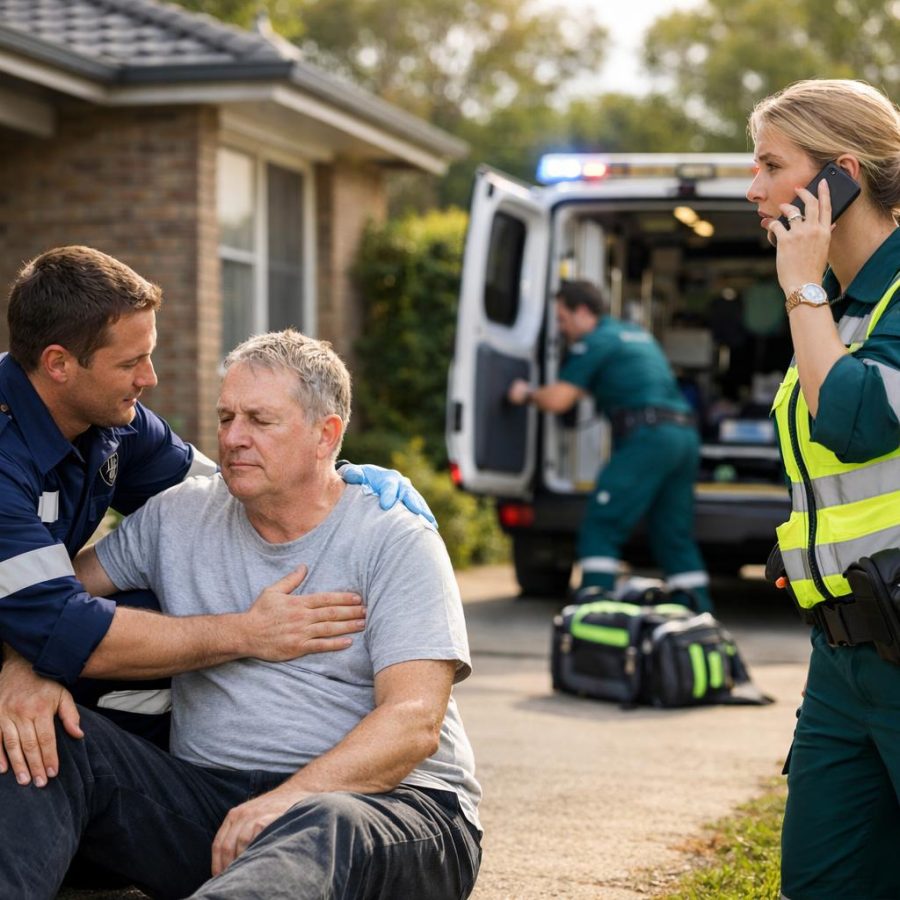
Emergency services management is a shared effort. Responders bring training and capability; the public helps by reducing preventable risks and making it easier to respond. Here are a few implications that apply across households, renters, small business and community groups.
- Information needs to be simple, consistent and shareable, because in a stressful moment people revert to whatever is easiest to remember.
- Access matters as much as equipment, so clear driveways, visible street numbers and unlocked gates (when safe to do so) can genuinely speed up help.
- Preparedness is less about buying gear and more about reducing friction—knowing who does what, where things are, and how you’ll communicate if phones fail.
- Recovery starts early, which means basic documentation, photos of key items, and a list of essential contacts can save time and reduce disputes later.
- Community capability counts, because neighbours, clubs and small workplaces often provide the first practical support while formal resources are on the way.
Good emergency management is mostly quiet work done early: clear access, clear information, and a plan that still works when you’re tired.
Practical takeaways
You don’t need a perfect plan. You need a usable one—something your household or team will actually follow on a messy day.
Today (10 minutes)
1) Choose one contact point. Pick one person outside your household or workplace who can act as a message hub if local phones are unreliable.
2) Write a two-line “if/then” plan. Example: “If we can’t get home, then we meet at [place]. If we can’t call, then we text the contact point.” Keep it short enough to remember.
3) Check your address visibility. Step outside and see if your street number is readable from the road at night or in rain. If it isn’t, make a note to fix it.
4) Do a quick access scan. Move bins, parked cars or loose items that could block a driveway or gate. Access is a safety issue for everyone.
5) Save key numbers. Store your local council, your state emergency service, and your electricity distributor fault line in your phone contacts, plus a written copy somewhere obvious.
This weekend (1–2 hours)
1) Walk your property or premises like a responder would. Look for trip hazards, narrow access, locked gates, aggressive dogs, and confusing signage. Fix what you can and note what you can’t.
2) Set up an “outage kit” that isn’t fancy. Put a torch, spare batteries, a phone power bank, a basic first aid kit, and a battery radio in one known location. Add a printed list of essential contacts and any key medical information your family chooses to keep handy.
3) Do a quick fuel and charging routine. Keep vehicles above a sensible fuel level and charge power banks when you charge phones. The routine matters more than the brand of equipment.
4) Make your communications resilient. Decide which group chat is “official” for your household or team, and agree on a simple check-in message like “OK at home” or “Going to [place].”
5) Tidy the risk hotspots. Clear gutters if it’s safe to do so, secure loose outdoor items, and store flammables appropriately. If a task needs a ladder, electrical work or specialist skills, book a professional rather than improvising.
This month (half-day)
1) Map your critical dependencies. List what you rely on: power, water, internet, refrigeration, medications, mobility aids, livestock water, point-of-sale systems. Next to each, write one backup option.
2) Create a simple property or site plan. On one page, sketch entrances, shut-offs (water/gas where applicable), hazards (like a shed with fuels), and where people should assemble. Keep it somewhere accessible.
3) Document what matters. Take photos of key rooms, tools, and serial numbers where relevant, and store them somewhere secure. This is about reducing stress later, not predicting loss.
4) Practise one scenario. Choose a realistic one: “power out overnight” or “can’t get home until late.” Do a short run-through and adjust the plan based on what was confusing.
5) Review your high-risk tasks policy. If a storm brings branches down, decide in advance: who is trained to use a chainsaw, and who is not. Chainsaw work involves tensioned timber and kickback risks, so keep it to trained operators with appropriate protective gear.
6) Check your warning sources. Decide where you’ll look for updates—BOM weather warnings, your state fire service or emergency service channels, and local council notices—and make sure more than one person knows how to access them.
Myth vs reality
Myth: “Emergency management is the job of emergency services, not households.”
Reality: Responders do the specialised work, but everyday readiness—clear access, accurate information, basic plans—helps them help you faster and safer.
Myth: “If my phone works, I’m covered.”
Reality: Phones are useful, but outages happen; having a written plan, a meeting point and an offline way to get updates (like a battery radio) is a practical backup.
Myth: “Renters can’t do anything meaningful.”
Reality: Renters can still plan communication, pack a small go-bag, keep access clear, and document belongings; for property changes, you can ask the agent/owner about reasonable safety improvements.
Myth: “A bigger kit is a better plan.”
Reality: The best kit is the one you can find in the dark and use without instructions; a small, organised setup beats a cupboard of random gear.
Myth: “If I’ve got insurance, recovery will be straightforward.”
Reality: Insurance can help, but recovery is still work; photos, receipts where available, and a simple inventory can reduce delays and stress.
Myth: “I should clear fallen trees myself to ‘help out’.”
Reality: Clearing can be dangerous, especially around powerlines or tensioned branches; keep well clear of downed lines and leave chainsaw work to trained operators.
Common mistakes (and easy fixes)
1) Mistake: Not knowing the exact address details. Fix: Write the full address, nearest cross street, and any tricky access notes on a card near the fridge or office phone.
2) Mistake: A driveway that becomes a storage area. Fix: Set a “clear lane” rule—bins, trailers and parked cars never block the main access path.
3) Mistake: Everyone assumes someone else is monitoring warnings. Fix: Assign a primary and backup person to check BOM warnings and your state service updates when conditions change.
4) Mistake: Relying on one communication method. Fix: Agree on a hierarchy: text first, then call, then a pre-set meeting point if comms fail.
5) Mistake: Keys, codes and gate access are a mystery. Fix: Store a spare key or access code in a safe, agreed way for trusted people, and make sure someone can open gates quickly for responders.
6) Mistake: Pets and animals are an afterthought. Fix: Keep a lead, carrier, and a small supply of food ready, and decide who is responsible for animals if you need to leave quickly.
7) Mistake: Overcomplicated plans that no one remembers. Fix: Reduce it to a one-page plan with roles, meeting point, and contact person; practise it once.
8) Mistake: Trying to “tidy up” hazards during the event. Fix: Do risk reduction ahead of time, and during an incident prioritise safety—especially staying well clear of downed powerlines and unstable trees.
9) Mistake: Community groups keeping knowledge in one person’s head. Fix: Put key steps (how to shut the venue, where the first aid kit is, who calls whom) into a shared document and review it when roles change.
How to tailor this to your situation
Homeowners
Focus on maintenance that reduces common hazards and makes response easier: clear gutters where safe, secure loose items, and keep access routes open. If you have gas, solar, batteries or a generator, make sure everyone knows the basic do’s and don’ts and when to call a licensed professional.
Consider a simple site map showing shut-offs and hazards, and keep it somewhere easy to find. If you live on a corner block or long driveway, visible numbering and clear signage can make a real difference.
Renters
Start with what you control: smoke alarms (report issues promptly), clear exits, a small outage kit, and a communications plan. Ask the property manager about practical safety items such as clearer numbering, trimming overgrown access, or replacing damaged external lights.
Keep your documentation simple: photos of belongings and a list of key contacts. If you share a home, agree on who takes what if you need to leave quickly.
Regional/remote
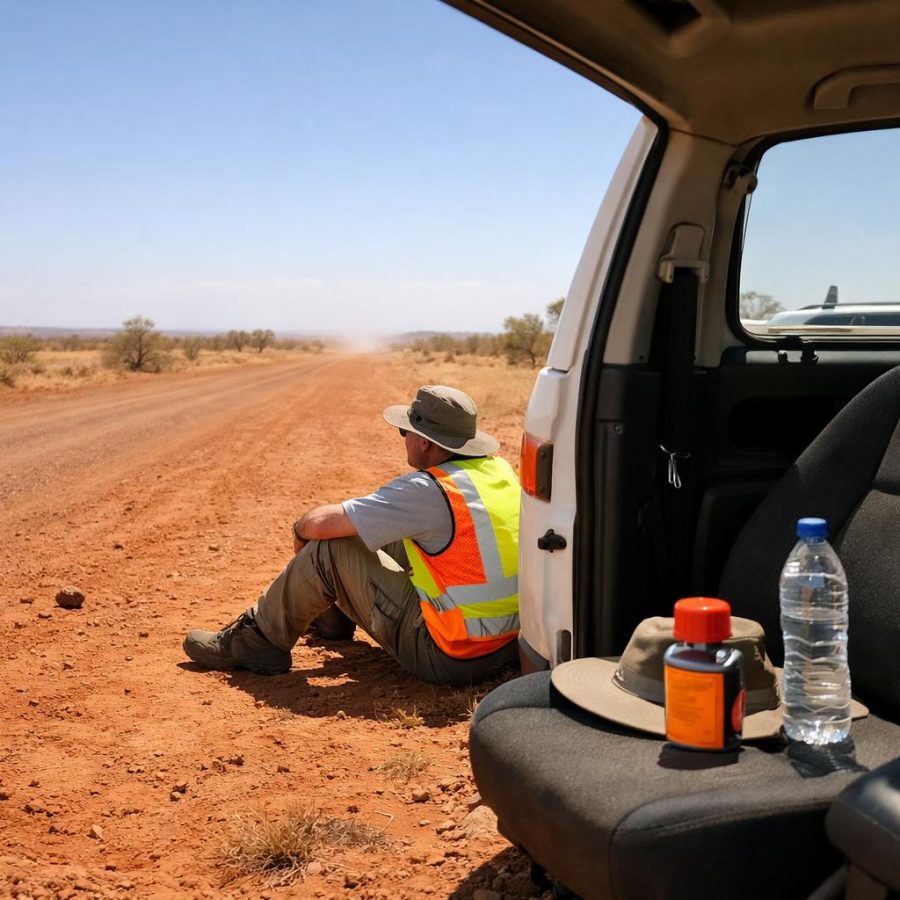
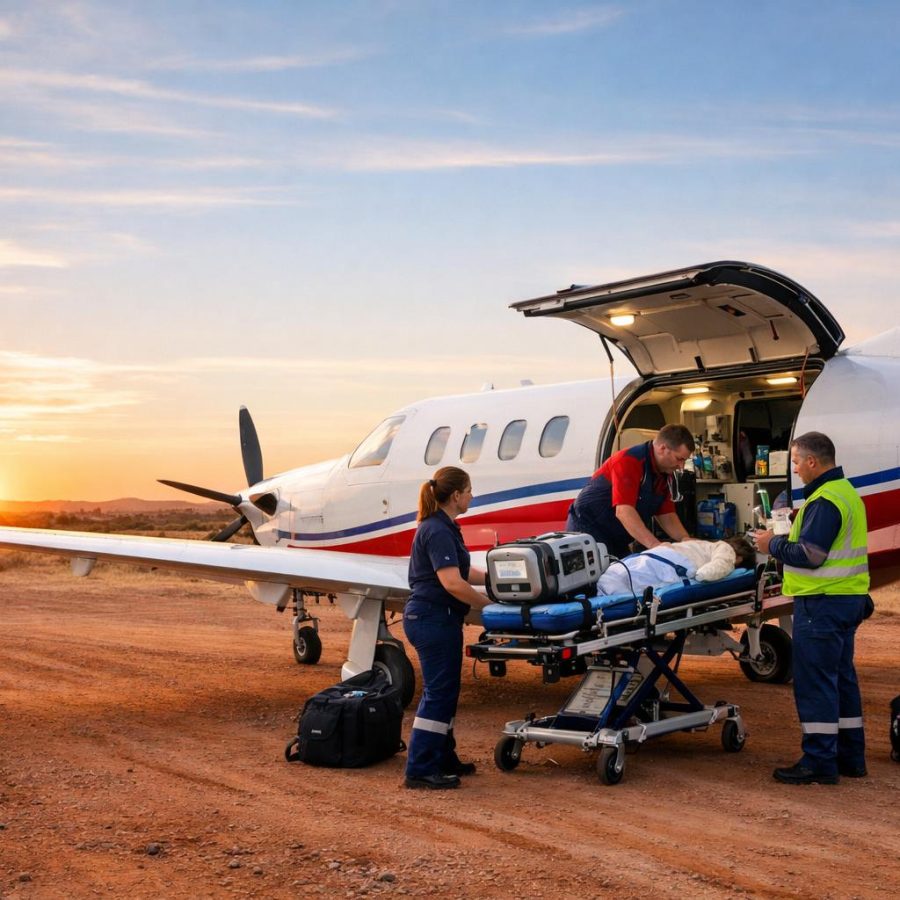
Build in extra time and redundancy. Identify what you’ll do if roads are cut or if mobile coverage drops, and consider how you’ll get updates (radio can be useful). Water, fuel, animal welfare, and medication needs often become the priority list—write them down and plan backups.
If you rely on a generator, use it safely and according to instructions, and think about noise, fumes and where it can be operated safely. For tree damage, remember that chainsaw work is best left to trained operators, and any downed powerlines should be treated as live.
Small business
Keep it operational: who can close the premises, who contacts staff, and how you’ll communicate with customers if systems are down. Back up critical records, and keep a printed list of key suppliers and account contacts in case you can’t access cloud systems.
Walk your site with “access for responders” in mind: clear loading zones, marked hazards, and a known assembly point. If you have staff, a short induction on alarms, exits and first aid kit location is a high-value habit.
A simple ‘next step’ plan
Emergency services management works best when it’s shared, written down, and revisited in small bites rather than big bursts.
Plan for the first hour, not the perfect scenario: communication, access, and the basics you can do safely.
- Write a one-page plan with a meeting point, an out-of-area contact, and two check-in messages.
- Make access easy by clearing the driveway, checking street numbers, and ensuring gates can be opened quickly.
- Set up a small outage kit in one known place and tell everyone where it is.
- Choose two reliable warning sources (such as BOM warnings and your state service updates) and assign who checks them.
- Do one short practice run and adjust the plan based on what was confusing or slow.
Preparedness doesn’t have to be dramatic or expensive to be effective. Small, steady improvements help your household, your workplace and your neighbours, and they support responders who need clear access and clear information. Aim for a plan you can live with—and keep refining it as life changes.
FireRescue Training Hub
Access practical fire and emergency study support resources, downloads, checklists, audio guides, and member-only course content.
- Course library
- PDF downloads
- Audio guides
- Checklists
Study support only. Not accredited training or a replacement for workplace procedures.
About the author and safety review
Ken Walker
Former Station Officer and fire service educator
Former career firefighter with extensive career and volunteer fire service experience.
Qualifications: Associate Diploma of Applied Science in Fire Technology; Institute of Fire Engineers studies.
Author profilehttps://www.firerescue.com.au/about-us/