Aged-Care Facilities: Lessons from Recent Disasters – why it matters for Australian households
Recent disasters across Australia have shone a spotlight on the vulnerabilities faced by aged care facilities during emergencies such as bushfires, floods, and heatwaves. These events remind us all that preparedness is essential—not only for the facilities themselves but also for families and households connected to them. Understanding the lessons learned from these incidents helps ensure the safety and well-being of elderly loved ones and the broader community.
For many Australian households, aged care facilities are more than just places for care—they are home for relatives and friends. Recognising the challenges these facilities face during disasters is a key step in fostering resilience and providing practical support. This article aims to share calm, practical advice to help households prepare thoughtfully, support loved ones, and work collaboratively with aged care providers and emergency services.
By taking small but meaningful steps, families can contribute to a safer environment for residents and reduce anxiety when emergencies strike. Awareness and preparation empower everyone to respond effectively and with confidence.
Understanding the risk: what Aged-Care Facilities: Lessons from Recent Disasters looks like in real life
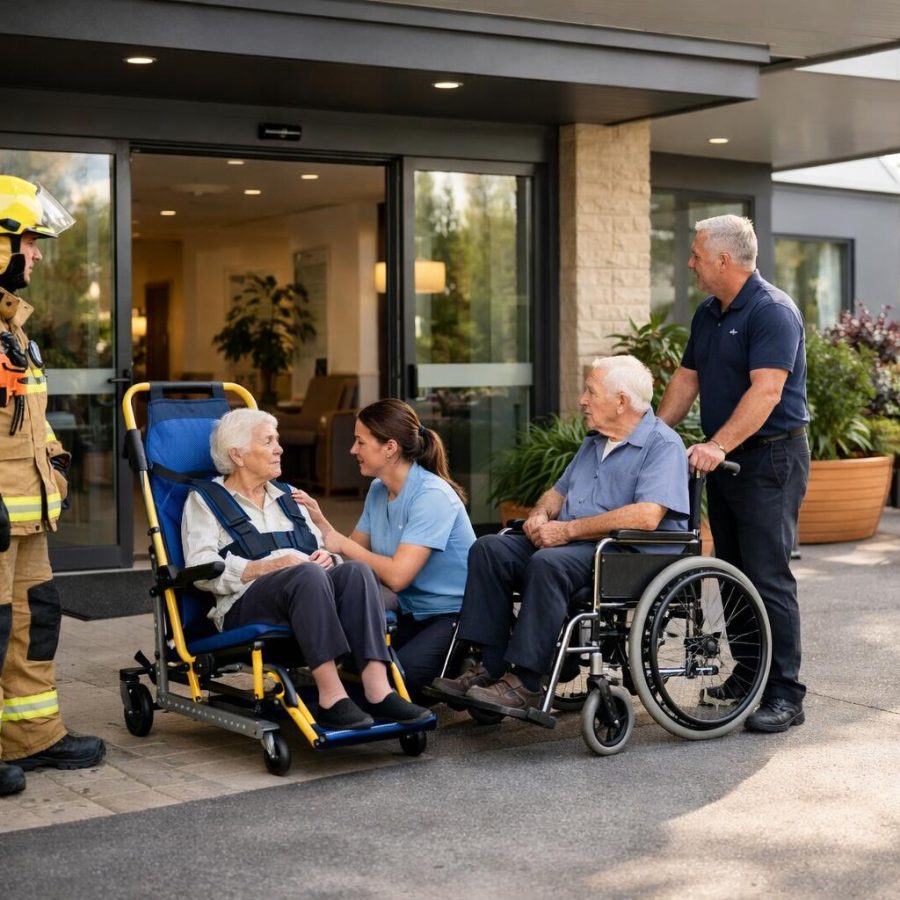
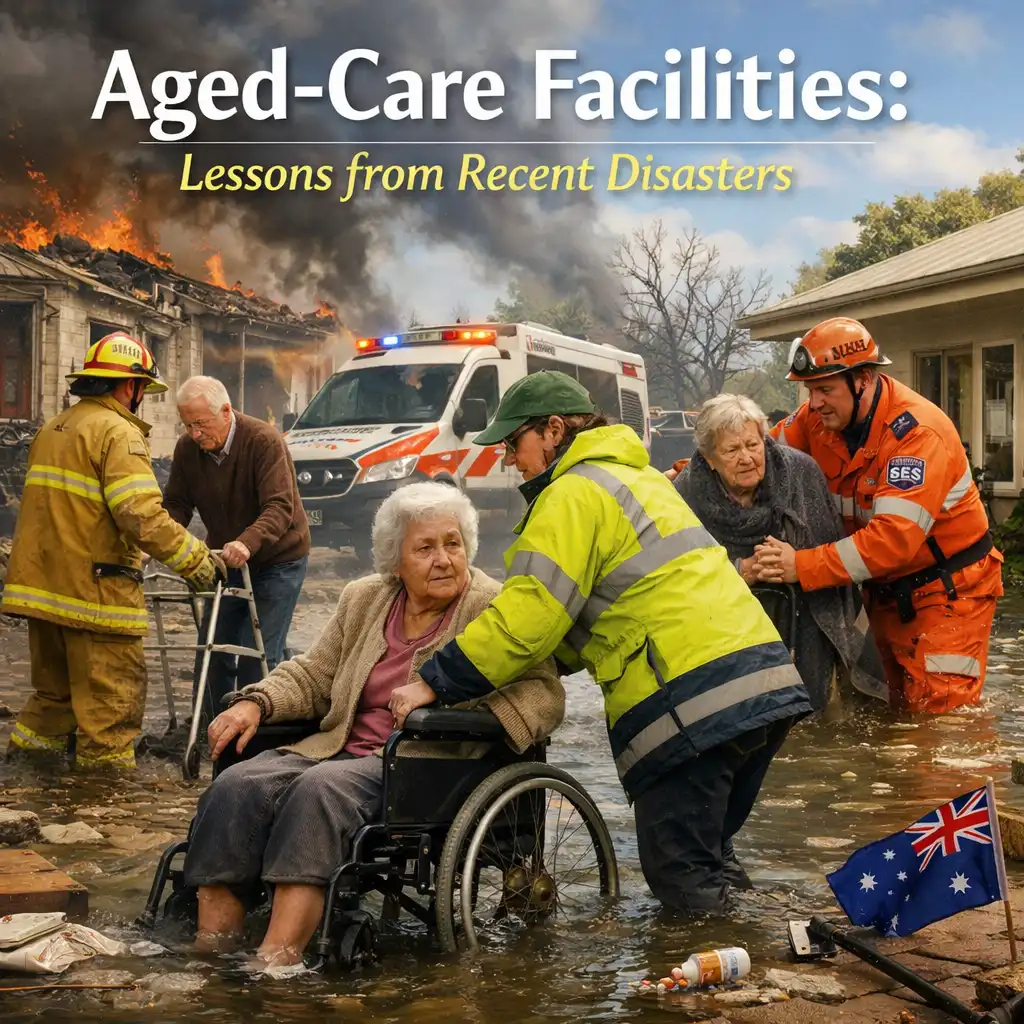
Natural disasters and emergencies can impact aged care facilities in unique ways. For example, bushfires may surround a facility, cutting off escape routes; floods can isolate residents and damage vital infrastructure; extreme heat can exacerbate health risks for older people. Recent cases have taught us how quickly situations can evolve and why coordinated responses are critical.
Some of the common challenges faced include:
- Limited mobility or medical needs of residents slowing evacuation
- Communication difficulties during power outages or network disruptions
- Staff shortages or exhaustion during prolonged emergency events
- Coordination between emergency services, facility management, and families
Understanding these risks helps households appreciate why planning and support are vital. It also highlights the importance of staying informed and connected to both the facility and local emergency updates.
Before anything happens: simple preparation steps
Preparation is the foundation of safety in any emergency. Australian households with family members in aged care facilities can take several practical steps in advance to reduce stress and improve outcomes.
- Know the facility’s emergency plan: Ask for a copy and understand evacuation procedures, shelter-in-place policies, and communication methods.
- Maintain up-to-date contact details: Keep the facility’s phone numbers and your family member’s information handy.
- Prepare a personal information pack: Include medical history, medications, mobility aids, and important documents that may be needed quickly.
- Register for emergency alerts: Sign up for local warnings (such as the Emergency Alert system) relevant to the facility’s location.
- Discuss preferences with your loved one: Talk about their wishes for evacuation, care, and communication during emergencies.
Building a home checklist around aged care facilities
Even if your elderly family member lives in a facility, your household’s readiness matters. Being prepared at home means you can be a reliable point of support and help reduce pressure on aged care staff during disasters.
Here’s a simple checklist to build your household’s readiness:
- Emergency contact list: Include local services, facility contacts, family and friends.
- Emergency kit: Stock up on essentials like water, non-perishable food, torch, batteries, and a first-aid kit.
- Communication plan: Decide how you will stay in touch if phones or internet become unreliable.
- Transport plan: Know your options for getting to the facility or helping with evacuation if needed.
- Medication and health supplies: Keep a spare supply where possible, especially for chronic conditions.
- Backup power: Consider portable phone chargers or power banks to maintain communication.
What to do when warnings appear
When emergency warnings are issued, timing and clarity are crucial. If your family member is in an aged care facility, here are practical steps to take:
- Stay calm and informed: Follow official updates from emergency services and local authorities.
- Contact the facility: Check how they are managing the situation and any instructions for families.
- Prepare to act: Assemble your information pack and be ready to assist if requested.
- Support staff decisions: Trust that trained professionals are coordinating safety measures.
Remember, acting early without panic can help protect everyone involved and reduce confusion.
During the event: staying safe and staying informed
During a disaster, maintaining communication and safety is a shared responsibility. Households with relatives in aged care facilities can:
- Keep phones charged and monitor emergency broadcasts regularly
- Limit unnecessary calls to the facility to avoid overwhelming staff but check in at agreed times
- Follow any guidance from emergency services regarding evacuations or shelter options
- Arrange transport or assistance if you are asked to collect your family member
- Provide emotional support through calls or messages, reassuring your loved ones they are cared for
After the event: clean-up, claims and care
Once the immediate danger has passed, the focus shifts to recovery and ongoing care. If the aged care facility has been affected, families can help in these ways:
- Check on the wellbeing of your family member and provide emotional reassurance
- Assist with insurance claims or government support applications as needed
- Support staff and management through positive communication and understanding
- Be patient with any temporary disruptions to services or routines
- Help with restocking supplies or coordinating donations if appropriate
Recovery can take time, and your calm support will make a significant difference to everyone involved.
Talking with family, neighbours and local services
Community connections strengthen resilience in emergencies. Discussing aged care facilities’ needs with your family and neighbours can foster a network of support and preparedness.
- Share knowledge about the facility’s emergency plans and how neighbours can help if required
- Establish a family communication tree to keep everyone informed during incidents
- Connect with local volunteer groups or neighbourhood emergency teams
- Encourage open conversations about emergency preparedness and mental health support
- Coordinate with local services to understand available resources and assistance programs
Putting it all together: a practical plan for aged care facilities
Developing a practical, adaptable plan that includes your household and aged care facilities can provide peace of mind and improve outcomes during emergencies. Key components include:
- Preparation: Know risks, maintain up-to-date information, assemble emergency kits and communicate preferences.
- Communication: Establish reliable methods to stay in touch with the facility, emergency services, and family members.
- Support: Be ready to assist with transport, emotional care, and recovery efforts as needed.
- Community: Leverage local networks and services to broaden support beyond just your household.
- Review: Regularly revisit the plan to incorporate new information or changes in circumstances.
By working together with aged care facilities, emergency services, and your community, Australian households can help protect some of our most vulnerable citizens with confidence and care.
Tip from Kenno: Having worked closely with aged care providers during multiple emergencies, I’ve learned that the simplest actions can make the biggest difference. Keep a small, well-organised folder with all important medical and contact info for your loved one at home and in the car. Regularly check in with the facility, especially during fire or flood season, and don’t hesitate to offer your help or ask questions. Calm communication and being ready to support both the residents and the staff can ease pressure and save precious time when it really counts.
Image from Pixabay.
FireRescue Training Hub
Access practical fire and emergency study support resources, downloads, checklists, audio guides, and member-only course content.
- Course library
- PDF downloads
- Audio guides
- Checklists
Study support only. Not accredited training or a replacement for workplace procedures.
About the author and safety review
Ken Walker
Former Station Officer and fire service educator
Former career firefighter with extensive career and volunteer fire service experience.
Qualifications: Associate Diploma of Applied Science in Fire Technology; Institute of Fire Engineers studies.
Author profilehttps://www.firerescue.com.au/about-us/