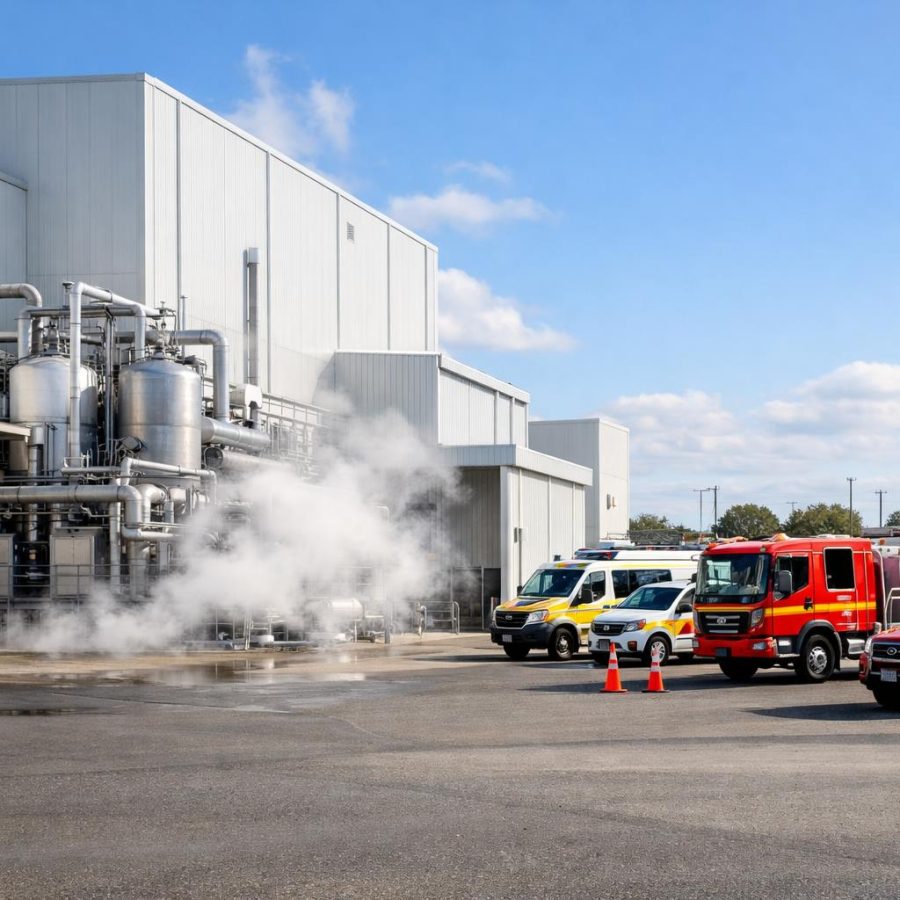
Hospitals and Clinics Under Pressure: How Communities Can Help – why it matters for Australian households
In recent years, Australian hospitals and clinics have been experiencing increased demand due to a combination of factors, including population growth, seasonal illnesses, and unexpected emergencies. When these vital health services come under pressure, it can impact how quickly and effectively people receive care. For households and families, understanding this dynamic is crucial because it helps us contribute positively to easing the strain on healthcare facilities.
Communities play a significant role in supporting hospitals and clinics under pressure by adopting practical habits, preparing in advance, and helping each other through times of increased demand. By being informed and proactive, Australian households can ensure that medical resources remain available for those who need them most, especially during times of crisis or heightened patient loads.

By working together and following simple guidelines, families can reduce unnecessary visits to hospitals and clinics, support vulnerable neighbours, and enhance overall community resilience.
Understanding the risk: what Hospitals and Clinics Under Pressure: How Communities Can Help looks like in real life
When hospitals and clinics are under pressure, the effects can be seen in longer waiting times, stretched staff, limited bed availability, and sometimes, the need to prioritise the most critical cases. This situation often arises during flu seasons, heatwaves, natural disasters, or unexpected public health outbreaks.
For example, during a severe influenza season, emergency departments may face crowds, and elective surgeries might be postponed. Similarly, during bushfire events, the local clinics might experience sudden surges in respiratory cases or injuries. These pressures can result in people not receiving timely care or feeling discouraged to seek help.
Recognising these scenarios helps households understand why it is essential to take steps that support the health system rather than add to its burden. Simple actions like managing minor illnesses at home or seeking advice from pharmacists can make a big difference.
Before anything happens: simple preparation steps
- Maintain a well-stocked first aid kit: Ensure you have essentials to manage minor injuries or ailments without immediate medical visits.
- Keep up-to-date with vaccinations: Annual flu shots and other recommended vaccines help reduce preventable illnesses.
- Learn basic health care skills: Knowing when to treat at home and when to seek professional care avoids unnecessary hospital visits.
- Register with your local GP: Establishing a relationship helps access care more efficiently during busy periods.
- Stay informed about local health alerts: Subscribe to reliable sources for updates on outbreaks or emergency services.
- Prepare a family health information pack: Include medications, allergies, and emergency contacts for quick reference.
Building a home checklist around hospitals and clinics under pressure
Having a checklist tailored to supporting your household during times when hospitals and clinics are under pressure can keep your family safer and reduce stress. Consider including these items and tasks:
- Basic medical supplies: bandages, antiseptics, pain relievers, thermometer, cold and flu remedies.
- Contact details for local health services, pharmacies, and emergency numbers.
- Clear instructions on when to visit a hospital or clinic versus when to manage at home.
- Plans for communicating with family members if someone becomes ill.
- Vaccination records and personal health histories.
- Stock of essential medications with a plan to renew prescriptions early.
What to do when warnings appear
When alerts or warnings about increased pressure on hospitals and clinics are issued, it’s important to act calmly and responsibly. Here’s what you can do:
- Stay updated through official sources like the Department of Health or local council websites.
- Follow any public health guidance regarding social distancing, hygiene, or seeking medical care.
- Consider postponing non-urgent medical appointments to free up space for critical cases.
- Encourage family members, especially those with minor symptoms, to use telehealth services or consult pharmacists first.
- Ensure that vulnerable household members have extra support and access to medications.
During the event: staying safe and staying informed
During periods when hospitals and clinics are under pressure, keeping your family safe and well-informed is key. Some practical tips include:
- Practice good hygiene: frequent handwashing, covering coughs and sneezes, and cleaning commonly touched surfaces.
- Monitor health symptoms closely; seek immediate care if serious or worsening.
- Use telehealth and phone consultations to reduce unnecessary visits to healthcare facilities.
- Keep communication lines open with your GP and local health services.
- Support neighbours who may struggle to access care or supplies.
After the event: clean-up, claims and care
Once the immediate pressure on hospitals and clinics starts to ease, there may still be ongoing challenges. Here’s how households can manage the aftermath:
- Continue monitoring health conditions, especially for those recovering from illness or injury.
- Clean and disinfect your home to prevent further spread of infections.
- Review insurance policies and understand how to submit claims for medical or property-related issues.
- Support mental health by talking about the experience and seeking professional help if needed.
- Take note of lessons learned to improve future preparation.
Talking with family, neighbours and local services
Good communication within your community is incredibly valuable when hospitals and clinics are under pressure. Consider these communication strategies:
- Discuss health plans and preparedness with family members regularly.
- Check in on elderly or isolated neighbours who might need assistance.
- Share accurate information and avoid spreading rumours or panic.
- Engage with local community groups or health services for support and updates.
- Encourage friends and neighbours to prepare their own home health checklists.
Putting it all together: a practical plan for hospitals and clinics under pressure
By combining preparation, communication, and practical actions, Australian households can significantly help alleviate the strain on hospitals and clinics under pressure. Here’s a straightforward plan to adopt:
- Prepare: Keep your home stocked, maintain vaccinations, and know your health resources.
- Prevent: Practice good hygiene and stay healthy to reduce the risk of illness.
- Plan: Have clear guidelines for when to seek care and how to support family members.
- Participate: Stay informed, help your neighbours, and use health services responsibly.
- Reflect: After events, review and improve your household health plans.
Tip from Kenno: When hospitals and clinics are under pressure, one of the best ways to help is by being prepared at home. I always keep a small medical kit handy with basics like painkillers, bandages and thermometer, and I make sure my family knows when it’s appropriate to seek medical help. Using telehealth services can also save a trip to a busy hospital. It’s all about taking small, sensible steps so the whole community can stay healthier and hospitals can focus on those who need urgent care the most.
Image from Pixabay.
FireRescue Training Hub
Access practical fire and emergency study support resources, downloads, checklists, audio guides, and member-only course content.
- Course library
- PDF downloads
- Audio guides
- Checklists
Study support only. Not accredited training or a replacement for workplace procedures.
About the author and safety review
Ken Walker
Former Station Officer and fire service educator
Former career firefighter with extensive career and volunteer fire service experience.
Qualifications: Associate Diploma of Applied Science in Fire Technology; Institute of Fire Engineers studies.
Author profilehttps://www.firerescue.com.au/about-us/