SAFETY GUIDE
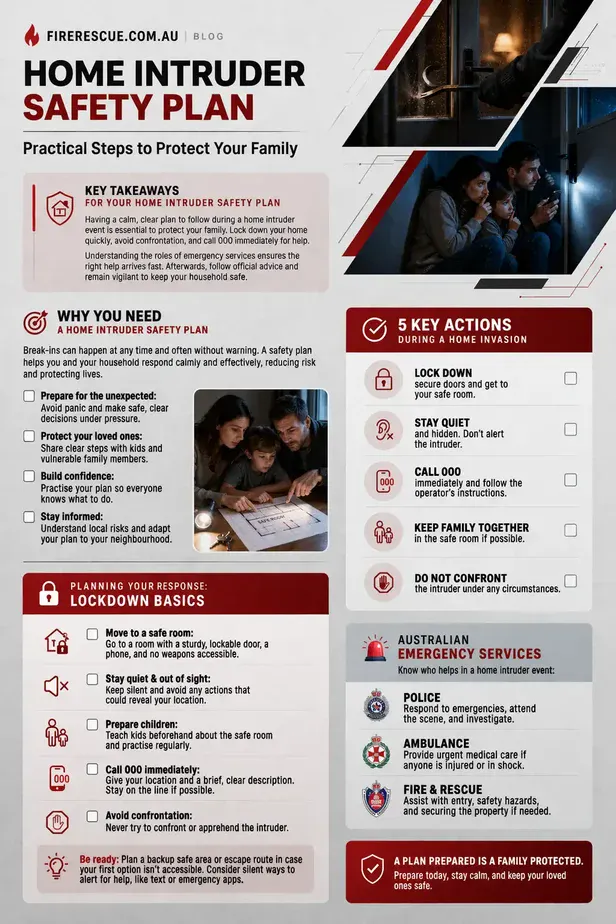
Key takeaways for your Home Intruder Safety Plan
Having a calm, clear plan to follow during a home intruder event is essential to protect your family. Lock down your home quickly, avoid confrontation, and call 000 immediately for help.
Understanding the roles of emergency services ensures the right help arrives fast. Afterwards, follow official advice and remain vigilant to keep your household safe.
Home Intruder Safety Plan
Read the practical PDF guide with clear steps to help protect your family, secure your home, and respond calmly during a home intruder emergency.
- Lock down fast and move to a safer room if possible.
- Call 000 immediately and follow instructions.
- Keep quiet, avoid confrontation, and protect loved ones.
- Use the brochure as a simple household safety checklist.
Helpful, printable, and easy to share with family members.
Why You Need a Home Intruder Safety Plan
Home break-ins can happen at any time and often take people by surprise. Without a plan, fear and confusion may lead to unsafe decisions. A Home Intruder Safety Plan prepares you and your household to respond calmly and effectively, minimising risk and protecting lives.
This plan is about more than just locking doors. It covers how to identify suspicious activity early, how to secure yourself and family members safely, and what to do after the incident. Knowing what to do can save lives and reduce trauma.
Moreover, having a plan helps reduce panic and increases your confidence during a stressful situation. It also empowers children and vulnerable family members by teaching them clear steps to follow, which can be life-saving. Being prepared means you can act decisively rather than react impulsively.
Developing a Home Intruder Safety Plan encourages discussion among household members about safety priorities and potential scenarios. This communication builds a shared understanding, ensuring everyone knows their roles and responsibilities. It also helps to identify any unique needs, such as accommodating elderly family members or those with disabilities, so that the plan is inclusive and practical.
In addition, understanding local crime trends and neighbourhood risks can inform your plan’s specifics. Some areas might be more prone to certain types of incidents, which means tailoring your strategy to address those particular threats. Staying informed through community alerts or police updates can keep your plan relevant and effective over time.

Planning Your Response: Lockdown Basics
When you suspect or identify an intruder has entered your property, your first priority is to secure yourself and your family. Immediately move to a safe room if possible. This should be a room with a sturdy lockable door, a phone, and no weapons accessible.
Keep quiet and avoid any actions that could alert the intruder to your location. If you have children, instruct them beforehand about the safe room and what to do if an intruder enters. Practising this regularly can help everyone stay calm when it matters.
Once secure, call 000 immediately. Give your location and describe the situation briefly and clearly. Stay on the line if possible, following the operator’s instructions. Do not try to confront or apprehend the intruder yourself — this can increase danger.
It’s also important to have a backup plan if your safe room is compromised. Identify secondary safe areas or escape routes in your home. Ensure that everyone knows these options and can reach them quickly. Having multiple plans increases your chances of staying safe.
In addition to preparing safe rooms, consider how to communicate silently if speaking on the phone is unsafe. Text messaging emergency contacts or using emergency alert apps can be vital when noise might give away your position. Teaching household members how to send discreet alerts ensures help can be summoned without alerting the intruder.
Regular drills and role-playing different scenarios can increase familiarity with your safety plan. This practice reduces hesitation and builds muscle memory, so actions become automatic under stress. It also helps identify gaps or challenges in the plan, allowing you to refine it continually.
Improving Home Security
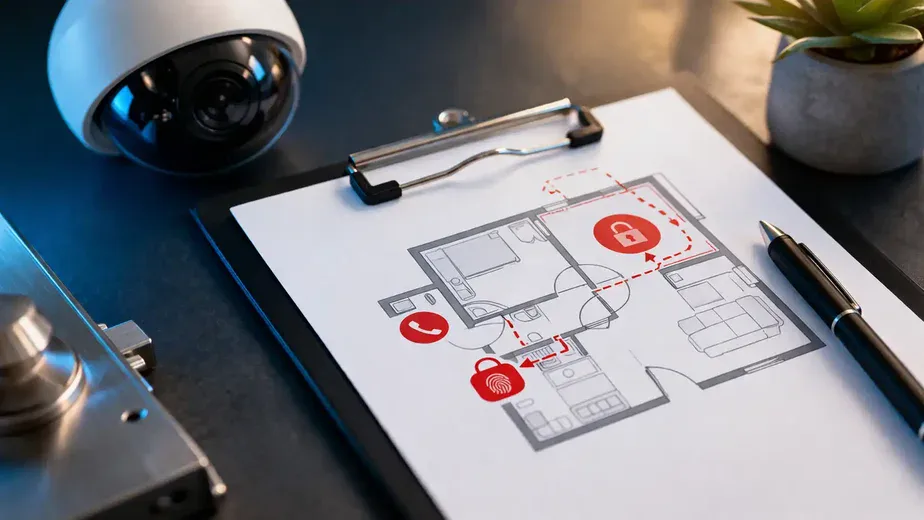
A good Home Intruder Safety Plan includes physical security measures. Lock all doors and windows, especially at night or when away. Consider installing security lighting, alarms, or cameras, which can deter intruders or provide evidence later.
Neighbourhood Watch is active in many Australian suburbs. Joining this community network helps by alerting you to suspicious activity and promoting collective vigilance.
Regularly inspect your home’s entry points for vulnerabilities, such as worn locks or poorly lit areas. Reinforcing doors with deadbolts and installing window security film can prevent easy access. Motion-sensor lights not only illuminate dark areas but can startle intruders and draw attention from neighbours.
Technology advancements have made affordable smart security systems widely available. These enable remote monitoring, instant alerts, and integration with emergency services. Using such systems can enhance your safety and provide peace of mind, especially when you are away from home.
Beyond physical barriers, landscaping can play a role in home security. Keeping shrubs and trees trimmed around windows and entrances reduces hiding spots for potential intruders. Thorny plants near vulnerable areas can act as natural deterrents. Maintaining clear sightlines from the street makes suspicious activity more noticeable to neighbours and passersby.
Consider integrating security signage to indicate alarm systems or surveillance cameras. Even if these systems are not installed, signs can discourage opportunistic intruders. However, authentic and visible security measures are always more effective than signage alone.
What To Do After the Incident
After the police and emergency services have responded, it’s important to follow official advice carefully. Do not touch anything that the intruder may have handled; this preserves evidence and aids investigations.
If you or any family members have been injured or traumatised, seek medical and psychological support. Ambulance services are available for physical injuries, and there are community mental health services that can help manage stress after traumatic events.
Consider reviewing and updating your Home Intruder Safety Plan after the incident to improve preparedness. Keeping communication lines open with neighbours and local police can also enhance your safety.
Recovery after a home intrusion can take time. It is normal to experience feelings of anxiety, fear, or vulnerability. Support groups and counselling services are available to help you and your family process the event and regain a sense of security. Don’t hesitate to reach out for help.
Additionally, document the incident thoroughly with photos and notes for insurance claims and legal purposes. Contact your insurance provider promptly to understand your coverage and begin any necessary claims process. Being organised can ease the stress during this difficult time.
It’s also wise to communicate with your neighbours after an incident. Sharing information about what happened can increase community awareness and encourage vigilance. Neighbours may also offer support or assist in monitoring your property during the recovery period.
Finally, consider enhancing your home security measures post-incident. Intruders often exploit known vulnerabilities, so addressing these weaknesses can prevent recurrence. Consulting with security professionals or local police can provide tailored advice based on your experience.
If You Only Do Five Things
First, always call 000 immediately if you suspect an intruder. The emergency services are trained to respond quickly and safely.
Second, move yourself and family members to a safe room with a lockable door and a phone.
Third, avoid attracting attention to your location. Stay quiet and do not confront the intruder.
Fourth, secure your home with proper locks, lighting, and community vigilance to reduce the risk of intrusion.
Fifth, after the incident, follow police advice and seek medical or counselling support if needed.
Who Does What in Australia
Police are the primary responders for intruders, break-ins, and any crime-related emergencies. They investigate incidents and ensure public safety.
Fire and Rescue services respond if the intruder causes a fire or if there’s a hazard such as gas leaks or structural damage.
Ambulance services provide medical care for injuries, including any caused during the incident or while escaping danger.
State Emergency Services (SES) support in emergencies involving damage to property or infrastructure, such as storm damage or when assistance is needed to secure buildings.
Understanding the specific roles of these services helps you communicate effectively during an emergency. For example, when calling 000, clearly state if there are injuries requiring ambulance attendance or if there is a fire risk that fire and rescue should address. This ensures that the appropriate teams arrive promptly and can act without delay.
Finally, maintaining a good relationship with your local police station and community emergency groups can provide additional resources and peace of mind. Many police stations offer safety audits or advice for your home security, and local SES units often run training and preparedness workshops for residents. Engaging with these resources strengthens your overall safety network.
Incorporating technology such as community alert apps or local emergency notification systems can also enhance your preparedness. These tools provide real-time updates on local incidents and enable rapid sharing of information among residents. Staying connected digitally complements physical security measures and community engagement.
FireRescue Training Hub
Access practical fire and emergency study support resources, downloads, checklists, audio guides, and member-only course content.
- Course library
- PDF downloads
- Audio guides
- Checklists
Study support only. Not accredited training or a replacement for workplace procedures.
About the author and safety review
Ken Walker
Former Station Officer and fire service educator
Former career firefighter with extensive career and volunteer fire service experience.
Qualifications: Associate Diploma of Applied Science in Fire Technology; Institute of Fire Engineers studies.
Author profilehttps://www.firerescue.com.au/about-us/