The Team Leadership Capstone: A Full Public Safety Challenge for Leading, Managing and Developing Teams
This final lesson brings the entire series together. You will apply team development, communication, feedback, training, delegation, conflict management and safe productive work through one complete leadership challenge.
Mark each section as refreshed
The full TEAM LEAD Cycle
Part 8 completes the series by applying the full TEAM LEAD Cycle. Across the series, we have used this method to organise the main leadership duties in PUATEA003. It brings together contribution, standards, feedback, development, participation, conflict management, safe conditions and final integrated practice.
In this capstone, the leader does not face one neat issue at a time. Instead, they manage a realistic combination of team input, new standards, a training need, task allocation, workplace tension and a safety concern. This reflects the practical nature of leadership in public safety work.
See leadership as a connected system
The strongest leaders do not treat team issues as isolated moments. They connect people, standards, support and workplace conditions.
Leadership works across the full team
PUATEA003 covers seven linked leadership areas. First, leaders develop and maintain the team. Next, they communicate objectives and standards. They also manage performance, support development, provide leadership, manage difficulties and maintain productive work conditions. These responsibilities support one another.
For example, poor communication may later appear as a performance issue. A missing training step may create low confidence. Weak delegation may cause frustration. In addition, unmanaged conflict can damage productive work. Therefore, good leaders look for the relationship between problems instead of handling each issue in isolation.
Use the wider view
A wider view helps leaders respond more fairly. Rather than asking only, “Who made the mistake?” they may also ask, “Was the expectation clear, was the person trained, was the task delegated properly and was the work environment supporting success?” These questions improve judgement.
This does not remove accountability. Instead, it makes accountability stronger. People still need to meet standards, yet leaders also check whether the team has the information, support and conditions required to do the work well.
Strong leadership connects the task, the standard, the people and the work environment.
Use the seven elements as a leadership checklist
The full unit gives leaders a practical way to review whether they are supporting the team properly.
Review the core duties
The elements of PUATEA003 can be used as a leadership self-check. A leader can ask whether they are actively maintaining the team, communicating clearly, supporting performance, arranging development, delegating responsibly, managing difficulties and creating safe productive work conditions.
This checklist is useful because it turns a large competency into a practical routine. For instance, before a review meeting, a leader might scan these duties and identify where the team needs attention. After a workplace challenge, they may use the same areas to reflect on what worked and what needs improvement.
Keep the checklist practical
The checklist should not become a paperwork exercise. Instead, it should guide real leadership behaviour. Each question points back to a practical action. Did I ask for team input? Did I explain the standard? Did I give feedback early? Did I arrange support? Did I address the conflict? Did I manage the hazard?
Balance support with standards
Leadership should be humane and helpful, but it must also protect required standards and organisational outcomes.
Support does not mean avoiding standards
Across this series, a common theme has appeared. Leaders support people, yet they also maintain expectations. They listen to suggestions, although they still follow organisational requirements. They give feedback respectfully, while they still address performance gaps. They encourage development, but they do not lower the standard that work must meet.
This balance matters in public safety work. A leader who focuses only on support may avoid necessary decisions. On the other hand, a leader who focuses only on standards may damage trust. Strong leadership combines both. It protects people and performance at the same time.
Use clear, fair conversations
Clear language helps maintain that balance. For example, a leader can say, “I understand this new process feels unfamiliar. We still need to apply it correctly, so let us work through the support you need.” That statement acknowledges the person and maintains the standard.
When leaders speak this way, they reduce defensiveness. They also make expectations easier to understand. As a result, the team is more likely to improve without feeling unfairly judged.
Choosing between people and standards
Effective leadership should protect both. The team needs support and the organisation needs reliable outcomes.
Support people to meet the required standard
This approach strengthens confidence, fairness and team performance together.
Capstone challenge: the full leadership scenario
This scenario brings the whole unit together. Read it as though you are the team leader.
The readiness review, new process and strained team
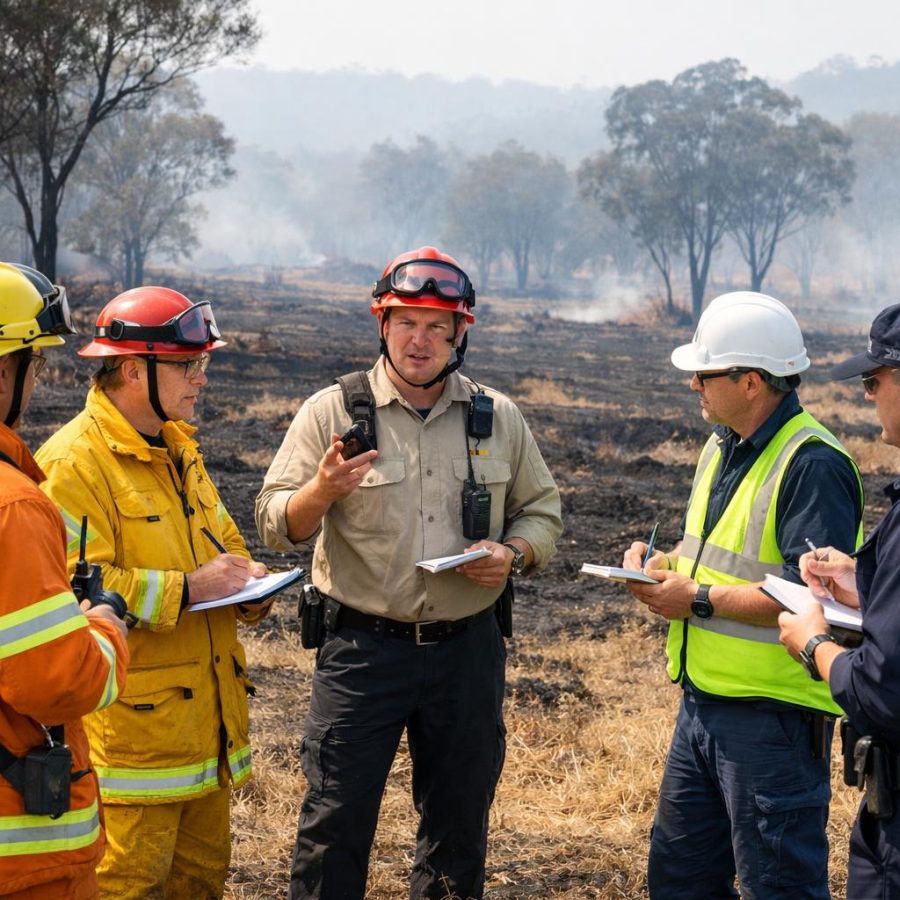
Your public safety team must introduce a revised readiness review process next month. The organisation wants stronger consistency, better documentation and clearer responsibility for follow-up actions. Some team members support the change. Others believe the current process already works well.
During an early team discussion, one experienced member suggests a better way to align the new review with existing shift routines. A newer member asks for training because the revised documents seem confusing. Another team member responds sharply and says, “It is not that hard.” The comment creates visible discomfort.
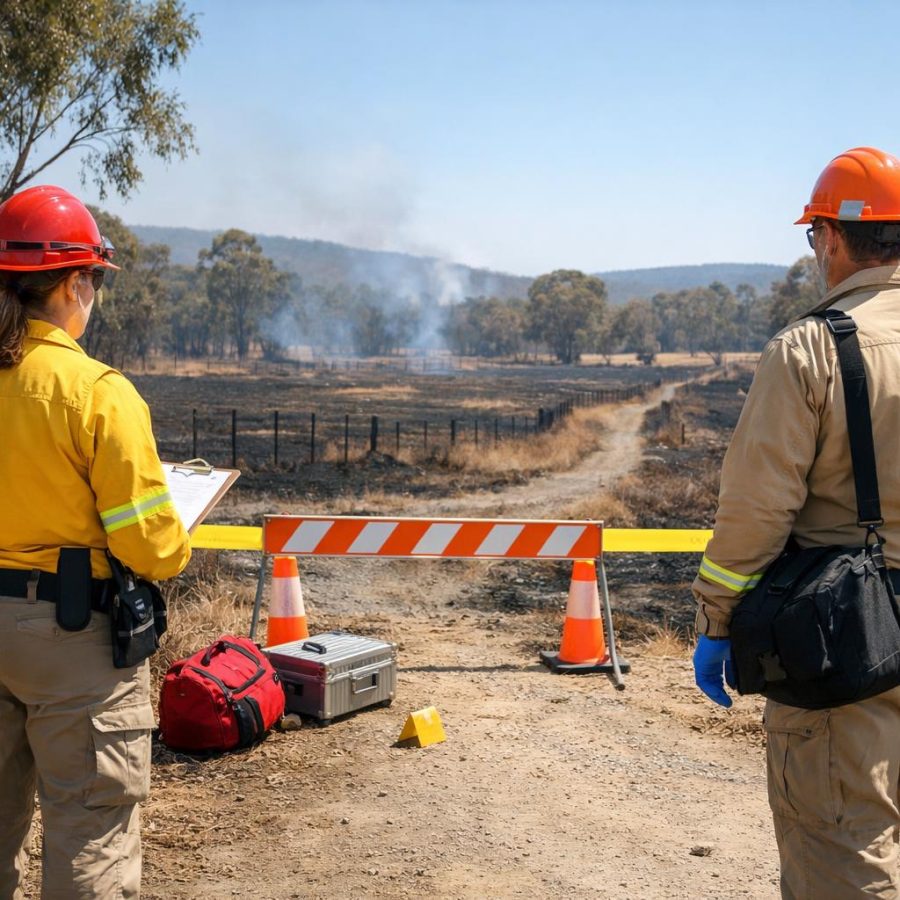
You also notice that one storage area used during the readiness review has become cluttered. A damaged trolley is partly blocking access. Meanwhile, you need to allocate tasks for the first review cycle, explain the required standard, identify training needs and keep the team focused on the organisation’s objective.
The leadership response should cover eight actions
The best answer is the one that leads the whole situation. It does not focus on one issue while ignoring the rest. Instead, it combines communication, participation, development, delegation, conflict management and safe work. That integrated response reflects the full intent of PUATEA003.
Use a final leadership action map
The action map gives leaders a simple order for responding to complex team situations.
Move from clarity to action
Complex leadership situations can feel busy. Several issues may appear at once. Therefore, a simple action map can help. Start by clarifying the objective and the standard. Next, listen to team input and identify what support is needed. Then, allocate responsibilities with care and address any difficulties that could damage the outcome.
After that, check the work environment. If a hazard or barrier exists, manage it through the correct pathway. Finally, review the outcome. This creates a leadership loop that moves from understanding to action and then to improvement.
Clarify. Listen. Support. Delegate. Resolve. Improve.
Finish the series with a practical self-check
Use this final self-check to review how confidently you can apply the full PUATEA003 leadership approach.
Can you confidently say yes?
This self-check is not a formal assessment. Instead, it is a useful refresher. It helps leaders notice areas of confidence and areas that may benefit from further study, workplace practice or discussion with a supervisor or trainer.
Check your full-series understanding
1. A leader introducing a new work practice should:
2. A development plan should be based on:
3. Delegated tasks should be:
4. If a difficulty cannot be managed within the team, the leader should:
5. Productive work conditions require leaders to:
Say the whole series in one minute
Use this final drill aloud or in your own notes:
- Build trust by seeking team input and recognising useful contributions.
- Communicate objectives, standards and workplace values clearly.
- Improve performance through fair observation, feedback and development plans.
- Support growth through training, action plans, coaching and mentoring.
- Lead through participation, innovation and careful delegation.
- Manage conflict, difficulties, referrals and workplace hazards early.
- Create safe, productive conditions where teams can deliver stronger outcomes.
FireRescue Training Hub
Access practical fire and emergency study support resources, downloads, checklists, audio guides, and member-only course content.
- Course library
- PDF downloads
- Audio guides
- Checklists
Study support only. Not accredited training or a replacement for workplace procedures.
About the author and safety review
Ken Walker
Former Station Officer and fire service educator
Former career firefighter with extensive career and volunteer fire service experience.
Qualifications: Associate Diploma of Applied Science in Fire Technology; Institute of Fire Engineers studies.
Author profilehttps://www.firerescue.com.au/about-us/