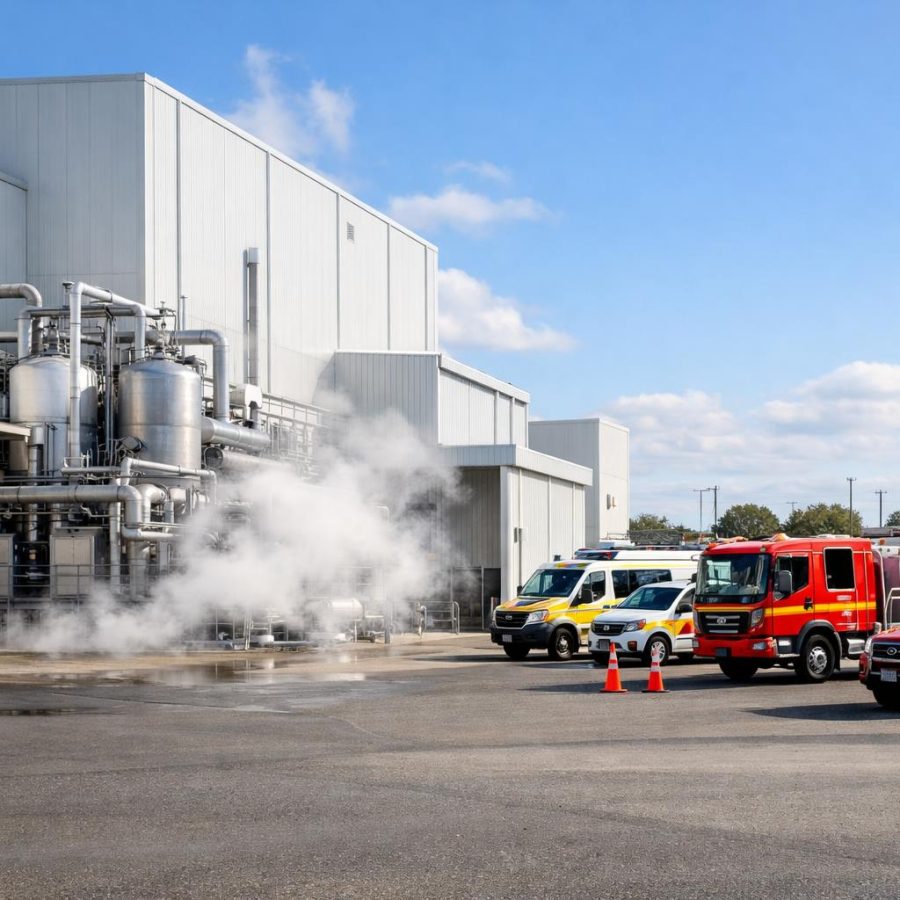
School and Childcare Emergency Plans: Questions Parents Should Ask – why it matters for Australian households
Australia’s diverse climate and geography mean natural disasters, from bushfires and floods to storms and heatwaves, can impact communities with little notice. For families with children in schools and childcare centres, understanding the school and childcare emergency plans is essential. It provides reassurance that your child will be cared for and kept safe, even when the unexpected happens.
Having clear answers to key questions about emergency plans helps families feel prepared rather than anxious. It also encourages better communication between parents, carers, and education providers, building a stronger safety net for children.
Whether you live in a metropolitan area or a regional town, taking the time to explore school and childcare emergency plans ensures you can respond calmly and confidently during an emergency.
Understanding the risk: what School and Childcare Emergency Plans: Questions Parents Should Ask looks like in real life
Emergency plans at schools and childcare centres vary based on location and the risks specific to that area. For example, a centre in northern Queensland may focus heavily on cyclone readiness, while a school near bushland in Victoria will prioritise bushfire response.
Typical school and childcare emergency plans may include:
- Evacuation procedures and safe assembly points
- Lockdown drills for intruder or security threats
- Communication protocols for keeping parents informed
- Arrangements for shelter-in-place during extreme weather
- Staff training and drills to ensure preparedness
By asking questions about these areas, parents can better understand how a centre or school is managing potential emergencies and feel more confident in the care environment.
Before anything happens: simple preparation steps
Preparation is the best way to reduce stress and confusion during an emergency. Here are practical actions parents can take now to support school and childcare emergency plans:
- Request a copy of the emergency plan from your child’s school or childcare centre to read through.
- Discuss with your child what to expect during drills and emergencies so they feel less scared.
- Ensure your contact details are up to date with the school or centre, including alternative emergency contacts.
- Coordinate with other parents or caregivers to arrange backup childcare or pick-up if needed.
- Prepare a small emergency kit in your child’s backpack with essentials like snacks, water, and any medications.
Building a home checklist around school and childcare emergency plans
Supporting emergency preparedness isn’t just about the school or centre—it extends to your home too. A practical checklist can help your family be ready:
- Know your home’s emergency evacuation routes and safe spots.
- Keep important documents, including medical information and school contacts, in a secure and accessible place.
- Establish a family meeting point in case you get separated during an emergency.
- Teach children how to call emergency services and when to use them.
- Have a list of emergency numbers visible on the fridge or near a phone.
Creating this checklist as a family encourages everyone to be aware and prepared.
What to do when warnings appear
Emergency warnings from Australian authorities are designed to give families time to act. When you receive alerts about bushfires, floods, severe storms, or other hazards, here are steps to follow:
- Stay informed through official sources such as the Emergency Alert system, Bureau of Meteorology updates, and local council communications.
- Check in with the school or childcare centre for any specific instructions or changes to usual routines.
- Prepare to pick up your child early if advised, but avoid rushing to reduce congestion and risk.
- Make sure your emergency kit is ready for immediate use, including clothes, food, water, and medications.
- Communicate your plans with other family members and ensure everyone knows what to do.
During the event: staying safe and staying informed
During an emergency event, maintaining calm and following the established emergency plans is crucial. Schools and childcare centres will generally have trained staff leading children through safety procedures.
If you are at home or nearby, keep these tips in mind:
- Trust the school’s emergency procedures and avoid unnecessary contact that might distract staff.
- Keep your phone on and monitor emergency broadcasts for updates.
- Follow any evacuation or shelter-in-place instructions promptly if you are with your child.
- Provide reassurance to your child; children pick up on their parents’ emotions and calmness helps them stay composed.
- If you can’t reach the school or childcare centre, contact local emergency services for guidance.
After the event: clean-up, claims and care
Once an emergency has passed, there may be a period of clean-up and recovery. Schools and childcare centres will often communicate with families about when it is safe to return and any support available.
Parents should consider the following:
- Check in with your child about their experience and listen to any concerns or fears they may have.
- Talk to educators about how children are coping and what support might be available.
- Document any damage to school property or personal belongings for insurance or claims purposes.
- Take care of your family’s emotional wellbeing by seeking help if needed from community organisations or mental health services.
- Review what worked well in the emergency plan and update your family’s preparations accordingly.
Talking with family, neighbours and local services
Emergency preparedness is a community effort. Families benefit from open conversations with neighbours, friends, and local services about plans and support networks. Consider these practical steps:
- Share your family’s emergency plans with trusted neighbours and ask about theirs.
- Exchange contact details for quick communication if the need arises.
- Find out where local emergency shelters and support services are located.
- Join or start a community group focused on emergency readiness and information sharing.
- Encourage schools and childcare centres to involve parents in their emergency planning discussions.
Putting it all together: a practical plan for school and childcare emergency plans
Creating a practical, actionable plan around school and childcare emergency plans doesn’t need to be complicated. Start by gathering information, asking your child’s centre or school these important questions:
- What types of emergencies does the school or childcare consider in its plans?
- How and when will parents be notified in an emergency?
- What are the procedures for early pick-up or extended care if normal routines are disrupted?
- How often are emergency drills conducted, and are parents invited to participate or observe?
- Are staff trained in first aid and emergency response specific to the children’s needs?
- What supports are available for children who may be anxious or traumatised after an event?
From there, integrate the school and childcare emergency plans with your family’s emergency preparedness efforts. Maintain clear communication lines with your child and their carers, keep important contacts updated, and regularly review and practice your plans. This approach helps families navigate emergencies with confidence and calm.
Tip from Kenno: As a parent, I’ve found that staying connected is the key to peace of mind. Make it a habit to chat with your child about their school’s emergency routines—not in a scary way, but as a normal part of conversation. Also, keep your phone charged and always have backup contact numbers handy. When emergencies happen, staying calm and informed helps you think clearly and support your child effectively. Remember, preparation is about being ready—not worried.
Image from Pixabay.
FireRescue Training Hub
Access practical fire and emergency study support resources, downloads, checklists, audio guides, and member-only course content.
- Course library
- PDF downloads
- Audio guides
- Checklists
Study support only. Not accredited training or a replacement for workplace procedures.
About the author and safety review
Ken Walker
Former Station Officer and fire service educator
Former career firefighter with extensive career and volunteer fire service experience.
Qualifications: Associate Diploma of Applied Science in Fire Technology; Institute of Fire Engineers studies.
Author profilehttps://www.firerescue.com.au/about-us/