Understanding Hazardous Smoke From Industrial Fires
Key Takeaways
Hazardous smoke from industrial fires can contain toxic chemicals that pose serious health risks. It is crucial to follow official warnings and stay clear of affected areas.
If you are in an area impacted by smoke, close all windows and doors, avoid outdoor activities, and use masks if advised. Call 000 immediately if you or someone else has trouble breathing or other health emergencies.
Industrial fires often involve materials that release dangerous chemicals when burned. Smoke from these fires may contain gases and particles that irritate the lungs, eyes, and skin. In Australia, common industrial fire sites include factories, warehouses, chemical plants, and recycling centres. Knowing the risks helps you respond safely and protect your health.
The complexity of industrial materials means that the smoke’s composition can vary widely, depending on what substances are burning. For example, plastics, synthetic rubbers, and various chemicals can release a cocktail of hazardous compounds. This complexity makes it difficult to predict the exact health impacts without proper analysis, which is why authorities urge caution and adherence to official advice during incidents.
Hazardous Smoke From Industrial Fires
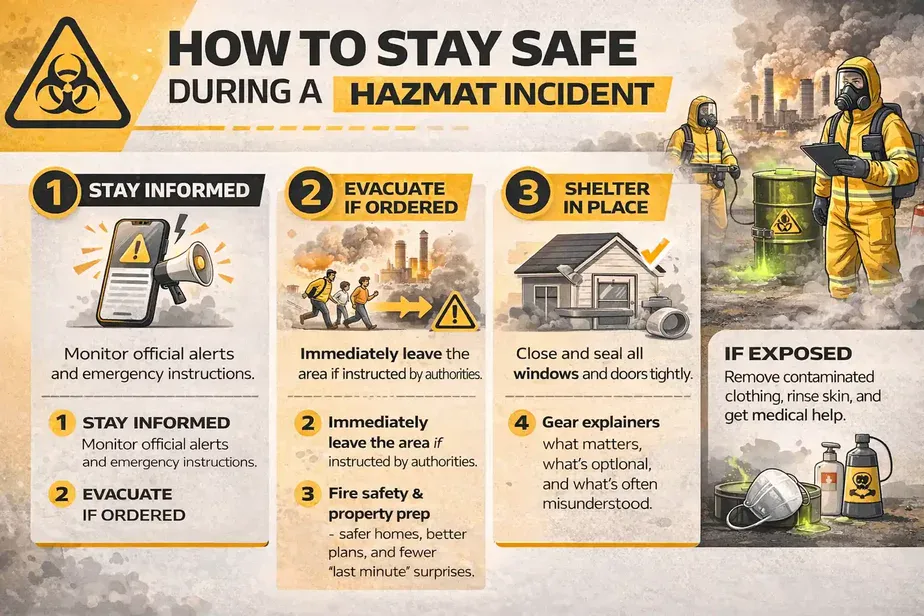
Smoke may contain toxic chemicals. Stay clear of affected areas and follow official warnings.
- Close windows and doors
- Stay indoors if affected
- Wear a mask if advised
- Call 000 for breathing trouble

What Makes Industrial Fire Smoke Hazardous?
Unlike smoke from wood or bushfires, industrial fire smoke may carry toxic substances such as cyanide, ammonia, chlorine, or heavy metals. These compounds can cause serious respiratory problems, skin burns, and even long-term health effects. Exposure can be dangerous even at low levels if the smoke lingers or if people remain nearby for extended periods.
Additionally, the particulate matter in industrial smoke tends to be finer and more chemically reactive than typical wildfire smoke. These fine particles can penetrate deeply into the lungs and even enter the bloodstream, exacerbating cardiovascular and respiratory conditions. Chronic exposure to such pollutants can increase risks of diseases such as asthma, bronchitis, and other lung disorders.
How to Protect Yourself During an Industrial Fire Smoke Event
If you live or work near an industrial area, it’s important to have a plan for when hazardous smoke is released. First and foremost, listen to updates from local emergency services such as Fire and Rescue NSW, the warning-levels-explained-firerescue/”>Queensland Fire and Emergency Services, or counterparts in other states. They will provide instructions tailored to your location and the nature of the fire.
When smoke is detected, stay indoors and close all doors, windows, and ventilation systems that allow outdoor air inside. If you have air-conditioning, switch it to recirculate mode to avoid drawing in smoke. Avoid physical exertion and outdoor activities until authorities say it is safe to resume normal activities.
If you must go outside, wear a suitable mask such as a P2 or N95 respirator that filters fine particles. Simple cloth masks or surgical masks offer limited protection against hazardous chemical smoke. People with asthma, COPD, heart conditions, or other respiratory illnesses should take extra care and have medications or inhalers ready.
It is also advisable to monitor indoor air quality during such events. Using portable air purifiers with HEPA filters can significantly reduce the concentration of harmful particles inside your home or workplace. Avoid activities that increase indoor air pollution, such as smoking, burning candles, or using gas stoves without proper ventilation during smoke events.
Common Mistakes to Avoid
Some people underestimate the dangers of industrial fire smoke and fail to take action quickly. Avoid assuming smoke is harmless just because it looks thin or smells mild. It can still cause damage even if it doesn’t seem dense.
Do not rely solely on weather forecasts or general air quality reports. Smoke from industrial fires can behave differently depending on wind direction and the chemicals involved. Keep tuned to local emergency broadcasts and official social media channels for timely updates.
Avoid trying to drive through smoky areas unless it is an emergency, as visibility can be reduced and inhaling smoke while in traffic can worsen health issues. If you are caught outdoors unexpectedly, cover your nose and mouth and move away from the smoke plume as quickly as possible.
Another common error is neglecting to prepare emergency kits that include masks, water, and medications. Preparation is key to reducing panic and ensuring safety during a sudden industrial fire event. Furthermore, some people may feel compelled to investigate or film the fire, putting themselves unnecessarily at risk of smoke exposure and other hazards.
What to Do if You Experience Smoke Exposure
If you or someone nearby shows symptoms such as coughing, wheezing, difficulty breathing, chest pain, dizziness, or eye irritation, seek medical help immediately. Call 000 for an ambulance if the symptoms are severe or worsening.
Move to fresh air as soon as possible. Remove any contaminated clothing and rinse exposed skin with clean water. If you have access to a mask, wear it to reduce further inhalation of smoke particles.
Follow any advice provided by health professionals or emergency responders. Keep informed about when it is safe to return outdoors or resume normal activities.
In cases of prolonged or repeated exposure, consider consulting a healthcare provider even if symptoms appear mild. Some hazardous chemicals in industrial smoke may have delayed effects, and early medical evaluation can help prevent long-term complications. Additionally, document your exposure and symptoms, as this information can be helpful for medical assessments and potential workplace or insurance claims.
If You Only Do Five Things
First, stay informed through official sources such as Fire and Rescue services or state emergency websites. This is your best way to get accurate and timely information about the fire and smoke conditions.
Second, stay indoors and close all windows and doors to keep smoke out. Turn off air-conditioning or switch to recirculate mode to prevent smoke entering your home or workplace.
Third, if you must go outside, wear a high-quality mask designed to filter particles. Avoid physical exertion in smoky conditions.
Fourth, be alert for symptoms of smoke exposure such as coughing or difficulty breathing and seek medical help immediately if symptoms worsen.
Fifth, respect all instructions and warnings from emergency services. Your cooperation helps keep you and your community safe during industrial fire incidents.
Who Does What in Australia
Fire/Rescue: They respond to fires, including industrial fires, and work to control hazards and protect life and property.
Police: Police manage public safety, secure incident scenes, and coordinate evacuations if needed.
Ambulance: Ambulance services provide medical treatment and transport for those affected by smoke or injuries.
SES (State Emergency Service): They assist with evacuations, emergency support, and community information during industrial fires and other emergencies.
Preparing Your Home and Family
To improve safety during industrial fire smoke events, prepare your home by sealing gaps around windows and doors with weather stripping or towels. Have an air purifier if possible, and keep emergency supplies including masks, water, and medications easily accessible. Develop a family communication plan so everyone knows what to do if a fire occurs nearby.
Identify a safe room in your home where you can close off ventilation and smoke access more effectively. If you have pets, ensure they are brought inside and kept calm to reduce stress during smoke events.
It is also wise to keep a battery-powered or hand-crank radio in your emergency kit to receive updates if power and internet services are disrupted. Stock extra batteries and ensure your mobile devices are charged. Consider the needs of family members with disabilities or special medical conditions when planning your response to smoke events.
After the Fire: Cleaning Up and Recovery
Once it is officially safe to return outdoors and resume normal activities, be careful when cleaning up smoke residues. Wear gloves, masks, and protective eyewear while cleaning, and ventilate your home well with fresh air. Wash clothes and bedding that were exposed to smoke separately. Avoid disturbing ash or debris more than necessary as it may still contain harmful particles.
If you notice persistent health issues or contamination, seek advice from health professionals or local environmental agencies. Keep monitoring official updates about air quality and recovery efforts in your area.
During recovery, be mindful of mental health impacts. Experiencing an industrial fire nearby can be stressful and traumatic. Support services such as counselling or community support groups may be available through local health providers or emergency services. Taking care of your emotional wellbeing is just as important as physical health after such events.
Additional Resources and Where to Find Help
For ongoing information about industrial fires and hazardous smoke, visit your state’s Fire and Rescue website or the Australian Government’s emergency warning portals. Social media channels and local radio are also good sources of live updates. If you have health concerns related to smoke exposure, contact your doctor or local health service.
Remember, in life-threatening situations call 000 immediately to reach emergency services. Do not hesitate to seek help if you or someone else is struggling because of smoke inhalation or other fire-related injuries.
FireRescue Training Hub
Access practical fire and emergency study support resources, downloads, checklists, audio guides, and member-only course content.
- Course library
- PDF downloads
- Audio guides
- Checklists
Study support only. Not accredited training or a replacement for workplace procedures.
About the author and safety review
Ken Walker
Former Station Officer and fire service educator
Former career firefighter with extensive career and volunteer fire service experience.
Qualifications: Associate Diploma of Applied Science in Fire Technology; Institute of Fire Engineers studies.
Author profilehttps://www.firerescue.com.au/about-us/