News & Updates
Key takeaways:
The NSW Rural Fire Service (NSW RFS) is adopting innovative technologies to enhance smoke situational awareness, even in low visibility conditions.
Real-time mapping through the FireMapper project and the RFS ACTIV app are streamlining information sharing and volunteer coordination during bushfire incidents.
Government guidance on safe clean-up practices post-bushfire helps protect residents returning to affected properties.
Innovations Driving Smoke Situational Awareness
In recent years, the NSW RFS has recognised the critical importance of situational awareness in bushfire management, especially under challenging conditions such as heavy smoke or darkness. In October 2025, the Service partnered with the Australian Centre for Robotics to trial five cutting-edge technologies designed to enhance rapid situational awareness for first bushfires/”>responders. These technologies promise to improve operational decisions by providing clearer information in conditions where visibility is severely compromised. This initiative reflects a proactive approach to integrating robotics and sensor technology into emergency response frameworks (RFS Annual Report 2024-25).
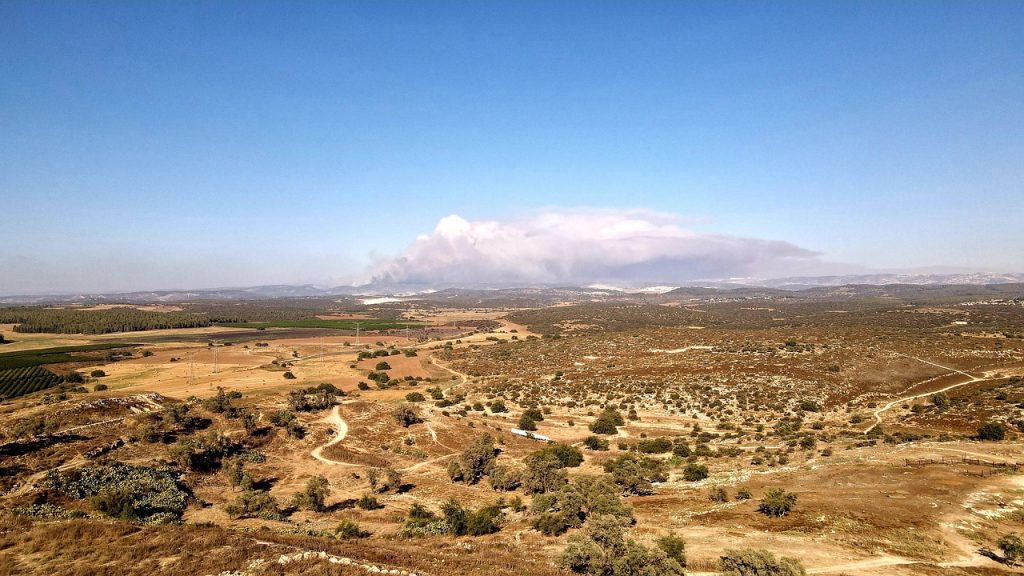
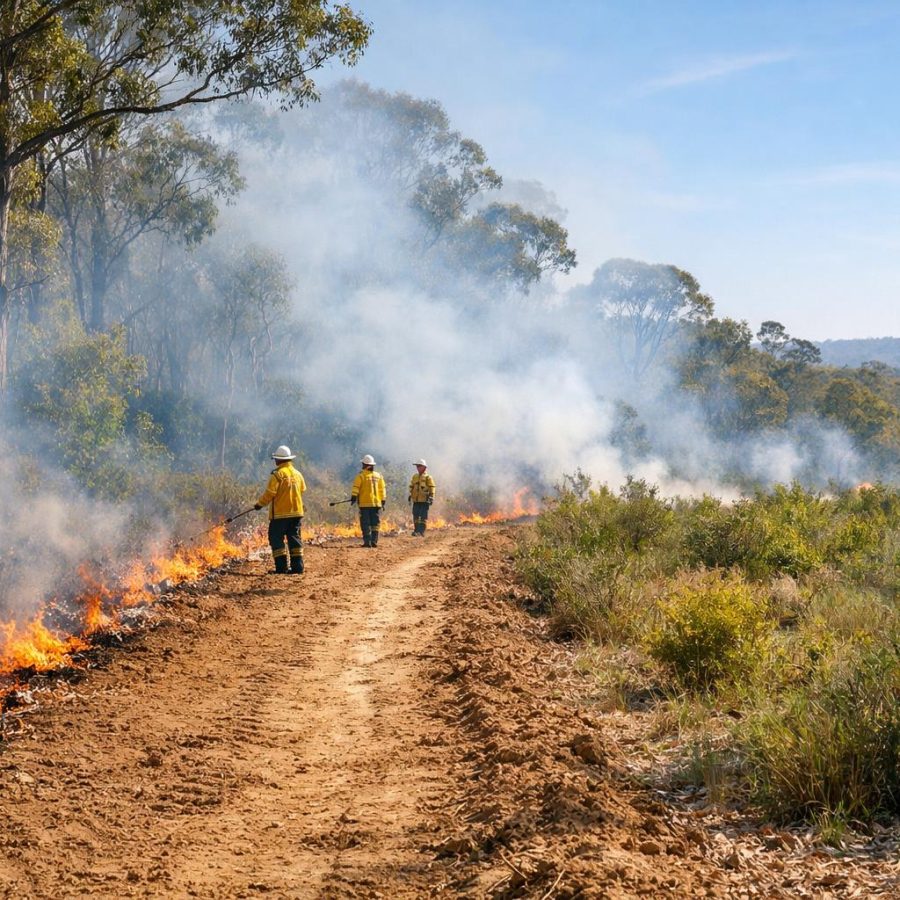
Photo by samirsmier via Pixabay
By leveraging autonomous systems, drones, and advanced sensors, responders can obtain near real-time data on fire spread, smoke density, and terrain, supporting safer and more efficient deployment. This approach is particularly vital in rural and rugged areas where traditional observation methods may be limited or delayed.
These technological advancements also contribute significantly to improving evacuation strategies. Smoke conditions can change rapidly, often reducing visibility to dangerous levels and complicating evacuation routes. The data collected through these new systems allow incident commanders to monitor smoke plumes in real time and adjust evacuation alerts accordingly, ensuring that communities receive timely warnings and safe paths away from danger.
Moreover, the integration of sensor data with predictive modelling helps forecast the movement of smoke and fire fronts, which is crucial for planning response efforts and issuing warnings. This capability enhances the ability to deploy fire blankets and other protective measures in critical zones before fires reach populated areas, mitigating risks to both responders and residents.
FireMapper and the RFS ACTIV App: Enhancing Coordination
Complementing these technology trials, the NSW RFS has implemented the FireMapper project, which delivers real-time fire mapping capabilities to operational members and partner agencies. FireMapper consolidates data from multiple sources into a unified visual platform, facilitating swift information sharing and better coordination across multiple incident management teams.
Additionally, the RFS ACTIV app has transformed volunteer engagement by enabling volunteers to signal their availability, receive timely notifications, and respond rapidly to incidents. This digital tool streamlines communications and resource allocation during dynamic fire events, significantly improving response times and operational efficiency (NSW RFS Response 2019-20 Bushfire Inquest).
The integration of the RFS ACTIV app with FireMapper also allows for rapid dissemination of smoke and fire alerts directly to volunteers and affected communities. This immediate alert system helps ensure responders are equipped with the latest information on smoke hazards, enabling them to prepare adequately with protective equipment such as masks and boots, which are essential for safety in smoky and hazardous environments.
Volunteer responders have reported increased confidence in managing smoke-related risks thanks to the timely alerts and clear communication facilitated by these tools. This confidence translates into more effective on-ground response and safer operational practices, particularly in smoke-heavy environments where the use of masks and proper boots can be lifesaving.
Background and Context
The devastating 2019-2020 bushfire season underscored the need for enhanced operational tools and community safety measures. Smoke, in particular, poses a dual challenge: it not only compromises visibility for firefighters but also affects health and safety for residents and responders alike. Traditional methods of fire monitoring were often hampered by thick smoke and rapidly changing conditions.
The NSW RFS’s investment in technological innovation and digital platforms is part of a broader strategy to learn from past events and improve incident management workflows. The integration of robotics, sensor networks, and comprehensive mapping tools is reshaping how rural firefighting operations are conducted, with a focus on both safety and effectiveness.
Additionally, the 2019-2020 fires highlighted the complex nature of claims and compensation for affected residents. Smoke and fire damage often result in significant property loss and health complications, prompting a need for clear guidance and support in lodging claims. The improved situational awareness tools help document fire progression and impact, supporting more accurate and timely claim assessments. This documentation also assists in recovery planning, ensuring resources are allocated efficiently to the worst-affected areas.
Clean-Up and Recovery: Safe Return to Property
After the fire front passes, the NSW Government has emphasised safe clean-up practices to minimise risk for returning residents. Properties affected by bushfire may contain hazards such as weakened structures, contaminated soil, and hazardous materials including asbestos or chemicals from burnt infrastructure.
Residents are advised to assess their properties carefully before entering, wear appropriate protective clothing like gloves and masks, and avoid disturbing debris that may release harmful particles. The government’s guidance also encourages seeking professional assistance for complex clean-up tasks and following official advice for waste disposal and environmental protection (RFS Annual Report 2023-24).
The clean-up phase is critical not only for environmental recovery but also for preventing secondary incidents. Unstable debris or hidden embers can reignite fires or cause injuries. The use of appropriate boots and respiratory masks during clean-up is essential to protect against sharp objects, toxic dust, and smoke residues. Community education initiatives now emphasise these safety measures as part of the official clean-up protocols.
Furthermore, the use of fire blankets during initial clean-up efforts can help contain small flare-ups and protect individuals from sudden bursts of heat or smoke. These blankets are a simple yet effective tool that residents and responders are encouraged to keep on hand as part of their clean-up safety kit.
Challenges Ahead
While technological advances offer substantial benefits, challenges remain in ensuring that all responders and community members have equitable access to these tools and information. There is also a need for ongoing training and support to maximise the effectiveness of new systems and maintain operational readiness.
Furthermore, as bushfire events become more frequent and intense due to climate change, the NSW RFS must continuously adapt its response strategies. This includes refining evacuation alert systems to better account for smoke hazards and ensuring that volunteers and residents are adequately equipped with protective gear such as masks and boots to safely navigate fire-affected environments.
Another key challenge is maintaining the health and wellbeing of responders who often operate for extended periods in smoke-laden environments. The provision of quality masks and boots, along with regular health monitoring, is critical to prevent long-term respiratory issues and physical injuries.
Practical Implications for Responders and Communities
The NSW RFS’s focus on smoke situational awareness and clean-up safety has practical implications for both responders and the public. Enhanced situational awareness technologies help firefighters make quicker, more informed decisions, improving responder safety and the protection of property and lives.
For communities, adherence to clean-up guidance reduces health risks and ensures a safer transition back to normalcy after bushfires. Public education campaigns and digital platforms can further assist in disseminating timely advice, fostering community resilience.
The importance of personal protective equipment cannot be overstated, especially masks that filter fine smoke particles and sturdy boots that guard against debris and uneven terrain. These items are now recognised as essential components in both response and recovery phases, contributing to the overall wellbeing of volunteers, responders, and residents alike.
Additionally, the coordinated use of fire blankets during response and clean-up phases provides an extra layer of protection and fire containment, reducing the risk of flare-ups and enhancing safety protocols.
What to do now
Residents living in bushfire-prone areas should familiarise themselves with the NSW Government and RFS guidance on clean-up safety. Preparing a clean-up kit with protective gear and having a clear plan for assessing property hazards can mitigate risks.
Volunteers and responders are encouraged to engage with training opportunities related to new situational awareness tools and maintain active communication via platforms like the RFS ACTIV app to enhance response coordination.
Overall, the NSW RFS’s strategic investments in technology and community safety reinforce a commitment to continual improvement, helping both responders and residents better navigate the complexities of bushfire events.
FireRescue Training Hub
Access practical fire and emergency study support resources, downloads, checklists, audio guides, and member-only course content.
- Course library
- PDF downloads
- Audio guides
- Checklists
Study support only. Not accredited training or a replacement for workplace procedures.
About the author and safety review
Ken Walker
Former Station Officer and fire service educator
Former career firefighter with extensive career and volunteer fire service experience.
Qualifications: Associate Diploma of Applied Science in Fire Technology; Institute of Fire Engineers studies.
Author profilehttps://www.firerescue.com.au/about-us/