Fire and Emergency Update
Key takeaways
Effective wildfire communication in Australia relies on integrated systems like the Standard Emergency Warning Signal (SEWS) and the Australasian Inter-Service Incident Management System (AIIMS), which together facilitate timely alerts and coordinated responses across agencies.
The Royal Commission into National Natural Disaster Arrangements has highlighted the need to strengthen communication frameworks and community engagement to improve resilience and mitigate the impact of bushfires.
Community-driven initiatives such as the Fire Wise project demonstrate the importance of combining native vegetation management with clear communication strategies to reduce wildfire risk and promote biodiversity.
Australia’s wildfire season demands not only physical preparedness but also a robust communication infrastructure that ensures communities and responders are aligned in real time. Effective communication is essential not just during the active fire event but throughout the entire lifecycle of wildfire management, including burns, cleanup, restoration, and relief efforts.
Background and context
In recent years, the increasing frequency and intensity of bushfires across Australia have underscored the critical role of effective communication in both response and mitigation efforts. The Standard Emergency Warning Signal (SEWS) serves as a cornerstone alert mechanism, utilising sirens broadcast through radio, television, and public address systems to quickly inform the public of imminent danger, including bushfires. This signal is designed to capture attention and prompt <a href=”https://www.firerescue.com.au/bushfire-preparedness-lessons-from-australias-deadliest-fires/”>immediate action, forming a vital first step in community safety protocols (source).
Complementing SEWS is the Australasian Inter-Service Incident Management System (AIIMS), a standardized framework that enables fire and emergency services to coordinate responses efficiently at the incident level. AIIMS ensures that agencies work from a common operational picture, sharing resources, intelligence, and communication channels seamlessly. This interoperability is crucial during large-scale wildfire events where timely information exchange can save lives and property (source).
Communication challenges and lessons from recent inquiries
The 2020 Royal Commission into National Natural Disaster Arrangements provided a comprehensive examination of Australia’s disaster management frameworks, with a strong focus on communication. It identified gaps in coordination, especially in how information is disseminated to the public and between agencies during emergencies. The Commission’s 80 recommendations emphasise the need for stronger governance, enhanced community engagement, and the integration of modern communication technologies to improve response times and public understanding (source).

Photo by pixelcreatures via Pixabay
One key insight is that communication strategies must be adaptive to the dynamic nature of wildfire events. As smoke exposure poses health risks, research into communication techniques during bushfire smoke incidents highlights the importance of clear, actionable messaging that considers vulnerable populations. Messaging that improves awareness about air quality and protective behaviours has a direct impact on public health outcomes.
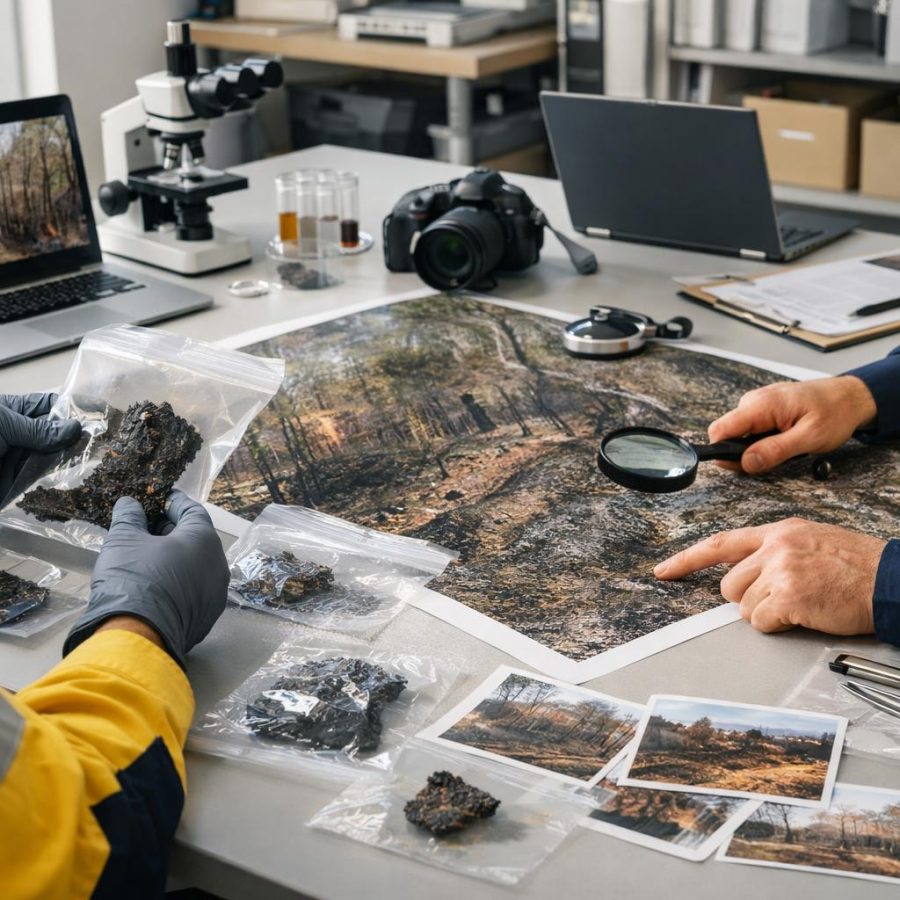
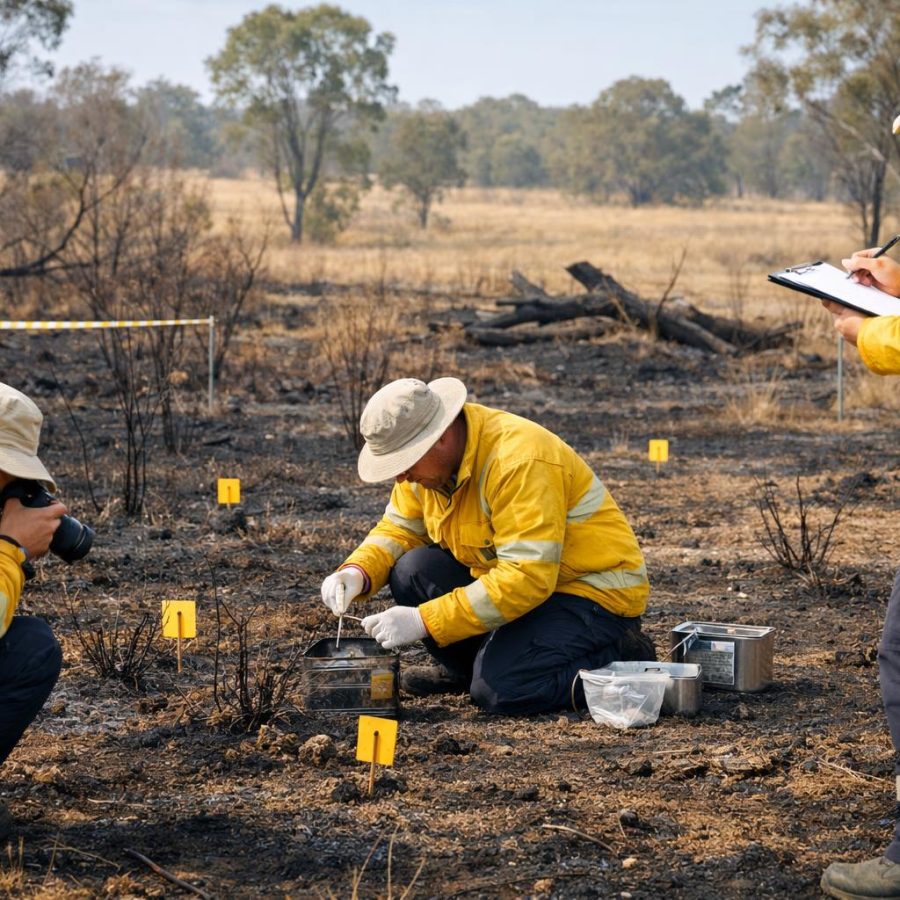
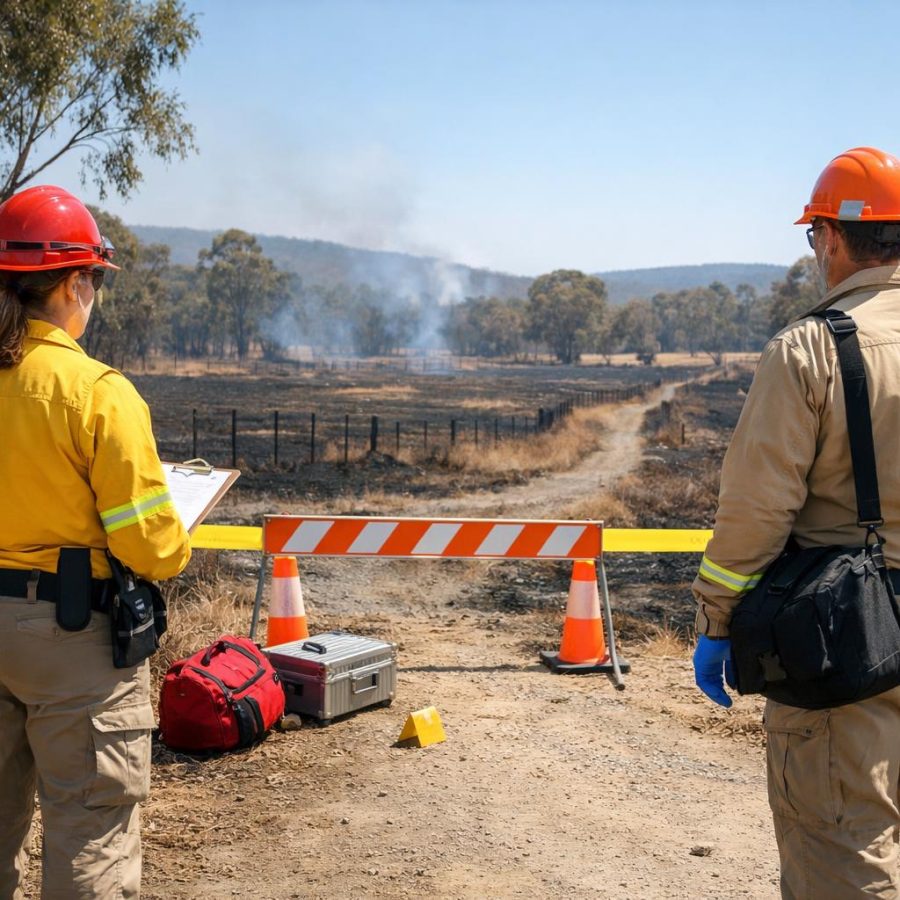
Additionally, the post-fire phase requires effective communication to support cleanup, restoration, and relief operations. Ensuring that affected communities receive timely information regarding safe return home procedures, insurance claims, and available support services is vital to facilitate recovery and reduce long-term impacts.
Community engagement and mitigation through informed communication
Beyond emergency alerts, effective wildfire communication includes mitigation efforts that engage communities proactively. The Fire Wise project exemplifies this approach by working with local residents to implement bushfire mitigation strategies that balance fire risk reduction with ecological sustainability. By promoting the use of native vegetation and educating communities about fuel management, the project fosters resilience while enhancing biodiversity (source).
This community-centric model illustrates how communication can extend beyond crisis response to become a continuous dialogue, empowering residents to take ownership of their safety and environment. It also underscores the importance of culturally appropriate messaging and collaboration between emergency services, scientists, and local stakeholders.
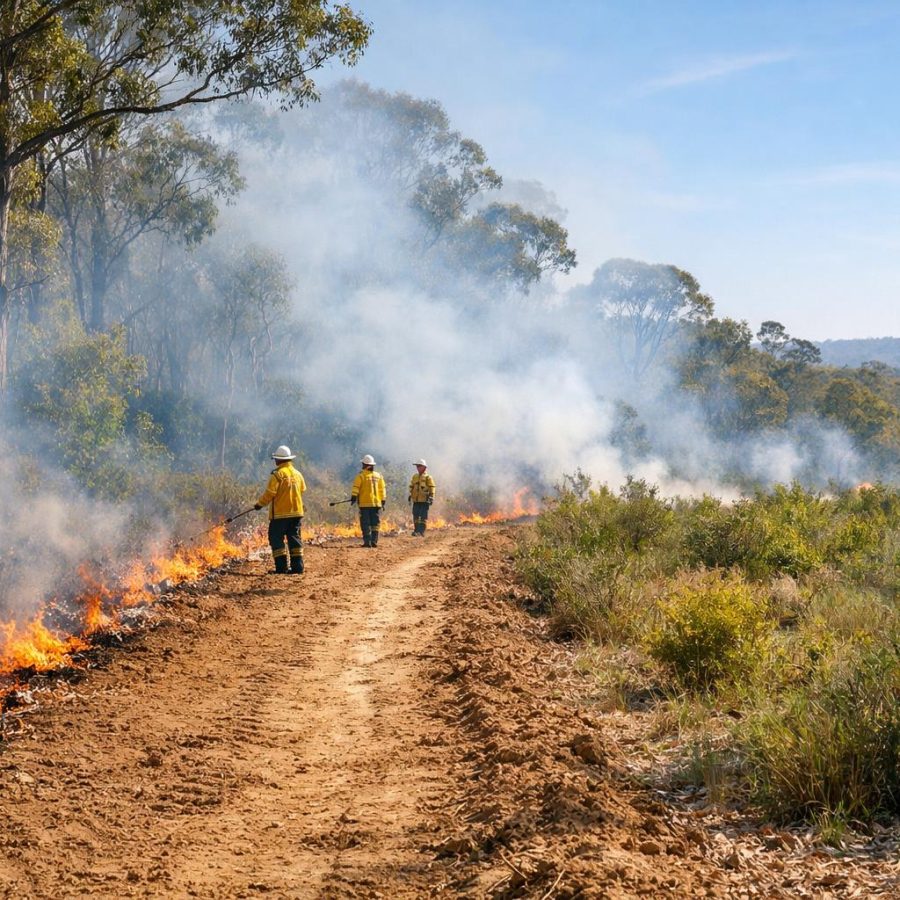
Incorporating community feedback into bushfire plans strengthens preparedness by ensuring that local knowledge and concerns shape mitigation strategies. This two-way communication fosters trust and encourages participation in prescribed burns and other fuel reduction activities, which are critical components of wildfire prevention and control.

Moreover, clear communication about practical tools such as hoses and other firefighting equipment is essential for both professional responders and community volunteers. Understanding how to deploy hoses effectively during initial response phases can reduce fire spread and protect properties. Training sessions and public demonstrations often form part of community-led preparedness programs, ensuring residents are confident in assisting or acting during emergencies.
Practical implications for fire and emergency services
For fire and emergency services, integrating communication systems like SEWS and AIIMS with modern digital tools such as social media, mobile alerts, and data analytics is becoming increasingly essential. These technologies can enhance real-time situational awareness and enable targeted messaging to at-risk populations.
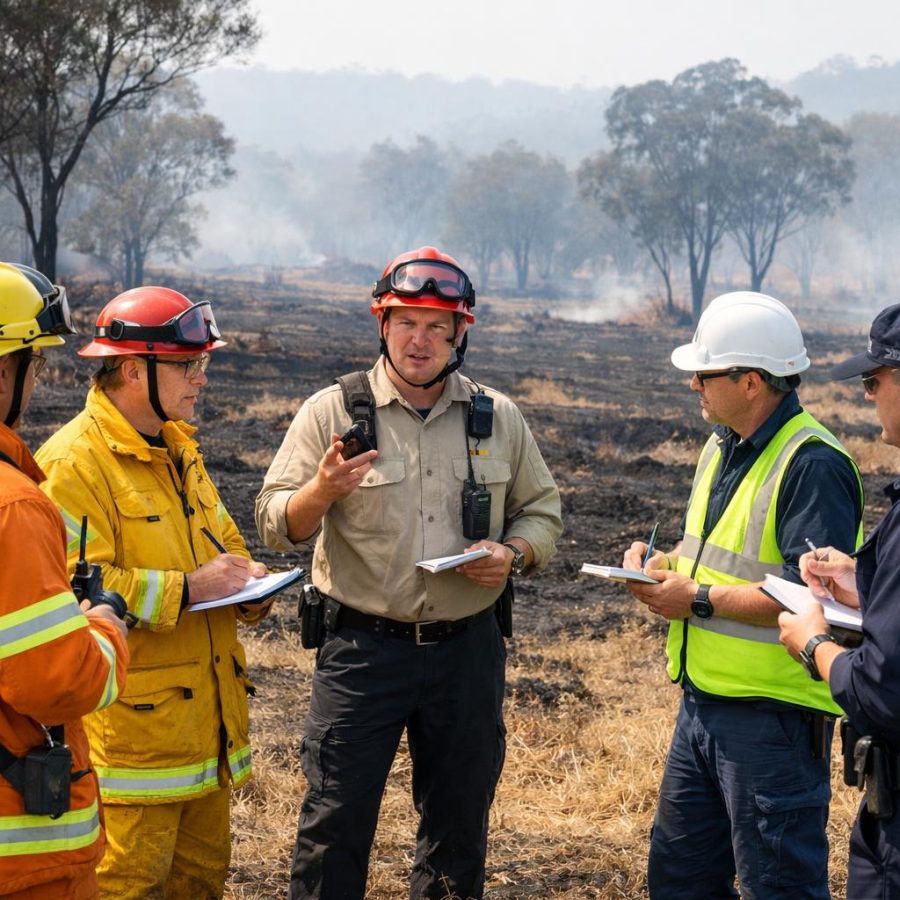
Training responders in consistent communication protocols and fostering inter-agency collaboration ensures messages are not only timely but also accurate and clear. This reduces confusion and builds public trust during wildfire events.
Moreover, enhancing situational awareness through advanced mapping and sensor technologies supports decision-making in dynamic fire environments. Access to up-to-date information about fire progression, weather conditions, and community status enables responders to allocate resources effectively and adjust mitigation tactics in real time.
The Country Fire Service (CFS) in South Australia is a prime example of an organisation that has embraced these integrated communication approaches. CFS combines traditional radio communication with digital platforms to coordinate volunteer firefighters and disseminate warnings efficiently. Their community engagement programs also emphasise the importance of personal bushfire plans, helping residents prepare and respond appropriately when warnings are issued.
What to do now
Residents in fire-prone areas are encouraged to familiarise themselves with the Standard Emergency Warning Signal and understand its significance. Preparing a personal bushfire plan, staying informed through official channels, and engaging with local mitigation initiatives such as Fire Wise can significantly enhance safety and preparedness.
Emergency services recommend following official updates closely during wildfire events, adhering to evacuation advisories promptly, and using protective measures when exposed to smoke. Community cooperation and clear communication remain the strongest tools in reducing wildfire impacts.
After the immediate threat has passed, communication continues to play a critical role in guiding communities through cleanup and restoration processes. Authorities provide information about safe return home protocols, debris removal, and how to access financial relief, including insurance claims. This ongoing communication helps to rebuild confidence and accelerate recovery.
In summary, enhancing wildfire communications is a multifaceted challenge that requires collaboration across government agencies, emergency services, community groups, and individuals. By investing in integrated communication systems, embracing technology, and fostering community engagement, Australia can improve its resilience against bushfires and safeguard lives, property, and the environment.
FireRescue Training Hub
Access practical fire and emergency study support resources, downloads, checklists, audio guides, and member-only course content.
- Course library
- PDF downloads
- Audio guides
- Checklists
Study support only. Not accredited training or a replacement for workplace procedures.
About the author and safety review
Ken Walker
Former Station Officer and fire service educator
Former career firefighter with extensive career and volunteer fire service experience.
Qualifications: Associate Diploma of Applied Science in Fire Technology; Institute of Fire Engineers studies.
Author profilehttps://www.firerescue.com.au/about-us/