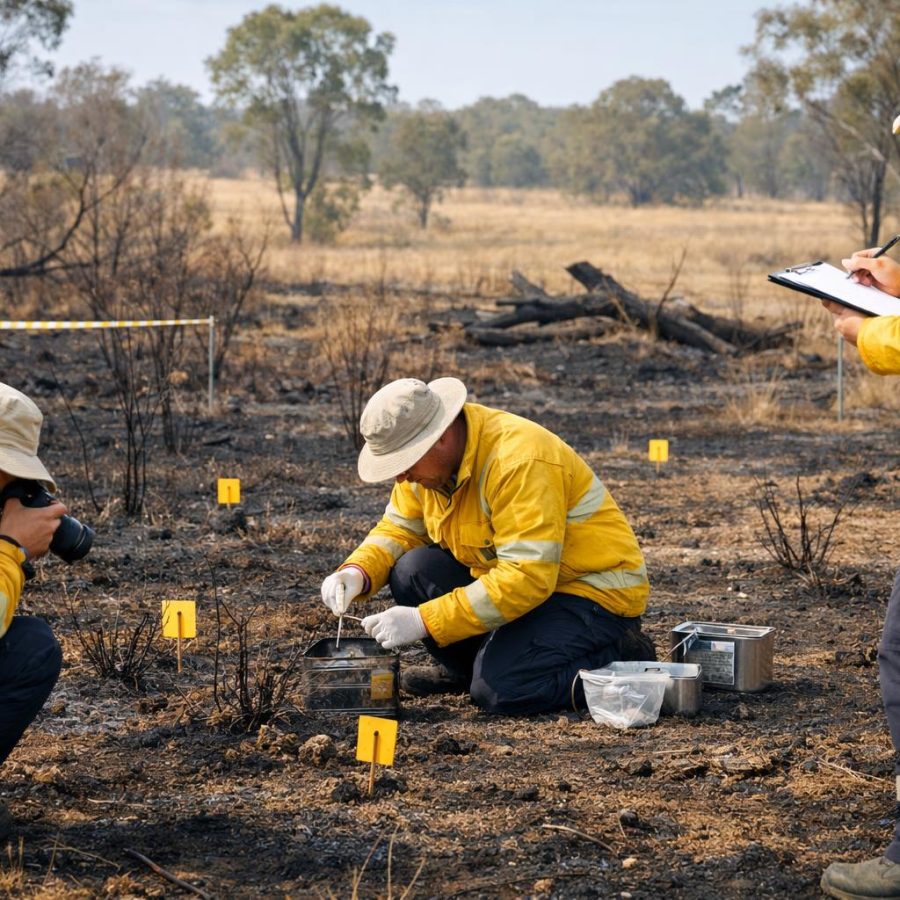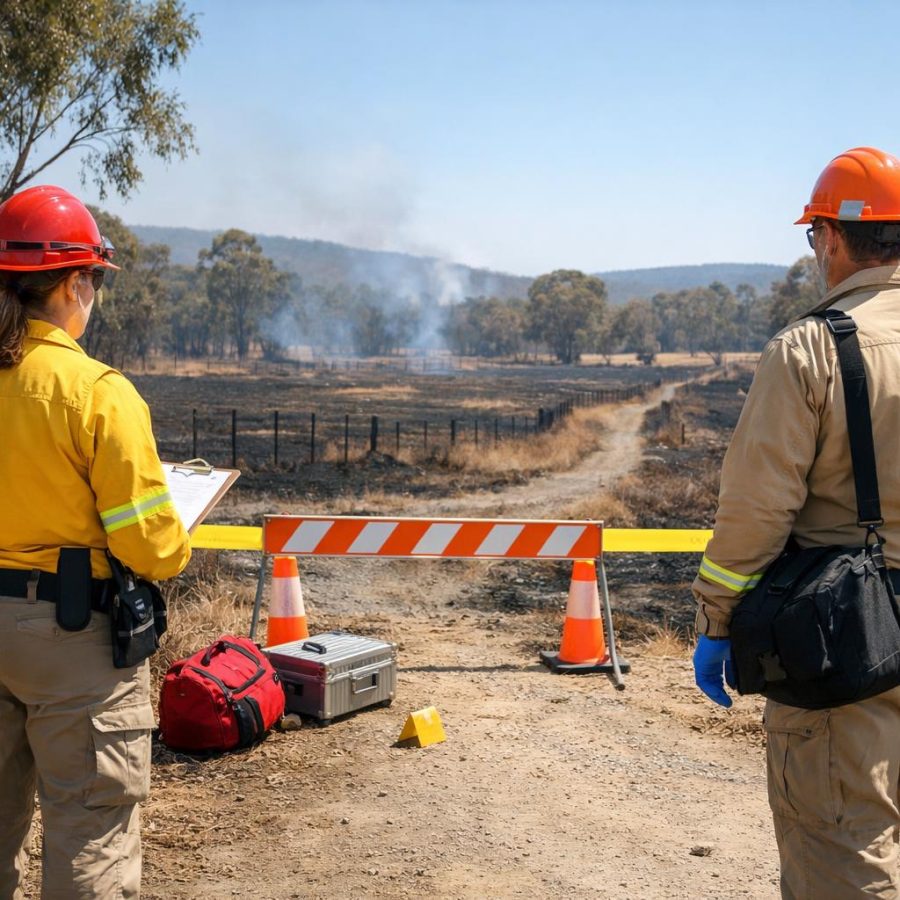
Mixed-hazard incidents often combine fire, chemical leaks, electrical faults, or structural issues, raising the risk of explosions. Understanding these complex dangers is crucial for safe response and planning.
Emergency responders in Australia face unique challenges managing explosions within these incidents. Practical preparations, thorough training, and clear communication between agencies reduce risks for responders and the public.
What Are Mixed-Hazard Incidents?
Mixed-hazard incidents involve more than one type of emergency risk, such as fire combined with hazardous chemical leaks, electrical failures, or structural collapse. These complex events often occur in industrial sites, transport hubs, or urban areas where multiple risks intersect. The combination can escalate dangers rapidly, especially the risk of explosions.
Such incidents require responders to evaluate multiple threat vectors simultaneously, often under high-pressure conditions. The overlapping hazards create unpredictable scenarios, making rapid assessment and adaptive strategies essential for effective management.
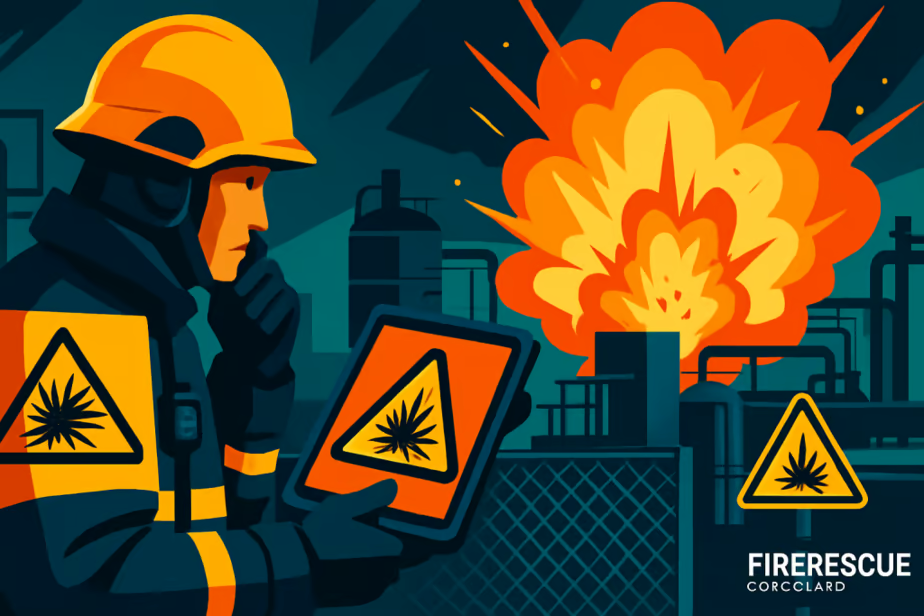
Moreover, the diverse nature of these hazards demands a multidisciplinary approach. Responders must integrate knowledge from fire science, chemical safety, structural engineering, and medical emergency care to effectively mitigate risks. This complexity also emphasizes the need for dynamic risk assessment tools and real-time data sharing among agencies.
Why Explosion Risk Is a Critical Concern
Explosions can result from flammable gases, vapours, dust, or chemical reactions triggered by heat, sparks, or impact. In mixed-hazard incidents, the presence of volatile substances and ignition sources increases the likelihood of an explosion. The force of an explosion causes devastating damage, endangers lives, and complicates rescue efforts.
Emergency responders must quickly assess the risk of explosion when arriving at a scene to protect themselves and the community. Incorrect assumptions or delayed recognition can result in severe consequences.
Moreover, explosions may trigger secondary incidents such as fires, structural collapses, or release of toxic substances. This cascading effect complicates containment and demands a comprehensive understanding of the incident dynamics to anticipate potential developments.
It is also important to consider the psychological impact explosions have on both victims and responders. Sudden blasts can cause panic, disorientation, and trauma, which may hinder evacuation efforts and emergency interventions. Training in psychological first aid and crisis communication is thus an integral part of managing such incidents.
Common Sources of Explosion Risk in Australia
In Australia, many industries involve chemicals, fuels, or dust that can fuel explosions. Examples include fuel storage depots, chemical manufacturing plants, mining operations, and warehouses containing flammable materials. Transport incidents involving fuel tankers or chemical trucks also pose significant explosion hazards.
Urban settings can experience mixed hazards too, such as gas leaks combined with electrical faults or fire. The presence of confined spaces or older infrastructure adds complexity to managing these risks safely.
Additionally, agricultural and manufacturing sectors may produce combustible dust or vapours that are often underestimated but can cause powerful explosions if ignited. These risks are heightened in facilities lacking adequate ventilation or dust control measures.
Another emerging concern is the storage and use of lithium-ion batteries and other energy storage systems, which can pose significant explosion and fire risks under fault conditions. As these technologies proliferate in both industrial and residential settings, awareness and preparedness for related mixed-hazard incidents are increasingly important.
Role of Weather and Environment
Weather conditions may influence explosion risks. High temperatures or static electricity buildup in dry environments increase ignition chances. Strong winds can spread flammable gases or smoke, affecting evacuation and containment efforts.
>
Humidity levels can also impact the dispersion or accumulation of flammable vapours and dust. For example, low humidity may facilitate static electricity generation, while precipitation can hinder response operations or cause hazardous material runoff into water sources.
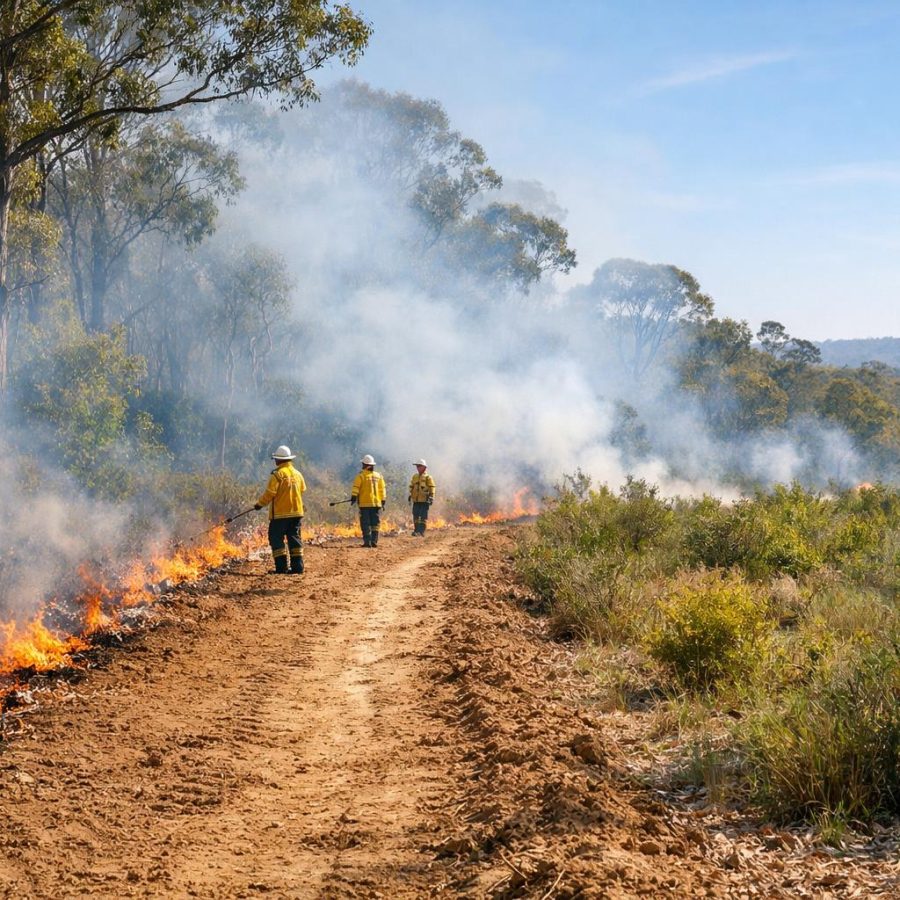
Environmental factors such as terrain and vegetation also affect explosion risk management. In bushfire-prone areas, for instance, explosions from gas leaks or chemical fires can rapidly escalate due to surrounding flammable materials. Understanding these interactions helps responders anticipate hazard spread and plan effective containment strategies.
How Australian Emergency Services Manage Explosion Risks
Fire and Rescue services are often the first responders to fires and explosion threats. They use specialised equipment and training to identify hazardous materials and control ignition sources. Police assist by securing incident scenes, managing traffic, and supporting evacuations. The State Emergency Service (SES) helps with community warnings and rescues. Ambulance crews provide critical medical care in case of injuries.
Together, these agencies coordinate to contain hazards, prevent escalation, and protect lives and property. Responders follow strict protocols and local hazard information to manage explosion risks effectively.
Inter-agency communication is critical to ensure a unified response. Incident command systems facilitate information sharing and resource allocation, allowing teams to adapt quickly as conditions evolve. Regular debriefs after incidents contribute to continuous improvement and knowledge sharing.
Technological advancements also play a role in improving response capabilities. The use of drones, remote sensing devices, and real-time hazard mapping enhances situational awareness, enabling responders to assess risks from a safe distance and plan interventions accordingly.
Planning and Training to Reduce Risks
Continuous training on mixed-hazard response and explosion risk assessment is vital for Australian emergency teams. Exercises simulate real scenarios involving chemicals, fire, and potential blasts to improve readiness and inter-agency cooperation. Incident commanders rely on up-to-date hazard databases and communication systems to make informed decisions.
Training also emphasises the importance of personal protective equipment (PPE) and situational awareness. Responders learn to recognise early warning signs such as unusual smells, sounds, or vapour clouds that may indicate escalating risks. Decision-making under uncertainty is practiced to balance urgency with safety.
Community education programs aim to increase public awareness of mixed-hazard risks and appropriate responses. Preparedness campaigns encourage households and businesses to develop emergency plans considering explosion hazards specific to their environment.
Moreover, fostering partnerships between emergency services, industry stakeholders, and local communities enhances risk mitigation. Collaborative risk assessments and joint training exercises help build resilience and ensure coordinated responses when incidents occur.
If You Only Do Five Things
First, always call 000 immediately for any life-threatening emergency involving fire, chemicals, or explosions. Do not attempt to approach or manage the incident yourself.
Second, stay clear of the affected area and follow directions from emergency services and local authorities. Evacuations may be necessary to avoid exposure to explosions or toxic substances.
Third, keep informed through official warnings and communications from Fire/Rescue NSW, Victoria Fire Brigade, or your state emergency services.
Fourth, avoid using mobile phones or electronic devices near suspected gas leaks or fires as they might trigger ignition.
Lastly, ensure your own safety and that of others by preparing an emergency plan at home or work that includes information about mixed-hazard risks relevant to your location.
Understanding the layout of your environment, including locations of gas meters, chemical storage, and emergency exits, can be crucial during an incident. Regularly reviewing and practicing your emergency plan enhances readiness for unexpected events.
Additionally, maintaining an emergency supply kit with essentials such as water, food, a torch, and first aid supplies can be invaluable during evacuation or shelter-in-place orders. Being prepared psychologically and physically reduces panic and improves outcomes during crises.
Who does what in Australia
Fire/Rescue: Handle fires, hazardous materials, rescues, and explosion risks on site.
Police: Secure scenes, control crowds, manage traffic, and assist with evacuations.
Ambulance: Provide emergency medical treatment and transport injured persons.
State Emergency Service (SES): Support evacuations, conduct rescues, and assist with community warnings.
For life-threatening emergencies, always call 000 immediately. Follow official advice and local warnings to stay safe.
FireRescue Training Hub
Access practical fire and emergency study support resources, downloads, checklists, audio guides, and member-only course content.
- Course library
- PDF downloads
- Audio guides
- Checklists
Study support only. Not accredited training or a replacement for workplace procedures.
About the author and safety review
Ken Walker
Former Station Officer and fire service educator
Former career firefighter with extensive career and volunteer fire service experience.
Qualifications: Associate Diploma of Applied Science in Fire Technology; Institute of Fire Engineers studies.
Author profilehttps://www.firerescue.com.au/about-us/