Practical Fire Rescue
Key takeaways
Responding effectively to firefighting and rescue operations requires clear planning, situational awareness, and adherence to safety protocols aligned with Australian standards.
This guide outlines practical steps for managing common fire and rescue scenarios, emphasising teamwork, proper use of equipment, and basic first aid to support victims safely.
Regular training, ongoing risk assessment, and communication are critical components to ensure both responder safety and successful incident outcomes.
Preparing for Firefighting and Rescue Operations
Before arriving at any incident, preparation is key. Responders should ensure personal protective equipment (PPE) is inspected and fitted correctly. Familiarity with local firefighting apparatus including hoses, nozzles, breathing apparatus, and rescue tools is essential. Consider potential hazards such as structural instability, hazardous substances, and environmental conditions typical in Australian environments. Understanding the unique challenges posed by the Australian landscape, such as bushfires and remote locations, further informs preparation strategies. Knowledge of terrain, access routes, and local weather patterns can dramatically influence operational effectiveness and safety.
Understanding Australian Fire Safety Standards
While this guide does not delve into detailed legal clauses, responders must comply with overarching Australian safety codes and regulations. These include standards for firefighting equipment, occupational health and safety, and emergency management protocols set by relevant authorities such as Fire Rescue NSW or Country Fire Authority Victoria. Staying updated with amendments to these standards is crucial, as regulatory bodies frequently revise guidelines to incorporate new research findings and technological advancements. This compliance ensures not only legal adherence but also promotes best practices that enhance operational safety and efficiency.
Building Incident Awareness
On approach, gain as much situational information as possible. Identify fire location, size, smoke type, wind conditions, and presence of people or hazards. Communicate this promptly to the incident controller and team members to coordinate a safe and effective response. Utilizing technology such as drones or thermal imaging cameras can provide enhanced situational awareness, allowing responders to assess the fire’s spread and hotspots without unnecessary exposure. Additionally, understanding the behaviour of fire in different Australian flora types—such as eucalyptus forests or grasslands—can guide the tactics employed during suppression efforts.
Step-by-Step Firefighting Procedures
1. Establish a Safe Perimeter
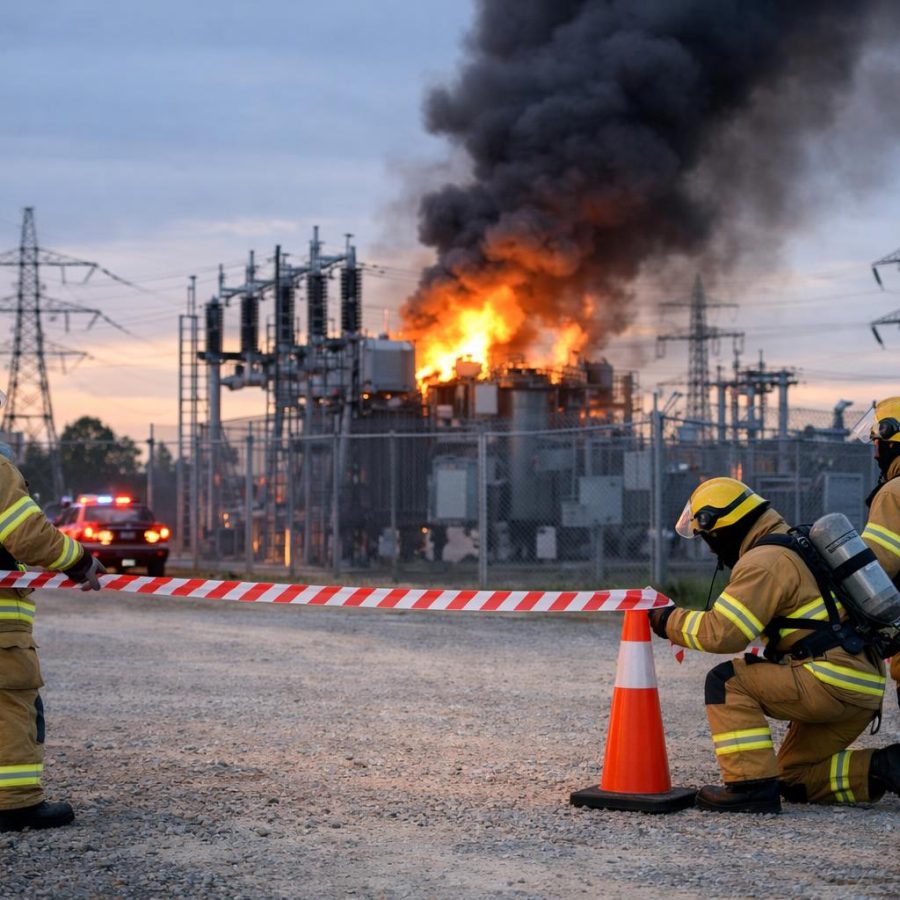
Set up a secure safety zone around the fire area to protect occupants and responders. Keep bystanders at a safe distance, considering potential explosions or structural collapse. Ensure access points are clear for emergency vehicles and personnel. It is equally important to monitor the perimeter continuously, as fires can rapidly change direction or intensity. Establishing multiple safety zones may be necessary in complex incidents to provide fallback points for personnel. Coordination with law enforcement can assist in managing public access and ensuring the perimeter remains intact.
2. Conduct a Risk Assessment
Evaluate fire behaviour, fuel loads, and environmental factors. Use this assessment to choose the best firefighting approach, such as direct attack with water, foam, or dry chemical extinguishers. Identify escape routes and account for sudden fire spread. Risk assessments should also consider secondary hazards including electrical wires, gas cylinders, and chemical storage that may be present at the incident site. Incorporating input from experienced team members and utilizing incident command systems can improve the accuracy and comprehensiveness of the risk evaluation.
3. Use Appropriate Fire Suppression Techniques
Australian firefighters often use water for Class A fires (wood, paper, vegetation), and foam or dry chemicals for flammable liquids and electrical fires. Maintain steady hose pressure, advance carefully, and monitor ventilation to avoid smoke entrapment. Rotate crews systematically to manage fatigue. It is also essential to adapt suppression techniques to the scale and type of fire encountered. For example, in wildland fires, creating firebreaks and controlled burns may be more effective than direct water application. Training in the use of specialized equipment like aerial water drops or high-expansion foam can broaden response capabilities.
4. Ventilate to Control Smoke and Heat
Controlled ventilation helps reduce heat and improve visibility. Use mechanical or natural methods such as opening doors, windows, or cutting ventilation holes in roofs. Coordinate ventilation timing closely with suppression efforts to avoid intensifying fire. Understanding the principles of positive pressure ventilation (PPV) and negative pressure ventilation allows responders to choose the most effective method based on building structure and fire conditions. Ventilation also plays a crucial role in reducing toxic smoke exposure for both victims and firefighters.
5. Conduct Search and Rescue
If people are trapped, perform systematic search operations following established protocols. Maintain communication with team members and the incident controller. Prioritize victim removal and administer immediate basic first aid while waiting for medical professionals. Search teams should be trained in room-by-room search patterns and use tools like thermal imaging cameras to locate victims in low visibility conditions. Coordination with medical teams ensures that rescued individuals receive timely and appropriate care.
Basic First Aid in Fire and Rescue Incidents
Providing immediate basic first aid can save lives during firefighting and rescue operations. Always encourage responders to undergo formal first aid training and follow official advice. Key actions include managing airway and breathing, controlling bleeding, and treating for shock. Additionally, understanding psychological first aid helps responders provide emotional support to victims who may be in shock or distress, which is a critical yet often overlooked component of emergency care.
Burn Treatment
Cool burns with running water for at least 20 minutes to reduce tissue damage. Avoid applying creams or breaking blisters. Cover burns with clean, non-fluffy cloth or burn dressing. Monitor for signs of shock and seek urgent medical care for extensive or severe burns. It’s important to avoid using ice or very cold water as this can cause further tissue damage. For chemical burns, flushing with water should continue for at least 30 minutes, and responders must use appropriate PPE to protect themselves from exposure.
Smoke Inhalation and Respiratory Support
If smoke inhalation is suspected, move the victim to fresh air immediately. Monitor breathing and provide rescue breaths if necessary. Keep the airway clear and be prepared to administer CPR. Always arrange rapid transfer to hospital for further assessment. Recognising the signs of carbon monoxide or cyanide poisoning is vital, as these can be life-threatening and require specialized treatment. Supplemental oxygen should be administered as soon as possible if equipment is available.
Managing Fractures and Trauma
Stabilise suspected fractures with splints or padding before moving victims to prevent further injury. Control bleeding with direct pressure and keep the victim comfortable. Avoid unnecessary movement if spinal injury is suspected and wait for trained personnel. Proper immobilisation techniques reduce the risk of complications and improve outcomes. In multi-casualty incidents, prioritising treatment based on severity and available resources is critical.
Post-Incident Procedures and Recovery
After extinguishing the fire and completing rescues, conduct thorough debrief and equipment checks. Document incident details accurately for legal and operational purposes. Monitor all responders for signs of exhaustion or trauma and provide access to support services as required. Psychological debriefing sessions can help responders process traumatic experiences and reduce the risk of post-traumatic stress disorder (PTSD). Recognising the importance of mental health is essential for maintaining a resilient firefighting workforce.
Equipment Maintenance
Clean, inspect, and service all gear including breathing apparatus, hoses, and protective clothing. Report any faults or damage promptly to maintain readiness for future incidents. Proper maintenance extends the lifespan of equipment and ensures operational reliability. Storing equipment in appropriate conditions also prevents degradation caused by Australian climate factors such as heat and humidity.
Continuous Training and Improvement
Use lessons learned from each operation to refine procedures and enhance safety. Engage in regular training exercises and refreshers on first aid, firefighting techniques, and equipment use to maintain high skill levels. Incorporating scenario-based drills that simulate real-life emergencies helps responders develop critical thinking and adaptability. Collaboration with other emergency services during joint exercises fosters better coordination during multi-agency responses.
If You Only Do Five Things
Always wear and check your PPE before responding to any incident to protect yourself effectively.
Maintain clear communication with your team and incident controller to manage risk and coordinate actions safely.
Establish a secure perimeter early to keep bystanders safe and provide clear operating zones.
Apply appropriate fire suppression tactics based on the risk assessment and fire class to ensure efficient containment.
Administer basic first aid promptly and arrange for medical assistance for all casualties, prioritising airway, breathing, and circulation.
FireRescue Training Hub
Access practical fire and emergency study support resources, downloads, checklists, audio guides, and member-only course content.
- Course library
- PDF downloads
- Audio guides
- Checklists
Study support only. Not accredited training or a replacement for workplace procedures.
About the author and safety review
Ken Walker
Former Station Officer and fire service educator
Former career firefighter with extensive career and volunteer fire service experience.
Qualifications: Associate Diploma of Applied Science in Fire Technology; Institute of Fire Engineers studies.
Author profilehttps://www.firerescue.com.au/about-us/