NEWS & UPDATES
Australia’s <a href="https://www.firerescue.com.au/multi-agency-evacuation-plan-for-storms-bushfires-australia/”>Bushfire Preparedness: Progress and Practical Steps Forward
Key takeaways
Australia has made significant strides in bushfire preparedness since the devastating Black Summer fires, with targeted funding and improved coordination at both state and national levels.
Comprehensive plans, education, and infrastructure investments are empowering communities and emergency services to respond more effectively to bushfire risks.
Despite progress, ongoing <a href="https://www.firerescue.com.au/understanding-australias-bushfire-season-causes-impacts-and-prevention-strategies/”>community engagement, clear communication, and practical readiness remain essential to reduce the impact of future fire seasons.

Photo by Pixabay
Background and context
The 2019-2020 Black Summer bushfires were a stark wake-up call for Australia, exposing vulnerabilities in fire preparedness and response. Since then, the nation has invested heavily in strengthening resilience against future bushfire threats. The Disaster Ready Fund (DRF), for instance, has allocated over $38 million specifically to Victoria to support bushfire resilience projects, reflecting a robust commitment to mitigating risks and protecting communities (source).
The 2023 National Disaster Preparedness Summit underscored Australia’s advancements in planning, technology, and interagency coordination. The country is now better equipped than ever to face the bushfire season, with improved early warning systems and community education initiatives playing a pivotal role (source).
Beyond funding and technology, legislative reforms have been introduced across several states to enhance bushfire preparedness. These reforms aim to tighten building codes, enforce stricter land management practices, and incorporate climate projections into fire risk assessments. Such measures ensure that new developments incorporate fire-resistant designs and that landowners maintain their properties in ways that reduce fuel loads.
Moreover, collaboration between indigenous communities and fire management agencies has increased, recognising the value of traditional fire knowledge and controlled burning practices. This partnership facilitates cultural burning techniques that reduce undergrowth and promote biodiversity, which in turn helps mitigate the intensity and spread of bushfires.
In addition to these developments, significant advancements in firefighting technology have been made. Australian fire agencies have incorporated the use of drones for real-time surveillance, enabling rapid assessment of fire fronts and hotspots. Satellite data integration has also improved predictive modelling, allowing authorities to allocate resources more efficiently and issue timely warnings. These technological tools complement traditional methods, enhancing overall situational awareness during fire events.
Training and capacity building within firefighting services have also been prioritised. Cross-jurisdictional exercises involving multiple agencies simulate complex bushfire scenarios, fostering better communication and coordinated responses. This preparation ensures that personnel are well-versed in the latest tactics and safety protocols, reducing risks for both firefighters and the community.
Practical implications for communities and individuals
State agency resources and guidance
State agencies play a critical role in supporting public bushfire preparedness. For example, Western Australia’s Department of Fire and Emergency Services offers clear, accessible information on creating emergency plans tailored to individual circumstances. Their resources help residents understand fire danger ratings and the importance of situational awareness during fire season (source).
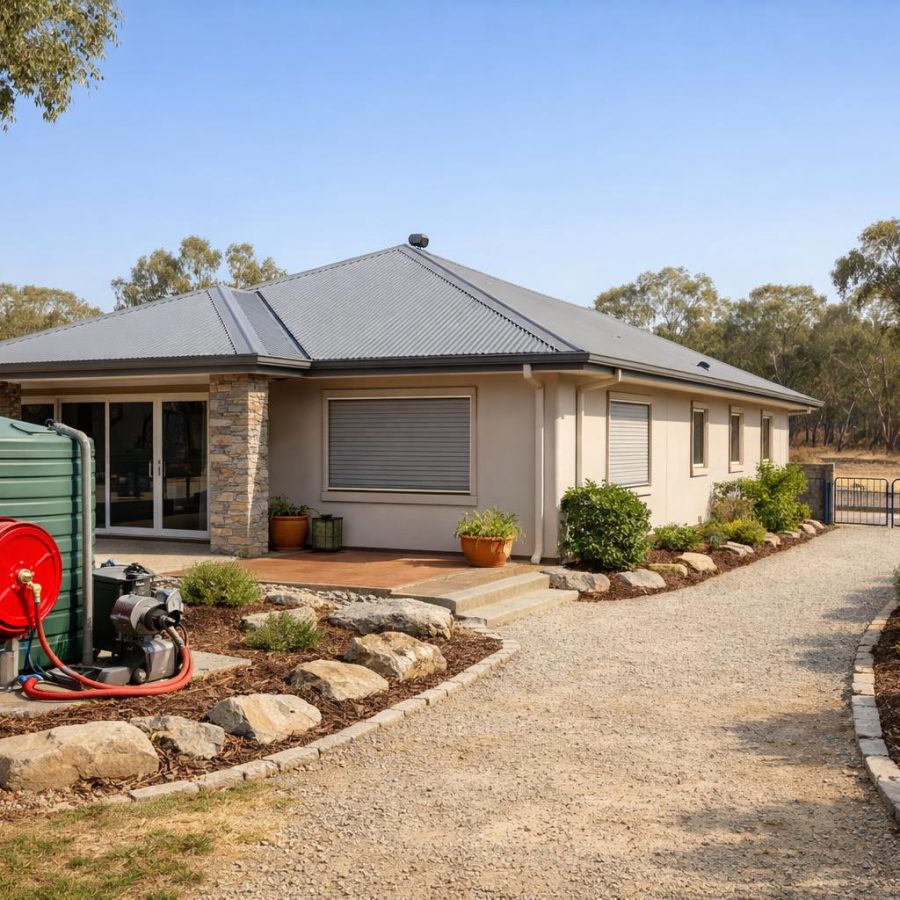
Similarly, Queensland Fire and Emergency Services advise homeowners on practical measures such as clearing gutters of debris, installing firebreaks around properties, and managing vegetation to reduce fire risk. These actions form part of an overall strategy to create defensible spaces that can slow or stop the progress of fires.
Tasmania’s Fire Service has also expanded its community engagement programs, focusing on educating residents in high-risk areas about the importance of preparing their properties and knowing when to evacuate. These programs include workshops, door-to-door visits, and distribution of printed materials that explain fire behaviour and safety measures.
In New South Wales, the Rural Fire Service has introduced targeted initiatives for vulnerable populations, including the elderly and people with disabilities. Tailored advice and support services ensure that these groups can prepare effectively and receive assistance during emergencies. This focus on inclusivity strengthens overall community resilience.
Health and safety considerations
Bushfires pose significant health risks beyond burns and trauma. Smoke inhalation affects respiratory and cardiovascular health, compounding dangers for vulnerable groups. Healthdirect Australia recommends developing a survival plan that includes an emergency kit with essential items such as masks to filter smoke, medications, and water to maintain hydration during prolonged exposure.
Additionally, mental health impacts from bushfire events are increasingly recognised as a critical concern. The trauma of evacuation, property loss, and ongoing stress can lead to anxiety, depression, and post-traumatic stress disorder (PTSD). Support services are being integrated into emergency response frameworks to provide counselling and community support, helping individuals and families recover in the aftermath of bushfire seasons.
Community health initiatives are also focusing on educating residents about the importance of wearing appropriate respiratory protection during smoke events and recognising symptoms that require medical attention. Public health campaigns encourage people to stay indoors during heavy smoke and to create clean air spaces within their homes.
Agricultural preparedness
Farmers are encouraged to integrate bushfire management into their broader emergency planning. Agriculture Victoria stresses the importance of preparing livestock by relocating them to low-risk areas on high fire danger days and having clear evacuation routes. This proactive approach helps minimise losses and supports quicker recovery post-event.
In addition to livestock management, protecting infrastructure such as water tanks, fencing, and machinery is vital. Farmers are advised to maintain clear access paths for emergency vehicles and to keep fuel supplies stored safely away from potential fire zones. These preparations reduce vulnerability and facilitate continuity of operations once conditions improve.
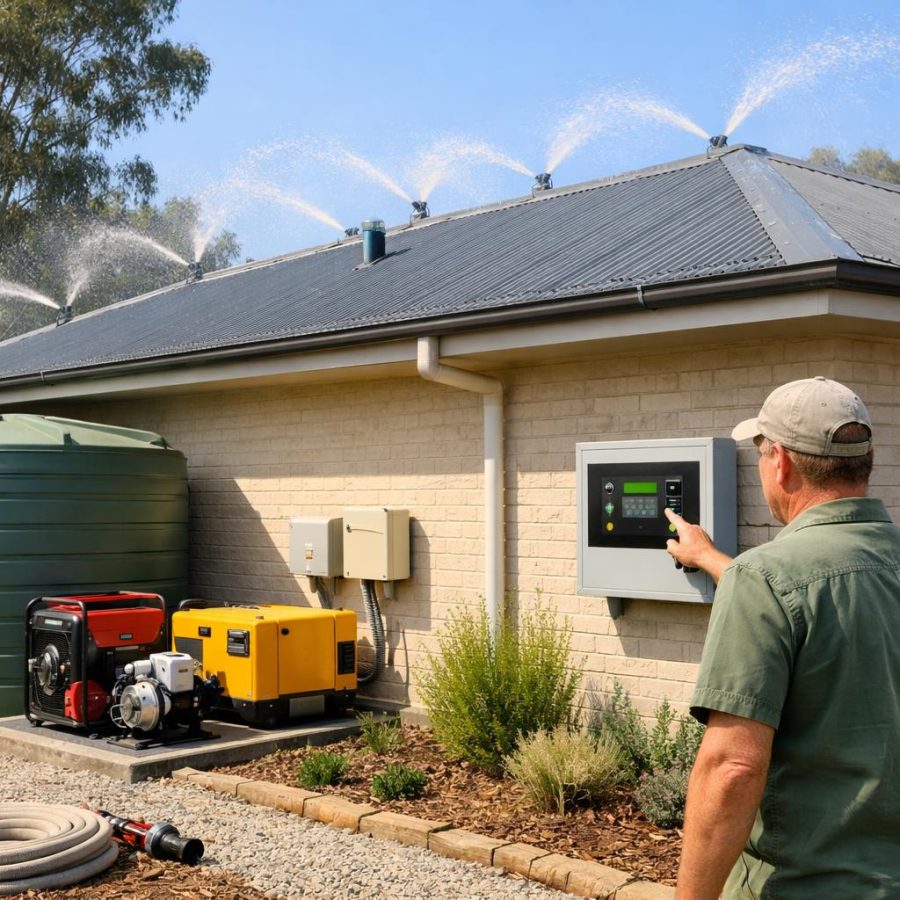
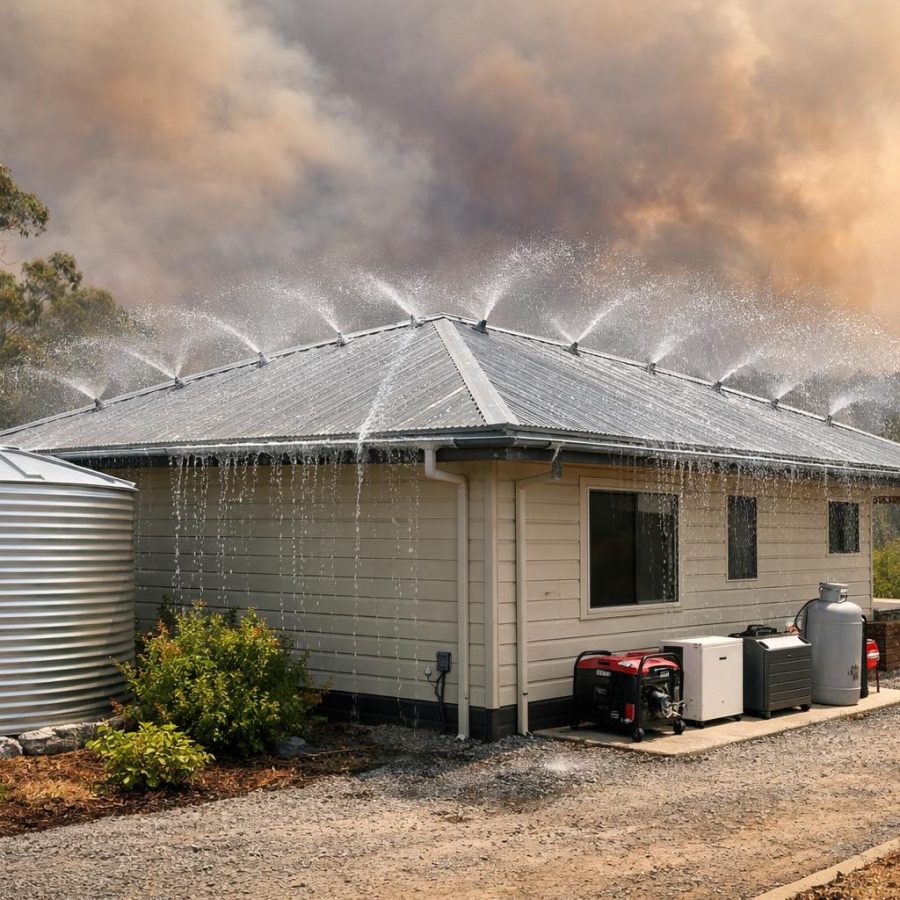
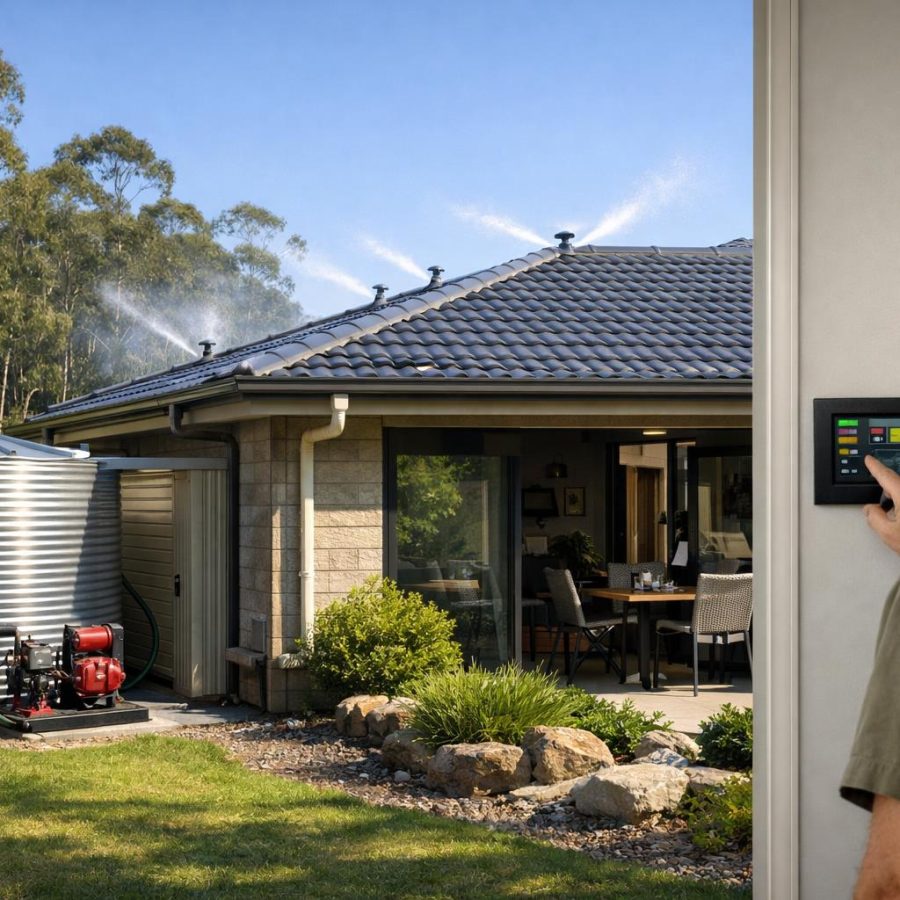
Further, agricultural agencies are promoting the use of fire-resistant materials for sheds and storage facilities, as well as the installation of sprinkler systems where feasible. Crop protection strategies, including the creation of firebreaks around fields and the timely harvesting of vulnerable crops, contribute to safeguarding livelihoods.
Community and property management
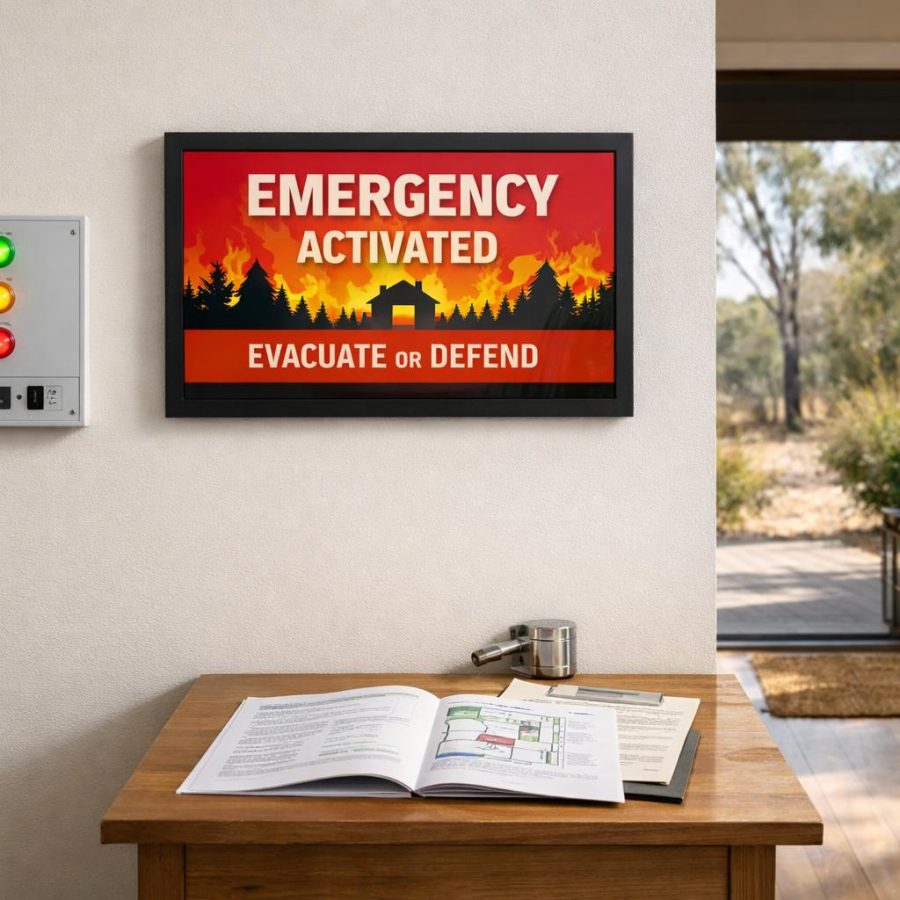
The Northern Territory Government highlights property bushfire management plans as vital for community safety. Such plans detail survival actions and evacuation procedures, ensuring residents know when and how to respond if a fire threatens their area. Building community resilience requires ongoing education and involvement, fostering a culture of preparedness.
Community fireguard groups have become an essential part of local preparedness. These volunteer networks coordinate neighbourhood efforts to clear fuel loads, share information, and support vulnerable residents during fire emergencies. Their grassroots approach complements official strategies, creating a more comprehensive safety net.
Urban planning also plays a role in bushfire resilience. Municipal councils are increasingly incorporating bushfire risk assessments into zoning decisions, ensuring that new developments consider proximity to bushland and implement fire-safe landscaping and building materials. These measures contribute to reducing overall community exposure to fire hazards.
Additionally, some communities have embraced innovative landscaping techniques such as planting fire-resistant native species and designing garden layouts that reduce ignition potential. These practices not only enhance the aesthetic of properties but also serve as natural buffers against advancing fires. Local governments often provide guidelines and incentives to encourage such environmentally conscious approaches.
What to do now: practical steps to enhance your bushfire readiness
Start by developing or reviewing your emergency plan. Understand the fire danger ratings and what each level means for your area. Prepare an emergency kit with essentials tailored to your family’s needs, including medications, masks, and important documents.
Take time to clear gutters, trim vegetation, and establish firebreaks around your property. If you farm, identify safe zones for your animals and plan evacuation routes well in advance. Engage with your local fire service and community groups to stay informed and connected.
Consider attending local preparedness workshops or information sessions offered by fire services. These provide valuable insights into fire behaviour, survival strategies, and how to use firefighting equipment safely. Being informed empowers you to make decisions that could save lives and property.
Above all, remain calm and proactive. Preparedness is the most effective defence against the unpredictable nature of bushfires, and collective efforts strengthen resilience across the nation.
Photo by Triggermouse via Pixabay
FireRescue Training Hub
Access practical fire and emergency study support resources, downloads, checklists, audio guides, and member-only course content.
- Course library
- PDF downloads
- Audio guides
- Checklists
Study support only. Not accredited training or a replacement for workplace procedures.
About the author and safety review
Ken Walker
Former Station Officer and fire service educator
Former career firefighter with extensive career and volunteer fire service experience.
Qualifications: Associate Diploma of Applied Science in Fire Technology; Institute of Fire Engineers studies.
Author profilehttps://www.firerescue.com.au/about-us/