Reality Check
Bushfires can escalate rapidly. Even well-prepared homes can be vulnerable without a clear plan. Starting your bushfire home plan today can make all the difference.
Developing a bushfire home plan is a practical step to protect your household and property. It involves understanding risks, preparing your environment, and having clear actions for before, during, and after a bushfire event. This article outlines straightforward steps to help you build a plan that suits your needs and location.
What to do now
Don’t wait for a fire warning. Assess your home’s bushfire risk and begin preparations immediately. Check your insurance cover, clear gutters and vegetation near your house, and discuss evacuation plans with your family. Confirm communication methods and designate a safe meeting place outside the fire zone.
Start a household emergency kit with essentials like water, non-perishable food, torches, and important documents. Identify multiple exit routes from your property and practise using them.
Prepare before it happens
Preparation is key to reducing bushfire impacts. Maintain a defendable space around your home by trimming shrubs, mowing grass, and removing flammable materials such as leaf litter and firewood stacks. Use ember-proof screens on windows and vents where possible.
Discuss roles with family members and ensure everyone knows what to do if a fire threatens. Keep your vehicle fuelled and ready to leave at short notice. Consider registering with local emergency alert services and downloading relevant apps.
Preparedness in 5 Minutes (Do This Now)
- Clear gutters and downpipes of leaves and debris.
- Fill containers with water for firefighting and drinking.
- Check your emergency kit and replenish essentials.
- Review and update your family’s contact list and meeting points.
- Charge mobile phones and portable power banks.
During the event
When a bushfire warning is issued or safety-for-travelers-and-campers-in-australia/”>smoke is visible, follow your bushfire home plan immediately. If you choose to leave early, do so well before the fire arrives. Avoid driving through smoke or fire-affected roads.
If staying to defend your property, wear protective clothing (long sleeves, pants, sturdy shoes, masks) and keep water hoses and extinguishers ready. Close all windows, doors, and vents to reduce ember entry. Keep listening to official updates via radio or emergency apps.
Remain aware of changing conditions. If the situation worsens or you feel unsafe, evacuate without delay.
After the event
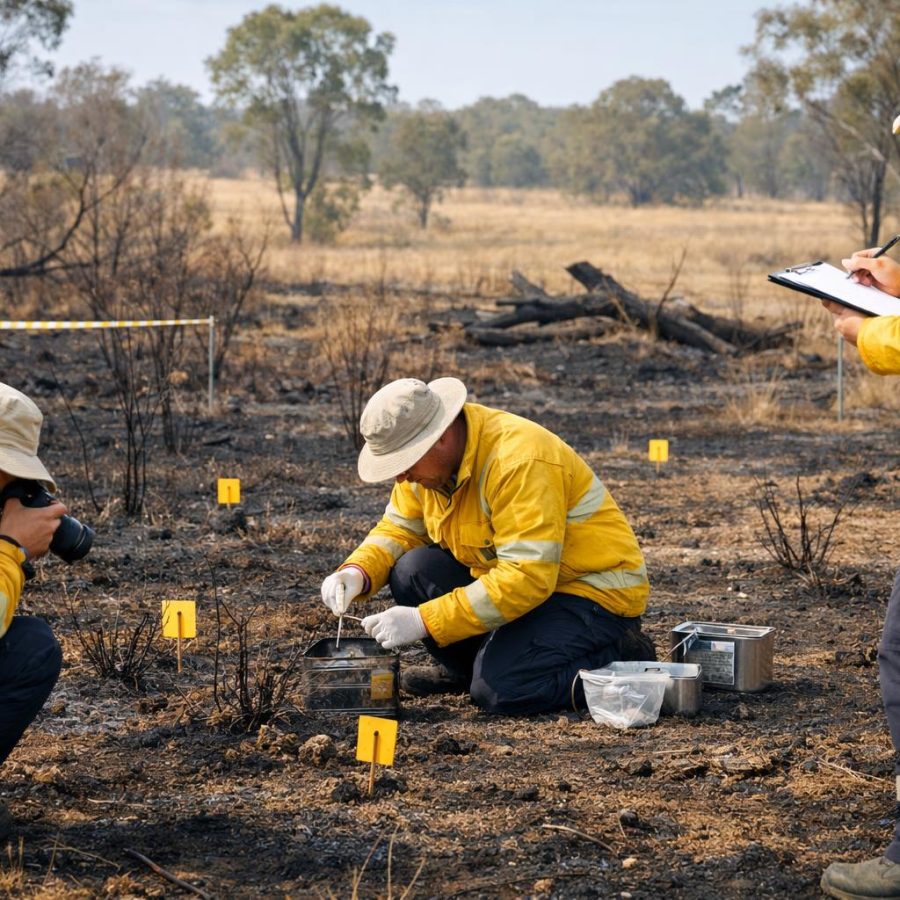
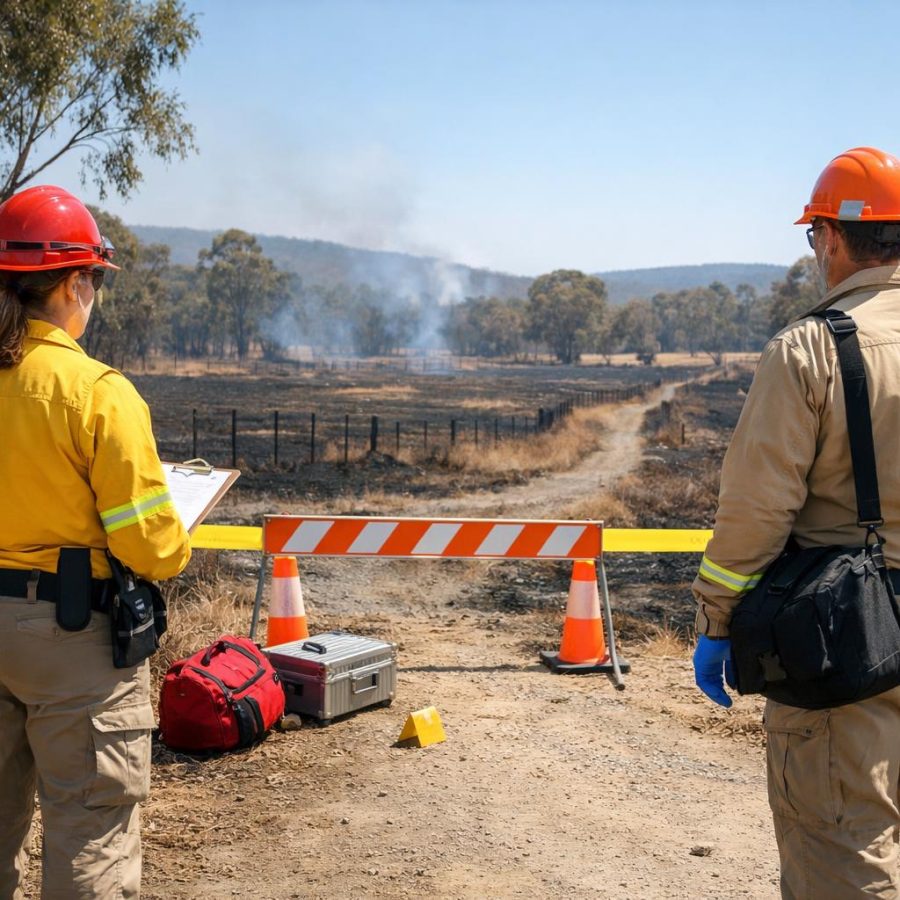
Once the fire threat passes, check your property for hot spots or damage. Wear protective gloves and masks while inspecting. Avoid re-entering if advised against by emergency services. Report hazards such as fallen power lines and blocked roads to authorities.
Contact your insurance provider as soon as possible if you have sustained damage. Look after your family’s physical and mental health and support your neighbours.
Prevention
Maintain your property to reduce fuel loads around your home. This includes clearing dry leaves, pruning trees, and ensuring firebreaks where possible.
Preparedness
Prepare your emergency kit, plan evacuation routes, and practise your bushfire home plan with all household members.
Response
Follow warnings, take immediate action to leave early or defend safely, and maintain communication with emergency services.
Recovery
Assess damage carefully, seek help if needed, and rebuild with improved safety measures in mind.
FireRescue Training Hub
Access practical fire and emergency study support resources, downloads, checklists, audio guides, and member-only course content.
- Course library
- PDF downloads
- Audio guides
- Checklists
Study support only. Not accredited training or a replacement for workplace procedures.
About the author and safety review
Ken Walker
Former Station Officer and fire service educator
Former career firefighter with extensive career and volunteer fire service experience.
Qualifications: Associate Diploma of Applied Science in Fire Technology; Institute of Fire Engineers studies.
Author profilehttps://www.firerescue.com.au/about-us/