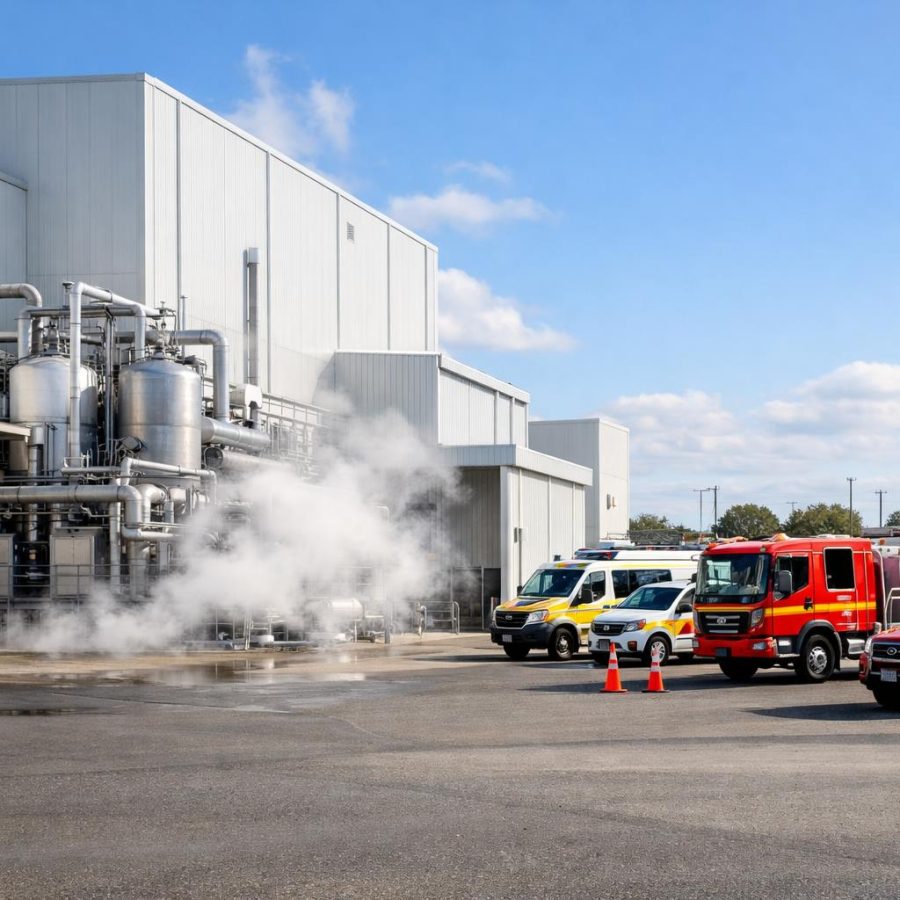
Tourism Towns and Holiday Parks: Preparing for Peak-Season Emergencies – why it matters for Australian households
Australia’s tourism towns and holiday parks come alive during peak seasons, drawing families and visitors from all over the country. These vibrant hubs offer relaxation and recreation, but they also bring unique challenges when emergencies occur. As households plan their holidays or prepare to welcome guests, understanding how to handle emergencies in these popular areas is essential for safety and peace of mind.
Peak seasons often mean increased population density, stretched local resources, and sometimes unpredictable weather events. For families staying in or near tourism towns and holiday parks, being prepared for emergencies isn’t just sensible—it can be lifesaving. Knowing what to expect and how to respond ensures everyone can enjoy their time while staying safe.

Whether you live in a tourism town, own a holiday park, or plan to visit one, taking practical steps now can make a significant difference when emergencies strike. This guide offers clear, calm advice tailored to Australian households facing the realities of peak-season emergencies.
Understanding the risk: what Tourism Towns and Holiday Parks: Preparing for Peak-Season Emergencies looks like in real life
Tourism towns and holiday parks often face a variety of emergencies, especially during busy holiday periods. Fires, floods, storms, and heatwaves can all impact these areas. The increased number of people and sometimes limited infrastructure can complicate emergency responses.
For example, a bushfire threatening a popular coastal town or a sudden storm causing flash flooding in an inland caravan park can escalate quickly. Traffic congestion during evacuations, unfamiliarity with local emergency routes, and limited communication networks may add to the stress.
Understanding these risks helps households anticipate potential scenarios. Peak seasons can bring crowds, but also the need for calm, organised responses to emergencies. Recognising the signs early and knowing locals’ advice can improve safety outcomes for everyone.
Before anything happens: simple preparation steps
Preparation is your best ally in managing emergencies in tourism towns and holiday parks. Here are straightforward actions every household can take before peak season arrives:
- Know your local risks: Check with local councils or emergency services for alerts specific to the area you’ll be staying in.
- Prepare an emergency kit: Include essentials like water, non-perishable food, a first aid kit, torch, batteries, and important documents in a waterproof bag.
- Plan your routes: Identify at least two ways to evacuate your accommodation and familiarise yourself with local emergency meeting points.
- Stay connected: Ensure your mobile phone is fully charged and consider a portable charger.
- Register with local alert systems: Sign up for SMS or app-based emergency notifications offered by the area.
Building a home checklist around tourism towns and holiday parks
Whether you own a holiday home, rent a cabin, or camp at a caravan park, a checklist tailored to the environment helps keep things organised. Consider this practical checklist:
- Secure outdoor furniture and loose items that could become hazards in strong winds.
- Know the location of fire extinguishers and how to use them.
- Check smoke alarms and replace batteries if needed.
- Identify safe rooms or shelter areas within your accommodation.
- Clear gutters and drains around your property to reduce flood risk if possible.
- Have hard-soled shoes and protective clothing easily accessible.
- Keep a printed map of the area and emergency contacts in case technology fails.
What to do when warnings appear
Emergency warnings in tourism towns and holiday parks are not to be ignored. When you receive alerts, act calmly and promptly:
- Listen carefully to the instructions provided by local authorities.
- Prepare to evacuate: pack your emergency kit and important belongings quickly but methodically.
- Inform family members or friends of your plans and location.
- Follow designated evacuation routes—do not take shortcuts or unapproved paths.
- If you cannot evacuate, move to your pre-identified safe room and stay inside until further notice.
During the event: staying safe and staying informed
Emergencies can be disorienting, especially in unfamiliar surroundings. Staying safe involves staying calm and informed:
- Keep listening to radio, official websites, or emergency apps for updates.
- Do not return to evacuated areas unless authorities say it is safe.
- Use your emergency supplies wisely, conserving food, water, and battery power.
- Stay indoors during storms or fires unless evacuating is necessary.
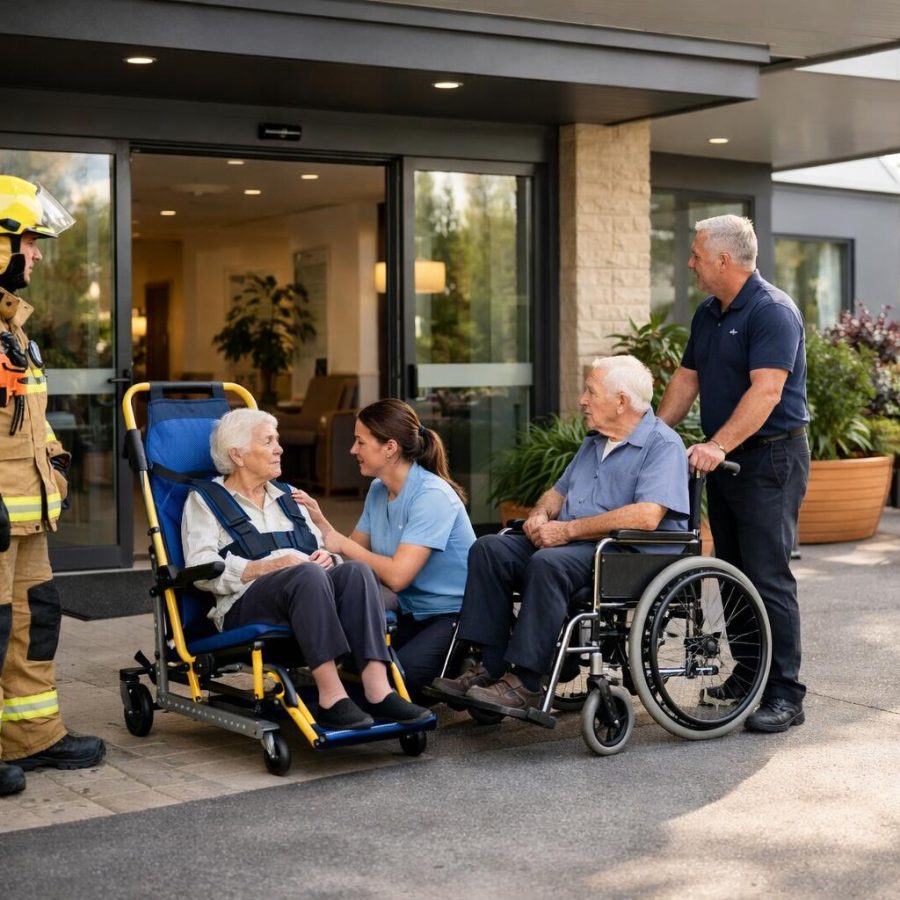
- Check in on your family or neighbours if it is safe to do so, especially the elderly or vulnerable.
After the event: clean-up, claims and care
Once an emergency passes, the focus turns to recovery. This process is easier and safer with a careful approach:
- Only return home when authorities confirm it is safe.
- Document any damage with photos or videos for insurance claims.
- Wear protective gloves and sturdy shoes while cleaning debris.
- Check for hazards such as fallen power lines, gas leaks, and unstable structures.
- Contact your insurance provider promptly to start claims.
- Reach out for support if you or your family feel overwhelmed by the experience.
Talking with family, neighbours and local services
Communication is an important part of emergency readiness in tourism towns and holiday parks. Establishing connections before and during peak season helps create a support network:
- Discuss emergency plans with your family so everyone knows their role.
- Introduce yourself to neighbours and share contact details.
- Engage with local emergency services and community groups to stay informed.
- Encourage children to learn about emergency procedures relevant to the area.
- Consider creating a neighbourhood group chat or message board for quick updates during emergencies.
Putting it all together: a practical plan for tourism towns and holiday parks
Combining these elements into a practical plan creates confidence and safety for households during peak seasons. Here’s a simple framework to guide you:
- Assess risks: Understand what emergencies are most likely in your chosen area.
- Prepare resources: Pack emergency kits and secure your accommodation.
- Learn local information: Know evacuation routes, shelters, and emergency contacts.
- Communicate plans: Make sure everyone in your group understands what to do.
- Stay alert: Monitor warning systems and adapt as the situation evolves.
- Support each other: Help neighbours and stay connected to your community.
Tip from Kenno: Having spent many summers in coastal holiday parks, I’ve learned that simple things save the most stress. Keep a small ‘grab and go’ bag packed and by the door at all times during peak season. It should have water, snacks, a flashlight, phone charger, and copies of important documents. Don’t rely only on digital maps—carry a paper one too. Chat with neighbours early and swap info about local emergency plans; you’ll find that having a community makes any emergency easier to face. Stay calm, stay prepared, and enjoy your holiday safely.
Image from Pixabay.
FireRescue Training Hub
Access practical fire and emergency study support resources, downloads, checklists, audio guides, and member-only course content.
- Course library
- PDF downloads
- Audio guides
- Checklists
Study support only. Not accredited training or a replacement for workplace procedures.
About the author and safety review
Ken Walker
Former Station Officer and fire service educator
Former career firefighter with extensive career and volunteer fire service experience.
Qualifications: Associate Diploma of Applied Science in Fire Technology; Institute of Fire Engineers studies.
Author profilehttps://www.firerescue.com.au/about-us/