FIRST AID ESSENTIALS
Practical First Aid & Medical Guide for Australians: Step-by-Step Emergency Care
Key takeaways:
Understanding basic first aid can dramatically improve outcomes in an emergency. It’s essential to stay calm, assess the situation carefully, and act with confidence while calling for professional help.
This guide provides clear, step-by-step instructions tailored for Australians, emphasising safety, legal considerations, and the importance of formal training alongside practical tips.
Remember, first aid does not replace professional medical treatment. Always seek expert medical advice and assistance as soon as possible.
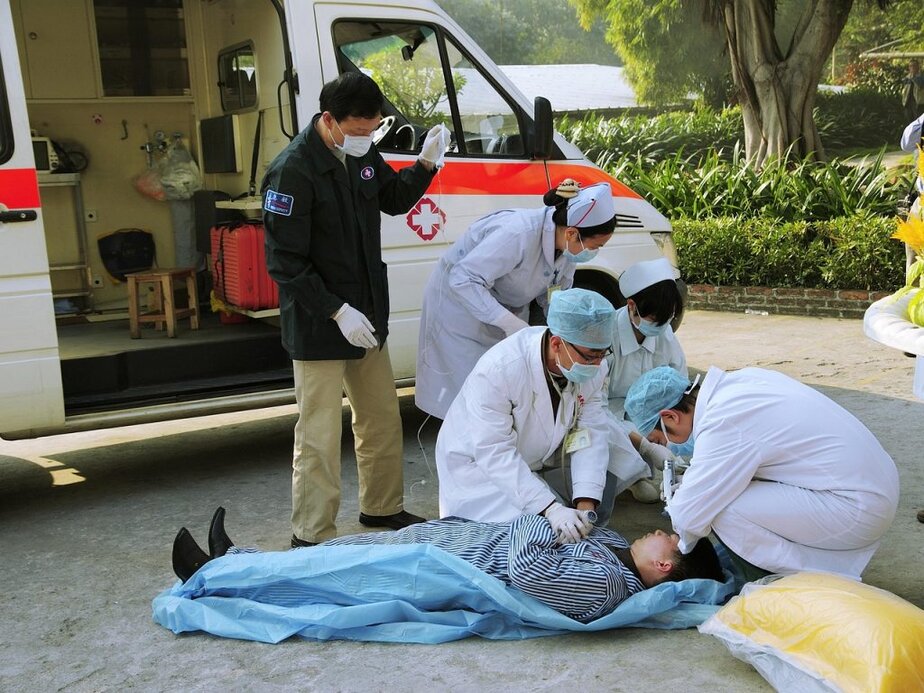
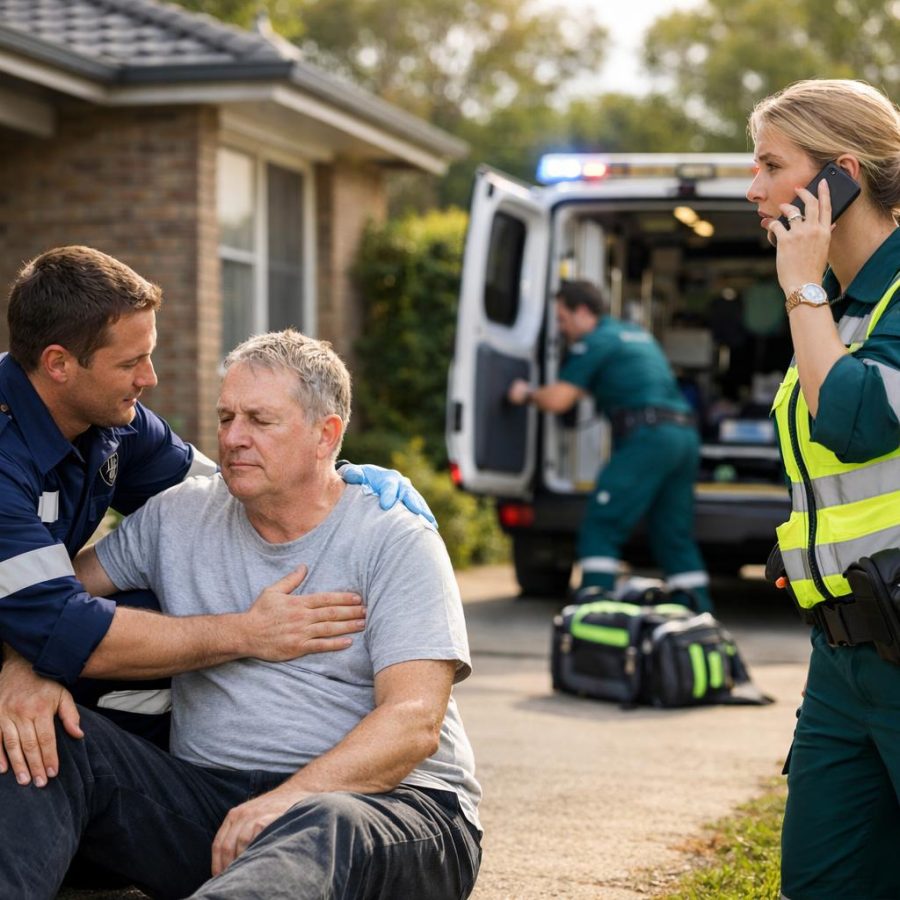
Photo by MRI via Pixabay
Why First Aid Knowledge Matters in Australia
Australia’s vast geography and frequent outdoor activities mean that emergencies can happen far from immediate medical assistance. Whether at home, work, or in the great outdoors, knowing how to respond to injuries or medical incidents can save lives. First aid training aligns with Australian safety standards and supports compliance with workplace health and safety laws, promoting preparedness and confidence.
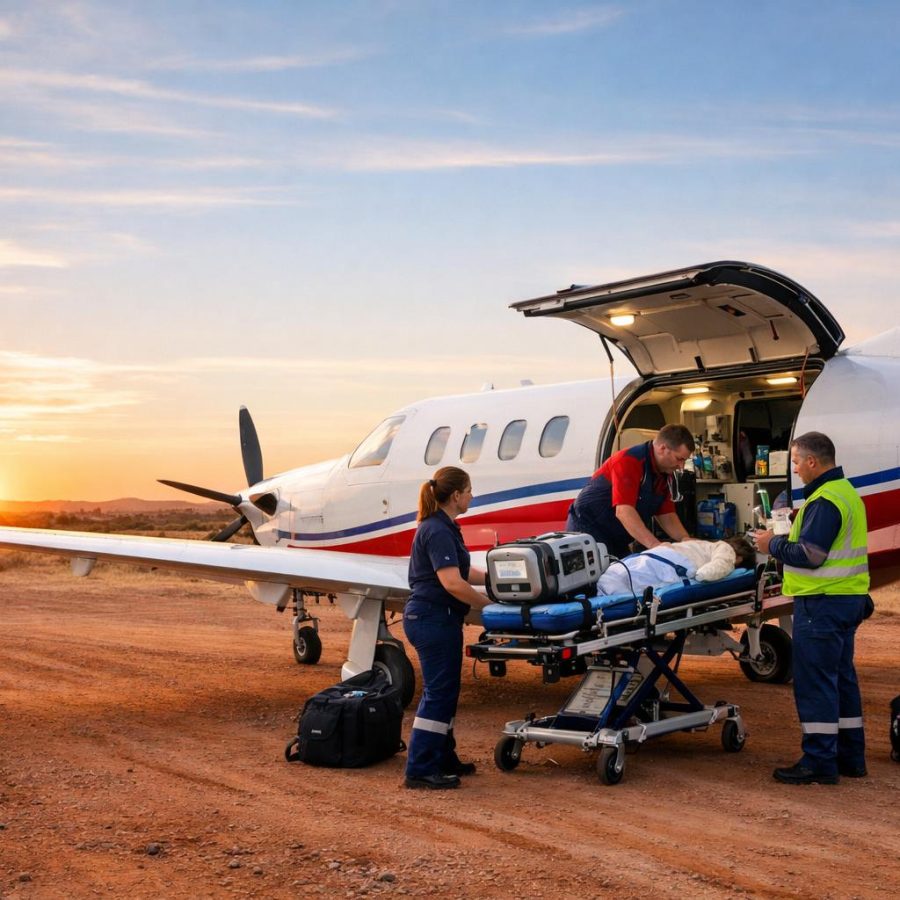
Beyond the obvious benefits of potentially saving a life, first aid knowledge also helps reduce the severity of injuries and complications. Immediate care can prevent infections, limit blood loss, and stabilise a patient’s condition until professional help arrives. This is particularly important in rural and remote areas where ambulance response times may be longer. Additionally, first aid skills foster a culture of safety and responsibility in communities and workplaces across Australia.
Initial Assessment and Safety First
Step 1: Ensure Scene Safety
Before approaching an injured person, check the environment for any ongoing dangers – such as traffic, fire, electrical hazards, or aggressive animals. Your safety is paramount. If the scene is unsafe, do not put yourself at risk; instead, call emergency services and wait for professional responders.
In some cases, you may need to take measures to make the scene safer before providing aid. For example, if a vehicle collision has occurred, turning on hazard lights, using warning triangles, or alerting others nearby can prevent further accidents. However, never attempt to move a seriously injured person unless there is an immediate threat to their life, such as fire or explosion risk.
Step 2: Check Responsiveness
Gently tap the person’s shoulder and ask loudly, “Are you okay?” If they respond, you can gather more information about their condition. If unresponsive, call for help immediately or ask a bystander to call 000 (triple zero), Australia’s emergency number.
Checking responsiveness helps determine the urgency of the situation and guides your next steps. If the person is conscious, ask simple questions to assess their level of awareness and any symptoms they might have. This information can be vital to emergency responders when they arrive. If the person is unresponsive, it is critical to check their airway, breathing, and pulse promptly.
Step 3: Call for Emergency Assistance
Dial 000 for ambulance, police, or fire services based on the situation. Provide clear location details, the nature of the emergency, and any immediate risks. Stay on the line until the operator advises otherwise.
When calling emergency services, speak calmly and clearly. Use landmarks or GPS coordinates if available to help responders find you quickly. Provide details such as the number of people injured, their conditions, and any first aid already administered. Do not hang up until the operator confirms it is okay, as they may provide instructions or ask important questions to assist you further.
Basic First Aid Steps for Common Emergencies
CPR (Cardiopulmonary Resuscitation)
If the person is unresponsive and not breathing normally, start CPR immediately. Place your hands in the centre of the chest and perform hard, fast compressions at a rate of about 100 to 120 per minute. Allow the chest to rise fully between compressions. Australian Red Cross and St John Ambulance recommend CPR training to master this skill safely and effectively.
Remember to minimise interruptions during chest compressions and, if trained, provide rescue breaths after every 30 compressions. If you are untrained or uncomfortable with mouth-to-mouth ventilation, hands-only CPR is still highly effective. Use an automated external defibrillator (AED) if one is available; follow its voice prompts carefully. Early defibrillation greatly increases the chance of survival in cardiac arrest.
Bleeding Control
Apply firm pressure using a clean cloth or your hand to any bleeding wound. Elevate the injured area if possible, unless a fracture is suspected. Maintain pressure until bleeding stops or emergency services take over. Avoid removing embedded objects to prevent further injury.
In cases of severe bleeding, consider using a tourniquet as a last resort if direct pressure fails and you are trained to do so. Be aware that improper use can cause tissue damage. Always prioritise direct pressure and elevation first. Monitor the victim for signs of shock such as pale skin, rapid pulse, or confusion, and keep them warm and comfortable.
Burns Management
Cool the burn with running water for at least 20 minutes to reduce tissue damage. Avoid using ice or creams. Cover the area loosely with sterile gauze or a clean cloth to prevent infection. For severe burns, or if the person is in significant pain or shock, call emergency services promptly.
Do not break blisters or remove burnt clothing stuck to the skin. If the burn involves the face, hands, feet, or genitals, or covers a large area, it requires urgent medical attention. Be mindful of the risk of hypothermia when cooling large burns, particularly in children and the elderly. Reassure the person and monitor their vital signs until help arrives.
Choking Response
For conscious adults and children over one year, encourage coughing first. If ineffective, deliver up to five back blows between the shoulder blades with the heel of your hand. If choking persists, perform abdominal thrusts (Heimlich manoeuvre) until the object is dislodged or the person becomes unconscious. For infants under one year, use chest thrusts instead of abdominal thrusts. Always follow official first aid training guidance.
If the person becomes unconscious, carefully lower them to the ground and begin CPR, checking the mouth for any visible obstruction before giving breaths. Always seek training to perform these techniques safely. Prompt action can prevent suffocation and brain injury caused by oxygen deprivation.
Fractures and Suspected Spinal Injuries
Avoid moving the injured person unless they are in immediate danger. Support the injured limb with padding or splints to immobilise it. Keep the person comfortable and monitor for shock symptoms. Call emergency services immediately. If spinal injury is suspected, keep the head and neck aligned and do not twist or bend the person.
When splinting a fracture, use rigid materials like boards or rolled-up newspapers, securing them with bandages or cloth strips without causing pressure on the injury. For suspected spinal injuries, stabilising the head and neck can prevent paralysis or further harm. Reassure the person and avoid any unnecessary movement. Emergency responders will have the equipment and expertise for safe extrication and transport.
Special Considerations for Australian Environments
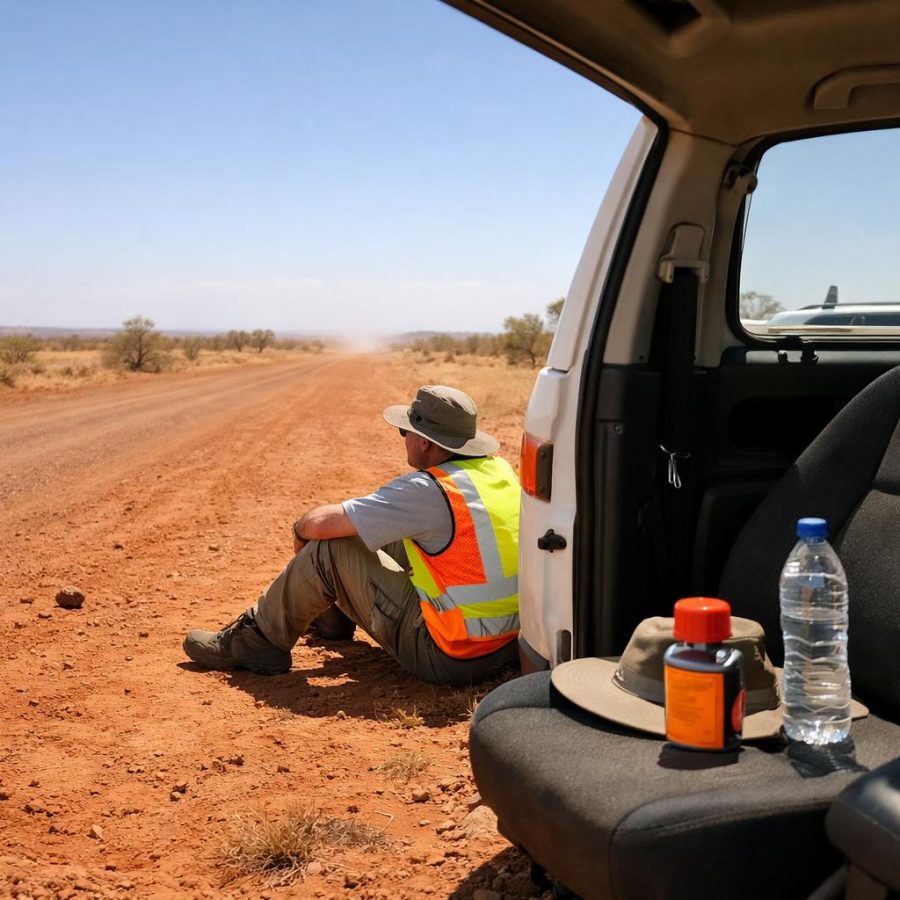
Australia’s diverse environments—from urban centres to remote bushland—present unique challenges. Heatstroke and dehydration are common in hot climates, so drink water regularly and seek shade when possible. Snake bites, spider bites, and jellyfish stings require prompt first aid and may need antivenom treatment. Always carry a fully stocked first aid kit tailored to your location and activity.
Being aware of local risks and preparing accordingly can make a significant difference. For example, when hiking in the bush, inform someone of your route and expected return time. Carry a mobile phone or satellite communicator if venturing into remote areas. Learn to recognise early symptoms of common Australian hazards such as heat stress, venomous bites, and allergic reactions.
Heat-Related Illnesses
If you suspect heat exhaustion or heatstroke, move the person to a cooler place immediately. Remove excess clothing and cool their skin with damp cloths or a fan. Encourage sips of water if the person is conscious and able to swallow. Heatstroke is a medical emergency; call 000.
Understanding the difference between heat exhaustion and heatstroke is vital. Heat exhaustion may present with heavy sweating, weakness, dizziness, and nausea, while heatstroke involves a high body temperature, confusion, loss of consciousness, and requires urgent medical attention. Prevention includes wearing loose, light clothing, avoiding strenuous activity during peak heat, and drinking plenty of fluids.
Bites and Stings
For snake bites, keep the person calm and immobilise the bitten limb at heart level. Apply a pressure immobilisation bandage if trained. For severe allergic reactions to insect stings, use an epinephrine auto-injector if available and call emergency services immediately. For jellyfish stings, rinse with vinegar and remove tentacles carefully; do not rub the area.
It is important to recognise signs of anaphylaxis, such as difficulty breathing, swelling of the face or throat, rapid heartbeat, or loss of consciousness. Immediate administration of epinephrine can be lifesaving. After administering first aid, keep the person lying down and monitor their breathing and consciousness until help arrives.
Legal and Safety Considerations
While providing first aid, Australians are protected under Good Samaritan laws that encourage helping others without fear of legal repercussions, provided you act reasonably and within your skill level. However, it is critical to seek formal first aid training to understand your responsibilities and limitations, and to act safely and effectively.
These laws aim to foster a community spirit of assistance while protecting both the helper and the victim. Nonetheless, always obtain consent from a conscious person before administering aid, and never perform procedures beyond your training. Documenting the incident and your actions can be helpful if questions arise later. Remember that your intention should always be to assist and not cause harm.
If You Only Do Five Things in an Emergency
First, ensure your own safety and the safety of others around you before approaching the injured person. Do not rush in if the environment is hazardous.
Second, check the person’s responsiveness and breathing. This quick check directs your next steps, whether CPR is needed or other first aid.
Third, call triple zero (000) immediately if the situation is serious or life-threatening, giving clear details about the location and the incident.
Fourth, control any severe bleeding by applying firm pressure and elevating limbs if safe to do so, to prevent further blood loss.
Fifth, stay with the injured person until help arrives, monitoring their condition and providing reassurance while avoiding unnecessary movement.
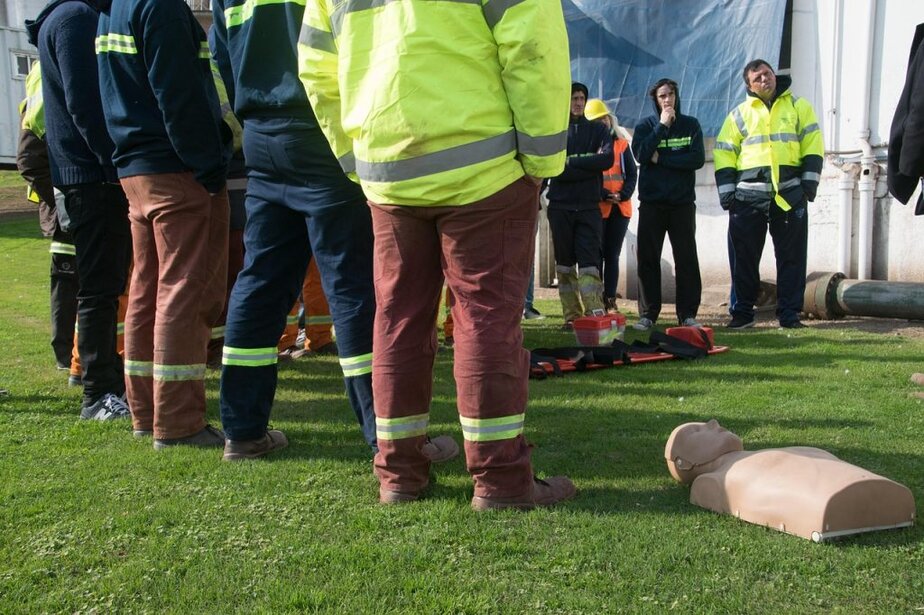
These five steps form the foundation of effective emergency response. They prioritise safety, rapid assessment, communication with emergency services, and supportive care. Following them can dramatically improve the chances of survival and recovery for the injured person.
Further Training and Resources
Formal first aid courses offered by recognised Australian providers such as the Australian Red Cross, St John Ambulance, and Surf Life Saving Australia provide hands-on skills and confidence. Many workplaces also require staff to hold current first aid certificates under Australian workplace health and safety laws. Additionally, familiarise yourself with the Australian Resuscitation Council guidelines and keep your first aid kit up to date. The Australian Government Department of Health offers valuable resources and updates on first aid best practices.
Regular refresher training is recommended as first aid guidelines evolve and skills can diminish over time. Practical experience through drills or volunteering with community groups can enhance readiness. Building a culture of preparedness in your household, workplace, or recreational groups helps ensure that more people are capable of responding effectively in emergencies.
Preparedness, calmness, and proper first aid knowledge empower every Australian to act confidently in emergencies, potentially saving lives and reducing harm.
FireRescue Training Hub
Access practical fire and emergency study support resources, downloads, checklists, audio guides, and member-only course content.
- Course library
- PDF downloads
- Audio guides
- Checklists
Study support only. Not accredited training or a replacement for workplace procedures.
About the author and safety review
Ken Walker
Former Station Officer and fire service educator
Former career firefighter with extensive career and volunteer fire service experience.
Qualifications: Associate Diploma of Applied Science in Fire Technology; Institute of Fire Engineers studies.
Author profilehttps://www.firerescue.com.au/about-us/