Smoke haze safety
Key Takeaways:
Using the right air quality mask during smoke haze events helps protect your lungs from harmful particles. Understanding mask types, fit, and when to wear one is important for staying safe in affected areas.
Follow local air quality warnings and official advice for best results. This guide covers practical steps Australians can take, including mask selection, fit tips, and additional actions to reduce smoke exposure.
Understanding Smoke Haze and Air Quality
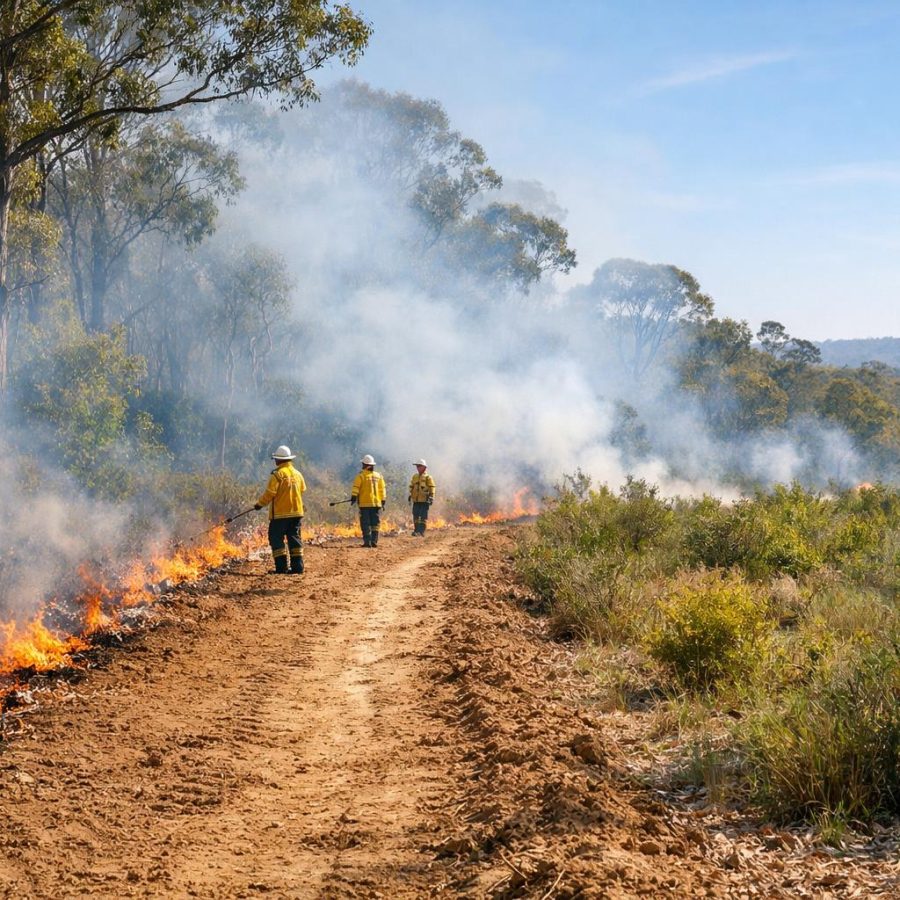
Smoke haze occurs when tiny particles from bushfires or other fires fill the air, reducing visibility and compromising air quality. These particles are often small enough to penetrate deep into your lungs and even enter your bloodstream. In Australia, smoke haze can last days or weeks, especially during the fire season. Knowing when the air is unsafe and how to protect yourself is essential to reduce health risks, particularly for children, older adults, and people with respiratory or heart conditions.
Exposure to smoke haze can exacerbate existing health problems and trigger new symptoms even in otherwise healthy individuals. The fine particulate matter (PM2.5) in smoke can inflame airways and decrease lung function, making it harder to breathe. Long-term exposure over multiple days can lead to chronic respiratory issues. Therefore, awareness and proactive protection are crucial during haze events.
<!– Smoke Haze Mask Guide: Award-style download card (copy/paste) –>

Why Use a Mask During Smoke Haze?
Not all masks are equally effective. Simple cloth masks or surgical masks do not filter out the tiny particles in smoke haze. Properly fitted masks designed to block fine particles can reduce the amount of harmful material you breathe in. Wearing an appropriate mask when air quality levels are poor can help prevent coughing, shortness of breath, and longer-term lung damage.
Moreover, masks help reduce the inhalation of chemical irritants found in smoke, such as carbon monoxide and volatile organic compounds, which can affect cardiovascular health. While masks do not eliminate all risks, they are a vital line of defence, especially for vulnerable populations and during heavy smoke days.
Choosing the Right Air Quality Mask
In Australia, look for masks labelled as P2 or N95. These masks are tested to filter out at least 94 to 95 percent of airborne particles. They are designed to seal closely around your nose and mouth to prevent leakage. Avoid masks with valves for smoke protection, as those valves allow unfiltered air to escape and enter your lungs. Be wary of counterfeit masks and buy from trusted suppliers, especially during high demand periods.
It’s important to note that the fit of the mask is as important as the filtration rating. Masks that do not seal properly around the face allow smoke particles to bypass the filter. Investing in masks with adjustable nose clips and elastic straps can help achieve a better fit. Some masks also come in different sizes to accommodate various face shapes. If you have difficulty finding a good fit, consider professional fit testing if available.
Surgical and Cloth Masks
Surgical masks primarily protect others from droplets, not the wearer from fine particles. Cloth masks vary widely and generally provide little protection against smoke haze. They can still help reduce exposure from large droplets but won’t stop small smoke particles.
While cloth masks are better than no mask in terms of reducing exposure to larger respiratory droplets, they should not be relied upon during heavy smoke haze. Some cloth masks with multiple layers and high thread counts may offer marginally better protection, but they are still far less effective than certified P2 or N95 masks.
P2 and N95 Masks
These masks filter out most fine particles if worn correctly. They are recommended during high smoke days. Make sure the mask fits snugly on your face without gaps. If you have facial hair, the mask may not seal properly, reducing effectiveness.
It is also essential to check the certification labels on these masks to ensure authenticity. N95 is a US standard, while P2 is the Australian equivalent. Both offer similar protection levels. Avoid using masks past their expiry date or those that appear damaged or misshapen, as this can compromise the filtration ability.

Photo by geralt via Pixabay
How to Properly Wear a Smoke Haze Mask
Start by washing your hands before handling the mask to avoid contamination. Position the mask over your nose and mouth, securing it under your chin. Adjust the nose clip to fit tightly against the bridge of your nose. Make sure the mask edges press firmly against your face without gaps. Avoid touching the mask while wearing it. Remove the mask by handling only the straps and discard or clean it according to manufacturer instructions.
Proper wearing technique is critical to mask effectiveness. Before going outdoors, perform a fit check by inhaling and exhaling sharply; the mask should collapse slightly on inhalation without air leaking around the edges. If you feel air escaping, adjust the straps or nose clip. For those wearing glasses, ensure the mask fits well to reduce fogging caused by exhaled air escaping upward.
Additional Safety Tips During Smoke Events
Stay indoors as much as possible with windows and doors closed. Use air conditioners on recirculate mode to reduce smoke intake. Avoid strenuous outdoor activity when air quality is poor. If you have an air purifier, use it in commonly used rooms. Keep hydrated and monitor symptoms such as coughing, wheezing, or difficulty breathing. Seek medical advice if you have existing health conditions or experience worsening symptoms.
Reducing indoor smoke exposure is also critical. Avoid activities that increase indoor air pollution, such as smoking, burning candles, or using gas stoves without proper ventilation. Consider sealing gaps around windows and doors with weather stripping or towels to minimize smoke intrusion. If you must go outside, plan trips during times of lower smoke concentration, often early morning or after rain.
If You Only Do Five Things
First, monitor local air quality updates and heed official warnings and advice. Second, use a proper P2 or N95 mask when outdoors in smoky conditions. Third, ensure your mask fits well with no gaps around the nose and chin. Fourth, limit outdoor activities and avoid exercise during smoke haze. Fifth, keep your living space smoke-free by closing doors and windows and using air filtration if possible.
In addition to these five essential steps, remember to check in on vulnerable family members and neighbours who may need assistance during smoke events. Children, the elderly, and those with chronic illnesses are particularly at risk and may require extra care and monitoring.

Photo by educadormarcossv via Pixabay
Common Questions About Masks and Smoke Haze
Can children wear P2 or N95 masks safely?
Children over the age of 12 may use P2 masks if they fit properly. For younger children, masks are generally not recommended as they may not fit securely, and breathing can be more difficult. Instead, focus on keeping children indoors during smoke haze events.
For younger children, creating a smoke-safe indoor environment is more effective than mask use. Parents should ensure play areas are away from windows and doors and consider using portable air cleaners designed for smaller rooms. If a child must go outside briefly, a well-fitting mask designed for smaller faces may be tried under supervision, but comfort and safety should come first.
How long can I reuse a P2 mask?
Most disposable masks are recommended for single use only, especially when exposed to heavy smoke. Some manufacturers allow limited reuses if the mask remains clean, dry, and undamaged, but effectiveness can decrease. Follow the mask’s instructions and dispose safely when you notice damage or difficulty breathing through it.
To extend the life of masks when supply is limited, store them in a clean, breathable container between uses and avoid touching the inside of the mask. However, note that reusing masks during prolonged smoke events may reduce filtration efficiency, so replacing them as soon as possible is advisable.
Are face shields helpful against smoke?
Face shields protect against splashes but do not filter airborne particles. They should not be used as a substitute for a properly fitted mask during smoke haze events.
Face shields can be used in conjunction with masks for added eye protection, especially for those sensitive to smoke irritation. However, relying on shields alone offers no protection from inhaling fine smoke particles and is not recommended.
Where to Find Reliable Updates and Resources
The Australian Government Bureau of Meteorology and state environment agencies regularly publish air quality readings and advice. Stay tuned to local radio, government websites, and apps for real-time updates. Follow instructions from emergency services and health authorities for best protection during bushfire seasons.
Several smartphone apps provide up-to-date air quality indices and forecasts, enabling you to plan activities around smoke events. Trusted sources include the Air Quality Index (AQI) from state environment departments and the Australian Department of Health. Avoid relying on social media rumours and always verify information from official channels.
Remember, masks are one part of a broader strategy to reduce health impacts from smoke haze. Use them wisely alongside other safety measures to keep yourself and your family safe.
FireRescue Training Hub
Access practical fire and emergency study support resources, downloads, checklists, audio guides, and member-only course content.
- Course library
- PDF downloads
- Audio guides
- Checklists
Study support only. Not accredited training or a replacement for workplace procedures.
About the author and safety review
Ken Walker
Former Station Officer and fire service educator
Former career firefighter with extensive career and volunteer fire service experience.
Qualifications: Associate Diploma of Applied Science in Fire Technology; Institute of Fire Engineers studies.
Author profilehttps://www.firerescue.com.au/about-us/