First Aid & Medical Update
Key takeaways
Less than 5% of Australians currently hold first aid training, despite high injury and fatality rates from preventable incidents.
Specialised first aid courses, including wilderness and remote area training, are emerging to meet diverse community needs.
Seasonal risks such as drowning and heat stroke underline the urgent need for widespread first aid preparedness.
Australia’s First Aid Training Landscape: A Wake-Up Call
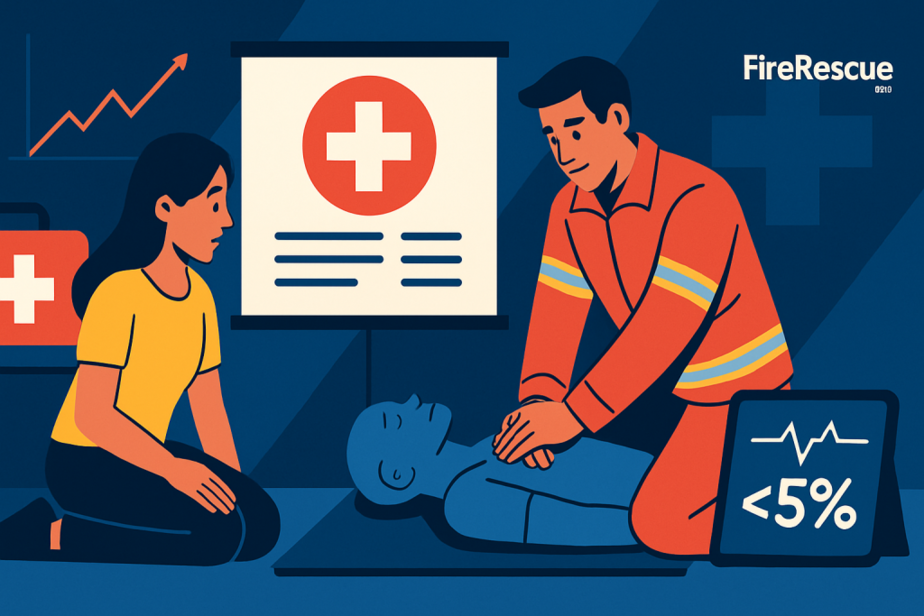
Despite Australia’s reputation for robust emergency services and health care, recent reports reveal a concerning deficit in first aid training among the general population. The Australian Red Cross highlights that fewer than 5% of Australians have undertaken formal first aid training, a figure that starkly contrasts with the nearly half a million hospital admissions annually due to injuries. Tragically, around 12,000 fatalities occur each year from such injuries, with falls being a leading cause. This gap in preparedness presents a critical challenge for community safety and emergency response.
Similarly, research from St John Ambulance Australia paints a sobering picture: 31% of Australian adults have never engaged in any first aid training, and only 36% currently hold valid and up-to-date certification. These statistics indicate a widespread lack of confidence and competence in basic life-saving skills, which can make the difference between life and death in emergency situations.
The ramifications extend beyond individual health; they impact community resilience, emergency service workloads, and the broader healthcare system’s capacity. Without a greater emphasis on first aid education, preventable injuries may continue to escalate in both number and severity. [Source]
First Aid Readiness in Australia
A simple visual based on recent Australian first aid, injury and seasonal risk data.
Completed first aid training in the last 3 years
Have not done recent first aid training
The biggest gap is not total awareness. It is keeping skills current. That matters because confidence rises sharply when training is recent.
Related Australian statistics
Most Australians have seen a health or medical emergency at some point.
Less than half say they feel confident providing first aid in those situations.
Confidence is much stronger among people trained in the last 3 years.
Confidence drops hard when training is outdated or never done.
Why this matters
Australia recorded 575,345 injury hospitalisations in 2023–24 and 15,332 injury deaths in 2022–23. Injuries are also the leading cause of death for Australians aged 1 to 44. On top of that, Royal Life Saving reported 81 summer drowning deaths from 1 December 2025 to 28 February 2026.
Emerging Solutions: Training Tailored to Real-World Needs
Recognising the urgent need to improve first aid readiness, several organisations are stepping forward with innovative, specialised training programs. Providers such as First Aid Pro and Survive First Aid have expanded course offerings to include wilderness and remote area first aid—an essential skill set for Australians living or working outside urban centres, where emergency response times can be significantly delayed.
These courses equip participants with advanced techniques for managing injuries and medical emergencies in environments where professional help is not immediately accessible. The focus is on practical, scenario-based learning that enhances confidence and decision-making under pressure. By diversifying training options, these organisations aim to bridge the gap between urban-centric first aid knowledge and the realities faced by rural and remote communities.
Moreover, standard first aid courses are being updated to reflect best practices, with an emphasis on CPR, bleeding control, and managing common emergencies such as choking and burns. This holistic approach recognises the evolving nature of first aid and the importance of keeping skills current. [Source]
Seasonal Hazards Highlight the Need for Preparedness
The Australian Red Cross draws attention to the heightened risks during summer months, when drowning incidents and heat-related illnesses such as heat stroke become more prevalent. This seasonal uptick in emergencies further underscores the critical need for widespread first aid knowledge, as prompt and effective intervention can significantly reduce fatalities and complications.
Public awareness campaigns encourage Australians to learn and refresh first aid skills ahead of summer, emphasising practical measures like safe water practices, recognising signs of heat exhaustion, and knowing how to respond effectively. The Red Cross also stresses that being prepared can empower individuals to act decisively, potentially saving lives before professional help arrives.
These initiatives are vital components of a national strategy to enhance community resilience, supporting emergency services by reducing preventable injuries and fatalities through early intervention. [Source]
Background and Context
Australia’s emergency response framework is world-class, with Fire & Rescue, Police, Ambulance, and the State Emergency Service (SES) each playing defined roles. However, their capacity is often stretched during peak periods and large-scale incidents. First aid training within the community acts as a crucial first line of defence, allowing bystanders to provide immediate care and stabilisation.
Fire & Rescue primarily handles fire suppression, rescue operations, and hazardous incident response. Police maintain law and order and manage traffic and crowd control at incident sites. Ambulance services provide pre-hospital medical care and transport to healthcare facilities. The SES supports communities during natural disasters and extreme weather events.
Knowing when and how to contact these services is vital: dialling 000 connects callers to Emergency Services, who can direct the call to the appropriate response agency. Empowering the public with first aid skills complements these services, enabling initial care that can save lives and improve outcomes.
Practical Implications for Individuals and Communities
The statistics on first aid training deficiencies highlight a clear and actionable need. Individuals are encouraged to seek out reputable first aid courses, including those offering renewal and specialised modules, to ensure their skills remain relevant and effective.
Communities and workplaces should prioritise first aid education as an integral part of safety culture, recognising that even basic knowledge like CPR and bleeding control can dramatically alter outcomes following accidents. Incorporating first aid into schools and local community programs can build a culture of preparedness that benefits all Australians.
Emergency services and health organisations also have a role in promoting accessible, affordable, and engaging first aid training options. Collaboration between government, non-profits, and private providers can expand reach and tailor content to diverse populations, including culturally and linguistically diverse groups and remote communities.
What to Do Now: A Calm Guide to Preparedness
Australians interested in improving their first aid skills should explore accredited courses through recognised providers such as St John Ambulance, the Australian Red Cross, and specialised organisations like First Aid Pro. Many offer flexible learning options suited to different needs and schedules.
In emergencies, the number to call is 000. Operators will dispatch the necessary services: Fire & Rescue for fire or rescue emergencies, Police for law enforcement and traffic management, Ambulance for medical emergencies, and SES for severe weather and natural disaster response.
Practising basic first aid techniques, keeping a well-stocked first aid kit at home and in vehicles, and staying informed about seasonal hazards can all contribute to a safer Australia. The collective effort to raise first aid awareness and skills is a vital investment in community health and safety.
The Role of Technology in Enhancing First Aid Training
In recent years, technology has begun to transform how first aid training is delivered and accessed across Australia. Online platforms and mobile applications provide interactive tutorials, video demonstrations, and even virtual reality simulations that allow learners to practice emergency scenarios in a controlled environment. This digital approach helps overcome geographic barriers, providing remote and rural Australians easier access to quality training resources.
Some apps also offer real-time guidance during emergencies, walking users through CPR steps or bleeding control techniques with voice prompts. These tools can be especially valuable for individuals who have outdated training or who have never received formal instruction, helping to improve confidence and effectiveness when seconds count.
Overcoming Barriers to First Aid Education
Despite the clear benefits, several barriers hinder widespread uptake of first aid training. Cost, time constraints, and lack of awareness are common obstacles. Efforts to subsidise training for vulnerable populations and integrate first aid education into school curricula aim to address some of these challenges.
Cultural and language differences also affect accessibility. Tailoring courses to be culturally sensitive and offering materials in multiple languages can help engage diverse communities more effectively. Partnerships with community leaders and organisations can foster trust and encourage participation.
First Aid in the Workplace: Enhancing Safety and Compliance
Workplaces bear a particular responsibility to ensure employees are trained in first aid, not only to comply with legal health and safety requirements but to foster a safer environment. Industries with higher injury risks, such as construction, manufacturing, and agriculture, benefit significantly from having trained first aid officers on site.
Regular refresher courses and drills can maintain readiness and reinforce a safety culture. Employers who invest in comprehensive first aid training often see reduced incident severity, quicker recovery times, and improved employee morale. These benefits extend beyond compliance, ultimately protecting lives and reducing costs associated with workplace accidents.
Community Stories: The Impact of First Aid Training
Across Australia, there are numerous accounts of everyday citizens who have saved lives thanks to their first aid knowledge. From administering CPR to strangers in public spaces to managing severe bleeding in rural areas, trained individuals have made a profound difference. These stories highlight the real-world value of first aid skills and serve as powerful motivators for others to seek training.
Community initiatives, such as local first aid clubs and volunteer responders, further strengthen social bonds and preparedness. Encouraging and sharing these stories within communities can inspire a culture of care and readiness that benefits everyone.
Looking Ahead: Building a More Prepared Australia
Addressing the first aid training gap requires sustained effort from government, industry, education, and community sectors. National strategies that prioritise funding, awareness campaigns, and integration of first aid into daily life are essential. By embedding first aid knowledge as a fundamental life skill, Australia can improve survival rates, reduce healthcare burdens, and enhance overall community wellbeing.
Ultimately, closing the gap on life-saving skills is not just a matter of individual responsibility but a collective commitment. As injury rates rise and new challenges emerge, fostering a society where first aid competence is widespread will be a critical pillar of resilience and safety for all Australians.
Expanding First Aid Education in Schools: Shaping Future Generations
One of the most effective long-term strategies to improve first aid knowledge across Australia is integrating comprehensive first aid education into school curricula. Teaching children and adolescents the basics of first aid, CPR, and emergency response not only equips them with vital skills but also fosters a culture of safety and responsibility from an early age. Schools that have adopted such programs report increased student confidence in handling emergencies and a greater sense of community care.
Embedding first aid training within the educational framework also normalises the practice, making it a routine part of personal development alongside other essential life skills. As these young individuals grow into adults, the collective impact can significantly raise the national baseline for first aid competence.
The Importance of Mental Health First Aid
While physical first aid remains critical, there is growing recognition of the value of mental health first aid in Australia. This specialised training teaches individuals how to identify, understand, and respond to signs of mental health crises, such as anxiety, depression, or suicidal thoughts. Given the rising awareness of mental health challenges, equipping communities with these skills can complement traditional first aid and provide holistic support during emergencies.
Mental health first aid courses empower people to offer initial assistance and guide those affected towards professional help, reducing stigma and fostering resilience. Incorporating mental health first aid into broader first aid programs could further enhance community wellbeing and emergency preparedness.
Volunteerism and Community-Led First Aid Initiatives
Volunteers play a pivotal role in expanding first aid coverage across Australia. Community-led initiatives, such as neighbourhood first aid groups or local response teams, often provide training sessions, awareness campaigns, and rapid assistance during emergencies. These grassroots efforts not only increase the number of trained individuals but also strengthen social cohesion and mutual support networks.
Encouraging volunteerism in first aid can be particularly impactful in rural and remote areas, where access to professional emergency services is limited. Such community-driven programs often tailor training to local risks and needs, enhancing relevance and effectiveness.
Government Policy and Funding: Catalysts for Change
Government involvement is crucial in addressing the first aid training gap. Policy frameworks that mandate or incentivise first aid education in schools, workplaces, and public venues can create systemic improvements. Additionally, funding for subsidised or free training programs makes first aid education accessible to vulnerable and underserved populations.
Investment in public health campaigns to raise awareness of first aid’s importance also helps shift cultural attitudes and encourages wider participation. Coordinated efforts between federal, state, and local governments, alongside health and emergency services, can amplify impact and ensure consistent messaging nationwide.
The Economic Impact of Improved First Aid Training
Beyond saving lives, enhancing first aid skills across the population has significant economic benefits. Prompt and effective first aid can reduce the severity of injuries, leading to shorter hospital stays, faster recovery, and lower healthcare costs. This relief on the healthcare system can free resources for other critical needs.
Workplaces with trained staff often experience fewer lost workdays due to injury, better employee retention, and lower insurance premiums. On a community level, reducing preventable fatalities and disabilities contributes to overall productivity and social wellbeing, underlining first aid training as a wise investment beyond immediate health outcomes.
Conclusion: A Collective Responsibility to Save Lives
Australia’s first aid training crisis is a multifaceted challenge that touches upon education, health, community resilience, and economic sustainability. Addressing this issue requires a united approach encompassing individuals, communities, governments, and organisations. By committing to widespread first aid education, embracing technology, and overcoming barriers, Australia can build a safer, more prepared society.
The journey to closing the gap on life-saving skills is ongoing, but with sustained effort and collaboration, the nation can ensure that more Australians are equipped to act confidently in emergencies. This collective preparedness will ultimately save lives, reduce suffering, and strengthen the fabric of Australian communities for generations to come.
FireRescue Training Hub
Access practical fire and emergency study support resources, downloads, checklists, audio guides, and member-only course content.
- Course library
- PDF downloads
- Audio guides
- Checklists
Study support only. Not accredited training or a replacement for workplace procedures.
About the author and safety review
Ken Walker
Former Station Officer and fire service educator
Former career firefighter with extensive career and volunteer fire service experience.
Qualifications: Associate Diploma of Applied Science in Fire Technology; Institute of Fire Engineers studies.
Author profilehttps://www.firerescue.com.au/about-us/