Firefighting Equipment Update
Key takeaways
Recent developments in fire pump designs in Australia focus on improving water flow rates, operational reliability, and versatility to meet diverse firefighting and water transfer needs.
Leading bushfire-protection-in-australia-challenges/”>models incorporate efficient engines and impeller technologies to maximise pressure and flow, addressing challenges posed by bushfires and urban fire protection.
Integration of standards-compliant systems and customised solutions is gaining traction, supporting commercial, civil, and industrial firefighting infrastructure.
Background and context
In Australia’s firefighting landscape, fire pumps are crucial assets for both emergency fire suppression and water transfer operations. With the country’s unique environmental conditions — including widespread bushfire risks and diverse urban demands — fire pumps must be robust, reliable, and adaptable. Various manufacturers now offer a range of pumps that balance power, portability, and compliance with Australian standards, enhancing firefighting effectiveness and safety.
The evolution of these pumps reflects ongoing research and development efforts aimed at addressing the specific challenges faced by firefighters in Australia. Harsh terrains, remote locations, and the sheer scale of bushfires necessitate equipment that not only performs efficiently but can also be deployed rapidly and maintained easily in the field. This has driven innovation in pump design, materials, and integration with firefighting systems.

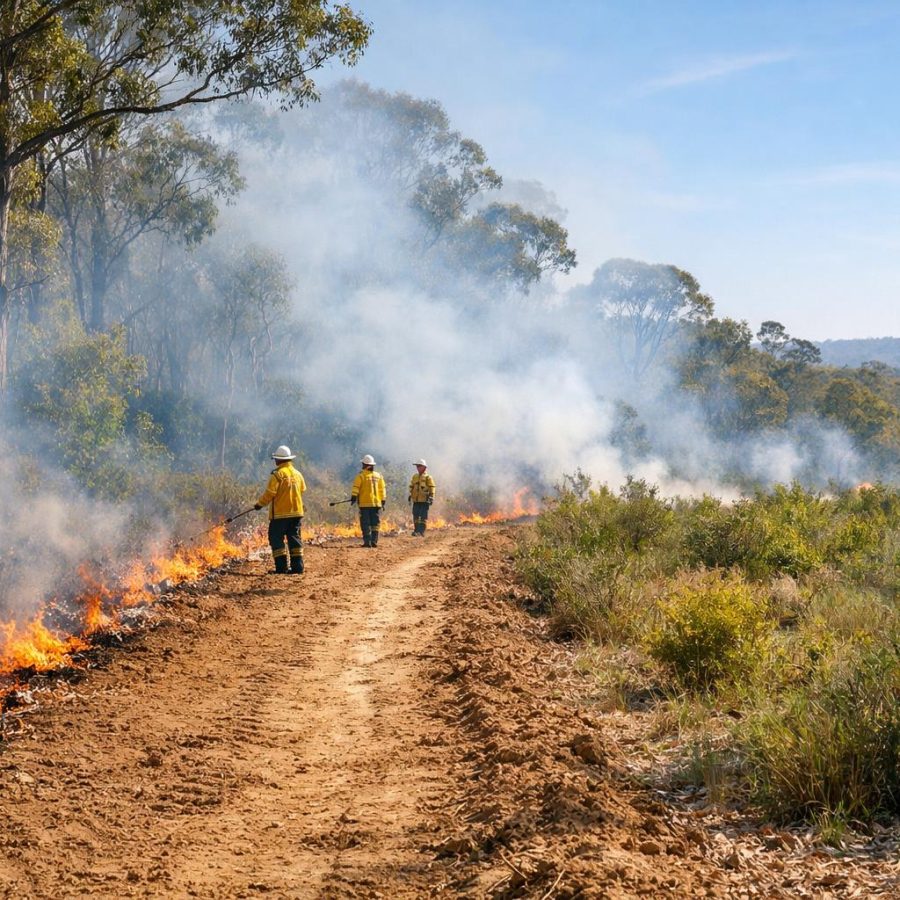
Photo by Emslichter via Pixabay
Moreover, the increasing frequency and intensity of fire events due to climate change have accelerated the demand for more advanced and resilient fire pump technologies. Fire services across the nation are seeking equipment that can operate reliably under extreme heat, smoke, and debris conditions while maintaining optimal performance. This has spurred manufacturers to incorporate more durable components, advanced cooling systems, and smarter control interfaces that aid firefighters in managing complex emergency scenarios.
Technological features shaping modern fire pumps
Engine and impeller innovations
Key to fire pump performance is the combination of engine power and impeller design. The Bushranger FFT201 2″ Fire Fighter Pump exemplifies this with its twin impeller system powered by a Honda GX200 engine. It provides a maximum water flow of 300 litres per minute, optimising both suction and pressure for firefighting tasks. This twin impeller arrangement offers improved water delivery efficiency, critical in bushfire scenarios where swift water deployment can limit damage [source].
Similarly, the Waterpro WFF060 Fire Fighting Pump features a 6.5hp engine within a protective roll frame and achieves a maximum flow of 333 litres per minute along with a maximum head of 55 metres. This balance of power and portability makes it suitable for varied terrain and operational conditions, supporting rapid deployment in bushfire or structural fire incidents [source].
Advancements in impeller technology have also introduced materials that resist corrosion and wear, extending pump lifespan and reducing maintenance frequency. Precision engineering in impeller shapes enhances hydraulic efficiency, allowing pumps to maintain optimal flow rates even under challenging suction conditions. This ensures firefighters have reliable access to water supplies, whether drawing from natural sources or hydrants.
In addition to material improvements, manufacturers are experimenting with variable geometry impellers that adjust flow characteristics dynamically based on operational demands. This innovation allows pumps to optimise energy consumption while delivering required pressure and volume, a feature particularly beneficial during prolonged firefighting operations where fuel efficiency is a concern. Such adaptability also aids in handling fluctuating water source conditions, maintaining consistent output despite variable suction pressures.
Pressure and flow capabilities
When addressing the need for higher pressure and greater water delivery, the SHP50 Single Impeller Fire Fighting Pump Kit from Pumps Australia stands out. It can generate a maximum pressure of 145 psi and maintain a head of up to 100 metres, delivering a maximum flow rate of 500 litres per minute. This makes it particularly suited for scenarios requiring strong water streams over extended distances or heights, such as in multi-level buildings or remote firefighting operations [source].

The increased pressure capabilities also facilitate the use of longer hose lays and allow water to be delivered effectively across difficult terrain. This is especially important in rural firefighting where water sources may be distant and elevation changes significant. Firefighters can rely on pumps like the SHP50 to maintain consistent water flow, improving suppression efforts and operational safety.
Moreover, these pumps often feature adjustable throttles and pressure relief valves, enabling operators to fine-tune performance based on immediate needs. This adaptability helps conserve fuel and reduces wear during extended operations, ensuring pumps remain operational throughout critical incidents.
Recent models also incorporate smart monitoring systems that provide real-time feedback on pressure, flow rate, and engine health. These digital interfaces can alert operators to potential issues before they lead to failure, streamlining maintenance and reducing downtime during emergencies. Such technological integration represents a significant leap in operational reliability, allowing fire crews to focus on tactical response rather than equipment troubleshooting.
Practical implications for firefighting and water management
The diversity of fire pumps available across Australia reflects the multifaceted demands of firefighting and emergency water transfer. Lightweight, portable pumps like the Bushranger FFT201 and Waterpro WFF060 facilitate rapid response in challenging bushfire terrain, while high-capacity units such as the SHP50 cater to urban and industrial applications where pressure and volume are paramount.
Beyond individual pump performance, integration into broader fire protection systems is critical. Companies like BKB Group Australia focus on AS 2941-certified fire protection solutions, including pre-fabricated pump rooms and enclosures that enhance pump reliability and compliance in commercial and industrial settings. This holistic approach supports long-term operational readiness and safety.
The ability to quickly deploy pumps that meet stringent safety and performance standards enables fire services to maintain high levels of preparedness. Integration with automated monitoring and control systems further enhances operational efficiency, allowing remote supervision of pump status and early identification of maintenance needs.
In water management, these pumps also serve critical roles in flood response and irrigation, demonstrating their versatility beyond firefighting. Their capacity to move large volumes of water efficiently makes them valuable assets in diverse emergency and civil engineering contexts.
Additionally, the modular design trends seen in modern fire pumps allow for easier upgrades and customisation. Fire services can adapt their equipment configurations to specific incident requirements, adding accessories such as foam injection systems or variable nozzle attachments to enhance firefighting effectiveness. This flexibility is crucial in Australia’s varied fire environments, from dense urban centres to remote bushland.
Challenges and areas for improvement
While advancements in fire pump technology are notable, challenges remain. Ensuring ease of maintenance and durability under harsh conditions is vital, especially for pumps deployed in remote or bushfire-prone regions. Additionally, the balance between portability and power can sometimes limit options for smaller fire services or volunteer brigades with budget constraints.
There is also a need to enhance user training to fully leverage the capabilities of modern pumps. As technology becomes more sophisticated, ensuring operators understand pump performance characteristics and maintenance requirements is essential for maximising effectiveness during critical incidents.
Another area for improvement is the integration of sustainable power sources, such as hybrid or electric engines, which could reduce environmental impact and operational costs. Research into alternative fuels and energy-efficient designs is ongoing, promising future fire pumps that align with broader environmental goals without compromising performance.
Furthermore, developing modular pump systems that can be easily reconfigured or upgraded would extend service life and adaptability. This would allow fire services to tailor equipment to evolving operational demands and emerging firefighting techniques.
Addressing challenges related to supply chain stability and component standardisation is also critical. Global disruptions have highlighted the importance of sourcing locally manufactured parts and ensuring interoperability among different pump models. This focus on supply resilience will help fire services maintain their fleets without prolonged downtime or excessive costs.
What to do now
Fire services and emergency managers are encouraged to evaluate their current firefighting pump assets against operational needs, considering factors such as flow rate, pressure, terrain, and response times. Investing in pumps like the Bushranger FFT201 or Pumps Australia’s SHP50 can offer performance improvements suited to specific conditions.
Furthermore, integrating pumps into certified fire protection systems and undertaking regular maintenance and operator training will enhance readiness. Collaboration with manufacturers and suppliers can provide tailored solutions that meet compliance requirements and practical firefighting challenges.
Engaging with industry forums and ongoing professional development opportunities will help fire services stay abreast of technological advances and regulatory changes. Encouraging feedback from frontline operators can also guide future procurement and training strategies.
Ultimately, continued engagement with emerging technologies and standards will support Australia’s firefighting capabilities in an increasingly complex environment.
Sources
Bushranger FFT201 2″ Fire Fighter Pump
Waterpro WFF060 Fire Fighting Pump
Pumps Australia SHP50 Single Impeller Fire Fighting Pump Kit
FireRescue Training Hub
Access practical fire and emergency study support resources, downloads, checklists, audio guides, and member-only course content.
- Course library
- PDF downloads
- Audio guides
- Checklists
Study support only. Not accredited training or a replacement for workplace procedures.
About the author and safety review
Ken Walker
Former Station Officer and fire service educator
Former career firefighter with extensive career and volunteer fire service experience.
Qualifications: Associate Diploma of Applied Science in Fire Technology; Institute of Fire Engineers studies.
Author profilehttps://www.firerescue.com.au/about-us/