Volunteer Fatigue: Supporting SES, CFA and RFS Volunteers – why it matters for Australian households
Australia’s State Emergency Service (SES), Country Fire Authority (CFA), and Rural Fire Service (RFS) volunteers are the backbone of community safety during natural disasters and emergencies. These dedicated individuals give up their time, energy, and often put themselves at risk to protect homes, families, and properties. However, the demands on volunteers can be intense, leading to what is known as volunteer fatigue.
Volunteer fatigue is a real concern that affects not only the volunteers themselves but also the wider community, including households who rely on their services. Understanding and supporting these volunteers can help maintain community resilience and ensure that everyone stays safe during emergencies.

Households across Australia can play a vital role in recognising the signs of volunteer fatigue and taking practical steps to support their local SES, CFA, and RFS members. This guide will help families prepare, respond, and recover in ways that ease the pressure on volunteers and strengthen community ties.
Understanding the risk: what Volunteer Fatigue: Supporting SES, CFA and RFS Volunteers looks like in real life
Volunteer fatigue occurs when individuals involved in emergency response experience exhaustion, stress, and burnout due to prolonged physical and emotional demands. In the context of SES, CFA, and RFS volunteers, this can happen during extended fire seasons, flood responses, or other emergencies when ongoing deployment limits rest and recovery.
Some real-life signs of volunteer fatigue include:
- Physical exhaustion and slower reaction times
- Emotional withdrawal or irritability
- Reduced motivation or feelings of helplessness
- Difficulty concentrating or making decisions
- Increased risk of accidents or errors during operations
Recognising these signs early is crucial for families and communities so that the right support can be offered, helping volunteers continue their vital work safely.
Before anything happens: simple preparation steps
Preparation is key to supporting volunteers and reducing the chances of fatigue. Australian households can take simple, practical actions well before an emergency strikes.
- Get to know your local volunteers: Attend community events or information sessions to understand their roles and challenges.
- Maintain your property: Reducing fire risks through clearing gutters, maintaining vegetation, and having emergency supplies reduces pressure on volunteers.
- Develop a family emergency plan: Knowing what to do if an emergency occurs means fewer calls on volunteer support and less stress for everyone.
- Stock emergency kits: Include water, first aid, and communication tools so your household can be more self-reliant.
- Discuss backup plans: If you know someone who volunteers, talk about how your household can support them during busy periods.
These steps not only protect your home but also contribute to easing volunteer workload when emergencies arise.
Building a home checklist around volunteer fatigue
Creating a clear checklist tailored to supporting volunteers helps households stay organised and proactive. Here’s a practical home checklist:
- Identify family members who volunteer and note their typical availability and commitments.
- Set up a communication plan to check in regularly with volunteer family or neighbours.
- Prepare meals or snacks that can be easily delivered or shared during busy emergency periods.
- Arrange childcare or pet care to free up volunteer time.
- Keep a list of local support services and emergency contacts handy.
- Prepare rest areas—quiet, comfortable spaces at home—where volunteers can recuperate after shifts.
- Stock up on basic first aid supplies and recovery items like electrolyte drinks.
Having this checklist visible and updated ensures your household can respond quickly when volunteer fatigue becomes a factor.
What to do when warnings appear
When fire bans, flood warnings, or other emergency alerts are issued, it is time to activate your household plan and think about supporting volunteers actively.
- Stay informed: Use official apps and local radio to track emergency updates.
- Reach out: If you know volunteers in your family or neighbourhood, check how they are coping and if they need assistance.
- Prepare your property: Complete last-minute tasks like securing outdoor items and charging devices to reduce volunteer call-outs.
- Offer practical help: Volunteer to run errands, provide meals, or organise short breaks for those on duty.
- Respect boundaries: Understand volunteers may have limited time or energy, so offer support without adding pressure.
By staying engaged and proactive, households can help reduce the workload and emotional strain on SES, CFA, and RFS members.
During the event: staying safe and staying informed
During an emergency, the focus is on safety and communication. Volunteers will be working hard, but households also need to manage their own wellbeing.
- Follow official advice: Evacuate or shelter as recommended to avoid complicating emergency response efforts.
- Limit calls and messages: Volunteers may have restricted communication capacity; keep contact brief and purposeful.
- Use community networks: Local support groups or neighbours can share information and resources.
- Provide rest opportunities: If volunteers return home or nearby, offer quiet spaces, hydration, and nutritious food.
- Monitor your own wellbeing: Stress affects everyone; take moments to breathe, relax, and stay connected.
Balancing your household’s safety with support for volunteers helps the entire community weather the emergency more effectively.
After the event: clean-up, claims and care
Once the immediate emergency passes, there is often a lengthy period of recovery. Volunteers continue to play key roles, but they may face ongoing fatigue and emotional strain.
- Help with clean-up: Pitch in with neighbours to reduce volunteer workload.
- Check on volunteers’ wellbeing: Encourage them to rest and seek professional support if needed.
- Assist with insurance and claims: Gather documentation and provide practical help to lessen volunteer stress.
- Attend community debriefs: Participate in meetings to learn about local recovery efforts and volunteer needs.
- Share appreciation: A simple thank you or small gesture can boost volunteer morale after demanding events.
Supporting volunteers after emergencies helps prevent long-term fatigue and burnout, strengthening community resilience.
Talking with family, neighbours and local services
Open communication is key to managing volunteer fatigue within communities.
- Discuss volunteer fatigue openly: Normalise conversations about stress and exhaustion to reduce stigma.
- Coordinate support efforts: Work with neighbours to share responsibilities like meal preparation or childcare.
- Connect with local services: Reach out to SES, CFA, or RFS coordinators for advice on how households can help volunteers.
- Encourage mental health check-ins: Remind everyone that seeking help is a sign of strength, not weakness.
- Promote community events: Attend or organise social gatherings that offer volunteers a chance to relax and recharge.
Building a supportive network helps everyone cope with the ongoing demands of emergencies and volunteer fatigue.
Putting it all together: a practical plan for volunteer fatigue
Volunteer fatigue: supporting SES, CFA and RFS volunteers requires a thoughtful, community-focused approach. Australian households are in a unique position to lessen the burden on these essential emergency responders through simple, practical actions.
Start by preparing your home and family well before emergencies arise, maintain open lines of communication, and be ready to offer help during and after events. Remember that supporting volunteers is not just about physical assistance but also emotional care and respect for their limits.
Tip from Kenno: Having been involved with local fire services for years, I’ve seen how critical small acts of support can be. If you know someone volunteering, offer practical help like dropping off a meal or running errands – even if they say they’re fine, these gestures show you care and ease their stress. Also, encourage volunteers to take breaks and rest; burnout doesn’t just affect them but their families and the wider community. A little preparation at home and genuine appreciation goes a long way in reducing volunteer fatigue.
By working together, Australian households can create stronger, safer communities where volunteers feel valued, supported, and ready to protect us all when it matters most.
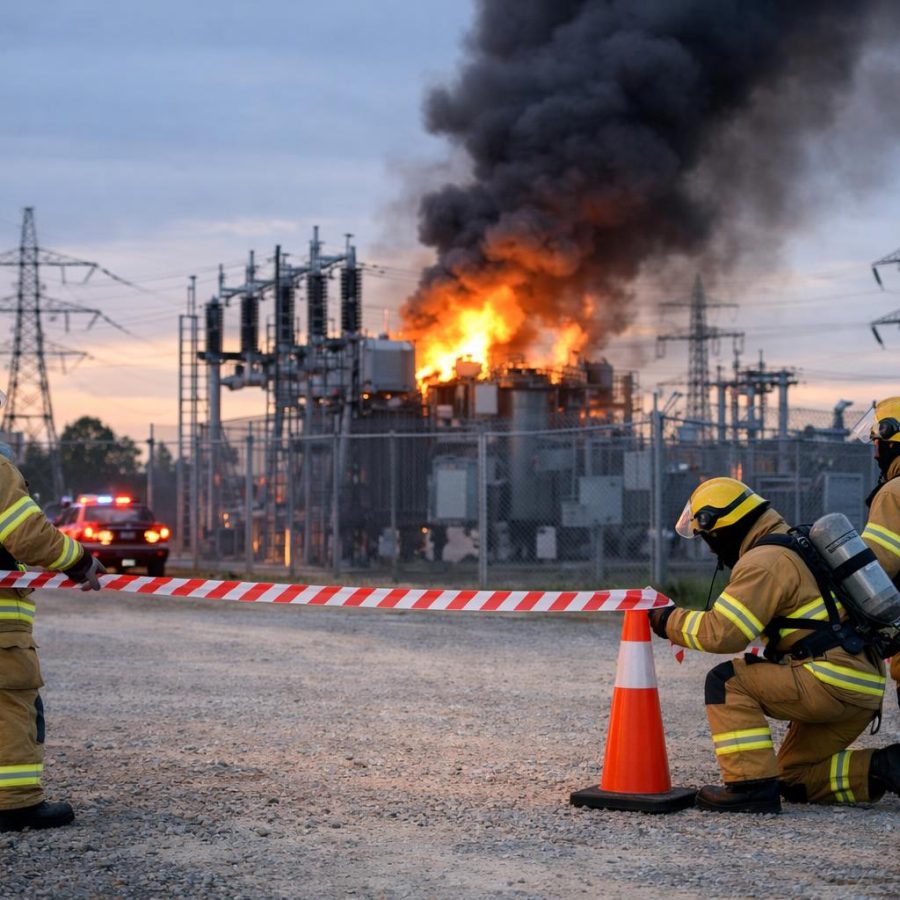
Image from Pixabay.
FireRescue Training Hub
Access practical fire and emergency study support resources, downloads, checklists, audio guides, and member-only course content.
- Course library
- PDF downloads
- Audio guides
- Checklists
Study support only. Not accredited training or a replacement for workplace procedures.
About the author and safety review
Ken Walker
Former Station Officer and fire service educator
Former career firefighter with extensive career and volunteer fire service experience.
Qualifications: Associate Diploma of Applied Science in Fire Technology; Institute of Fire Engineers studies.
Author profilehttps://www.firerescue.com.au/about-us/