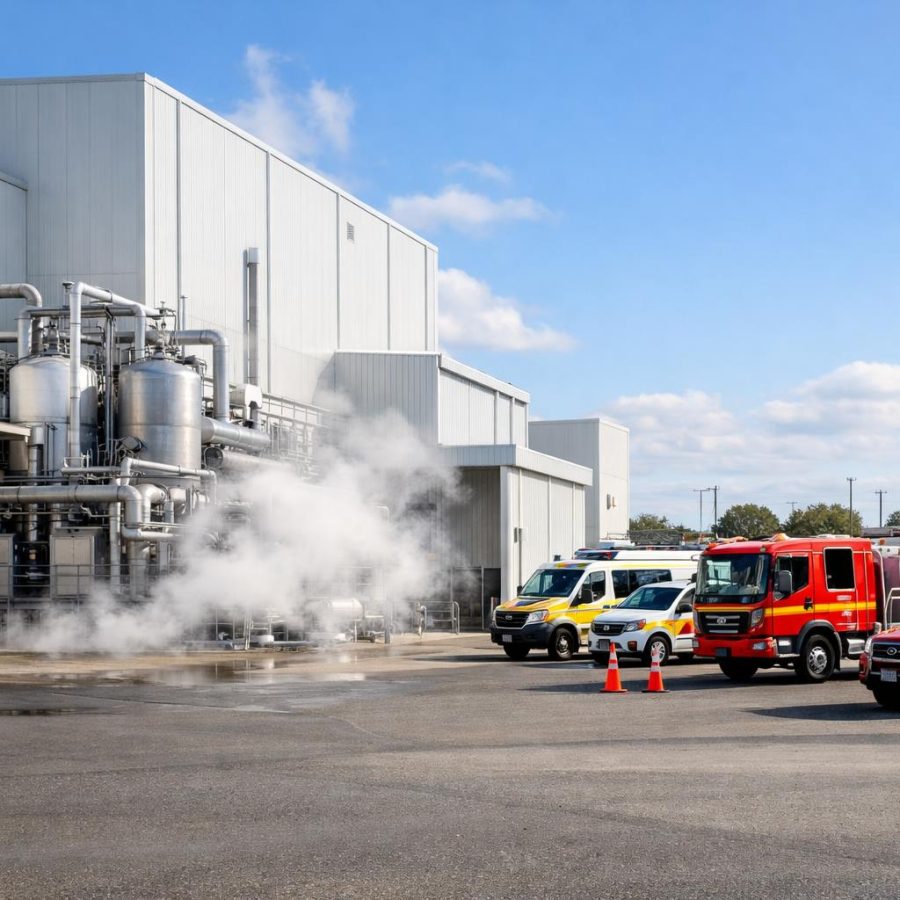
Pets and Livestock in Emergencies: No-Excuses Preparedness – why it matters for Australian households
Australia’s unique climate and landscape mean that emergencies such as bushfires, floods, and storms can arise suddenly and impact households in all regions. For families living with pets and livestock, preparedness is not just about safeguarding people—it’s about protecting the animals that are part of your family and livelihood too.
Pets and livestock in emergencies face particular challenges. Unlike people, they cannot understand warnings or decisions, and they rely entirely on us to keep them safe. Being ready means having a practical plan in place so that you can act swiftly and calmly when an emergency strikes.

With thoughtful preparation, you can minimise distress, reduce risk of injury or loss, and ensure the wellbeing of your animals no matter what’s happening around you. In this guide, we’ll walk through key steps that every Australian household can take—no excuses, no barriers—to prepare effectively.
Understanding the risk: what Pets and Livestock in Emergencies: No-Excuses Preparedness looks like in real life
Emergencies come in many forms. Bushfires can spread quickly, floods can isolate properties, and storms can damage shelters. Each scenario presents different hazards for pets and livestock—from smoke inhalation and dehydration to stress and injury.
Many Australians have experienced the heartache of losing their animals during disasters simply because there was no plan in place. Others have had to make difficult decisions under pressure, such as hastily relocating animals or leaving them behind.
Pets and livestock in emergencies require advance thinking because:
- Animals often become frightened and may try to escape, increasing risk of injury or loss.
- Livestock may need specific handling and transport equipment that isn’t readily available in a crisis.
- Emergency services may be stretched and can’t always provide animal rescue assistance quickly.
- Animals also need access to food, water, and shelter during and after emergencies.
Understanding these realities helps households plan with purpose, ensuring preparedness is practical rather than theoretical.
Before anything happens: simple preparation steps
Preparation doesn’t have to be complicated or expensive. Start with small, manageable actions that build resilience over time.
- Identify your animals’ needs: Know the number, types, and specific requirements of your pets and livestock.
- Microchip and ID tags: Ensure all pets are microchipped and wear identification collars with your current contact details.
- Emergency contacts: Have a list of local vets, animal hospitals, and nearby friends or family who can help if you’re unavailable.
- Practice handling and loading: Regularly familiarise your animals with their transport crates or trailers to minimise stress during evacuation.
- Stock up on essentials: Maintain a supply of pet food, water, medications, and basic first aid items specifically for your animals.
- Secure fencing and shelters: Ensure livestock yards and pet areas are sturdy and can withstand extreme weather or prevent escape.
- Plan evacuation routes: Know multiple ways to safely move your animals off your property if needed.
By embedding these steps into your regular routine, you’ll build confidence and be ready to act quickly when time is critical.
Building a home checklist around pets and livestock in emergencies
Creating a dedicated checklist helps ensure you don’t overlook essentials in the heat of the moment. Your checklist could include:
- Animal identification and medical records
- Current vaccination and treatment certificates
- Emergency contact phone numbers on waterproof paper
- Food and water supply sufficient for at least 72 hours
- Transport crates, halters, leads, or trailers
- First aid kit equipped for your animals
- Flashlights and batteries
- Blankets or towels for warmth and comfort
- Extra leashes and collars
- A list of safe relocation options, such as friends’ properties or animal shelters
Store your checklist in an accessible place and review it seasonally or after any changes to your household or animals. This keeps your preparedness current and actionable.
What to do when warnings appear
When emergency warnings are issued, prompt and calm action is essential. Follow these practical steps:
- Check your emergency kit: Make sure all supplies for your pets and livestock are ready to go.
- Prepare for evacuation: Begin moving animals to safe zones if there is time, or ensure shelters are secure.
- Keep communication open: Stay tuned to official updates from emergency services and animal welfare organisations.
- Notify neighbours or helpers: Inform others who may assist with your animals or require your support.
- Limit stress: Speak calmly to your animals and avoid sudden movements or loud noises.
- Plan transport carefully: Load animals securely and avoid overcrowding; ensure water is available during transport.
Remember, your animals will sense your demeanour—staying calm helps keep them calm.
During the event: staying safe and staying informed
While the emergency is unfolding, keep these points in mind to maintain safety for all:
- Stay in a safe location: Preferably one that has been pre-identified as suitable for your animals.
- Keep animals confined: Prevent escapes by keeping pets on leads or in enclosures and livestock secured in yards.
- Monitor animal health: Watch for signs of distress or injury and provide water regularly.
- Follow official advice: Emergency services updates may include specific instructions for animal management.
- Maintain communication: Use mobile phones or radios to stay connected with family and emergency contacts.
Patience and vigilance during this time can protect your animals and your household.
After the event: clean-up, claims and care
Once the immediate danger has passed, your focus will shift to recovery and care. Key actions include:
- Check all animals thoroughly: Look for injuries, dehydration, or signs of shock and consult a veterinarian if needed.
- Inspect shelters and fencing: Repair any damage to keep animals safe and secure.
- Restock supplies: Replace any used food, water, or medical items.
- Document losses and damages: Take photos and notes for insurance claims or government assistance programs.
- Give animals time to adjust: Animals may be stressed after an emergency; provide quiet and familiar surroundings.
- Stay informed: Follow up on local recovery efforts and available support services.
Talking with family, neighbours and local services
Emergency preparedness is a community effort. Discussing plans with those around you can save time and ease stress during a crisis.
- Share your emergency plan: Ensure family members and neighbours know the arrangements for your pets and livestock.
- Coordinate with neighbours: Consider pooling resources like transport trailers or sharing evacuation points.
- Connect with local services: Register with local animal welfare groups, vets, or council animal management teams.
- Attend community briefings: Many local councils hold sessions on emergency preparedness that include animal care advice.
- Practice drills: Conduct simple evacuation or sheltering drills with your family and animals to build confidence.
Good communication enhances safety and supports a network of care when emergencies occur.
Putting it all together: a practical plan for pets and livestock in emergencies
Creating a complete, practical plan for pets and livestock in emergencies is achievable and essential. It involves understanding risks, preparing supplies and shelter, knowing how to respond to warnings, and maintaining communication before, during, and after an event.
Start by:
- Writing down your emergency animal care plan, including evacuation and shelter options.
- Preparing your emergency kit with all necessary items for your specific animals.
- Regularly reviewing and practising your plan with household members.
- Building relationships with neighbours and local animal services.
- Staying informed about local hazards and emergency alerts.
By taking a calm, practical approach and making pets and livestock in emergencies a clear priority, you can protect your animals and your family with confidence.
Tip from Kenno: From years of living in regional Australia, I’ve learned that practice makes perfect. Take the time now to load your animals into their carriers or trailers several times a year. Make it a calm routine with treats or gentle petting. This reduces stress and makes evacuation quicker and safer when it’s needed. Also, keep a sturdy, weatherproof emergency kit dedicated to your animals in an easy-to-access spot. When you’re calm and prepared, your animals will feel that security too, even in tough times.
Image from Pixabay.
FireRescue Training Hub
Access practical fire and emergency study support resources, downloads, checklists, audio guides, and member-only course content.
- Course library
- PDF downloads
- Audio guides
- Checklists
Study support only. Not accredited training or a replacement for workplace procedures.
About the author and safety review
Ken Walker
Former Station Officer and fire service educator
Former career firefighter with extensive career and volunteer fire service experience.
Qualifications: Associate Diploma of Applied Science in Fire Technology; Institute of Fire Engineers studies.
Author profilehttps://www.firerescue.com.au/about-us/