The Trials and Tribulations of First Responders Around the World
Honouring the courage and service of firefighters, paramedics, police, rescue workers and volunteers, and exploring the practical challenges they face every day.
What first responders do
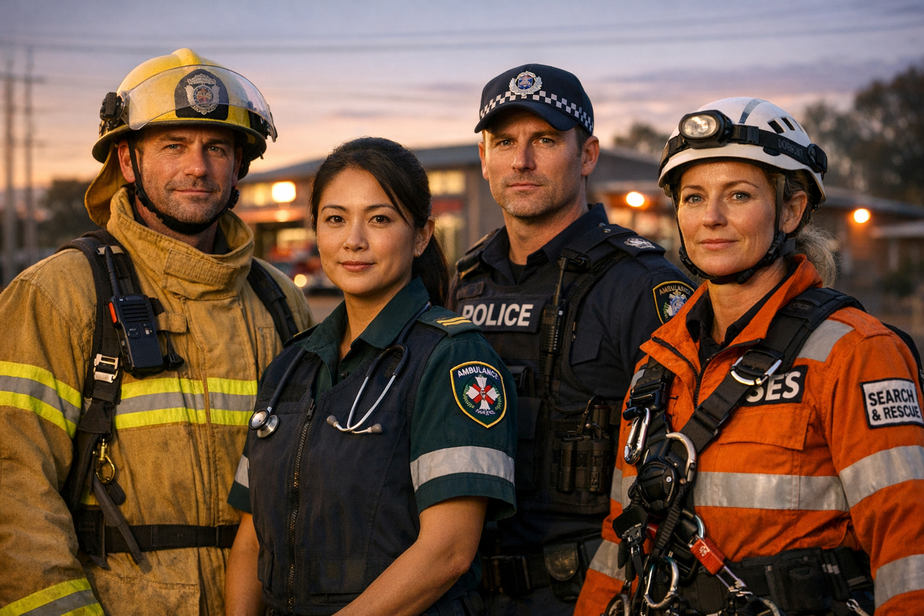
First responders are the people who arrive early at emergencies. They include firefighters, paramedics, police, search and rescue teams and many volunteers. Their work saves lives. It also keeps communities safer.
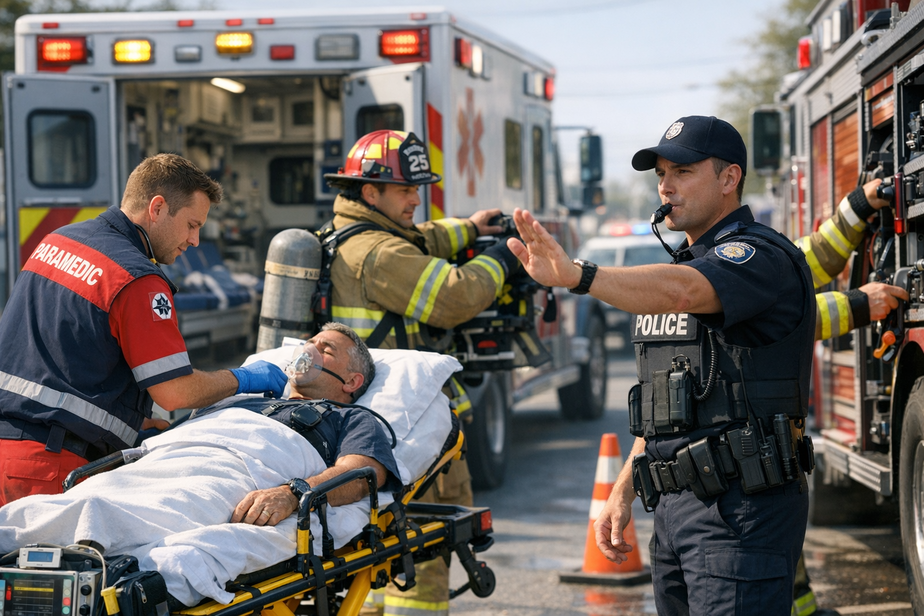
Roles differ by country and context. Firefighters manage fires and rescues. Paramedics provide urgent medical care before hospital. Police secure scenes and manage safety. Search and rescue teams find people in hard-to-reach places. Volunteers often extend capacity in rural, remote and low-resource areas.
Key tasks
- Rapid assessment and stabilisation of patients.
- Extrication from vehicles or collapsed structures.
- Managing bystanders and coordinating with agencies.
- Prevention work: planning, education and risk reduction.
Good response depends on training, equipment and local systems. In many places, volunteers provide the backbone of response outside cities. These volunteers train hard and balance their roles with work and family life.
The emotional load of the job
The emotional demands on first responders are heavy. Incidents are often intense. Responders can feel pride and purpose. They may also feel grief, frustration and moral distress. Over time, these feelings can add up.
Culture matters. In some organisations, stoicism is expected. That can make it hard for people to ask for help. Agencies that encourage open talk and psychological safety see better wellbeing among staff.
“Colleagues and families often notice the first signs of strain. Early conversations can change a career for the better.”
Practical early steps include peer check-ins, access to confidential advice, and clear pathways to professional support. Family members and leaders play a key role in spotting change and enabling help.
Physical danger and fatigue
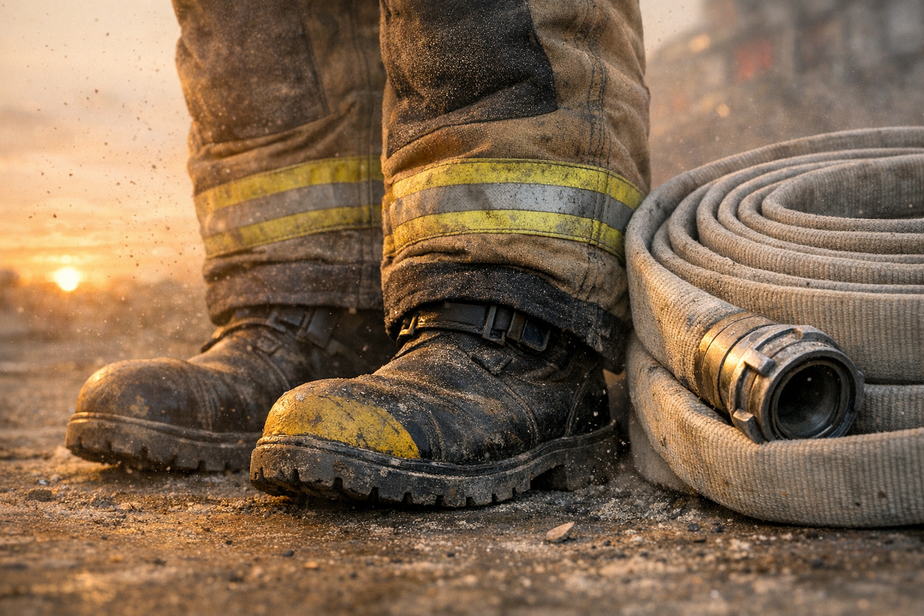
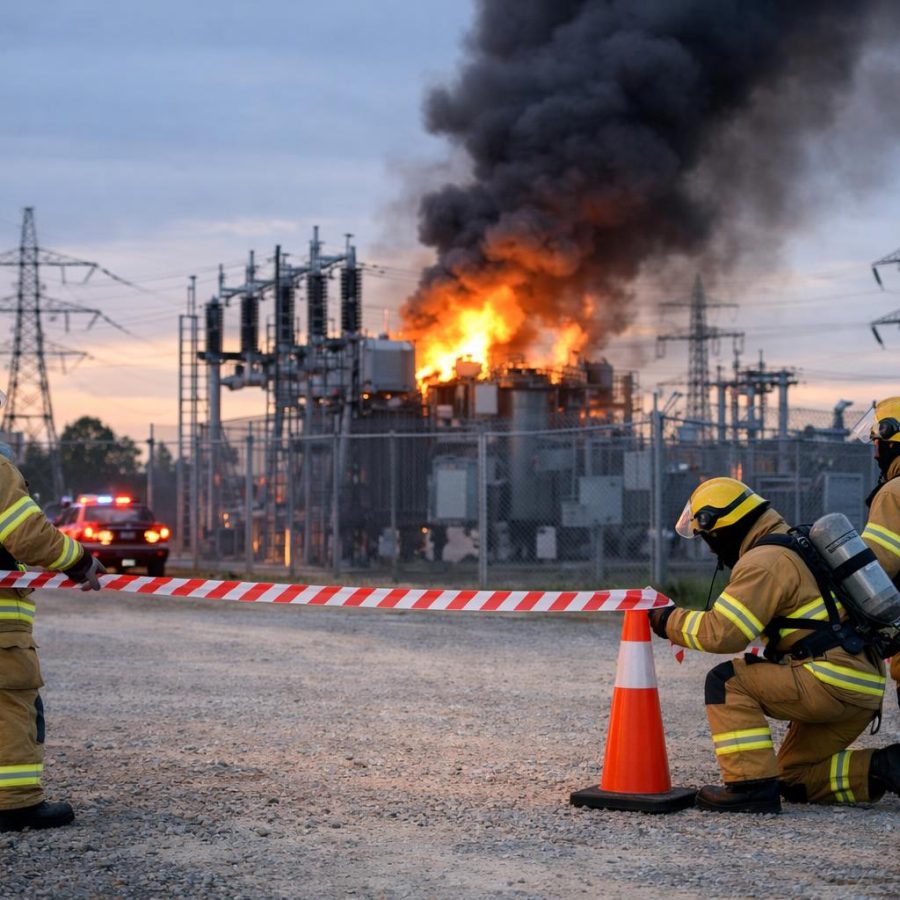
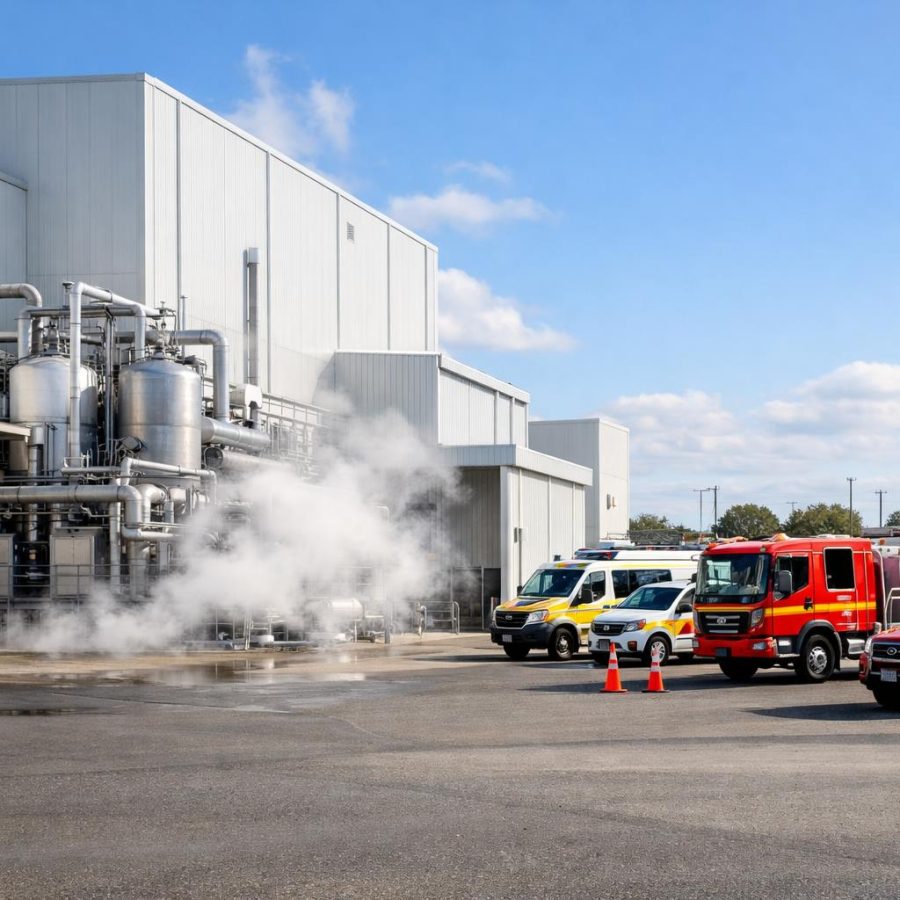
First responders face clear physical hazards. These include burns, vehicle collisions, falling debris and hazardous substances. Scenes can change quickly. Secondary incidents are a real risk.
Long shifts and unpredictable rostering cause fatigue. Fatigue slows reactions and harms judgement. Over time, it contributes to chronic health problems.
How organisations reduce risk
- Fatigue management systems and safe rostering.
- Modern, well-maintained equipment and PPE.
- Ongoing fitness standards and ergonomics training.
- Vehicle safety and safe lifting practices.
Resources vary. High-resource services often have more equipment and formal fatigue policies. In lower-resource settings, responders improvise and rely on experience. Investment in safety pays off in fewer injuries and longer careers.
Exposure to trauma
Repeated exposure to traumatic events raises the risk of post-traumatic stress symptoms, burnout and secondary traumatic stress. Not everyone develops long-term conditions. Resilience varies between individuals.
Protective factors help. These include strong social support, quality training and early access to care. Many high-income countries are expanding research and clinical pathways for responder trauma. In developing regions, services are often limited or fragmented.
Stigma is a barrier. Some responders fear career consequences if they seek help. Confidential, evidence-based services and peer-led programs can improve access and reduce stigma.
Recommended practices include psychological first aid, structured debriefs and pathways to professional mental health services. Availability varies by jurisdiction; where information is limited, expansion is needed.
Family pressure and missed milestones
Irregular hours and deployments mean many responders miss family events. Birthdays, school plays and anniversaries are sometimes missed. These absences can strain relationships.
Partners and children often worry about safety. They may take on extra household work during long shifts. Services that support families reduce stress and improve retention.
Support that helps families
Family-inclusive rostering, counselling and peer networks for partners are practical, effective measures. Recognition of family sacrifice matters as much as support for the responder.
Small policies — flexible leave, predictable shift patterns and family education — make a difference. Agencies that invest in families tend to have stronger retention and wellbeing outcomes.
Volunteer responder challenges
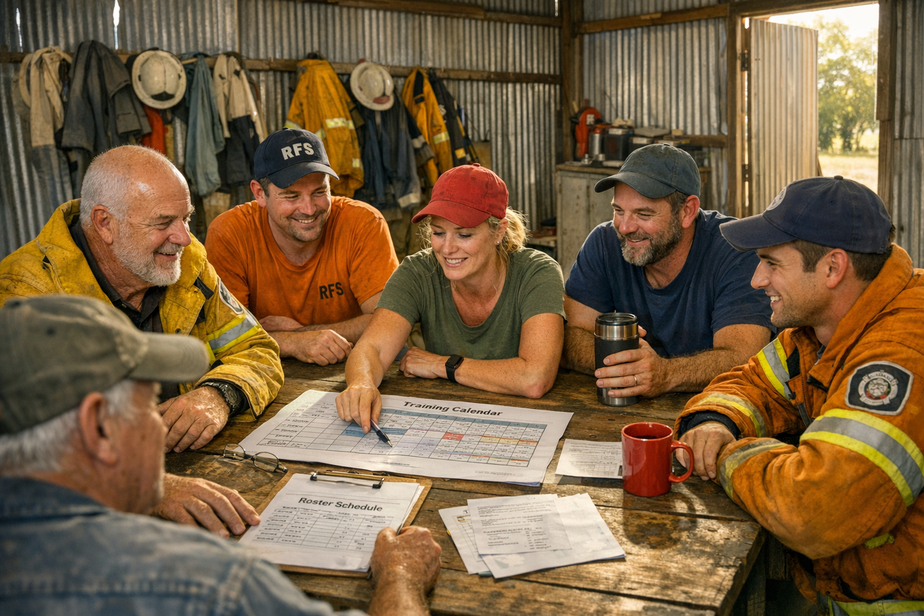
Volunteers underpin response in many rural, regional and developing areas. Yet they face unique pressures. Many juggle paid work, family and community service without the benefits of career staff.
Recruitment and retention are global issues. Demographic shifts and economic pressures reduce available volunteer time. Organisations that offer regular accredited training, mental health support and flexible engagement retain volunteers better.
- Provide accredited, accessible training.
- Offer clear, low-administration pathways to participate.
- Recognise service through stipends or formal awards where budget allows.
- Develop youth recruitment and flexible rostering.
Evidence about which incentives work best is mixed and context-specific. Local consultation with volunteers is essential when designing programs.
Disaster zones, war zones and remote communities
Large disasters and conflict bring distinct problems. Infrastructure may be damaged. Logistics break down. Security risks increase. These factors create heavy psychological and physical demands on responders.
In conflict zones, responders face security threats and complex rules of engagement. Coordination between humanitarian organisations, military actors and local services is often necessary and sensitive.
Remote communities and island nations may lack immediate medical or transport options. Responders there must improvise with scarce resources. Cultural competence, language support and planning are vital for safe international deployments.
Best outcomes rely on clear communication systems and respect for local leadership. International teams should prioritise supporting local capacity rather than replacing it.
Mental health, peer support and recovery
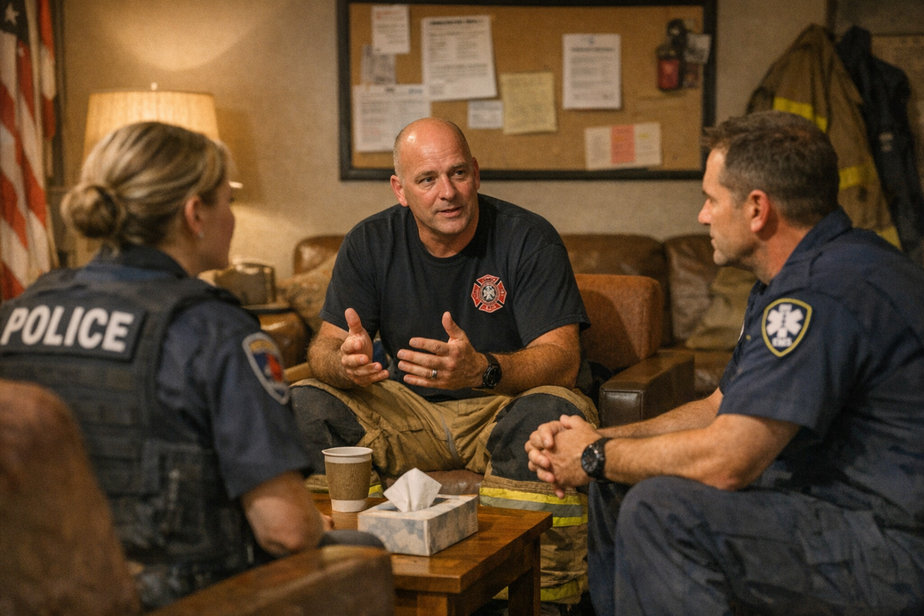
Evidence supports peer support, timely professional care and workplace culture change. These approaches reduce long-term harm and improve recovery for first responders.
Effective peer programs train peers in listening skills, boundaries and referral pathways. They act as a bridge to professional services. Confidential counselling and trauma-informed occupational health should be standard where possible.
Recovery practices that help
- Early intervention and confidential access to care.
- Phased return to duty and adjusted workloads.
- Ongoing supervision, mentoring and follow-up.
- Integration of clinical and workplace supports.
Barriers remain. Many services are inconsistent, underfunded or poorly integrated, especially in lower-resource settings. Addressing these gaps requires investment and policy attention.
Why public respect matters
Public respect supports morale and recruitment. It also translates into practical benefits: volunteers joining services, donations for equipment and political support for budgets. Respect builds trust.
Respect does not mean avoiding criticism. Constructive public engagement and clear expectations help services improve. Celebrating achievements while being honest about needs strengthens relationships between agencies and communities.
Everyday actions make a difference. Follow safety advice, support local responder programs and consider joining community resilience initiatives.
Lessons for communities
Communities have a role in reducing pressure on responders. Learning basic first aid and fire safety empowers people to protect themselves and others before responders arrive.
Clear, calm communication in an incident reduces risk. Follow instructions from official sources during events. Investing in local volunteer capacity and family supports are practical community actions.
- Learn basic first aid and fire safety.
- Support local volunteer services with training and funding.
- Advocate for fair rostering and mental health services.
- Build compassionate community cultures that value prevention and support.
Community takeaway
Small, consistent steps by communities strengthen resilience. Education, practical support and respectful engagement all help first responders continue their vital work.
Closing reflection
First responders give a great deal to keep others safe. Their work combines technical skill, teamwork and compassion. Challenges are many: emotional strain, physical danger, fatigue, family pressures and resource gaps. Solutions require thoughtful investment, respectful communities and strong peer and clinical supports.
Across Australia, the USA, Canada, the UK, Europe, Asia‑Pacific and developing regions, the themes are similar even when resources differ. Where services are well supported, outcomes improve for responders and the public.
Support your local first responders
Learn, prepare and show up for the people who keep our communities safe. Consider volunteering, donating to trusted local units or advocating for better support.
If you or a loved one needs help, confidential support services are available in many places. Where information is limited, contact local health services or your employer for referral options.
FireRescue Training Hub
Access practical fire and emergency study support resources, downloads, checklists, audio guides, and member-only course content.
- Course library
- PDF downloads
- Audio guides
- Checklists
Study support only. Not accredited training or a replacement for workplace procedures.
About the author and safety review
Ken Walker
Former Station Officer and fire service educator
Former career firefighter with extensive career and volunteer fire service experience.
Qualifications: Associate Diploma of Applied Science in Fire Technology; Institute of Fire Engineers studies.
Author profilehttps://www.firerescue.com.au/about-us/