Health & Safety Update
Key Takeaways
Heat stress remains a serious concern during Australia’s hot months, affecting workers, the elderly, and the broader community. Proper risk management, hydration, and recognising symptoms early are crucial to preventing heat-related illnesses.
Fire Services plays an important role not only in emergency response but also in educating communities about heat risks and bushfire safety, reinforcing resilience during extreme weather events.
Employers and individuals must apply evidence-based guidelines and maintain vigilance to mitigate heat stress risks effectively, especially in outdoor work environments.
Background and Context
Australia’s summer heat poses escalating risks to public health, particularly for outdoor workers, older adults, and vulnerable populations. The Australian Medical Association (AMA) underscores that while physical activity remains beneficial, exercising during extreme heat requires safeguards to prevent heat-related illnesses such as heat exhaustion and heatstroke (ama.com.au).
Heat Stress Risks in the Workplace
Safe Work Australia provides a comprehensive guide for managing heat risks in workplaces, emphasising the need for risk assessments, adequate hydration breaks, and appropriate clothing. The guide also details first aid responses for heat-related illnesses, highlighting the importance of early recognition and treatment (safeworkaustralia.gov.au).
WorkSafe Victoria further advises that outdoor workers are especially vulnerable, recommending measures such as scheduling heavy labour during cooler parts of the day, wearing breathable clothing, and being trained to spot symptoms like dizziness, nausea, and excessive sweating (worksafe.vic.gov.au).
Vulnerable Populations and Heat Stress
Heat stress disproportionately impacts older Australians, whose thermoregulation may be impaired due to age or underlying health conditions. The Aged Care Quality and Safety Commission has issued clinical alerts emphasizing the heightened risk and the necessity for tailored heat stress prevention strategies in aged care settings.
These strategies include ensuring adequate hydration, maintaining cool indoor environments, and monitoring for early signs of heat-related illness to reduce hospitalisations and fatalities.
Similarly, community recovery efforts following bushfire incidents often reveal the compounded vulnerability of displaced or recovering individuals, especially when heatwaves coincide with restoration phases. Ensuring access to cool, safe spaces and providing education on heat stress during these periods is vital to reducing additional health burdens.
The risk of heat stress is further complicated during evacuation processes, where displaced residents may face challenges in accessing adequate hydration and shelter. Emergency services and community groups, including the Country Fire Authority (CFA), often coordinate evacuation centres that provide relief from heat exposure, highlighting the importance of planned, accessible cooling spaces during emergencies.
Fire Rescue Victoria’s Community Education and Heat Safety Role
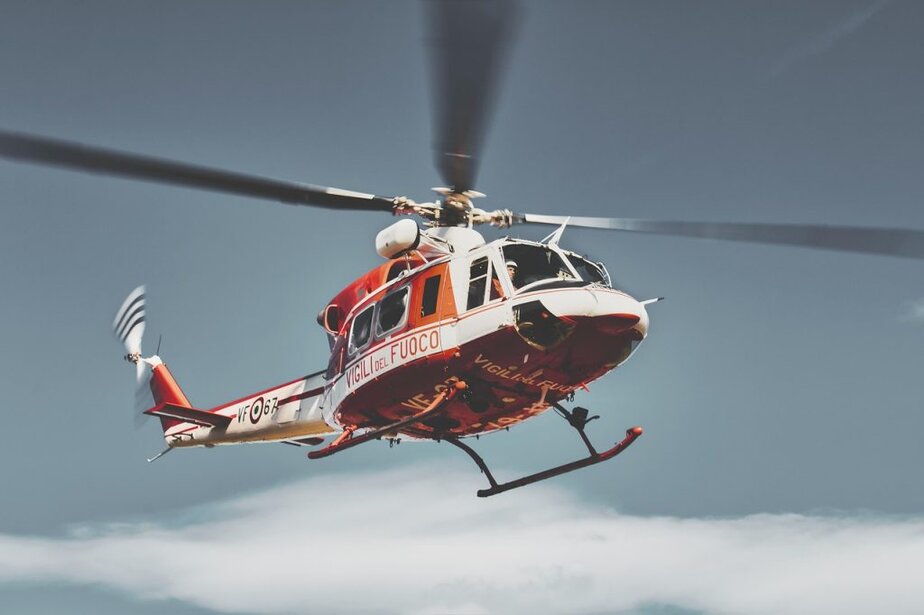
Beyond firefighting duties, Fire Rescue Victoria (FRV) actively contributes to community resilience through education programs. These initiatives include bushfire safety awareness targeted at schools and community groups, which increasingly incorporate messaging about heat risk and effective relief measures during extreme weather events (frv.vic.gov.au).
FRV’s proactive engagement helps communities understand the compounding dangers of heat and fire hazards, encouraging preparedness and practical actions that reduce heat stress impacts. In addition, FRV’s role during emergency response often involves issuing alerts that inform the public about heatwave conditions and bushfire threats, enabling timely protective actions.
Their involvement extends to supporting community recovery by assisting with safe return home protocols once bushfire threats subside, ensuring residents are aware of heat-related risks even as they rebuild. This holistic approach integrates heat stress awareness into broader disaster management frameworks, including collaboration with insurance providers to facilitate restoration efforts that consider heat safety.
FRV also coordinates with other emergency and health services, including first aid providers trained to support mental health during stressful emergencies. This is critical, as heat stress and bushfire recovery can exacerbate psychological strain on affected individuals. First aiders trained in mental health support play a vital role in community resilience, ensuring a comprehensive approach to well-being during and after heat-related emergencies.
Practical Implications and Relief Strategies
Hydration and Clothing
Maintaining hydration is fundamental to mitigating heat stress. Workers and individuals should drink water regularly, even before feeling thirsty, to compensate for fluid loss through sweating. Wearing lightweight, loose-fitting, and breathable clothing also aids the body’s natural cooling processes.
Workplace and Community Measures
Employers must conduct thorough risk assessments and establish heat management plans that include scheduled breaks, shaded rest areas, and monitoring workers for symptoms. Community organisations can support vulnerable groups by facilitating access to cool environments and disseminating heat safety information.
In addition to on-site workplace strategies, community alerts play a crucial role in informing residents about imminent heatwave events. These alerts, often coordinated by emergency services including FRV, enable individuals and families to prepare adequately, reducing the risk of heat stress among the wider population.
In emergency scenarios involving fire, the use of wet chemical extinguishers is vital for safely suppressing certain types of fires, especially those involving cooking oils or fats, which may otherwise lead to flare-ups that increase heat exposure risks for responders and residents. Proper training in extinguisher use helps ensure safety and limits additional heat hazards during clean-up operations.
Education and Early Recognition
Education remains key. Recognising early signs such as headache, dizziness, confusion, and excessive sweating can prevent progression to more serious conditions. First aid knowledge and immediate response—moving to a cooler place, hydrating, and seeking medical help if symptoms persist—are essential components of relief strategies.
Fire Services training programs often incorporate first aid techniques specific to heat-related illnesses, equipping both emergency responders and community members with the skills necessary to act swiftly. These efforts contribute to reducing the burden on healthcare systems during peak heat periods and complement broader public health initiatives.
What to Do Now
As temperatures rise, individuals and workplaces should prioritise heat stress prevention. Begin by reviewing workplace heat management policies and ensuring all workers are aware of hydration practices and symptom recognition. Families and carers should check on older adults regularly, ensuring they stay cool and hydrated.
Community members can engage with Fire Service educational resources to better understand heat and bushfire risks. Taking measured, informed action prevents heat stress from escalating into life-threatening emergencies.
Furthermore, integrating heat stress awareness into insurance and restoration processes can enhance community resilience. After bushfire events, insurance claims and rebuilding efforts should consider heat safety measures, such as installing cooling infrastructure and ensuring that homes are designed to mitigate heat exposure during recovery phases.
Clean-up activities following bushfire damage can expose residents and workers to prolonged heat and physical exertion, increasing heat stress risk. It is imperative that clean-up crews are trained in heat illness prevention and that relief strategies, including frequent breaks and hydration, are enforced. Coordinated claims processes that acknowledge these risks help support timely and safe recovery.
Ultimately, managing heat stress risks requires a coordinated approach involving emergency services like FRV, workplaces, community organisations, and individuals. By fostering awareness, preparedness, and practical relief strategies, Victoria can better protect its population against the growing challenges posed by extreme heat and fire seasons.
FireRescue Training Hub
Access practical fire and emergency study support resources, downloads, checklists, audio guides, and member-only course content.
- Course library
- PDF downloads
- Audio guides
- Checklists
Study support only. Not accredited training or a replacement for workplace procedures.
About the author and safety review
Ken Walker
Former Station Officer and fire service educator
Former career firefighter with extensive career and volunteer fire service experience.
Qualifications: Associate Diploma of Applied Science in Fire Technology; Institute of Fire Engineers studies.
Author profilehttps://www.firerescue.com.au/about-us/