Emergency Preparedness Update
Key takeaways
The Bureau of Meteorology’s website redesign has faced intense criticism due to usability problems and a massive cost blowout, raising concerns about its role in emergency communication.
In response, the BOM is implementing a comprehensive 10-year plan to strengthen flood warning systems, with a focus on expanding gauge networks and improving severe weather alerts.
Collaboration with local governments and emergency services is underway to ensure that warning products are timely, accurate, and supportive of community safety across Australia.
Background and context
The Bureau of Meteorology (BOM) plays a crucial role in Australia’s emergency planning, particularly in the delivery of weather warnings and flood alerts vital for community safety. However, the BOM’s recent efforts to modernise its digital presence have come under scrutiny after the launch of a redesigned website in late 2025. Originally budgeted at $4.1 million, the project’s costs ballooned to an astonishing $96.5 million, accompanied by widespread usability complaints from users and stakeholders.[source] This failure has not only strained public trust but also raised questions about the BOM’s capacity to communicate critical information during severe weather events effectively.
Queensland’s government voiced particular concern over the timing of the website changes, suggesting that the transition could jeopardise public safety as it coincided with the state’s peak severe weather season.[source] In response to the backlash, the federal environment minister ordered the BOM to urgently address the website’s issues and reassess its approach to emergency communication.[source]
The 10-year plan: A forward-looking approach
Beyond the immediate website issues, the BOM has committed to a substantial 10-year strategy aimed at advancing Australia’s flood warning systems. This includes the installation of more than 1,500 new flood gauges, prioritising flood-prone regions such as Queensland. This network expansion is designed to provide finer-grained, real-time data to improve forecasting accuracy and lead times for flood warnings.[source]
In parallel, the BOM is intensifying collaboration with emergency management agencies and local governments. This partnership focuses on refining severe weather and flood warning products to ensure they are clear, actionable, and disseminated promptly to affected communities.[source]

Practical implications for emergency planning
The BOM’s website issues highlight a key vulnerability in Australia’s emergency communication infrastructure. For emergency responders and the public alike, reliable access to timely weather data and warnings is non-negotiable. The recent disruption underscores the need for robust, user-friendly platforms that can withstand high traffic during crises and deliver critical information without delay.
The planned network upgrades and product enhancements offer promise for improved community resilience. More comprehensive flood gauge coverage will enable earlier detection and more precise flood forecasting, vital for timely evacuation orders and resource deployment. Enhanced collaboration with emergency services ensures that warnings are not only scientifically accurate but also operationally effective.
Importantly, the improved warning systems will also support better decision-making around the crucial “stay or go” choices that communities face during floods. Clear and timely warnings empower residents to act decisively, whether that means evacuating early or preparing their homes and properties for potential inundation. This clarity is essential to reduce confusion and panic during emergencies.
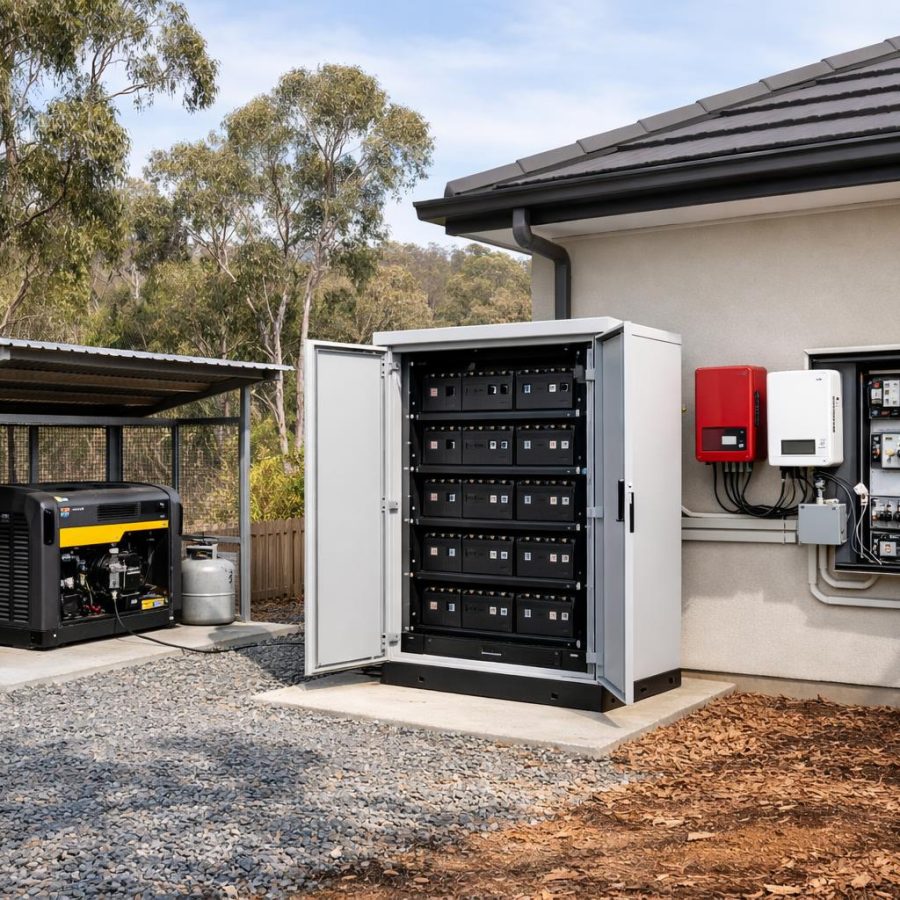
Another practical aspect involves the integration of emergency response tools such as pumps and sprinklers in flood management plans. While pumps are often deployed to remove water from flood-affected areas, sprinkler systems can play a role in mitigating fire risks that sometimes accompany drying floodplains or emergency operations. The BOM’s enhanced warnings will help coordinate these responses more effectively, ensuring that resources are allocated where and when they are needed most.
Furthermore, the process of clearing flood debris and restoring infrastructure post-event will be better informed by precise flood mapping and real-time data. This will assist local governments and emergency services in prioritising cleanup efforts and expediting community recovery. The improved communication channels aim to reduce the lag between flood impact and the return home phase, which is critical for public safety and mental wellbeing.
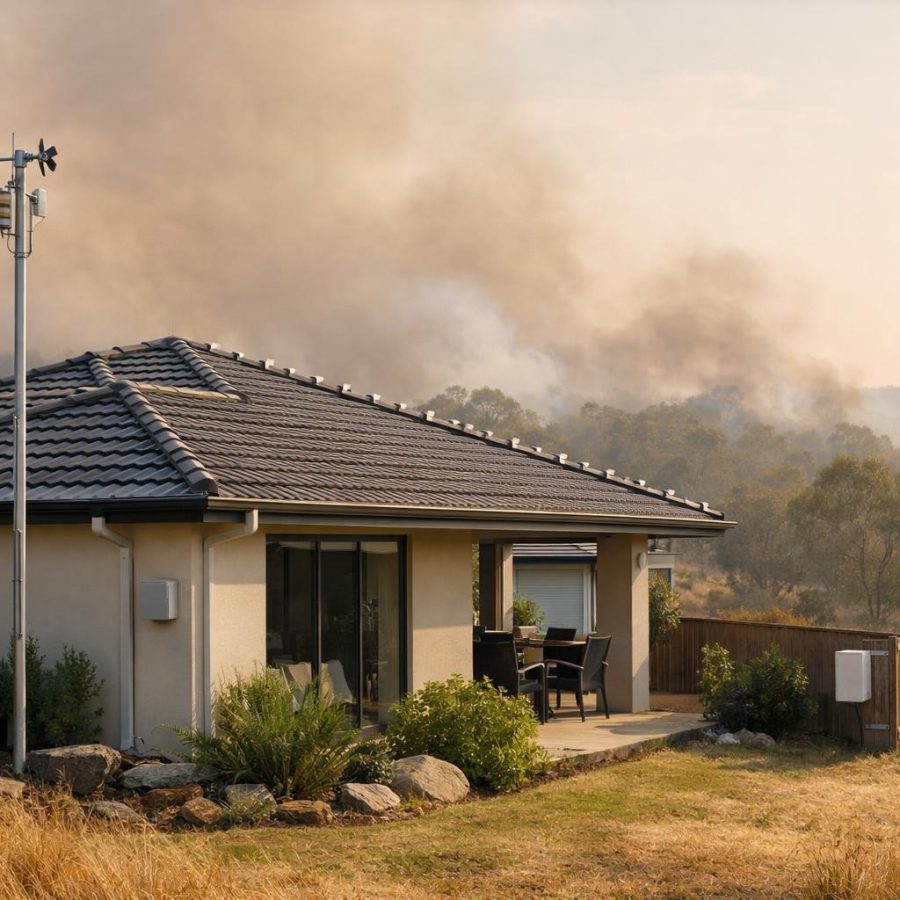
The role of alerts in this ecosystem cannot be overstated. Enhanced alert systems will incorporate multi-channel notifications, including mobile alerts, social media updates, and integration with local emergency broadcast services. These improvements are crucial for reaching diverse populations, including those at risk of ember attack during concurrent fire and flood events, ensuring timely evacuation or shelter-in-place decisions.
Resilience building is also a key theme in the BOM’s approach. By providing communities with more accurate and actionable information, individuals and local authorities can better prepare for and respond to emergencies. This includes not only immediate response but also long-term planning for cleanup and rebuilding phases, reducing vulnerability to future disasters.
Photo by Mariakray via Pixabay
What to do now
Community members and emergency personnel should continue to rely on official BOM channels for weather updates, but also maintain awareness of alternative sources such as local government alerts and emergency services communications. Given the ongoing improvements, it is advisable to familiarise yourself with local flood risk information and establish personal emergency plans that include multiple methods of receiving warnings.
For organisations, it remains essential to test and verify internal communication protocols to ensure crucial information flows rapidly and effectively in emergencies. Supporting the BOM’s upgrades by providing feedback on warning products and usability can contribute to a better, more resilient emergency management system.
Insurance considerations also play a vital role in emergency planning. With better flood warnings and clearer communication, residents and businesses can more effectively assess their risk and manage claims processes after flood events. Early and accurate warnings help minimise damage and improve the timeliness of insurance claims, which is a critical part of community recovery.
Ultimately, the BOM’s commitment to enhancing flood warning systems is a positive step toward strengthening Australia’s resilience to natural disasters. However, the recent website failure serves as a stark reminder that effective emergency planning requires not only technological upgrades but also a focus on usability, accessibility, and community engagement to ensure that vital information reaches everyone who needs it, when they need it most.
As Australia faces increasingly frequent and severe weather events, the integration of improved alerts and communication strategies will be vital in managing the complex challenges posed by floods and related emergencies. The balance between encouraging communities to stay or go during such events hinges on the clarity and reliability of the information provided. The BOM’s enhanced systems aim to support these critical decisions, reducing the risk of injury and loss of life.
In addition, the expanded flood gauge network and alert improvements will assist in mitigating the impacts of ember attacks, which can occur when fires ignite in flood-damaged landscapes or during dry periods following floods. Coordinated alerts and emergency plans that address both fire and flood threats will improve overall community safety and resilience.
The clean-up phase following flood events is often overlooked but is an essential component of emergency planning. Enhanced real-time data and mapping will allow emergency services to prioritise clean-up efforts efficiently, removing debris that can obstruct waterways and exacerbate flooding risks. This also supports faster recovery for affected communities, helping them return to normal life sooner.
In conclusion, while the BOM’s website failure represents a significant setback, the agency’s long-term flood warning improvements demonstrate a commitment to building a more resilient Australia. The success of these initiatives will depend on continuous collaboration between the BOM, emergency services, local governments, and the communities they serve. Together, these efforts will help ensure that when disasters strike, Australians are better prepared, better informed, and better protected.
FireRescue Training Hub
Access practical fire and emergency study support resources, downloads, checklists, audio guides, and member-only course content.
- Course library
- PDF downloads
- Audio guides
- Checklists
Study support only. Not accredited training or a replacement for workplace procedures.
About the author and safety review
Ken Walker
Former Station Officer and fire service educator
Former career firefighter with extensive career and volunteer fire service experience.
Qualifications: Associate Diploma of Applied Science in Fire Technology; Institute of Fire Engineers studies.
Author profilehttps://www.firerescue.com.au/about-us/