Fire Safety Update
Queensland Fire Services Update: No Current Grassfire Warnings as Fire Ban bushfire-behavior-in-australia-a-guide-for-fire-enthusiasts-and-professionals/”>Lifted in South East Queensland
As of late January 2026, residents and visitors in Queensland can find some reassurance with no active grassfire warnings currently issued by the Queensland Fire and Emergency Services (QFES) or the State Emergency Service (SES). This development follows the lifting of the recent local fire ban in South East Queensland on October 7, 2025.
While the easing of restrictions is welcome news, it remains crucial for communities to stay informed and prepared, as fire risks can rapidly change with shifting weather conditions and fuel loads.
Background and Context
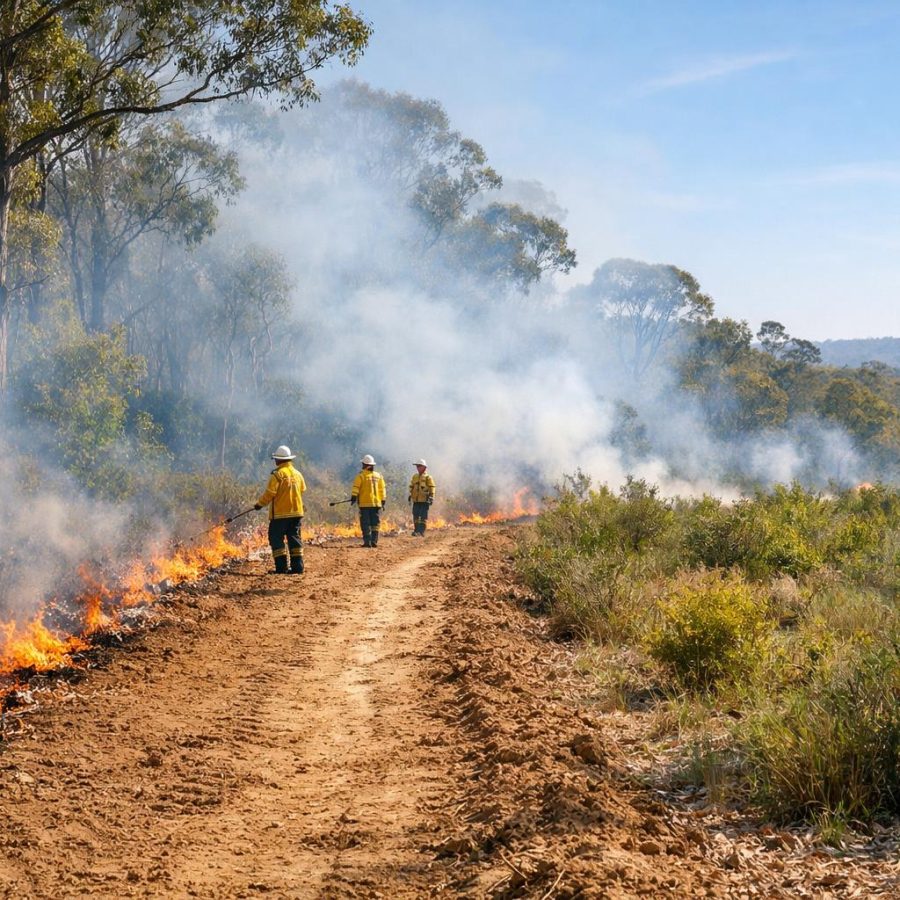
Queensland’s fire season typically spans the warmer and drier months, with grassfires posing a significant threat to both rural and peri-urban communities. The Queensland Fire and Emergency Services and the State Emergency Service work closely to monitor fire danger ratings and issue warnings or impose fire bans as necessary to protect lives, property, and the environment.
The recent local fire ban in South East Queensland, which was in place to mitigate heightened fire risk during late 2025, was officially cancelled on October 7, 2025, reflecting improved weather conditions and reduced fuel dryness. This decision was communicated clearly through official QFES channels, reinforcing the importance of following authoritative sources for updates.
Current Fire Status and Warnings
As of January 28, 2026, there are no active grassfire warnings or emergency alerts issued by QFES or the SES across Queensland. This status represents a period of relative calm but should not lead to complacency. Fire danger can escalate quickly, especially with the onset of dry spells, strong winds, or heatwaves.
Residents are encouraged to regularly check the QFES website for the latest fire bans and restrictions, which are updated in real time to reflect changing conditions. The QFES site also offers a handy Postcode Checker tool that allows individuals to assess the bushfire potential in their specific area, supporting informed decision-making and preparedness efforts.
Practical Implications for Residents and Communities
The lifting of the local fire ban is a positive development, but Queenslanders should maintain vigilance and continue to practice fire safety measures, particularly those living in high-risk areas. This includes maintaining clear vegetation buffers around properties, adhering to any temporary fire restrictions, and having a bushfire survival plan ready.
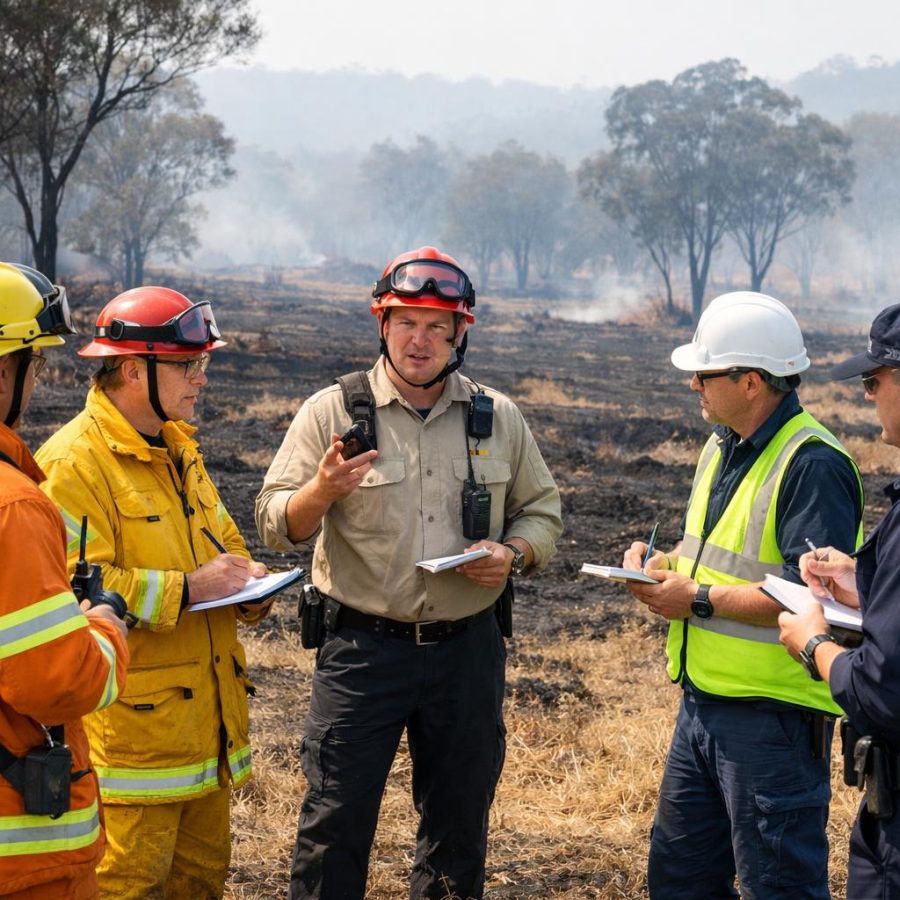
Community preparedness is equally important. Local SES and QFES volunteers remain on standby during fire season to assist with evacuation support, property protection, and emergency response coordination. Strengthening community networks and communication channels helps ensure timely warnings and support during any future incidents.
What to do now
Stay informed by regularly visiting the Queensland Fire and Emergency Services website for updates on fire bans, warnings, and restrictions. Use the postcode checker tool to understand the bushfire risk specific to your location. Prepare your property by clearing dry vegetation and ensuring accessible water sources. Develop or review your personal and family bushfire survival plans, and keep emergency kits ready.
Follow official advice and alerts, and if you see smoke or fire, report it immediately to emergency services. Staying calm, prepared, and connected to reliable information sources is the best way to reduce fire risk impacts and protect lives and property.
Looking Ahead
Queensland’s fire agencies continue to monitor weather patterns and fuel conditions closely. While the current outlook is stable, the dynamic nature of fire risk means residents should remain alert through the coming months. Collaboration between government agencies, emergency services, and communities will remain critical in managing fire risk effectively.
Continued investment in public education, infrastructure resilience, and volunteer support are essential components of Queensland’s fire management strategy, helping to mitigate the impact of future grassfires and safeguard vulnerable communities.
In addition to traditional fire prevention and response efforts, some communities have begun incorporating innovative sprinkler systems to protect properties. These systems can be particularly effective in metropolitan fire service areas where rapid response times are crucial. Sprinklers help reduce the likelihood of fire spreading to homes, especially during dry and windy conditions.

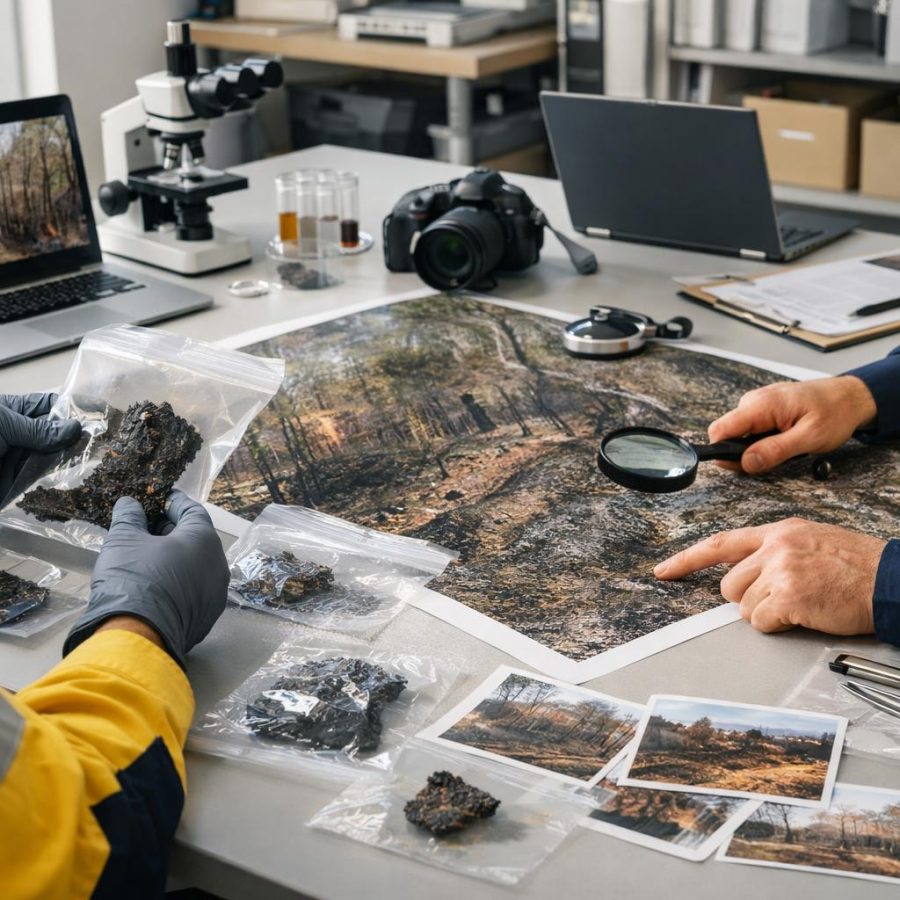
When incidents do occur, the cleanup process involves coordinated efforts between QFES, SES, and local councils. Timely cleanup not only restores community safety but also aids in community recovery by reducing hazards and helping residents return to normal life sooner. These post-incident operations are vital in bushfire-prone regions to prevent secondary fires and environmental degradation.
Evacuation remains a critical component of emergency management during fire events. The SES plays a vital role in coordinating evacuations and providing support to affected residents. Practicing evacuation drills and knowing evacuation routes in advance can save lives and reduce panic during actual incidents.
Claims related to fire damage also form part of the broader recovery process. Residents affected by grassfires are encouraged to contact their insurance providers promptly to understand coverage and support available. QFES and SES often provide guidance and assistance to help residents navigate claims and access recovery resources.
Heat stress is another concern during fire season, as prolonged exposure to high temperatures while preparing properties or evacuating can impact health. Residents should stay hydrated, take breaks in shaded areas, and seek medical advice if symptoms such as dizziness or exhaustion occur. Both QFES and SES recommend that community members look out for vulnerable individuals during heatwaves to prevent heat-related illnesses.
Prevention remains the cornerstone of fire safety. Simple actions such as safely disposing of cigarette butts, avoiding outdoor burning on high-risk days, and regularly maintaining properties to remove dry grasses and debris can significantly reduce the likelihood of grassfires starting and spreading. Community education programs run by QFES and SES aim to empower residents with knowledge and practical skills for prevention and preparedness.
In the event that residents must decide whether to stay or go during a fire emergency, having a clear and practiced plan is essential. QFES advocates for early evacuation when warnings are issued, as last-minute decisions can be dangerous. Those who choose to stay should have a well-prepared safe location, sufficient water supplies, and protective clothing. The SES provides resources and guidance to help households make these critical decisions safely.
Community recovery after fire incidents involves more than just physical cleanup. Emotional and psychological support services are often coordinated by local councils and emergency agencies to assist residents in coping with loss and trauma. Building resilience through community engagement and support networks strengthens overall preparedness for future fire seasons.
FireRescue Training Hub
Access practical fire and emergency study support resources, downloads, checklists, audio guides, and member-only course content.
- Course library
- PDF downloads
- Audio guides
- Checklists
Study support only. Not accredited training or a replacement for workplace procedures.
About the author and safety review
Ken Walker
Former Station Officer and fire service educator
Former career firefighter with extensive career and volunteer fire service experience.
Qualifications: Associate Diploma of Applied Science in Fire Technology; Institute of Fire Engineers studies.
Author profilehttps://www.firerescue.com.au/about-us/