Fire Safety Essentials
Understanding Fire Risk Alerts and Safe Generator Use
Australian fire seasons can be severe, making early fire risk alerts crucial for preparedness. Staying informed and ready to act reduces danger to life and property.
A reliable backup power source like a generator is vital during fire emergencies, but it must be used carefully to avoid additional risks.
This guide takes you through practical steps to monitor fire risk alerts and safely operate generators, supporting your resilience during fire season.
Monitoring Fire Risk Alerts in Australia
Australia’s summer months bring elevated fire danger levels, so staying informed is a priority. Official fire alerts are issued by organisations like the Fire and Rescue NSW, Country Fire Authority in Victoria, and the Department of Fire and Emergency Services in WA. These alerts categorize fire danger using a standard rating system ranging from low-moderate through to catastrophic.
How to access fire alerts
You can get fire risk and alert information through multiple channels. Register for SMS or app notifications provided by your local fire service. Websites also provide daily updates including maps and warnings. Many regions use the Emergency+ app, which offers critical alerts and location services. Always confirm that your phone’s location settings and notifications are enabled to receive alerts promptly.
Interpreting alert levels
Understand what each alert means for your safety. For example, a ‘Severe’ fire danger rating means you should prepare your property and stay alert, while ‘Catastrophic’ calls for immediate action, including evacuation. Review your bushfire survival plan well before the fire season starts, and adjust your response according to the alert level.
Preparedness also involves ensuring your wellbeing by managing stress and physical readiness. Manual handling training can help when moving emergency supplies or equipment, reducing injury risk during stressful periods. Wearing appropriate boots with good grip and protection is essential when navigating potentially hazardous terrain during fire emergencies.
An often overlooked hazard during bushfires is ember attack, where hot embers carried by wind ignite spot fires well ahead of the main fire front. Clearing gutters, roofs, and nearby vegetation of leaves and debris can significantly reduce this risk. Fire Rescue Victoria and QFES frequently advise residents to maintain defensible space around properties to minimise ember ignition chances.
Insurance considerations are also critical. Many home insurance policies require adherence to fire safety measures such as clearing flammable materials and following local fire alerts. Failure to comply can affect claims if fire damage occurs. Regularly reviewing your insurance coverage before fire season helps ensure adequate protection and peace of mind.
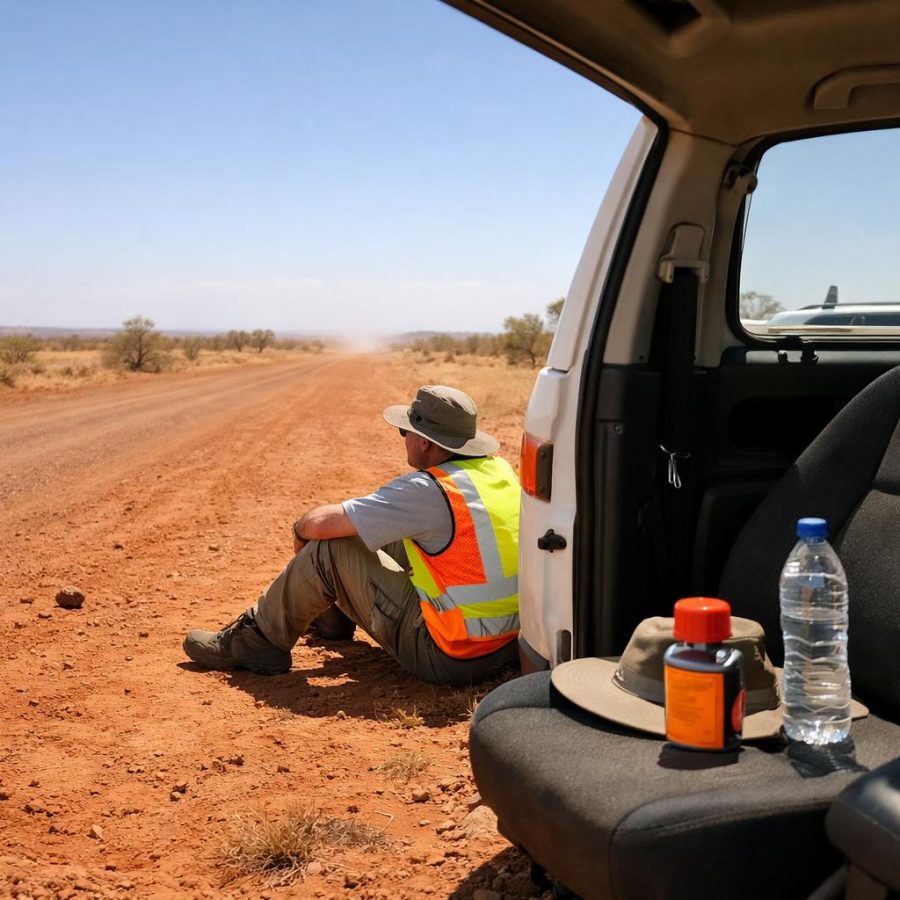
Hydration is another vital factor often underestimated during fire emergencies. High temperatures combined with smoke exposure can rapidly dehydrate individuals, impairing physical and cognitive performance. Keep plenty of water available, drink regularly, and avoid alcohol or caffeine which can worsen dehydration. Firefighters and emergency responders emphasise hydration as a key element of personal safety during fire events.
Choosing and Operating Generators Safely
Generators provide crucial backup power during outages caused by fire or emergency conditions. However, incorrect use can cause serious hazards including carbon monoxide poisoning, fire, or electrical accidents. Follow these practical steps to select and operate a generator safely in an Australian context.
Selecting the right generator
Consider your power needs carefully. Calculate the wattage required to run essential devices such as fridges, medical equipment, lights, and communication devices. Choose a generator with a capacity slightly above your estimated needs to avoid overload. Check that the generator complies with Australian standards for safety and emissions.
Safe placement and ventilation
Never operate generators indoors or in enclosed spaces like garages or verandas. Carbon monoxide from generators is colourless and odourless, posing a deadly risk if inhaled. Place the generator outdoors on a flat, stable surface, at least three metres from doors or windows, and away from vents or air intakes.
Connecting and operating your generator
Use heavy-duty, outdoor-rated extension cords to connect appliances directly to the generator. Avoid plugging the generator directly into household wiring unless a licensed electrician has installed an appropriate transfer switch or isolation device to prevent back feeding, which can endanger utility workers and cause damage.
Start the generator outdoors before connecting appliances. Do not refuel while running or hot; allow the unit to cool first and always refuel away from ignition sources.
Maintenance and storage
Regularly service your generator as per the manufacturer’s instructions, checking oil levels, spark plugs, and air filters. Store fuel safely in approved containers away from living areas. Be mindful of regulations about the amount of fuel you can store on your property.
In addition to generator safety, having fire prevention systems such as sprinklers installed can significantly reduce fire risks on your property. These systems can automatically activate to control or extinguish fires early, giving you more time to respond safely.
Keep a fire extinguisher nearby, preferably a wet chemical type for kitchen fires, which are common during emergencies when cooking or heating devices are in use. Knowing how to properly use a fire extinguisher is vital; consider refresher training on this equipment as part of your emergency preparedness.
Also, be aware that smoke inhalation can be a silent but deadly threat during fire emergencies. Operating a generator safely and ensuring proper ventilation reduces indoor smoke accumulation, lessening the risk of respiratory issues. If you or others experience coughing, wheezing, or difficulty breathing, seek fresh air immediately and consult medical professionals.
Immediate Steps During a Fire Emergency
If a fire threat affects your area, make safety your priority. Follow official evacuation instructions promptly. Keep your emergency kit accessible, including essential medications, water, food, and first aid supplies.
If you must remain in your property, close all doors and windows, seal gaps to reduce smoke entry, and have a clear plan to leave quickly if conditions worsen.
Use your generator to maintain critical power but regularly check fuel and carbon monoxide detector batteries. If anyone shows signs of carbon monoxide poisoning—headache, dizziness, nausea—move them to fresh air immediately and seek emergency medical help.
During these emergencies, manual handling training can be invaluable for safely moving heavy or bulky items such as fuel containers or emergency supplies, reducing the risk of injury. Wearing sturdy boots with adequate protection and grip will help maintain stability on uneven or debris-covered ground.
If conditions deteriorate rapidly, don’t hesitate to leave early rather than waiting for mandatory evacuation orders. Leaving early ensures safer travel away from smoke and fire hazards, reduces traffic congestion, and improves your chances of reaching safety without incident.
Basic First Aid for Fire-Related Injuries
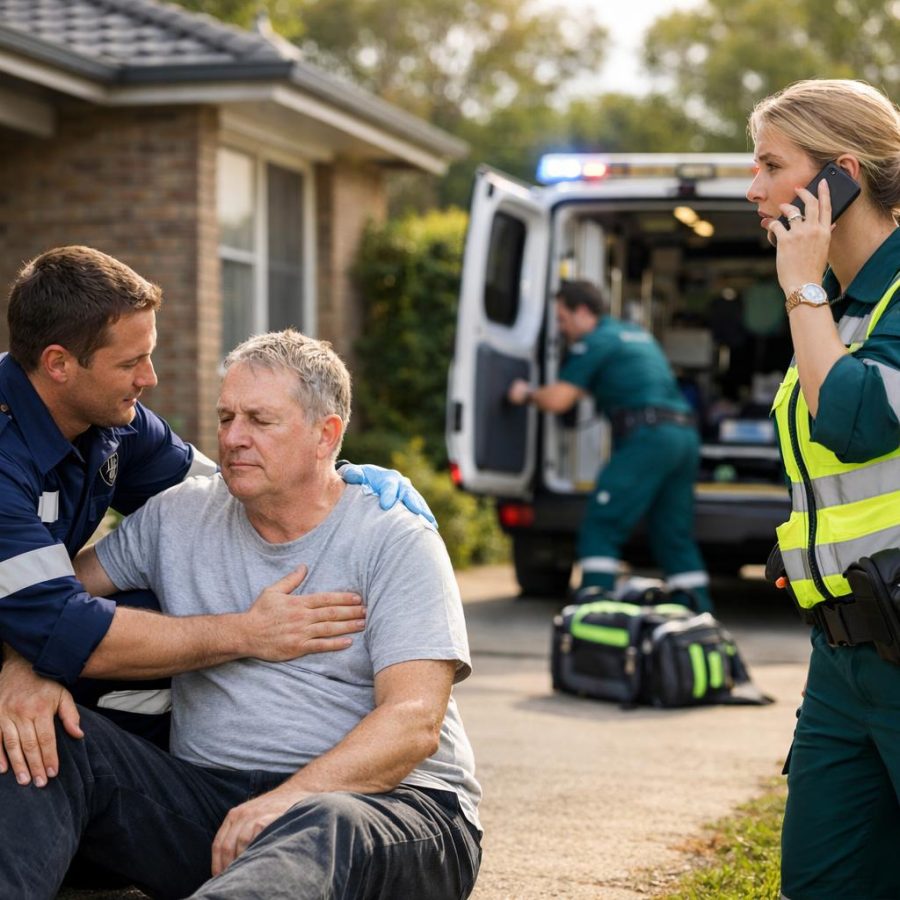
Burns and smoke inhalation are common injuries during fire emergencies. Cooling burns immediately with running cool water for at least 20 minutes can reduce damage. Cover burns with a clean, non-fluffy cloth and avoid applying creams or breaking blisters. For smoke inhalation, move the affected person outdoors or to fresh air and monitor breathing closely.
Seek professional medical assistance promptly for any serious injuries. It is highly recommended that everyone undertake accredited first aid training to be prepared for emergencies.
Additionally, having a well-stocked first aid kit that includes supplies for treating minor burns and wounds enhances your preparedness. Regularly check the expiry dates of your supplies and replenish as needed.
Remember that hydration supports recovery from smoke inhalation and heat stress. Provide plenty of fluids to anyone affected and avoid sugary or caffeinated drinks. If symptoms worsen or breathing becomes laboured, seek emergency medical care immediately.
If You Only Do Five Things
Stay informed by signing up for fire risk alerts through your local fire service and apps like Emergency+.
Prepare a reliable generator sized to your needs and ensure it meets Australian safety standards.
Operate your generator outdoors in a well-ventilated area, keeping it away from occupied buildings to prevent carbon monoxide risks.
Have a clear fire emergency plan including evacuation routes, emergency kits, and communication strategies.
Learn and refresh first aid skills relevant to burns and smoke inhalation, and seek immediate medical care when needed.
FireRescue Training Hub
Access practical fire and emergency study support resources, downloads, checklists, audio guides, and member-only course content.
- Course library
- PDF downloads
- Audio guides
- Checklists
Study support only. Not accredited training or a replacement for workplace procedures.
About the author and safety review
Ken Walker
Former Station Officer and fire service educator
Former career firefighter with extensive career and volunteer fire service experience.
Qualifications: Associate Diploma of Applied Science in Fire Technology; Institute of Fire Engineers studies.
Author profilehttps://www.firerescue.com.au/about-us/