Emergency Preparedness & Recovery
Australia’s Integrated Approach to Emergency Preparedness and Claims Management
Australia’s emergency response framework is evolving with new agencies and legislative measures designed to streamline disaster readiness and accelerate recovery for affected communities.
The establishment of the National Emergency Management Agency (NEMA) consolidates resources and expertise, improving coordination across states and territories while managing critical emergency stockpiles.
Meanwhile, regulatory relief in the insurance sector enables faster claim payments, vital to supporting individuals impacted by natural disasters without undue administrative delays.
Background and Context
In September 2022, the Australian Government launched the National Emergency Management Agency (NEMA) to unify national efforts in disaster preparedness, response, and recovery. This move addresses longstanding challenges around fragmented emergency management across jurisdictions by consolidating functions under a single federal agency.
Central to NEMA’s mandate is the National Emergency Management Stockpile (NEMS), a strategic reserve of essential goods such as emergency shelters, generators, and other vital equipment. This stockpile ensures rapid deployment of resources during crises, reducing reliance on commercial supply chains that can be disrupted during major events.
On the insurance front, the Australian Securities and Investments Commission (ASIC) has introduced legislative relief allowing insurers to make emergency payments up to $5,000 in cash without requiring the usual prior documentation. This change is critical in enabling insurers to provide immediate financial support to policyholders following disasters, bypassing administrative hurdles that can delay assistance.
In Victoria, the Department of Families, Fairness and Housing (DFFH) requires annual Emergency Preparedness Attestations from service providers. This accountability measure aims to ensure that organisations involved in emergency response maintain a baseline readiness level and have clear plans for continuity and safety.
Practical Implications for Emergency Services and Communities
The creation of NEMA and the management of NEMS represent a significant step forward in Australia’s capability to respond efficiently to natural disasters. By holding and managing critical supplies centrally, emergency services can mobilise resources faster and more equitably across affected regions.

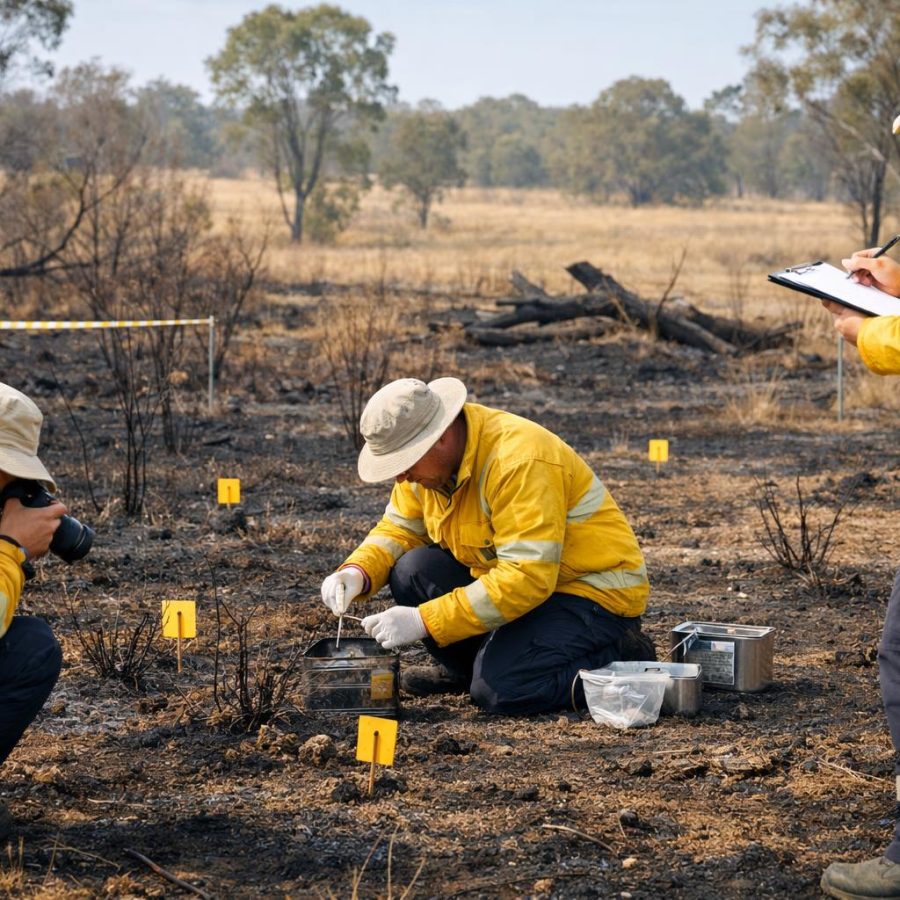
Photo by 12019 via Pixabay
For communities, this means improved access to essential infrastructure during emergencies, such as temporary shelters and power sources, which are fundamental to safety and recovery. This centralised approach also supports better coordination between federal, state, and local agencies, reducing duplication and improving response times.
The insurance industry’s streamlined payment arrangements, endorsed by ASIC, significantly reduce the bureaucratic burden on disaster victims seeking immediate relief. Allowing insurers to provide emergency cash payments without extensive paperwork acknowledges the urgency of recovery and the complexities faced by individuals during crisis situations.
However, while these legislative and organisational advances are promising, challenges remain in ensuring equitable access to support, particularly among vulnerable populations and in remote areas. Emergency preparedness is not solely about resources but also about communication, community engagement, and culturally sensitive response strategies.
Collaboration: A Cornerstone for Success
The effectiveness of emergency preparedness initiatives depends heavily on collaboration across government agencies, insurers, service providers, and communities. The DFFH’s requirement for an annual Emergency Preparedness Attestation underscores the importance of internal readiness among organisations, promoting a culture of responsibility and proactive planning.
This multi-layered approach fosters resilience by integrating policy, operational capability, and community involvement, ensuring that responses are timely, appropriate, and aligned with the needs of those affected.
What to Do Now: Practical Steps for Individuals and Providers
Individuals should familiarise themselves with local emergency plans and ensure they have access to essential supplies, including documentation and insurance policies. Understanding the availability of emergency payments and support services can expedite assistance when it is needed most.
Service providers and community organisations are encouraged to complete their Emergency Preparedness Attestations diligently, review their emergency response and continuity plans regularly, and engage in training exercises. Proactive preparation reduces risk and enhances the speed and effectiveness of response efforts.
Insurers should continue to streamline claims processes and maintain clear communication channels with customers, particularly in disaster-prone regions. Ensuring transparency about emergency payment options and timelines can help alleviate stress and speed recovery for policyholders.
Expanding the Scope: Addressing Burns, Shelter, and Clean-up in Disaster Response
An often overlooked aspect of emergency preparedness is the management of burns and other injuries sustained during incidents such as fires or structural collapses. Emergency services equipped with proper training and resources can provide immediate care to minimise long-term damage. This not only saves lives but also reduces the burden on healthcare systems during peak disaster periods.
Shelter provision remains a critical component of disaster response, especially when homes are destroyed or rendered unsafe. The availability of emergency shelters stocked as part of the NEMS allows rapid accommodation for displaced individuals and families, providing not just physical protection but also psychological comfort amidst chaos.
Following the immediate incident, clean-up operations are vital to restoring community functionality and reducing secondary hazards. Coordinated efforts between emergency services and local governments ensure safe disposal of debris and hazardous materials, preventing further incidents. Efficient clean-up also facilitates quicker rebuilding and recovery, helping communities return to normalcy sooner.
These elements underscore the importance of a comprehensive emergency preparedness plan that goes beyond initial response to encompass ongoing recovery phases. By integrating burns management, shelter logistics, and clean-up coordination into the broader emergency framework, Australia enhances its resilience against a wide spectrum of disaster impacts.
Special Considerations: Working at Heights and Warning Systems
Certain emergency scenarios, such as firefighting and rescue operations, often require personnel to work at heights, which introduces additional risks. Implementing strict safety protocols and specialised training for working at heights is essential to protect emergency responders and ensure effective incident management. Proper use of protective gloves and equipment further minimises injury risks during these complex operations.
Meanwhile, warning systems play a pivotal role in disaster preparedness by providing timely alerts to communities. Integration of advanced warning technologies into emergency management strategies allows for earlier evacuations and better resource allocation, significantly reducing casualties and property damage. Alerts disseminated via multiple channels, including mobile notifications and community sirens, ensure broad reach and prompt action.
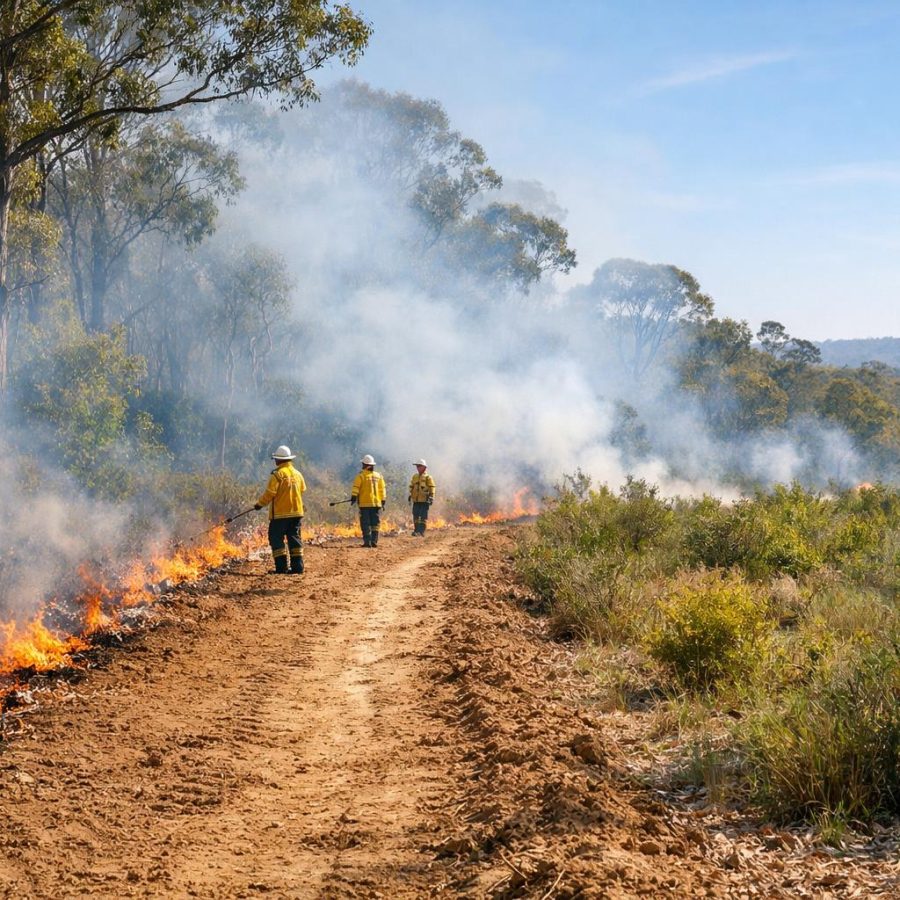
The South Australian Country Fire Service (CFS) exemplifies effective use of warning systems combined with community engagement to manage bushfire threats. Their approach highlights how well-coordinated communication and preparedness can empower communities to act swiftly and safely, ultimately facilitating a faster return home after evacuations.
Conclusion
Australia’s evolving emergency preparedness landscape, marked by the establishment of NEMA and regulatory reforms in the insurance sector, reflects a broader commitment to enhancing national resilience. By adopting coordinated, solutions-focused approaches, these initiatives strengthen the nation’s capacity to respond to and recover from natural disasters effectively.
Sustained collaboration between government agencies, insurers, service providers, and communities remains essential to build on these gains and ensure that emergency preparedness translates into tangible benefits for all Australians in times of crisis. Incorporating practical measures such as detailed fire plans, personal protective equipment like gloves, and robust alert systems will continue to improve response outcomes and safeguard lives and property.
FireRescue Training Hub
Access practical fire and emergency study support resources, downloads, checklists, audio guides, and member-only course content.
- Course library
- PDF downloads
- Audio guides
- Checklists
Study support only. Not accredited training or a replacement for workplace procedures.
About the author and safety review
Ken Walker
Former Station Officer and fire service educator
Former career firefighter with extensive career and volunteer fire service experience.
Qualifications: Associate Diploma of Applied Science in Fire Technology; Institute of Fire Engineers studies.
Author profilehttps://www.firerescue.com.au/about-us/