Large-Scale Road Crashes and Bushfire Evacuations: Staying Calm in Traffic – why it matters for Australian households
Australia’s vast landscapes and variable weather conditions make large-scale road crashes and bushfire evacuations a real concern for many households, especially during the hotter months. Being caught in heavy traffic during an emergency, whether due to a multi-vehicle accident or a sudden bushfire evacuation, can be stressful and potentially dangerous. Understanding how to stay calm in these situations helps protect not only you but also your loved ones and others on the road.
While emergency services work tirelessly to manage these incidents, individual preparedness and calmness are key to ensuring safe outcomes. The more households are equipped with practical knowledge, the better our communities can <a href=”https://www.firerescue.com.au/multi-agency-evacuation-plan-for-storms-bushfires-australia/”>respond to the challenges of large-scale road incidents and bushfires.
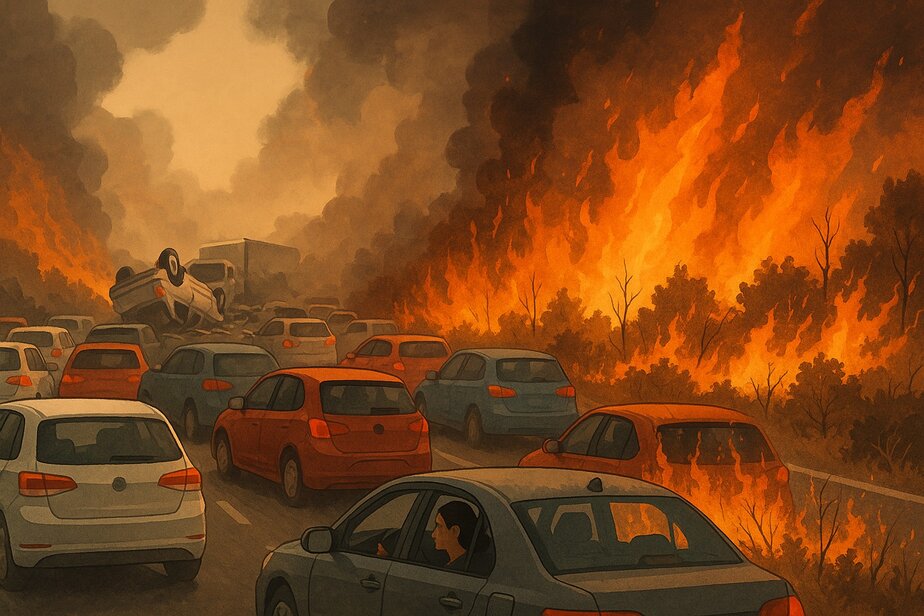
Remaining calm during traffic chaos reduces panic, prevents rash decisions, and allows you to react thoughtfully. This matters especially when Australian families are evacuating from bushfire zones or dealing with the aftermath of a major crash. Being mentally and physically prepared can make all the difference in these critical moments.
Understanding the risk: what Large-Scale Road Crashes and Bushfire Evacuations: Staying Calm in Traffic looks like in real life
Large-scale road crashes often involve multiple vehicles, sometimes spanning long stretches of highways or busy suburban roads. These incidents can cause significant traffic delays, emergency response roadblocks, and potential secondary crashes if drivers become impatient or distracted.
Similarly, bushfire evacuations frequently result in a sudden surge of vehicles leaving affected areas, leading to congested roads and increased driver stress. People may be fleeing for safety, often carrying pets, important belongings, or children, which adds to the pressure.
In both scenarios, drivers face:
- Long wait times in traffic, sometimes in extreme heat or smoke conditions.
- Restricted road access or detours that may not be familiar.
- Heightened anxiety due to uncertainty about the event or safety of others.
- Limited communication or mobile phone coverage in some areas.
Understanding these challenges helps households mentally prepare and act calmly when faced with traffic disruptions caused by emergencies.
Before anything happens: simple preparation steps
Preparation is vital to reduce stress and increase safety during a crisis involving large-scale road crashes and bushfire evacuations. Start with these practical steps:
- Know your local risks: Be aware of bushfire-prone areas near your home and major traffic routes that serve as evacuation paths.
- Plan alternative routes: Identify multiple safe roads out of your neighbourhood in case your usual route is blocked.
- Keep your vehicle ready: Maintain fuel levels above half a tank during high-risk periods and ensure your car is roadworthy.
- Emergency kit: Assemble a kit with water, non-perishable snacks, first-aid supplies, a torch, phone charger, and masks for smoke.
- Stay informed: Download emergency apps such as the FireReady app and set up alerts for local warnings.
These steps help you act quickly and calmly when an evacuation or traffic disruption occurs.
Building a home checklist around large scale road crashes and bushfire evacuations
A detailed home checklist ensures you don’t forget essentials during an emergency departure. Key items to include are:
- Important documents (ID, insurance papers, medical records) in a waterproof folder.
- Charged mobile phones and power banks.
- Prescribed medications and basic first-aid supplies.
- Pet food, carriers, and leashes if applicable.
- Emergency cash (small notes and coins).
- Clothing suitable for weather conditions and sturdy footwear.
- Vehicle keys and house keys in an easy-to-grab place.
- Face masks to protect against smoke inhalation.
- Portable water containers and refillable bottles.
Keep this checklist visible and review it regularly, especially during bushfire season or times of heightened road risk.
What to do when warnings appear
When you receive a warning about a large-scale road crash or a nearby bushfire evacuation order, follow these calm and practical steps:
- Stay informed: Monitor official updates via reliable sources such as the CFA, SES, or local police social media and apps.
- Prepare your vehicle: Pack your emergency kit and ensure your car is ready to move at short notice.
- Inform family members: Make sure everyone in your household knows the plan and is ready to leave if necessary.
- Avoid last-minute panic: Leaving early reduces traffic congestion and increases safety.
- Secure your home: Close windows, turn off gas and electricity if advised, and remove flammable items from around your house.
Early action and calm readiness can prevent dangerous last-minute rushes and confusion on the roads.
During the event: staying safe and staying informed
Once you are in traffic during a large-scale road crash or bushfire evacuation, keep the following in mind to stay safe:
- Remain patient: Traffic will move slowly, and rushing can lead to accidents.
- Keep a safe distance: Maintain plenty of space between your vehicle and others.
- Stay hydrated: Especially in hot weather, drink water regularly.
- Use air conditioning carefully: If smoke is present, use the recirculate function to minimise inhalation.
- Follow instructions: Obey emergency personnel and road signs.
- Keep communication devices charged: Use your phone sparingly to conserve battery but keep contact with loved ones.
- Be mindful of vulnerable passengers: Check on children, elderly family members, and pets.
Staying alert and calm helps you make sound decisions and avoid additional hazards.
After the event: clean-up, claims and care
Once the immediate danger has passed and you can return home or continue your journey, take these steps:
- Check for injuries: Attend any medical needs promptly.
- Assess your vehicle: Look for damage before driving on and arrange repairs if needed.
- Contact your insurer: Notify them promptly about any damages or claims related to the incident.
- Clean up safely: Avoid handling debris or damaged materials without gloves and proper protection.
- Seek emotional support: Experiencing large-scale emergencies can be traumatic; talk with family or professionals if needed.
- Replenish emergency supplies: Replace any used items in your kit immediately.
Being methodical after the event ensures your household recovers safely and efficiently.
Talking with family, neighbours and local services
Community connection is a powerful tool during emergencies. Discuss your household plans with family and neighbours so everyone is aware and can support each other. Consider these approaches:
- Share evacuation routes and meeting points.
- Check on elderly or vulnerable neighbours regularly.
- Join local community groups or emergency networks.
- Attend local information sessions about bushfire preparedness.
- Keep contact numbers for local emergency services handy.
Strong community ties foster resilience and reduce stress when large-scale incidents arise.
Putting it all together: a practical plan for large scale road crashes and bushfire evacuations
Developing a clear, practical plan tailored to your household’s needs is the best way to handle large-scale road crashes and bushfire evacuations calmly. Your plan should include:
- Emergency contacts and meeting points.
- Vehicle readiness and alternative travel routes.
- Home checklist and evacuation kit storage.
- Communication strategy during an event.
- Regular drills and review of the plan.
Practice your plan with all family members so everyone knows their role. Being prepared reduces fear and confusion and helps you stay calm if you find yourself in heavy traffic caused by large-scale emergencies.
Tip from Kenno: When you’re stuck in traffic during an evacuation or after a large crash, try to focus on what you can control rather than what you can’t. Keep your emergency kit close, sip water regularly, and remind yourself that emergency services are working hard to clear the roads. If you’re travelling with kids or pets, bring a few quiet activities or treats to keep them calm too. Most importantly, practise deep breathing and stay patient—your calmness will help everyone around you stay safer.
Image from Pixabay.
FireRescue Training Hub
Access practical fire and emergency study support resources, downloads, checklists, audio guides, and member-only course content.
- Course library
- PDF downloads
- Audio guides
- Checklists
Study support only. Not accredited training or a replacement for workplace procedures.
About the author and safety review
Ken Walker
Former Station Officer and fire service educator
Former career firefighter with extensive career and volunteer fire service experience.
Qualifications: Associate Diploma of Applied Science in Fire Technology; Institute of Fire Engineers studies.
Author profilehttps://www.firerescue.com.au/about-us/