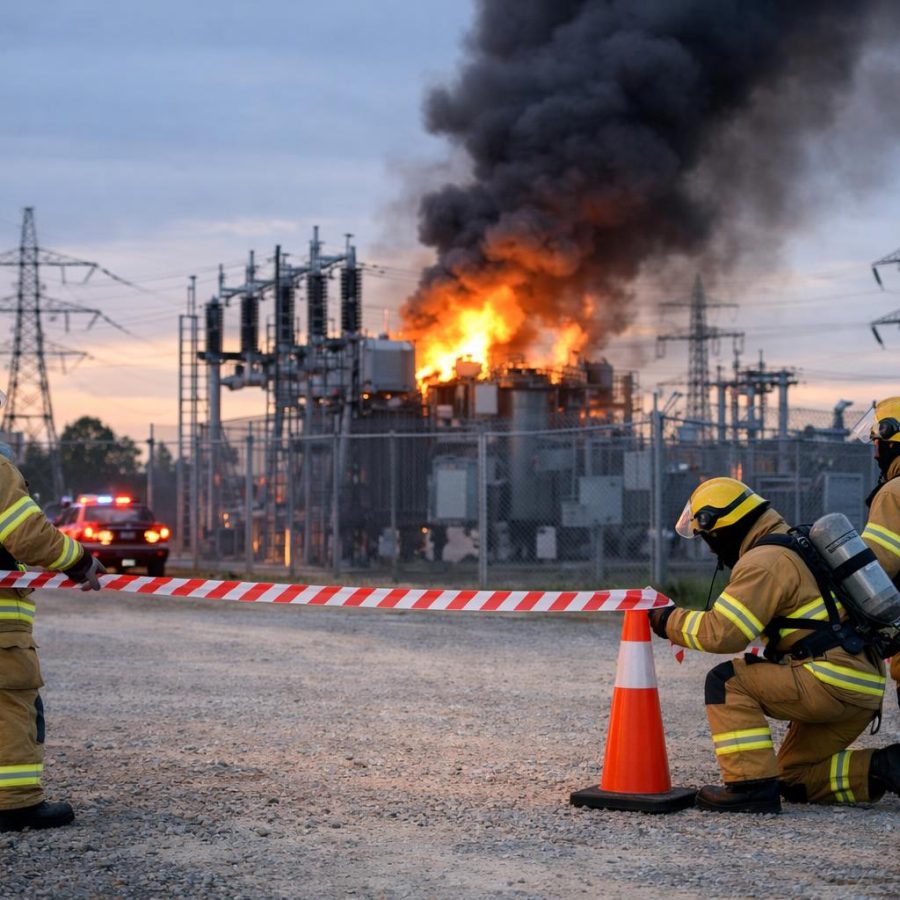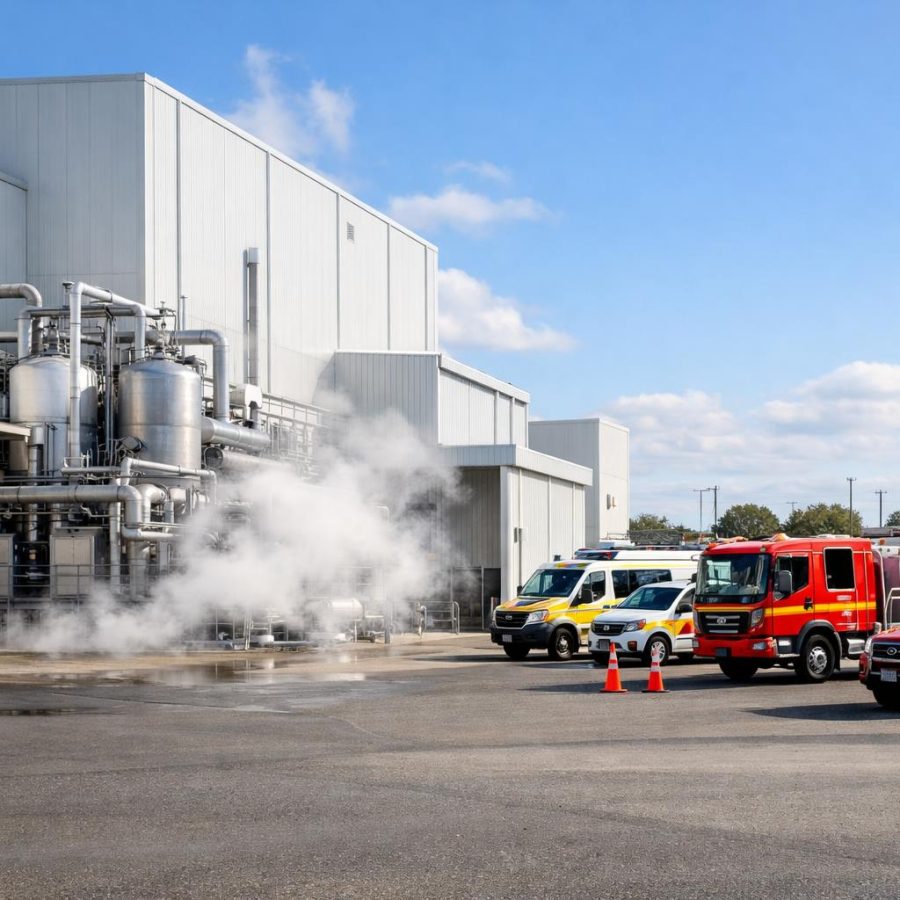
Rail and Public Transport Disruptions During Extreme Weather – why it matters for Australian households
Australia’s diverse climate means many communities face extreme weather events such as heavy rain, heatwaves, floods, and storms. These conditions can significantly disrupt rail and public transport services, impacting daily routines and household plans. Understanding how rail and public transport disruptions during extreme weather affect your family helps you stay prepared and safe.
For many Australian households, public transport is a vital link for commuting, school runs, medical appointments, and social connections. When these services are interrupted, it can cause delays, cancellations, or route changes that require adjustments to your daily life. Being calm and practical in the face of these disruptions ensures you can adapt with minimal stress.

Having a clear idea of what to expect and how to respond means you can protect yourself, your family, and your community during times of weather-related transport challenges.
Understanding the risk: what Rail and Public Transport Disruptions During Extreme Weather looks like in real life
Extreme weather can affect rail and public transport in various ways, including:
- Flooded tracks and roads leading to train and bus delays or cancellations.
- Heatwaves causing overhead power failures or track buckling, resulting in slower services.
- Strong winds leading to fallen trees or debris blocking platforms or tracks.
- Storm damage causing signal outages or infrastructure problems.
- Reduced visibility due to heavy rain or dust storms affecting driver safety and schedules.
In real life, these disruptions mean that a regular 30-minute commute might turn into a few hours, or planned outings may need to be postponed. For families relying on public transport for school or work, this can mean needing backup travel options or adjusting daily routines.
Transport providers often issue alerts and updates, but weather conditions can change rapidly. It’s important to be aware of these risks and prepare for possible interruptions.
Before anything happens: simple preparation steps
Preparing ahead of time helps reduce inconvenience and keeps everyone safer when rail and public transport disruptions during extreme weather occur. Some straightforward preparation steps include:
- Subscribe to local transport alerts and weather warnings via apps or websites.
- Discuss alternative travel plans with household members, including carpooling or cycling options.
- Keep essential items like water bottles, snacks, and a portable phone charger ready in your bag.
- Know the locations of nearby shelters or safe waiting areas in case you get stuck during travel.
- Have contact numbers for your workplace, school, and local emergency services easily accessible.
By taking these small steps early, your household will be better equipped to adjust calmly if rail and public transport disruptions during extreme weather occur.
Building a home checklist around rail and public transport disruptions during extreme weather
A home checklist tailored to transport disruptions can be a useful reminder and resource for your family. Consider including the following:
- Communication: Ensure everyone knows how to send updates and check messages quickly.
- Emergency kit: Stock basic supplies like bottled water, non-perishable snacks, a torch, a first-aid kit, and spare phone batteries.
- Alternative transport: Identify and maintain bicycles, scooters, or car-share apps you might use if public transport is down.
- Documents: Keep key identification, concession cards, and emergency contact details in an easy-to-find place.
- Home safety: Check your home’s access points and ensure you can stay safely indoors if travel becomes impossible.
Regularly reviewing and updating this checklist with your family encourages preparedness and confidence.
What to do when warnings appear
When official warnings about extreme weather or public transport disruptions come through, it’s important to respond calmly and promptly. Here’s what you can do:
- Check current transport status via official websites or apps before leaving home.
- Inform family members of updated plans or delays, especially if children travel independently.
- Allow extra travel time or consider postponing non-essential trips.
- Prepare your home for potential longer stays indoors if severe weather is expected.
- Charge your mobile devices and have backup power options ready.
Taking these actions early can reduce stress and help your household adapt smoothly to rail and public transport disruptions during extreme weather.
During the event: staying safe and staying informed
If you find yourself traveling or waiting during a rail or public transport disruption caused by extreme weather, safety and information are your best tools.
- Stay in sheltered, well-lit areas while waiting for delayed services.
- Follow instructions from transport staff and emergency personnel.
- Keep listening to updates via radio, apps, or text alerts.
- Avoid crossing flooded tracks or roads, and report hazards to authorities.
- Maintain physical distancing and hygiene, especially in crowded waiting areas.
Remaining calm and attentive helps protect you and those around you until normal services resume.
After the event: clean-up, claims and care
Once extreme weather has passed and rail and public transport services begin returning to normal, there are practical steps to take:
- Inspect any property or vehicles for weather-related damage.
- Contact your insurance provider promptly if you need to make claims.
- Check on neighbours or family members who may need assistance.
- Review your household’s emergency plan to identify any improvements.
- Express patience with transport providers as they work to restore services fully.
Taking care of these post-event tasks supports recovery and resilience in your household and community.
Talking with family, neighbours and local services
Open communication before, during, and after extreme weather improves everyone’s safety and wellbeing. Consider:
- Sharing your household plan for transport disruptions with family members and neighbours.
- Checking in on elderly or vulnerable neighbours who may need extra help.
- Engaging with local community groups or neighbourhood emergency teams.
- Providing children with clear information about what to do if transport is disrupted.
- Knowing where and how to access local emergency services or community support centres.
Building these connections creates a stronger support network that can make all the difference during challenging times.
Putting it all together: a practical plan for rail and public transport disruptions during extreme weather
Combining the knowledge and steps outlined here into a practical household plan ensures you’re ready when rail and public transport disruptions during extreme weather occur. Your plan might include:
- Regularly updating contact lists and emergency numbers.
- Preparing a grab-and-go bag with essentials for unexpected delays.
- Agreeing on meeting points and communication methods if separated.
- Scheduling regular family discussions to review and practice the plan.
- Keeping informed through trusted weather and transport information sources.
By taking a calm and practical approach, Australian households can face rail and public transport disruptions during extreme weather with confidence and care.
Tip from Kenno: I always keep a small, waterproof pouch in my bag with a few essentials like a torch, a portable phone charger, and some snacks. When extreme weather hits, delays are almost always inevitable. Having these simple items means I’m never caught off guard, even if the trains or buses stop running. Also, I make it a habit to check transport apps before leaving the house and let family know my updated plans. Staying connected and prepared really reduces stress during those tricky moments.
Image from Pixabay.
FireRescue Training Hub
Access practical fire and emergency study support resources, downloads, checklists, audio guides, and member-only course content.
- Course library
- PDF downloads
- Audio guides
- Checklists
Study support only. Not accredited training or a replacement for workplace procedures.
About the author and safety review
Ken Walker
Former Station Officer and fire service educator
Former career firefighter with extensive career and volunteer fire service experience.
Qualifications: Associate Diploma of Applied Science in Fire Technology; Institute of Fire Engineers studies.
Author profilehttps://www.firerescue.com.au/about-us/