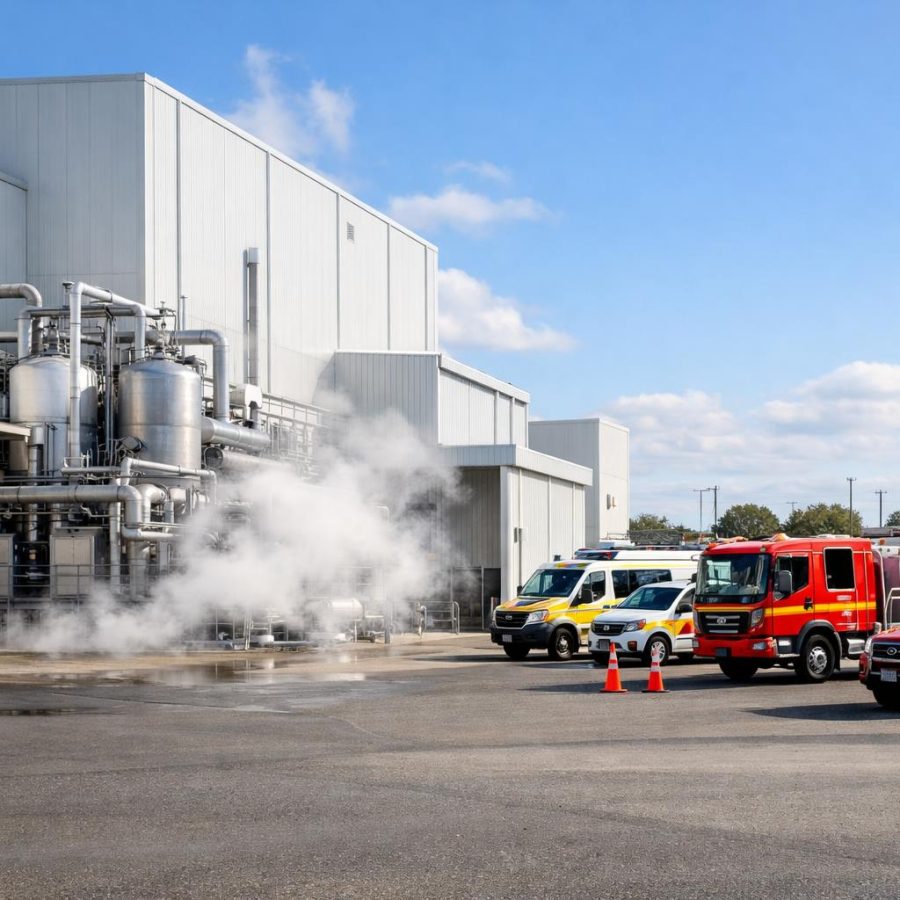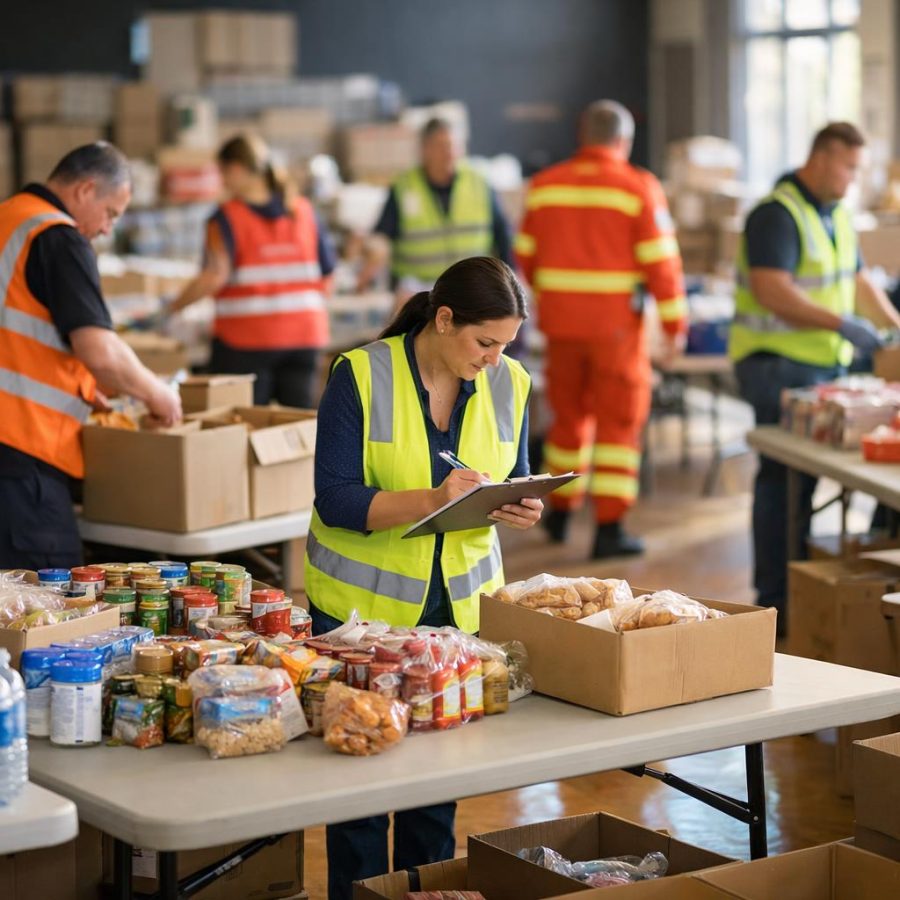
Domestic Gas, BBQ and Generator Safety After Storms – why it matters for Australian households
Severe storms are a natural part of life across many parts of Australia, bringing much-needed rain but sometimes leaving behind damage and disruption. After the storm has passed, the risk of accidents involving domestic gas, BBQs, and generators can increase significantly. These essential household items, while useful during power outages or for outdoor cooking, need careful handling to ensure the safety of your family and home.
Understanding and practicing domestic gas BBQ and generator safety after storms is crucial to prevent hazards such as gas leaks, fires, and carbon monoxide poisoning. Taking a calm, practical approach will keep you prepared and reduce risks, helping your household recover safely and comfortably.
By focusing on simple safety steps and clear communication, Australian families can confidently manage their equipment during and after storm events. This guide offers straightforward advice tailored for general households to help you protect yourself, your loved ones, and your property.
Understanding the risk: what Domestic Gas, BBQ and Generator Safety After Storms looks like in real life
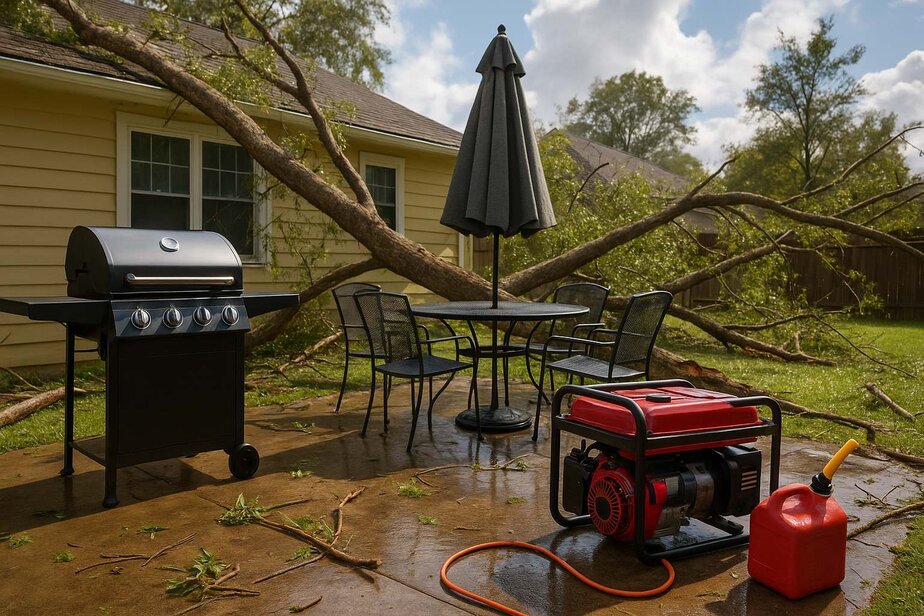
Storms can damage gas appliances, BBQs, and generators in ways that aren’t immediately obvious. For example, fallen tree branches or floods might cause cracks in gas connections or short circuits in generators. Using damaged equipment can result in dangerous gas leaks, explosions, or carbon monoxide poisoning, especially if appliances are used indoors or in poorly ventilated areas.
Barbecues and portable generators are often turned on quickly after storms to provide hot meals and backup power. However, without proper checks, these devices can pose serious risks. Floodwaters might also contaminate gas outlets or electrical components. Understanding these real-life hazards helps households take the right precautions and avoid common mistakes.
Before anything happens: simple preparation steps
- Inspect and maintain: Regularly check gas hoses, connections, and BBQs for wear or damage well before storm season.
- Keep manuals handy: Store appliance manuals and safety instructions in an accessible spot for quick reference.
- Know your shutoff points: Identify the location of your main gas meter and valves to turn off the supply safely if needed.
- Have proper ventilation: Ensure outdoor areas used for BBQs and generators have good airflow to avoid gas build-up.
- Purchase carbon monoxide alarms: Install these near indoor generator or gas appliance areas for early detection.
- Create a safe storage spot: Store LPG cylinders upright in a cool, ventilated place, away from potential water damage.
Building a home checklist around domestic gas bbq and generator safety after storms
Having a clear checklist saves time and prevents oversight during stressful times. Here’s a practical checklist to prepare your home:
- Check all gas connections for signs of rust, cracks, or leaks.
- Ensure BBQ burners and generator filters are clean and dry.
- Confirm LPG cylinders are secured and upright.
- Test carbon monoxide alarms monthly.
- Identify safe outdoor areas for operating generators and BBQs, away from doors and windows.
- Keep fire extinguishers and fire blankets nearby and in working order.
- Have a torch or portable light available for inspecting equipment during outages.
- Note emergency contact numbers for your gas supplier and local emergency services.
What to do when warnings appear
When storm warnings or severe weather alerts are issued, it’s time to act calmly and efficiently. Follow these practical steps:
- Turn off your main gas supply to prevent leaks if you suspect damage or flooding.
- Disconnect generators and BBQs from power sources and secure them safely.
- Relocate LPG cylinders to a safe, dry, and ventilated outdoor location.
- Charge mobile phones and portable devices to maintain communication.
- Monitor official weather updates via local radio or emergency apps.
- Keep children and pets away from gas appliances and generators during the storm.
During the event: staying safe and staying informed
While the storm is ongoing, safety and awareness remain paramount. Here are key tips:
- Avoid using gas BBQs or generators indoors or in enclosed spaces to prevent carbon monoxide buildup.
- Do not attempt to repair any gas fittings or electrical components while the storm is active.
- If you smell gas (a strong rotten egg odor), turn off the gas supply immediately and ventilate the area if safe.
- Use battery-operated lights instead of candles to minimise fire risk.
- Stay tuned to emergency services for updates and instructions.
- Keep a safe distance from downed power lines and report them to authorities.
After the event: clean-up, claims and care
Once the storm has passed, careful inspection and recovery efforts help prevent accidents from damaged equipment.
- Inspect all gas appliances and BBQs for visible damage before use.
- Have a qualified technician check gas fittings and generators before restarting.
- Do not reuse wet or flood-damaged LPG cylinders or generators until professionally assessed.
- Clean and dry BBQ grills and generator air filters thoroughly.
- Document any damage with photos for insurance claims.
- Contact your insurance provider promptly if you need to make a claim.
- Dispose of any damaged equipment responsibly and according to local regulations.
Talking with family, neighbours and local services
Good communication is a key part of domestic gas BBQ and generator safety after storms. Share your plans and information with those around you.
- Discuss safe operation and shutdown procedures with all household members.
- Check in with neighbours, especially elderly or vulnerable people, to offer help or share resources.
- Coordinate generator use to avoid noise and fuel shortages within the community.
- Know the contacts for local emergency services, gas suppliers, and electricians.
- Attend community preparedness workshops or information sessions if available.
Putting it all together: a practical plan for domestic gas bbq and generator safety after storms
Having a well-rounded plan ensures your household is ready to manage domestic gas, BBQ, and generator safety after storms effectively. Start by building your checklist and gathering necessary equipment like carbon monoxide alarms and fire extinguishers. Clearly communicate safety rules with your family and neighbours. Stay informed with official weather updates and know when to switch off and secure your appliances.
After a storm, never rush into using gas or electrical devices; always inspect and seek professional advice when in doubt. A practical, calm approach will help your household recover safely and maintain comfort during challenging times.
Tip from Kenno: After years of experience managing storm-related outages, I’ve learnt that preparation and calm are your best allies. Always double-check your gas connections and never use generators indoors—even if it’s cold or dark. Make a habit of testing your carbon monoxide alarms monthly and keep a torch handy for those uncertain moments. If you ever smell gas or feel dizzy near a generator, turning everything off and getting fresh air immediately is key. Simple steps like these can make all the difference in keeping your family safe without stress.
Image from Pixabay.
FireRescue Training Hub
Access practical fire and emergency study support resources, downloads, checklists, audio guides, and member-only course content.
- Course library
- PDF downloads
- Audio guides
- Checklists
Study support only. Not accredited training or a replacement for workplace procedures.
About the author and safety review
Ken Walker
Former Station Officer and fire service educator
Former career firefighter with extensive career and volunteer fire service experience.
Qualifications: Associate Diploma of Applied Science in Fire Technology; Institute of Fire Engineers studies.
Author profilehttps://www.firerescue.com.au/about-us/