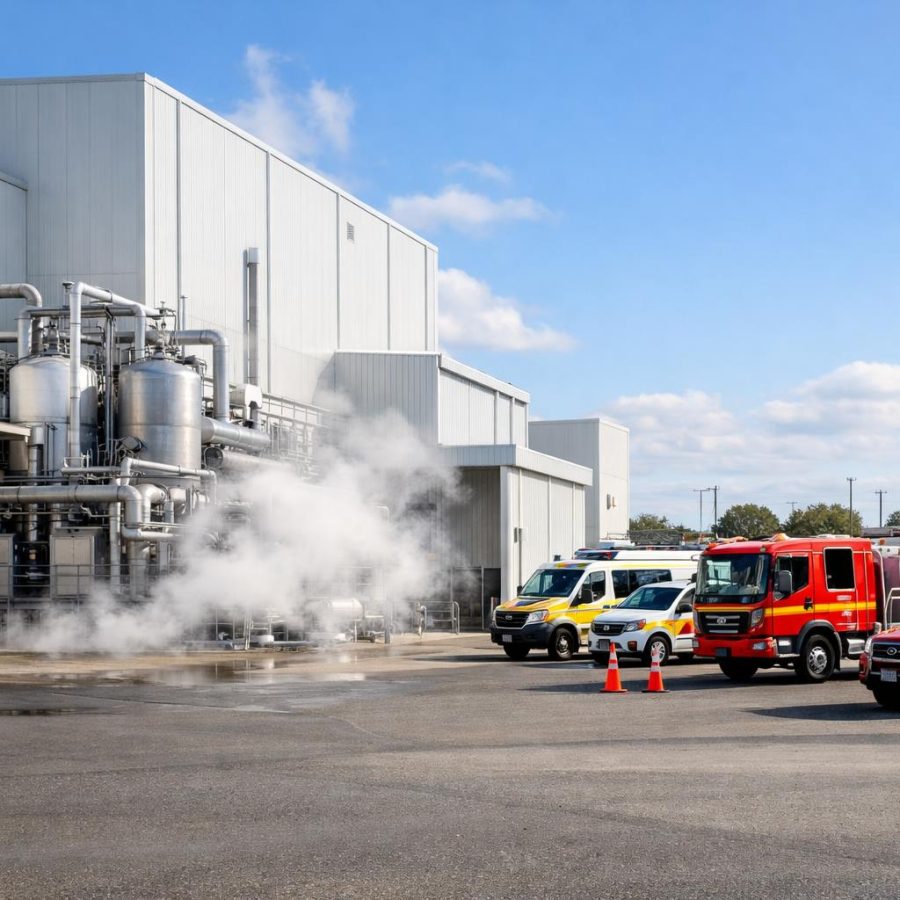
House-Boat, Marina and River Community Flood Readiness – why it matters for Australian households
Living on or near the water in Australia offers a unique lifestyle filled with natural beauty and recreational opportunities. For many families and households, house boats, marina berths, and riverside communities are cherished places to call home. However, these locations come with specific challenges, especially when it comes to flooding. Flood events can occur unexpectedly, and being prepared can make a significant difference to safety, property, and peace of mind.
Understanding house boat marina and river community flood readiness isn’t just about protecting property; it’s about protecting lives and ensuring that families and neighbours can respond calmly and effectively to potential flood situations. Preparedness reduces stress and confusion during emergencies and helps communities recover more quickly afterward.
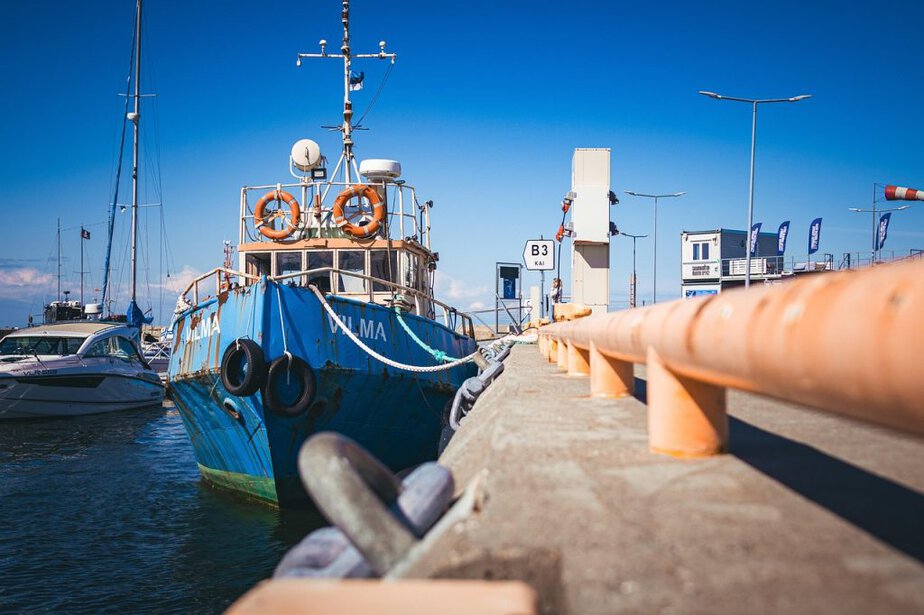
By taking practical steps to prepare, Australian households living in these environments can enjoy their waterside lifestyle with confidence, knowing they have considered the risks and are ready if floodwaters rise.
Understanding the risk: what House-Boat, Marina and River Community Flood Readiness looks like in real life
Flood risks vary depending on location, weather patterns, and infrastructure. House boats and marina communities often face rising river levels, storm surges, or heavy rainfall upstream. These events can cause water levels to climb quickly, posing threats such as strong currents, floating debris, and damage to mooring points.
River communities might also experience flash flooding, where water rises rapidly due to sudden heavy rain. These floods can be unpredictable and may isolate homes or disrupt access routes.
House boat marina and river community flood readiness means understanding these unique risks and planning specifically for them. It involves knowing how your property might be affected and what steps to take before, during, and after flood events to stay safe and reduce damage.
Typical flood challenges include:
- Rising water levels impacting boat moorings and marina structures
- Loss of power or communication services
- Potential contamination of water supplies
- Limited access for emergency services during floods
- Risk of floating debris causing damage
Before anything happens: simple preparation steps
Good flood readiness begins well before any warnings are issued. Taking early, practical steps can help households protect themselves and their property.
- Know your flood risk: Check with your local council or emergency services about flood history and predictions for your area.
- Prepare an emergency kit: Include essentials like drinking water, non-perishable food, medications, torch, batteries, first aid supplies, and important documents.
- Secure important items: Keep valuables, insurance papers, and sentimental possessions in waterproof containers or elevated locations.
- Inspect moorings and anchors: Ensure house boats and vessels are securely tied and use additional anchors if needed.
- Plan alternative communication methods: Have a battery-powered radio and keep mobile phones charged.
- Create a contact list: Include neighbours, local emergency services, and family members.
Starting with these simple preparations helps build confidence and reduces last-minute panic if flood warnings appear.
Building a home checklist around house boat marina and river community flood readiness
Each household should develop a tailored checklist to address their specific environment and needs. Here are some practical items to consider:
- Check structural integrity: Inspect the house boat or marina berth for weaknesses or loose fittings.
- Install flood barriers: Use removable flood barriers or sandbags around entrances where practicable.
- Elevate electrical systems: Ensure power points, switches, and appliances are above potential flood levels.
- Store hazardous materials safely: Secure chemicals, fuels, and oils in watertight containers away from living spaces.
- Identify safe evacuation routes: Know how to leave quickly and safely if water levels rise.
- Keep life jackets accessible: Ensure all household members have access to appropriate flotation devices.
- Label and locate emergency shut-offs: Gas, electricity, and water shut-off points should be clearly marked and easily accessible.
Checking these items regularly and updating the list as needed ensures your household stays flood-ready year-round.
What to do when warnings appear
When official flood warnings are issued, it’s time to act calmly but decisively. Here’s what you should do:
- Monitor official updates: Use local radio, official websites, or apps to get real-time information.
- Prepare to evacuate: Follow your evacuation plan if advised by authorities, and have your emergency kit ready to go.
- Secure loose items: Bring in or tie down outdoor furniture, equipment, and other objects that could float away or cause damage.
- Move valuables to higher ground: Relocate important possessions out of harm’s way.
- Inform family and neighbours: Check in with those nearby to share information and offer assistance if needed.
- Charge devices: Make sure mobile phones and power banks are fully charged for communication.
Acting promptly and following official advice increases safety and helps protect your home and possessions.
During the event: staying safe and staying informed
During a flood, safety and clear information are priorities. Here are key guidelines to follow:
- Stay indoors or on safe elevated areas: Avoid walking or driving through floodwaters.
- Keep communication lines open: Let family and emergency contacts know your status regularly.
- Avoid contact with floodwater: Floodwaters can carry contaminants and pose health risks.
- Use battery-powered devices: If the power goes out, use torches and radios instead of candles or open flames.
- Listen for emergency instructions: Follow directions from local authorities regarding evacuation or sheltering.
- Monitor water levels: Watch for rising water and signs that evacuation is necessary.
Remaining calm and informed helps you make the best decisions for safety during the flood event.
After the event: clean-up, claims and care
Once floodwaters recede, attention turns to recovery. Keep in mind the following steps:
- Ensure it’s safe to return: Only go back when authorities confirm it’s safe.
- Document damage: Take photos or videos for insurance claims before beginning clean-up.
- Wear protective gear: Gloves, boots, and masks help protect against contaminants during clean-up.
- Remove water and debris: Use pumps or buckets to clear water and dispose of debris safely.
- Check electrical systems: Have a qualified electrician inspect wiring and appliances before use.
- Contact your insurer promptly: Start claims processes early to speed up assistance.
- Look after your health: Watch for signs of illness or injury and access medical care if needed.
Taking these steps carefully helps households recover more quickly and reduces the risk of further harm.
Talking with family, neighbours and local services
Effective house boat marina and river community flood readiness depends on good communication and cooperation. Consider these approaches:
- Discuss plans with your family: Make sure everyone knows what to do before, during, and after floods.
- Connect with neighbours: Share resources, check on vulnerable residents, and coordinate actions.
- Engage local services: Know how to contact local emergency services, community groups, and support organisations.
- Participate in community drills: Join local preparedness exercises to build confidence and familiarity.
- Keep relevant information accessible: Maintain updated contact lists and emergency numbers visible in your home.
Strong community ties contribute to resilience and ensure help is available when needed.
Putting it all together: a practical plan for house boat marina and river community flood readiness
Developing a comprehensive flood readiness plan tailored to your house boat or riverside community lifestyle is a vital step. Here’s a simple framework to get started:
- Assess your specific flood risks by consulting local resources and observing your environment.
- Create an emergency kit stocked with essentials and keep it accessible.
- Prepare your property using the checklist to secure moorings and protect valuables.
- Establish clear communication routes with family, neighbours, and local services.
- Practice your evacuation plan and review it regularly, making adjustments as necessary.
- Stay informed by monitoring weather updates and warnings via reliable sources.
- Recover carefully after any flood, prioritising safety and health.
By following these steps, households living on house boats, in marinas, or along rivers can face flood seasons with greater confidence and calmness, protecting their homes, loved ones, and lifestyle.
Tip from Kenno: Living on the water means you’ll want to double-check your mooring lines and fittings well before any flood season. I always keep extra heavy-duty ropes and anchors handy, as strong currents can snap or pull at your boat unexpectedly. Also, have a waterproof bag ready with your essential documents, medications, and some cash – because when the water comes up, you don’t want to be scrambling in the dark. Trust your instincts, keep your emergency kit close, and always have a plan for quick evacuation if needed. It’s about being prepared, not scared.
Image from Pixabay.
FireRescue Training Hub
Access practical fire and emergency study support resources, downloads, checklists, audio guides, and member-only course content.
- Course library
- PDF downloads
- Audio guides
- Checklists
Study support only. Not accredited training or a replacement for workplace procedures.
About the author and safety review
Ken Walker
Former Station Officer and fire service educator
Former career firefighter with extensive career and volunteer fire service experience.
Qualifications: Associate Diploma of Applied Science in Fire Technology; Institute of Fire Engineers studies.
Author profilehttps://www.firerescue.com.au/about-us/