Industrial Fires and <a href="https://www.firerescue.com.au/flammable-liquid-fires-causes-risks-and-safe-handling/”>Hazardous Spills: What Nearby Residents Should Do – why it matters for Australian households
Living near industrial areas in Australia comes with many benefits, such as access to jobs and services, but it also carries some risks. One of the more serious concerns is the possibility of industrial fires and hazardous spills. These incidents can release harmful chemicals into the air, water, or soil, potentially impacting the health and safety of nearby residents.
Understanding what to do if such an incident occurs is essential for families to remain calm, prepared, and safe. This knowledge helps reduce panic and confusion, ensuring that you and your household can respond effectively to protect yourselves and your community.

Being proactive about these risks doesn’t mean living in fear, but rather being informed and ready. Australian emergency services and industries have strict regulations and response plans, but your role as a nearby resident is equally important. Knowing what steps to take can make a real difference.
Understanding the risk: what Industrial Fires and Hazardous Spills: What Nearby Residents Should Do looks like in real life
Industrial fires and hazardous spills can vary in scale and severity, but they often share some common features. These incidents might arise from accidents involving chemicals, fuel, or other dangerous substances handled by factories, warehouses, or transport facilities near residential areas.
In real life, you might notice:
- Unusual smells, such as chemical or acrid odours.
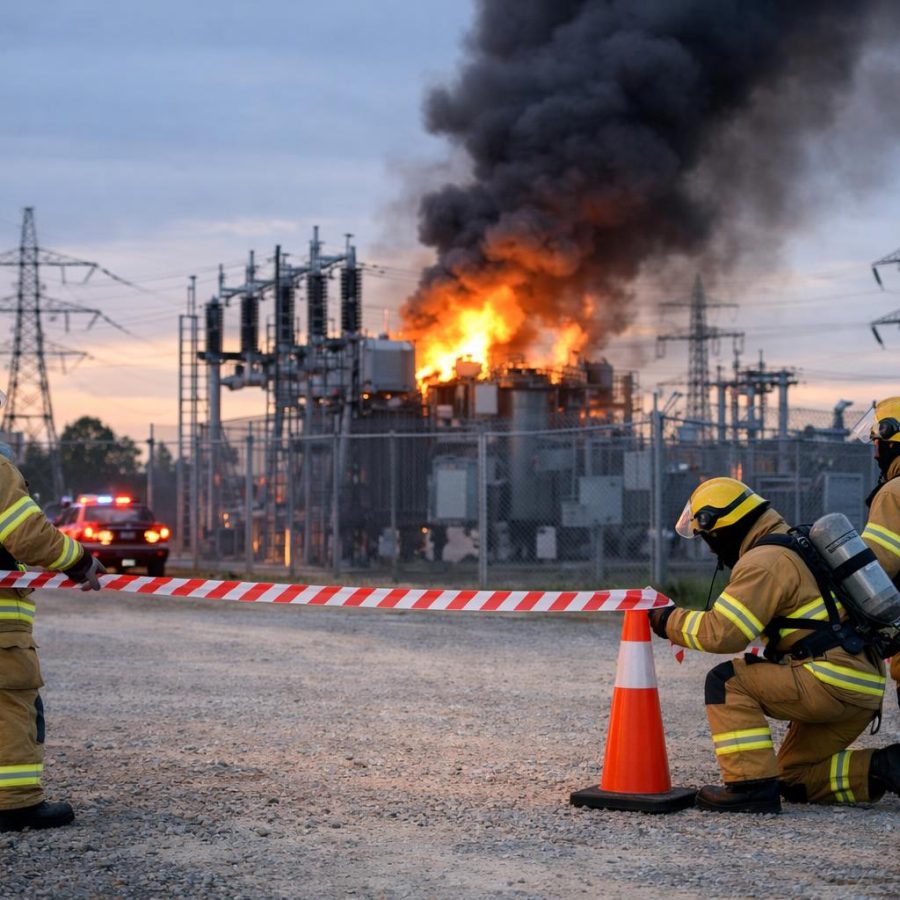
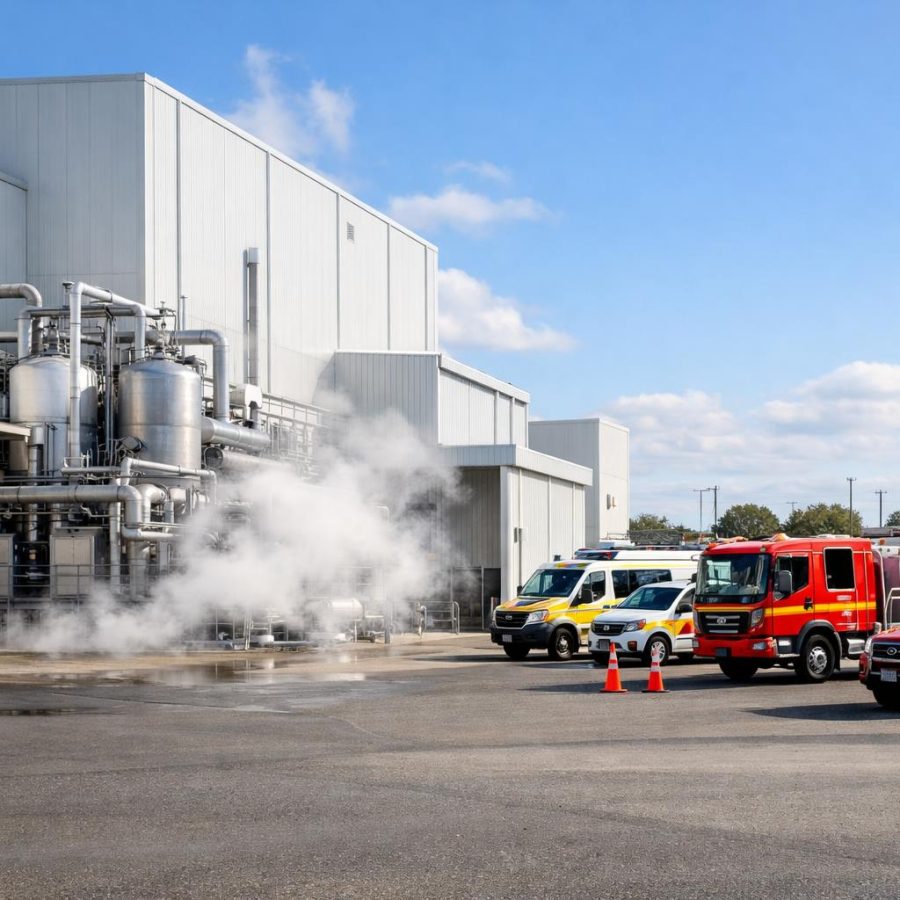
- Visible smoke or coloured plumes rising from an industrial site.
- Emergency vehicle sirens and flashing lights in the vicinity.
- Official warnings issued via radio, TV, mobile alerts, or social media.
- Sudden changes in air quality, such as irritation to eyes, nose, or throat.
- Advisories to stay indoors or evacuate depending on the severity and chemicals involved.
Recognising these signs early and understanding the nature of the incident is key to making safe choices.
Before anything happens: simple preparation steps
Preparation is your best defence when it comes to industrial fires and hazardous spills. Taking a few simple steps ahead of time can improve your household’s resilience and response.
- Know the industrial sites near you: Identify factories, warehouses, and transport hubs within your neighbourhood.
- Register for local emergency alerts: Many councils and emergency services offer free SMS or app notifications for incidents.
- Create a family emergency plan: Decide how you’ll communicate, where you’ll meet, and what to do if an incident disrupts normal routines.
- Stock up on basic supplies: Keep water, non-perishable food, a battery-powered radio, torches, and first aid kits accessible.
- Learn your local evacuation routes: Know multiple ways out of your area in case of road closures or blockages.
- Keep important documents safe and accessible: Have copies of identification, insurance papers, and medical information ready in a waterproof folder.
Building a home checklist around industrial fires and hazardous spills
To make sure your household is ready, use this practical checklist tailored to industrial fires and hazardous spills:
- Install smoke alarms and test them regularly.
- Keep windows and doors sealed properly to prevent smoke or fumes entering inside.
- Have plastic sheeting and duct tape handy to cover vents or gaps during a chemical spill.
- Prepare a ‘go-bag’ with essentials like masks (P2 or higher), medications, water, and a torch.
- Identify a “safe room” inside your home where you can shelter if an incident strikes.
- Ensure pets have a designated safe place and supplies ready.
- Have a battery-powered or hand-crank radio to receive updates if power or internet fails.
What to do when warnings appear
If you receive warnings about an industrial fire or hazardous spill nearby, stay calm and take these actions immediately:
- Listen carefully to official instructions: Follow advice from emergency services, including evacuation orders or shelter-in-place directions.
- Close all windows, doors, and ventilation systems: Prevent contaminated air from entering your home.
- Turn off air conditioners and fans: These can draw hazardous air inside.
- Gather your emergency supplies and ‘go-bag’: Be ready to leave quickly if advised.
- Keep pets indoors and secure: Avoid taking them outside unless necessary.
- Avoid using open flames or electrical appliances: Some chemical vapours can be flammable or explosive.
- Stay tuned to local media or emergency services updates: Monitor information closely for changing conditions.
During the event: staying safe and staying informed
While an industrial fire or hazardous spill is ongoing, your main focus should be protecting your household’s health and safety.
- Remain indoors unless evacuation is ordered; do not attempt to investigate the incident yourself.
- If you experience symptoms such as difficulty breathing, nausea, or eye irritation, move to fresh air immediately if possible.
- Use a damp cloth or mask to cover your nose and mouth if you smell chemicals or smoke.
- Keep communication lines open but conserve phone battery by limiting calls to urgent matters.
- Follow updates from emergency services and do not rely on social media rumours.
- Do not return outside until authorities confirm it is safe to do so.
After the event: clean-up, claims and care
When the incident concludes and authorities declare it safe, there are several important steps to take:
- Ventilate your home: Open windows and doors to clear out any lingering fumes safely.
- Inspect for damage: Check your property for contamination, smoke damage, or structural issues.
- Follow official guidance before cleaning: Some chemicals require special handling to avoid health risks.
- Contact your insurance provider: Document any damage with photos and notify them promptly to begin claims.
- Seek medical advice: If any household member experienced exposure symptoms, consult a doctor even if mild.
- Dispose of contaminated items safely: Follow local council advice for hazardous waste disposal.
- Stay informed about local recovery efforts and support services: Community assistance may be available.
Talking with family, neighbours and local services
Community connection is a valuable resource during and after industrial fires and hazardous spills. Discuss your household plans with family and neighbours to ensure everyone knows what to do. Share emergency contacts, resources, and any special needs.
Engage with your local council and emergency services to stay informed about risks and preparedness initiatives. Attend community meetings or emergency drills if available. This cooperation can help build resilience and reduce stress during incidents.
Putting it all together: a practical plan for industrial fires and hazardous spills
Creating a comprehensive, clear, and flexible plan is the best way to ensure your household is ready. Your plan should include:
- Identifying potential hazards in your area.
- Knowing how to receive and respond to warnings.
- Having emergency supplies and shelter preparations in place.
- Clear roles for family members during an incident.
- Communication strategies both within the household and with external contacts.
- Steps for post-event recovery and support.
Review and practice your plan regularly to keep everyone confident and comfortable with what to do.
Tip from Kenno: Living close to industrial zones means staying alert but not anxious. I always keep a small emergency kit ready, including masks and a battery radio, and have a quiet “safe room” on the house’s inside with few windows. When there’s an incident, I immediately close up the house, tune into the emergency broadcasts, and keep calm. It’s easy to get overwhelmed, but preparation helps you act quickly without panic, which is the best protection for you and your loved ones.
Image from Pixabay.
FireRescue Training Hub
Access practical fire and emergency study support resources, downloads, checklists, audio guides, and member-only course content.
- Course library
- PDF downloads
- Audio guides
- Checklists
Study support only. Not accredited training or a replacement for workplace procedures.
About the author and safety review
Ken Walker
Former Station Officer and fire service educator
Former career firefighter with extensive career and volunteer fire service experience.
Qualifications: Associate Diploma of Applied Science in Fire Technology; Institute of Fire Engineers studies.
Author profilehttps://www.firerescue.com.au/about-us/